

Alternative solutions for financing municipal search efforts after a wild animal collision
Every year, a large number of animals are killed or injured as a result of traffic collisions in Norway, and available statistics show that the numbers are increasing.
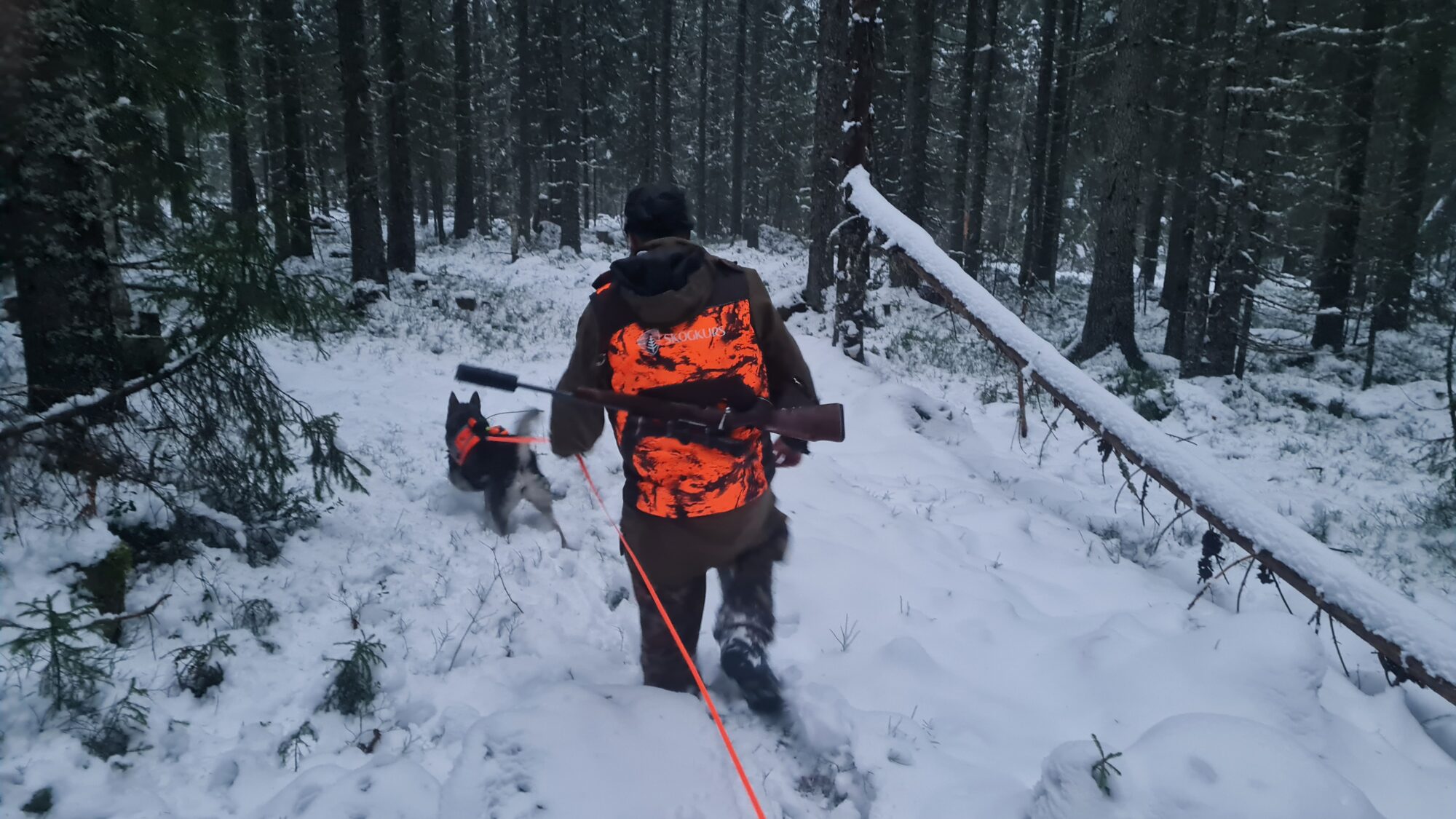
The overall socio-economic costs of wildlife–vehicle collisions are substantial and affect a wide range of stakeholders. Municipalities, the police, road owners, county authorities, and railway operators incur significant expenses related to notification, tracking, euthanasia, and clean-up. In addition to material damage and delays, such incidents pose a risk of serious injuries and fatalities, which in turn trigger emergency response costs and cause psychological strain for those involved. Wildlife collisions also contribute to reduced wildlife populations, economic losses for hunters and landowners, as well as considerable animal welfare challenges. Costs associated with preventive measures—such as construction and maintenance of wildlife fencing and fauna crossings—add further to the total burden. Currently, no comprehensive socio-economic analysis of these costs exists in Norway.
Commissioned by the Norwegian Agriculture Agency, the project team will now conduct a socio-economic analysis of collisions involving wildlife, grazing animals, and semi-domesticated reindeer on roads and railways in Norway. The purpose is to develop a comprehensive overview of all aspects of wildlife collisions, including both direct and indirect costs. The report will serve as a foundation for further efforts to reduce the number of such incidents.
New Financing Model
Responsibility following a wildlife collision is currently divided between the police and the municipality. The police bear the costs for the resources required to handle the initial notification, while municipalities are responsible for responding to wildlife collisions and for tracking potentially injured animals. Municipalities must maintain an emergency preparedness system for managing injured wildlife and for euthanising animals when necessary. They are also responsible for financing the handling of all wildlife collisions. The costs to municipalities can be significant, which is why there is a need to assess alternative solutions for financing and managing injured or dead animals after collisions.
The project will carry out a mapping exercise in which we identify and describe all relevant impacts of wildlife collisions. We will then quantify and assign value to these impacts in order to calculate the total socio-economic cost. The report will present the findings, methodological choices, and calculations, and will propose new financing models.
Project details

External project coordinator
Subject areas
Project number
6716
Project period
21/01/2026 - 30/06/2026
Collaboration partners
Nibio, Sveriges Landbruksuniversitet, EnviroPlanning
Financing
Landbruksdirektoratet
Contact us
Would you like to get in touch with us?
Fill in the form below and we will answer you as soon as possible.