
Natalia Mamonova awarded prestigious fellowship to write book on Ukrainian agriculture during war
Contact persons

Research areas
Share article:
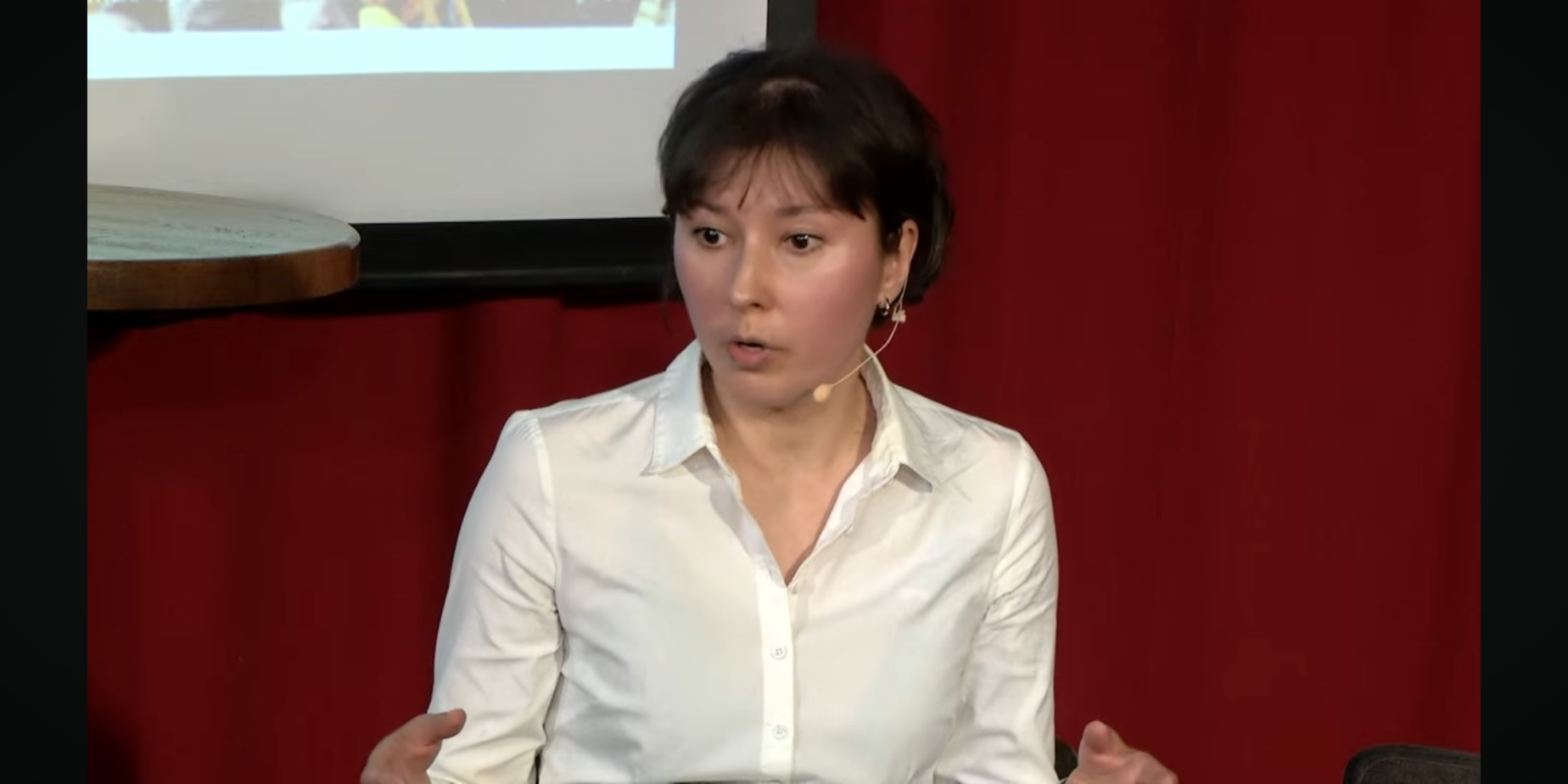
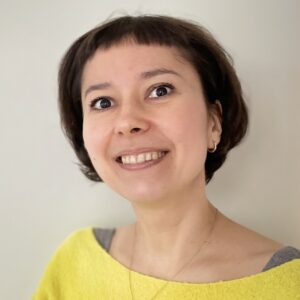
Senior Researcher Natalia Mamonova at Ruralis has been awarded a 9.5-month fellowship at the Swedish Collegium for Advanced Study. From September 2026 to June 2027, she will write the book More than Farming: Ukrainian Agriculture, Identity and Politics During the War.
This news article was written by the communications agency Gjete on behalf of Ruralis
An internationally recognised fellowship
The Swedish Collegium for Advanced Study is one of the most prestigious centres for advanced study. Each year, it selects around 20 outstanding scholars from different disciplines and leading universities around the world.
– Wow! I did not expect to receive it. I had almost forgotten that I had submitted the application. It was a very pleasant surprise, says Natalia Mamonova.
For Mamonova, the fellowship is first and foremost about time.
– I am not particularly focused on status or prestige. I am mainly looking forward to meeting new and interesting colleagues and having sufficient time to focus on one task, namely writing my book, she says.
Farming is more than food production
The book explores how agriculture in Ukraine during Russia’s war is about far more than food production. It is also about identity, politics, culture, community and national resilience.
– What comes to mind when you hear the word “farming”? Growing food, right? But it’s much more than that. How food is produced, who produces it, and what kind of food is grown defines much more than what ends up on our plates. It affects health, the environment, belonging, cultural identity, political development, and even a nation’s independence and freedom, says Mamonova.
The book is based on extensive research in Ukraine before and after Russia’s full-scale invasion in February 2022. It shows how Ukrainian farmers continue to provide food for families, local communities, internally displaced people, soldiers and global food supplies.
Rooted in research from Ruralis
The book project builds directly on research Mamonova conducted at Ruralis from 2023 to 2026 through the project Food security, food sovereignty and collective action during the war in Ukraine – Ukrainian and global perspectives. The project examined how different Ukrainian agri-food models respond to war.
– The research at Ruralis is central to the book. It has allowed me to examine how small family farms and large-scale agriculture respond to war, and what role solidarity and collective action play in Ukrainian food systems, says Mamonova.
She hopes the book will reach not only academics, but also policymakers, journalists and others interested in the future of food systems.
– Small-scale family farming is more resilient and sustainable than large-scale industrial high-tech agriculture. It should be enhanced if we want a sustainable, resilient and future-proof food system that is good for farmers, consumers and nature, she says.
Asked what she hopes the book will contribute to the academic debate, her answer is clear:
– Small-scale family farming will feed the world and cool the planet!
Important recognition for Ruralis
Ruralis Director Svein Frisvoll says the fellowship is an important recognition of both Mamonova’s research and the academic environment at Ruralis.
– This is a strong recognition of Natalia’s work and of the research conducted at Ruralis. The book shows how research on agriculture, rural communities and societal development can provide important knowledge about some of the most urgent issues of our time: war, food security, preparedness, identity and sustainable food systems for the future, says Frisvoll.