
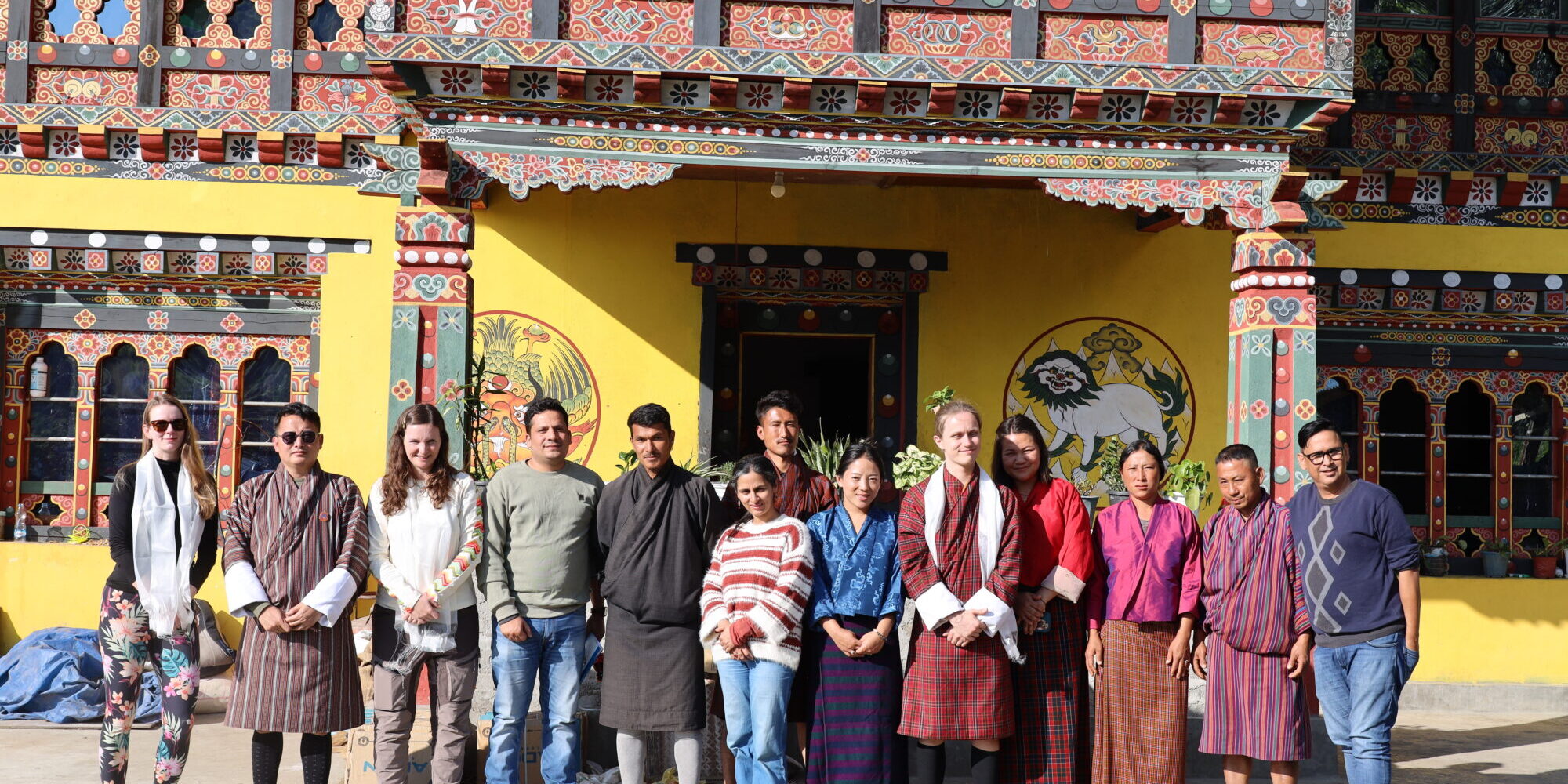
Solar dryers, gender and alternative finance: field insights from Bhutan
Author

Published: 18 December 2025
Last updated: 18 December 2025
Share article:
The fieldwork in Bhutan was an important first step in assessing the implications that improved solar dryers have on gender and labour when introduced in local communities. It also gave us insight into potential options for alternative finance to improve the ability of women-led agricultural cooperatives to purchase improved solar dryers.
In November 2025, the Solar Food team conducted a two-week fieldwork with several stakeholders in Bhutan. Among these were a women-led agricultural cooperative in the Chukha district, alternative finance providers in Thimpu, and representatives at the Post Harvest Centre in Paro.
Women are generally responsible for drying food in Bhutan and Nepal. Yet, they face challenges to access conventional finance or find few and expensive finance options. The Solar Food project aspires to solve this challenge by seeking possibilities for alternative investment capital through women-led agricultural cooperatives.

Mapping gender and labour roles in crop production. Photo by: Isabelle Hugøy
The Solar Food team therefore carried out fieldwork over two days at an agricultural cooperative led by a woman in the Chukha district in Bhutan. At the homestay where the cooperative is based, we met with six farmers, both female and male and other members of the household. After sharing a delicious lunch, they were all invited to participate in activities we organized as part of our Participatory Action Research (PAR) approach.
With the help of printed illustrations, we engaged the farmers in a crop mapping exercise, we discussed gender and labour roles in crop production and drying processes, and steps for using the developed solar dryer. We also organized a transect walk to identify the best location for installing a solar dryer. Participants included cooperative members, Solar Food researchers, and technical specialists. The same methods will be replicated in three other selected study sites in both Bhutan and Nepal.
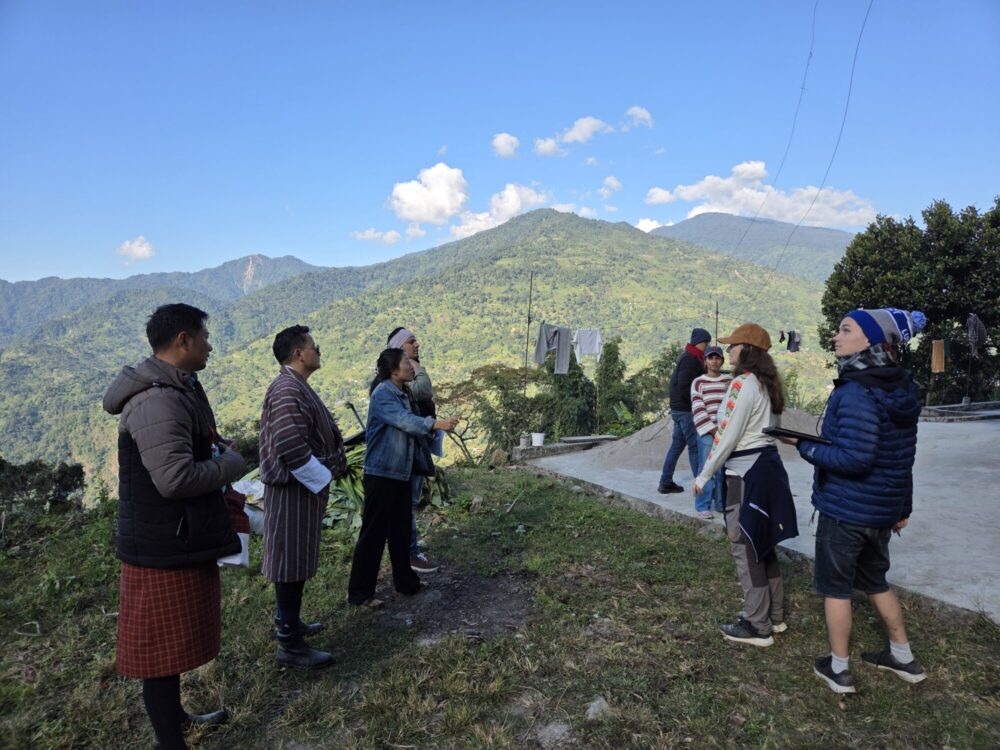
The transect walk. Photo by: Isabelle Hugøy
The Solar Food team stayed in Chukha over night to gain a better understanding of the place and to have more time to interact with the farmers. That same evening, we were lucky to experience the delicious local food and performances of traditional songs and dances by local women. The overnight stay was a fun and wonderful form of teambuilding for the project partners who collaborate across very different time zones and long geographical distances.
The fieldwork later continued in other sites. Our dedication to finding investment opportunities led us to conduct a focus interview in Thimpu, with three representatives from alternative finance providers. Some of them had previous experiences with solar drying. They were all positive to and showed interest in financing and implementing solar drying technologies in their respective farmer networks.
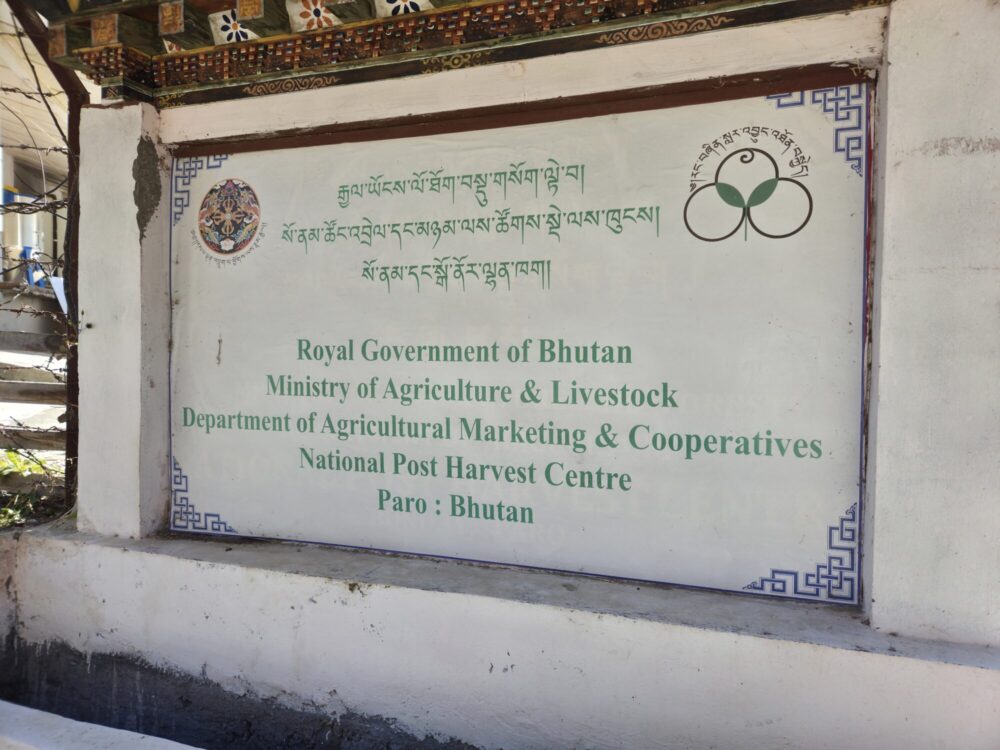
The National Post Harvest Centre. Photo by: Isabelle Hugøy
We were also fortunate to meet with, and interview, representatives from the National Post Harvest Centre in Paro. Combined with short visits to farmers and other stakeholders who test out electric dryers, the interview gave us better insight into the many different drying initiatives in Bhutan. This is an important first step for the mapping of the ecosystem around the business models in Solar Food and to ensure that the developed technology is inclusive.
Author
Published: 18 December 2025
Last updated: 18 December 2025