

Creating, Optimizing and Planning Positive EneRgy districts: connecting citizens’ energy at different geographical levels (COPPER)
As energy prices have surged throughout Europe, affecting all households (directly or indirectly) through their energy bill, citizens increasingly want to contribute to the renewable energy transition.
Next to market parties and government, the role of citizens in energy communities (ECs) in developing Positive Energy Districts (PEDs) can and should be strengthened, and wider groups of citizens can be involved. From this shared problem and understanding, this project wants to create and co-develop P2P citizens-based support and information systems that are inclusive of energy vulnerable groups and which fosters active energy citizenship.
Moreover, PEDs need to be embedded within the wider energy system by creating reliable entities such as organized ECs with intermediary roles, linking supply, demand, and storage in the energy market. By zooming out, the project develops new concepts for strategic spatial energy planning through co-creation with neighborhoods and community networks in the wider urban region.
In COPPER local ECs in Portugal, the Netherlands, Denmark and Norway share experiences in an interdisciplinary and intersectoral way. Concretely, this project facilitates P2P support systems, models energy markets and improves strategic and integrated spatial energy planning.
Driving Urban Transitions to a sustainable future – DUT Partnership
Project Coordinator

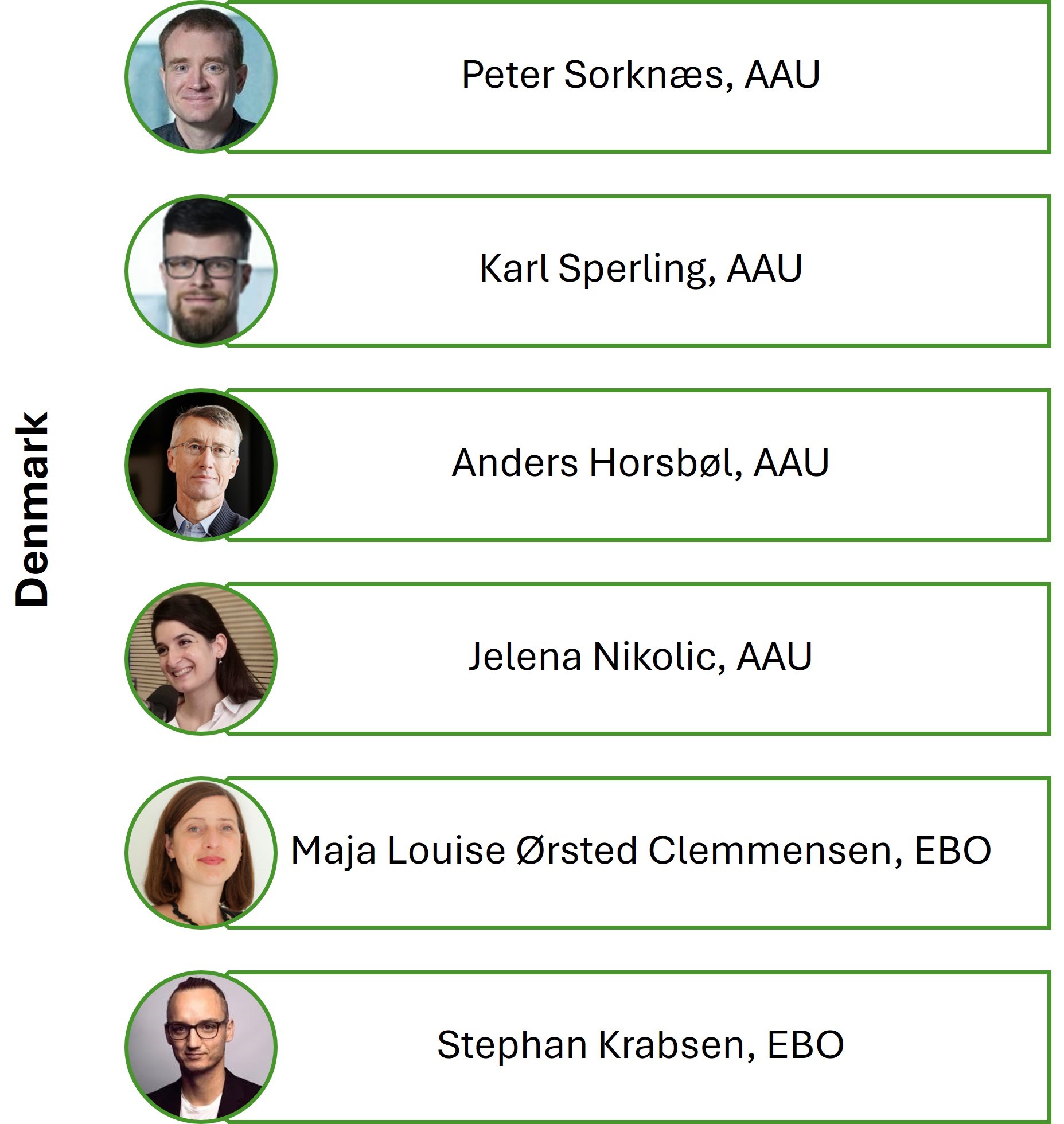
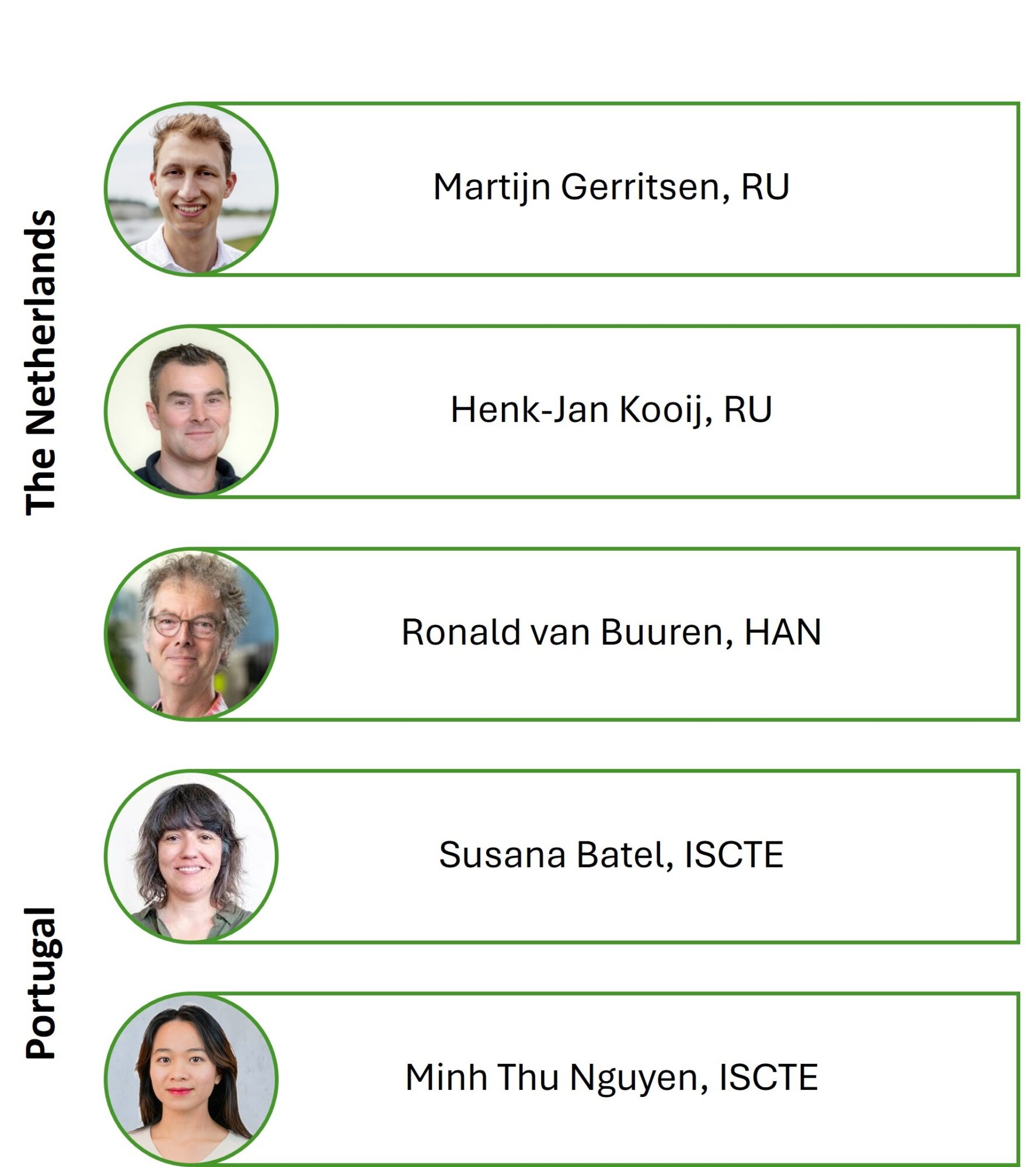
Project Members
Norwegian Partners
Cases
News
Klimafolkemøde i Middelfart august 2026 eng.
https://dutpartnership.eu/projects/copper
https://www.linkedin.com/feed/update/urn:li:activity:7483052931311624192
241112 – Report Energy Festival Nijmegen – Duurzaamheidscafé netcongestie
241112 – Verslag energiefestival Nijmegen – Duurzaamheidscafé netcongestie
241115 – Report Energy Festival Nijmegen – Lunchworkshop Hatert
241115 – Verslag energiefestival Nijmegen – Lunchworkshop Hatert
Report
Energy Communities: inventory of barriers & opportunities and best practice
Conference Proceedings
SESAAU – Inclusive communication ecology in PED_WP2
Publications
Final Energy Sharing Policy Paper English_17062026 (004)
Let’s make PED work – How current knowledge can contribute to future positive energy districts
DUT PED Conference – COPPER ENH
From Industrial Symbiosis to Human-Centric Energy Communities WSF11
Policy brief
The Nordic industrial sector is at a critical stage in the green transition. Growing electrification, ambitious climate targets, and the phase-out of fossil fuels are increasing electricity demand, while limited grid capacity and congestion create challenges for connecting industrial energy needs with available infrastructure.
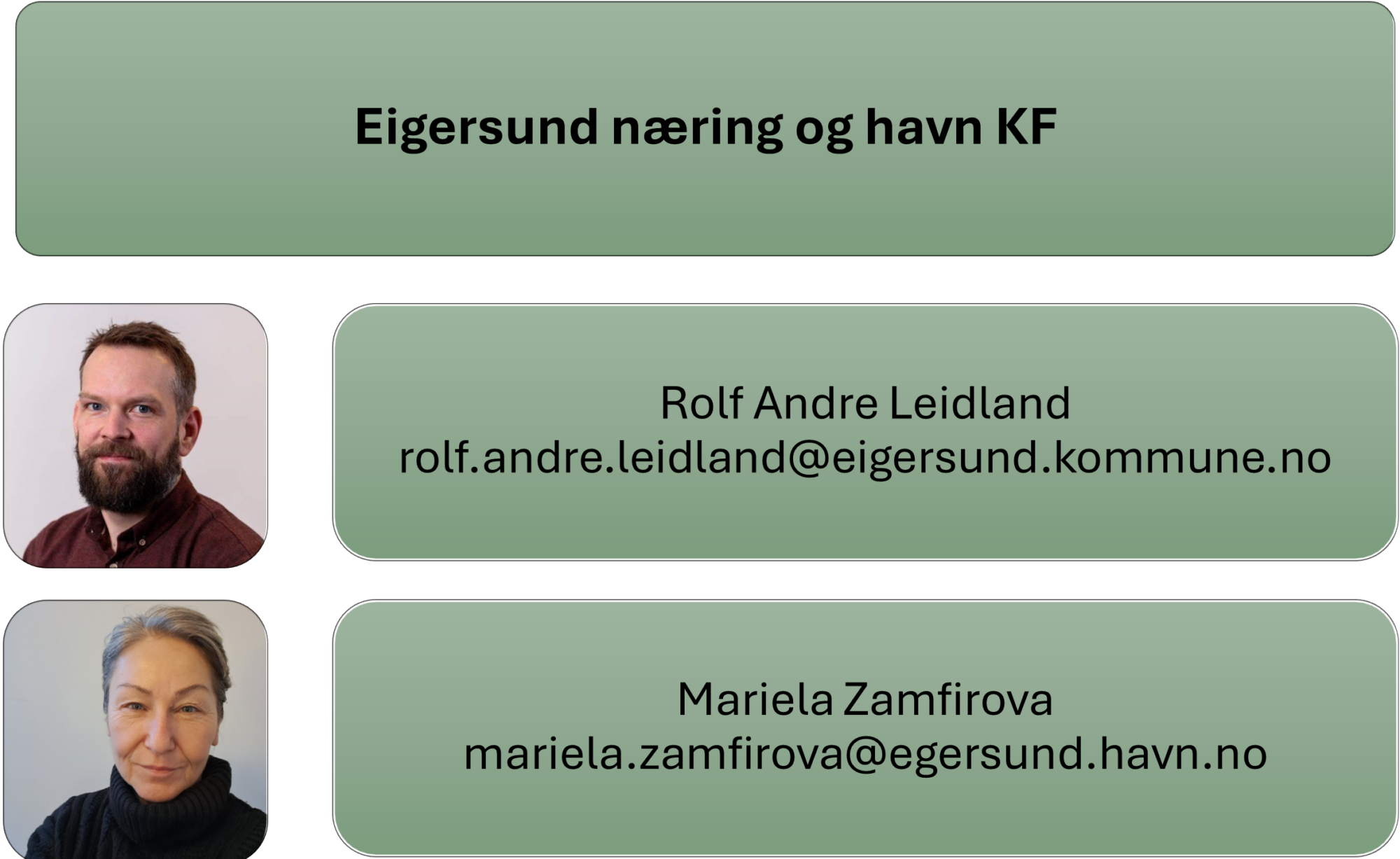
This policy brief examines two industrial areas to explore how the development of PEDs can help overcome the challenges that these areas face. The cases are Port of Frederikshavn in Denmark and Port of Eigersund in Norway. The two cases represent different contexts, barriers, and opportunities.
The analysis identified 19 barriers and 13 opportunities. Most barriers exist in both ports, while four are specific to Denmark and Frederikshavn, and six are specific to Norway and Eigersund.
Overall, the findings demonstrate that both ports face significant challenges related to electricity supply, but that PED status can be achieved.
Read more in the Policy Brief.
Project details
External project coordinator

Project number
6684
Project period
01/01/2024 - 31/12/2026
Collaboration partners
Norwegian: DENKO AS: Arild Stapnes Johnsen arild.johnsen@dalane-energi.no, Klaudia Teresa Tolstow klaudia.tolstow@dalane-energi.no, Vidar Nodland vidar.nodland@denko.no – Eigersund industri og havn KF: Rolf Andre Leidland rolf.andre.leidland@eigersund.kommune.no
Financing
The Research Council of Norway
Contact us
Would you like to get in touch with us?
Fill in the form below and we will answer you as soon as possible.