
Foodsystem – connections between food, environment, climate and public health
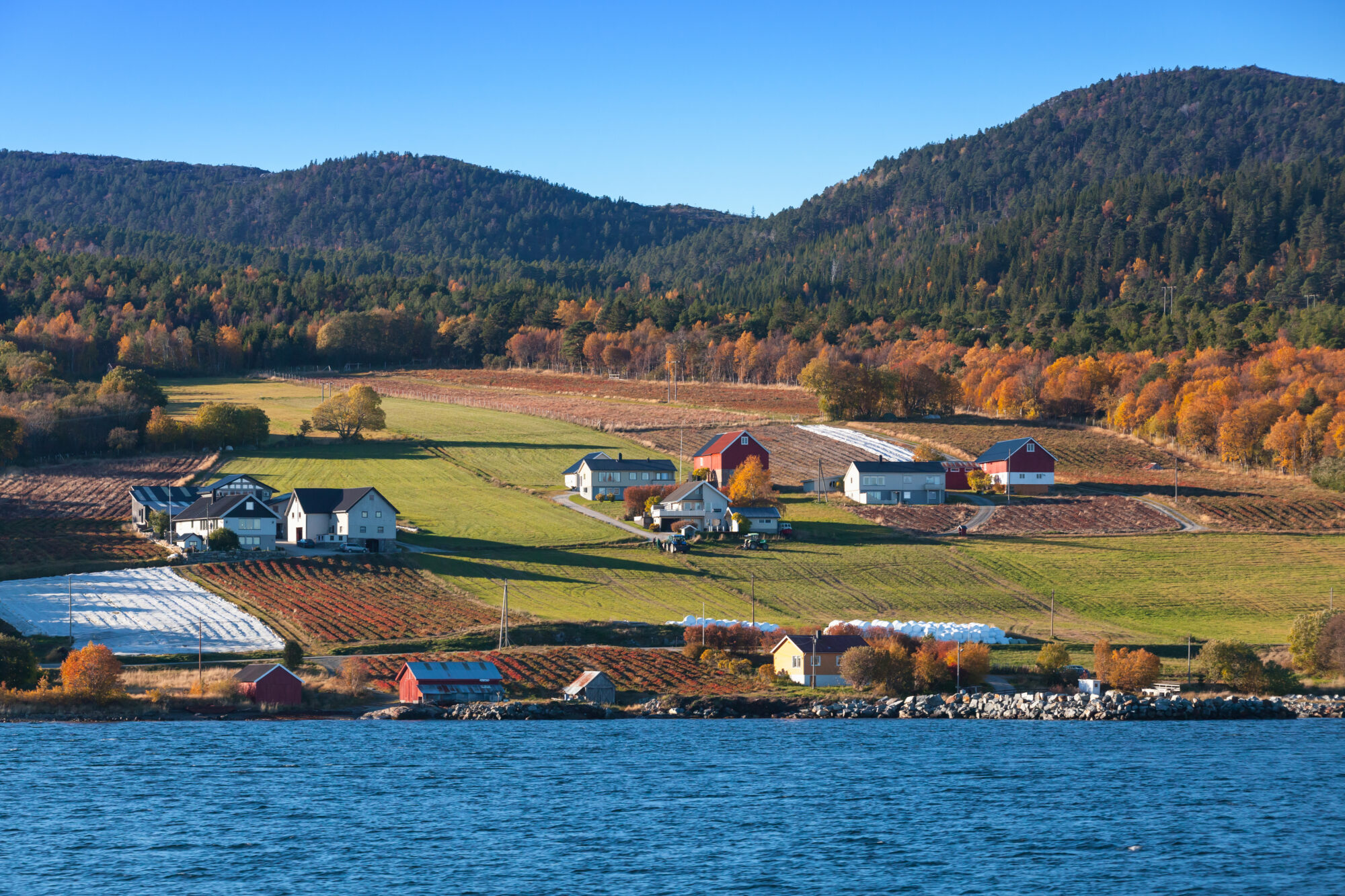
Vårt hovedfokus er på effekter for primærjordbruket, dvs. hvordan, hvor mye og hvor maten produseres i Norge under ulike forutsetninger. Det innebærer at vi i mindre grad ser på effekter for næringer i verdikjeden for mat oppstrøms og nedstrøms. Næringer oppstrøms (f.eks. mineralgjødselindustri) er indirekte del av vår tilnærming bruk av innsatsfaktorer til primærjordbruket inngår i analysen. Matindustrien er…
Read MoreSelf-sufficiency degree
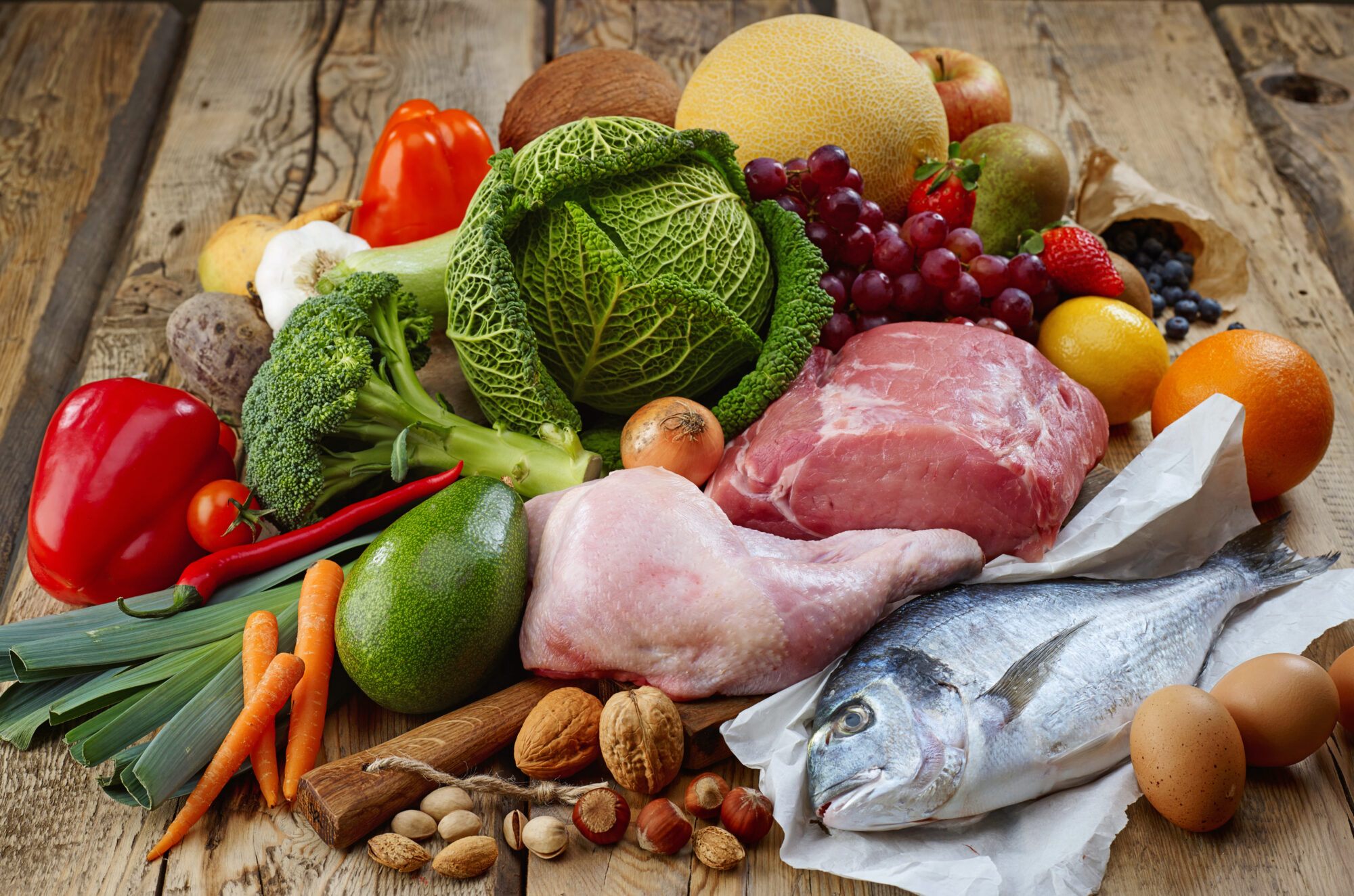
The goal of the project is to calculate the degree of self-sufficiency for the EU as a whole, our neighboring countries individually, as well as Switzerland, the USA, Japan and South Korea. The degree of self-sufficiency will be calculated based on data from FAO that is comparable between countries, but has its own challenges. In addition, national methods for calculating the…
Read MoreOppdatering av tallgrunnlag for landbruk i fjellregionen
Det ble i 2025 utarbeidet en rapport om landbruk i fjellregionen (Sand m.fl. 2025. Fjellandbruket – Status og utvikling i landbruket i fjellkommunene i Norge. SINTEF Rapport 2025:00136). Tallene i denne rapporten skal oppdateres med nyeste, tilgjengelige tall.
Read MoreEvaluation of the Initiative Sustainable Food Production and Value Creation in the North
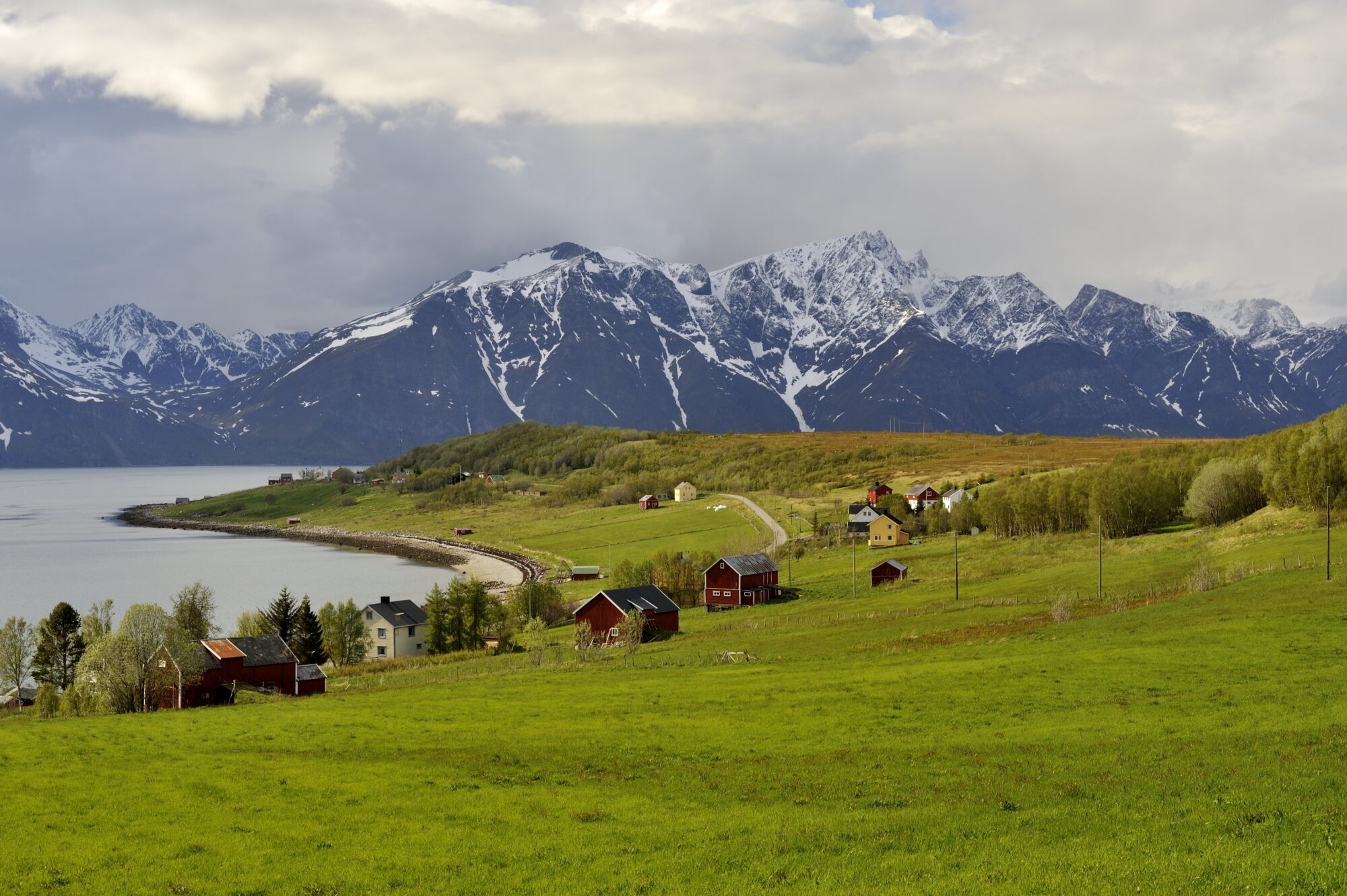
The scheme is administered by Troms County Council and financed through funds from the Agricultural Agreement, first allocated in 2022, along with county funds from Finnmark, Troms, and Nordland. The aim of the initiative is “to strengthen vulnerable producer communities in Finnmark, Troms, and Nordland, counteract farm closures, increase land use, and enhance the competence…
Read MoreLook to Switzerland
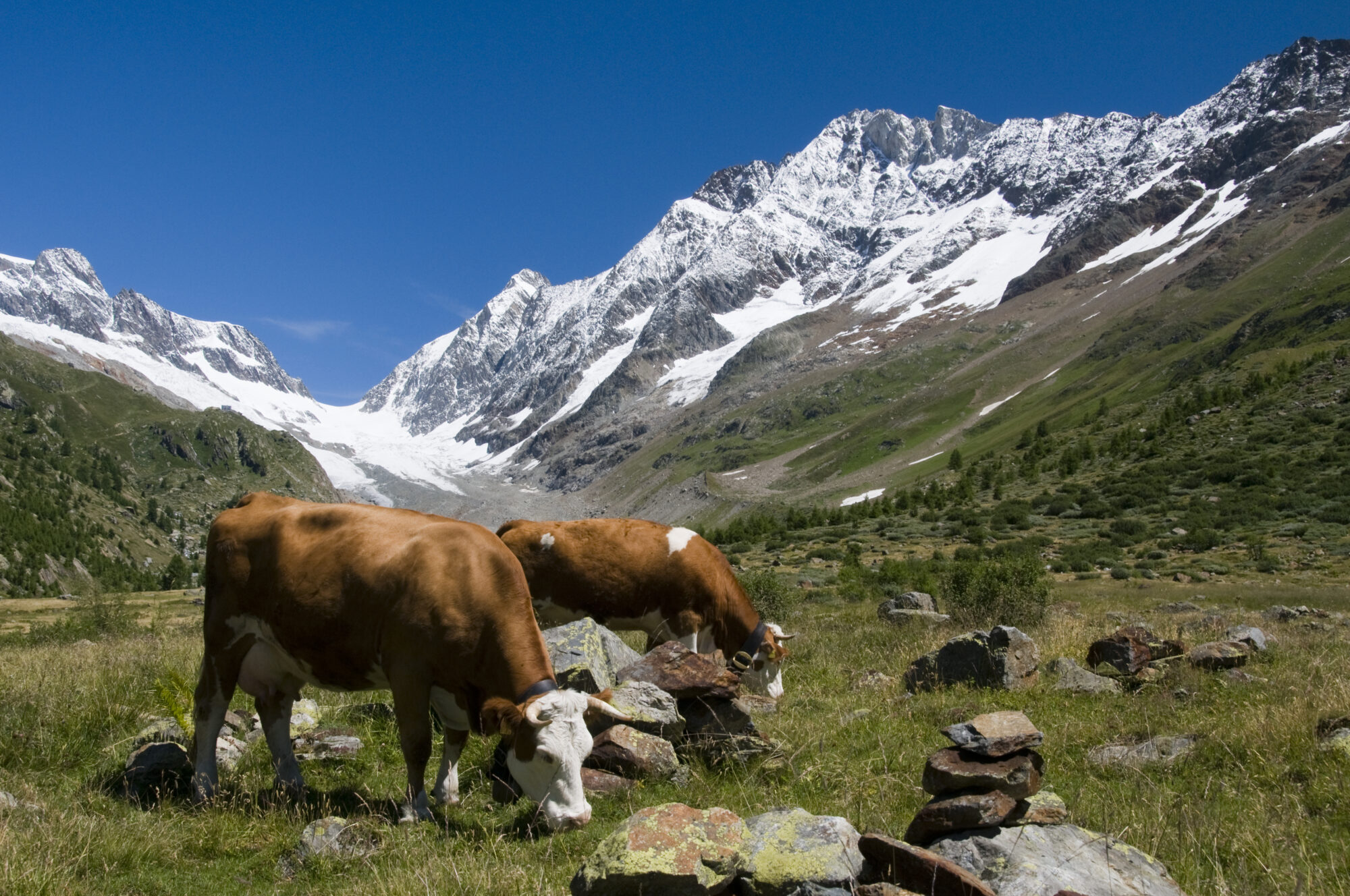
The main aim of this project is to propose concrete measures based on existing measures in Switzerland. We will first identify relevant climate and environmental measures in Switzerland with an assumed high transfer value to Norway. Next, we will seek to quantify the economic and environmental consequences of introducing these in Norwegian agriculture. This will…
Read MoreEvaluation of investment support in Norwegian agriculture

The funds are managed by Innovation Norway, with a distribution by county. About 90 percent of the grant funds are given to investments in traditional agriculture. The framework for the scheme has increased significantly in recent years and amounts to NOK 1,312.5 million for 2026. In the agricultural settlement 2025, the contracting parties agreed to…
Read MoreTesting of technical solutions to prevent collisions with wild animals along the railway
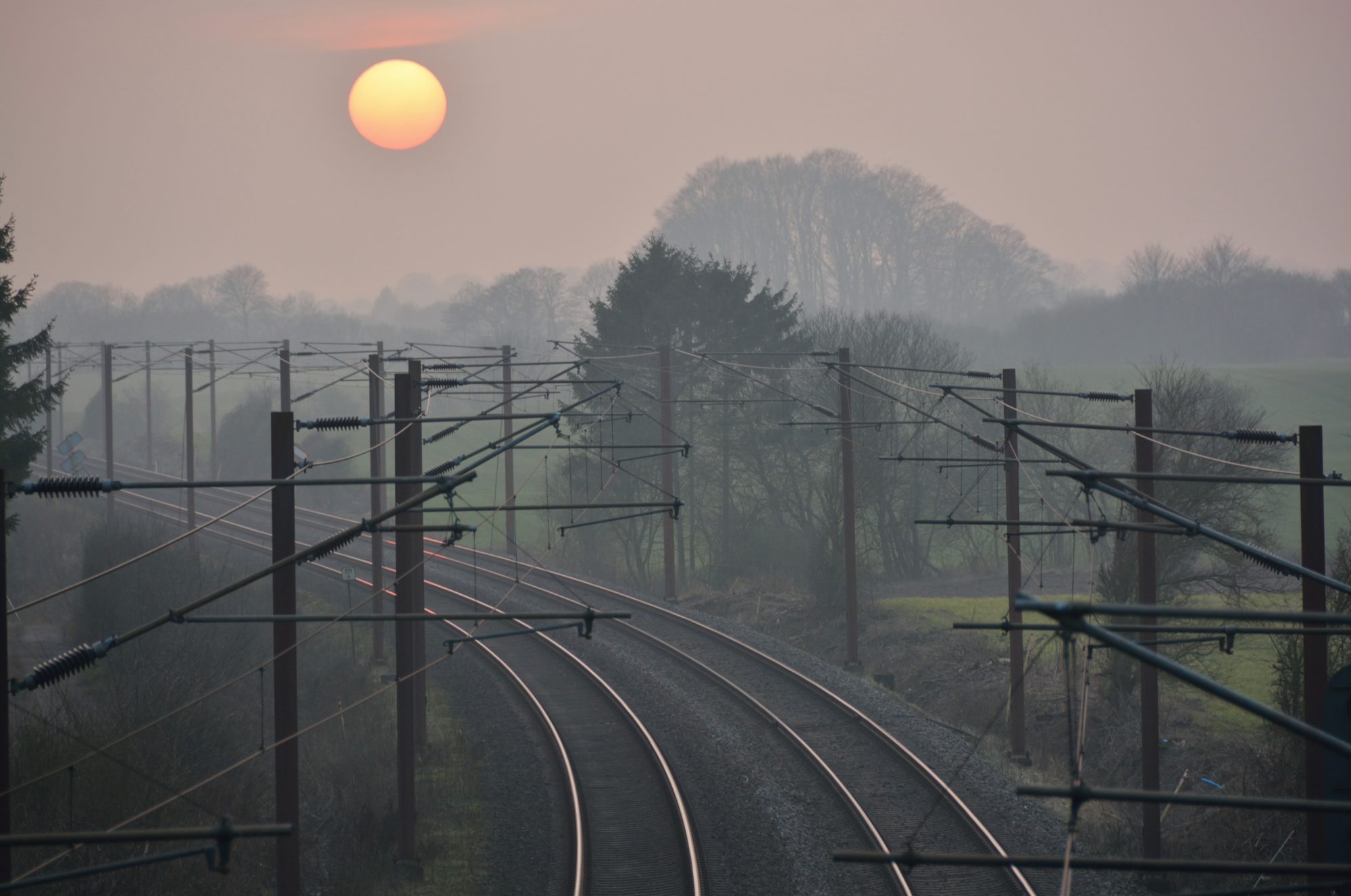
The research on the Norwegian side is coordinated by the research institute Ruralis – Department of Rural and Regional Research. The research in Phase 1 was carried out at feeding stations during the winter of 2020 and 2021, where we tested the game’s reactions to various sound signals as well as the reactions to sound…
Read MoreMarket regulation of meat
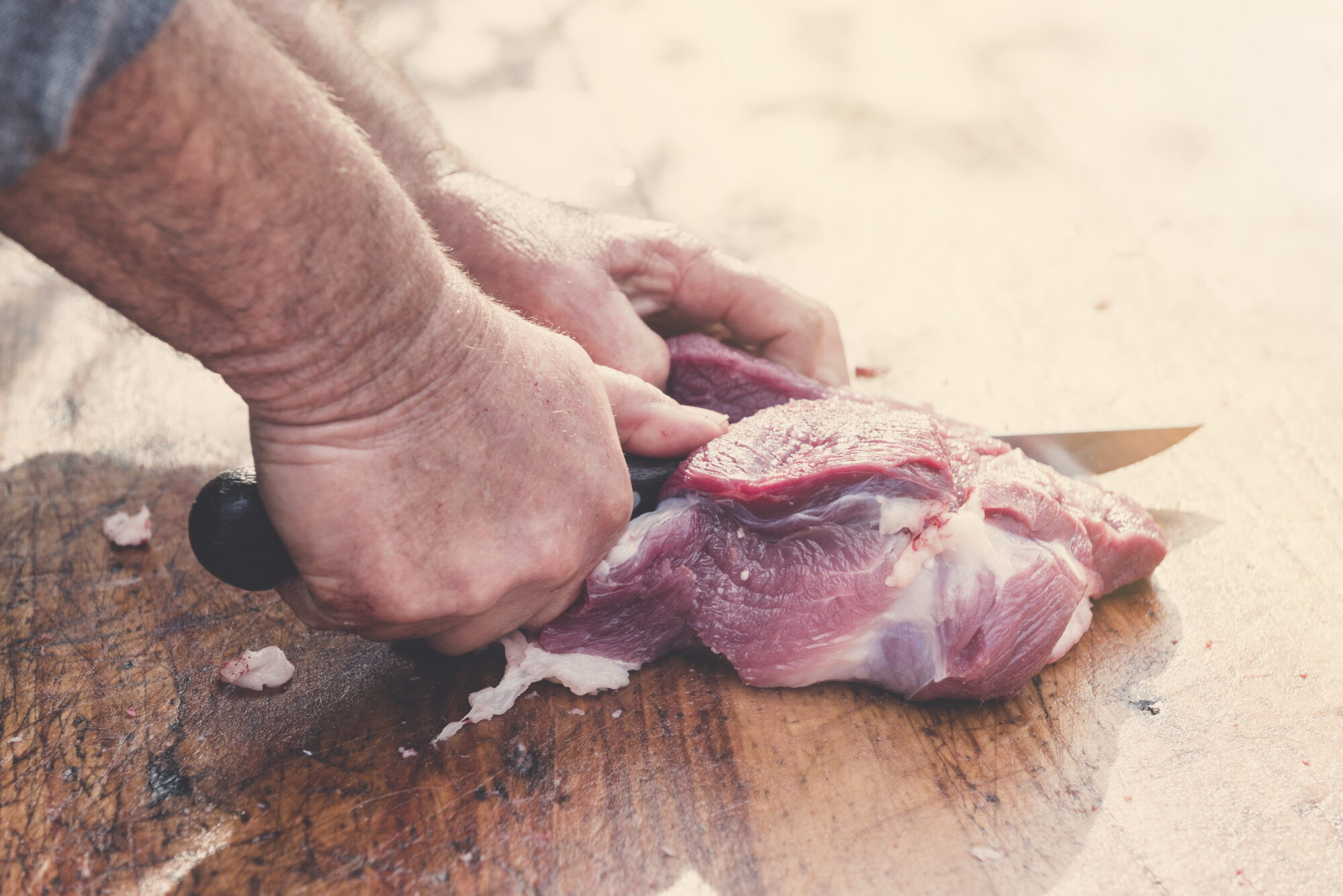
Bedre løsninger for gjennomføring av reguleringstiltak og markedsaktiviteter har den hensikt å ta ned kostnadene for norske bønder. Slike løsninger skal på en mer effektiv måte stimulere og tilrettelegge for en høy leveringsgrad gjennom hele verdikjeden mot alle kunder på de ulike nivåene i verdikjeden. Målet er kontinuerlig å sikre full dekning av markedsetterspørselen av…
Read MoreEffekt av 50% selvforsyning ved fokus på kostråd og matsvinn
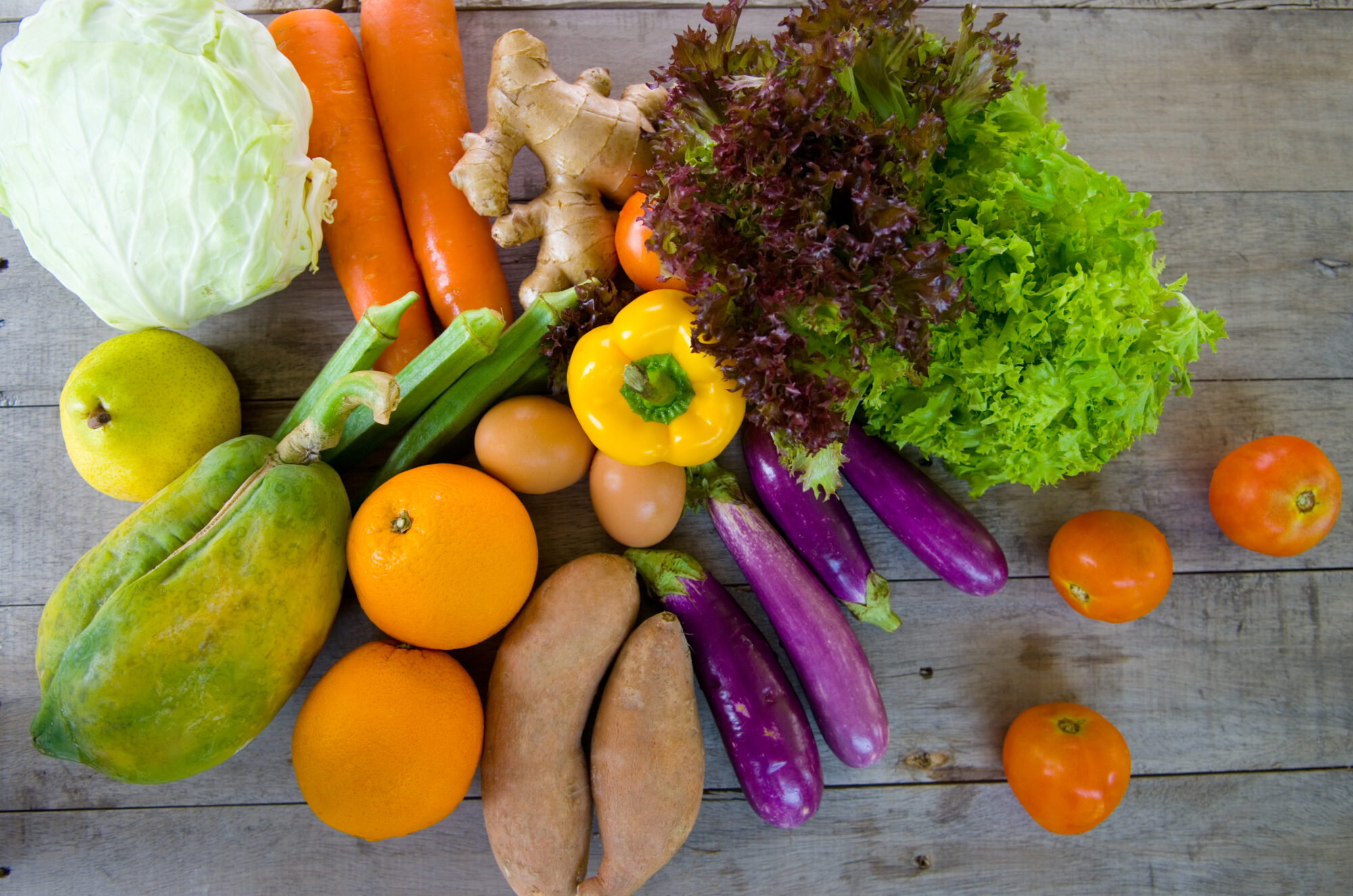
Formålet med prosjektet er å beregne økonomiske og klimamessige effekter av å øke selvforsyningsgraden i norsk jordbruk til 50 prosent korrigert for importert fôr i 2030 med særlig fokus på oppfyllelse av kostråd og redusert matsvinn.
Read MoreRural Population’s Housing Preferences
The survey examines the needs and preferences of various resident groups regarding different types of housing and is conducted among both permanent residents and holiday home owners.
Read MoreCosts of increasing food self-sufficiency to 50 per cent
Formålet med prosjektet er å beregne den privatøkonomiske kostnaden (dvs. produksjonskostnaden) av å øke selvforsyningsgraden i norsk jordbruk til 50 prosent korrigert for importert fôr i 2030. Utredningen skal beregne hvordan produksjonskostnaden kan dekkes inn av produktpris og tilskudd for alle typer planteproduksjoner med krav om lønnsom drift. Selvforsyningsgraden skal først og fremst økes gjennom…
Read MoreAgricultural support
In the project, we will investigate the following questions: What proportion of agricultural subsidies goes to meat production, both directly and indirectly, and, if possible, including the value of import protection (i.e., shielding support)? What is, if possible, the county distribution of agricultural subsidies in general and meat subsidies in particular? What is the actual…
Read MoreDevelopment of methods to calculate GHG emissions in agriculture
The purpose of the assignment is to assist the Norwegian Environment Agency and the Norwegian Directorate of Agriculture in assessing the possibility of developing and adopting methods that can estimate the impact on greenhouse gas emissions of overall changes in agricultural settlements, including the possibilities of adopting machine learning.
Read MoreGrazing subsidies
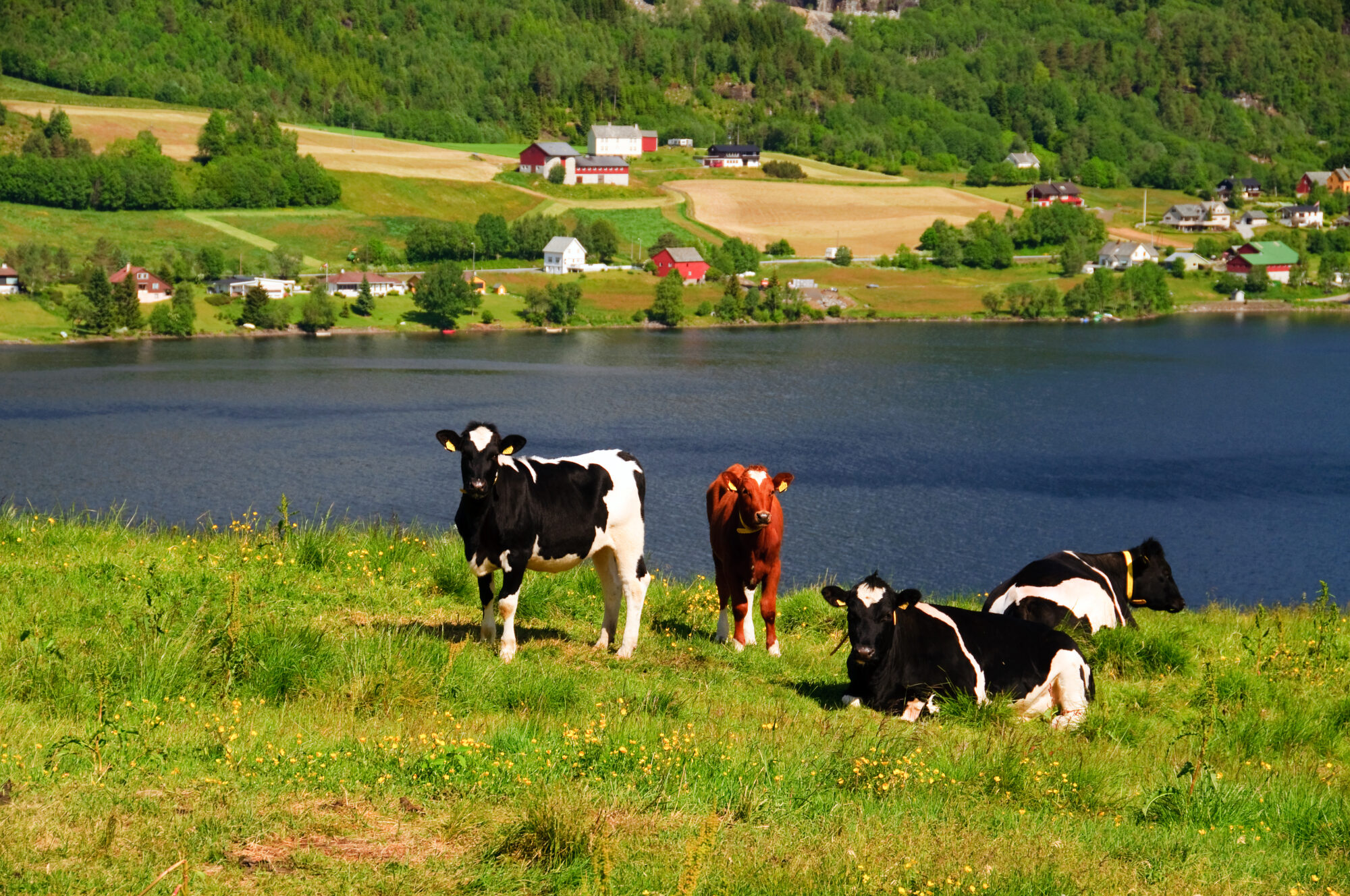
It will gather knowledge about the direct relationship between changes in subsidies on the one hand, and the number of animals grazing as well as the proportion of animals grazing on the other. The project will also evaluate the effects on other agricultural activities. This relationship will be used to estimate the impact of changes…
Read MoreCivilsamhället som utvecklingskraft för reslilienta, hållbara och attraktiva lokale samhällen – Lokal samfunnsutvikling
Er det en desentralisert, samfunnsbyggende sterk offentlig sektor som i partnerskap med privat næringsliv og frivillig sektor står for levende lokalsamfunn i utkantområdene? Eller er det som på svensk side, der man har indikasjoner på at offentlig sektor har trukket seg tilbake, og at stadig mer av ansvaret for opprettholdelsen av viktige samfunnsfunksjoner faller på…
Read MoreManure gases and the risk for accidents in Norwegian agriculture
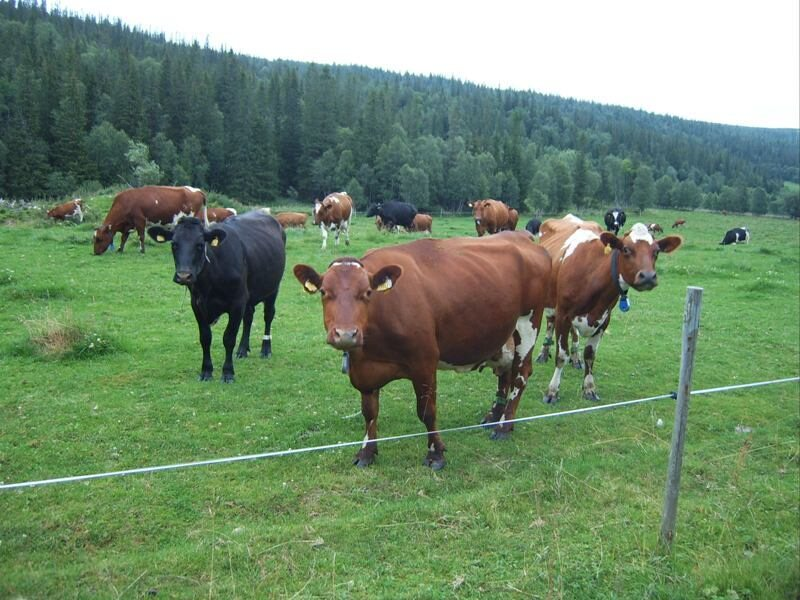
This is evident through the introduction of new spreading methods, changes in when to spread the manure, transportation of manure products to and from biogas plants, and uncertainty regarding how the return of bio-residue affects gas production in fresh livestock manure. Due to the danger potential associated with manure gases, significant underreporting, and lack of…
Read MoreEvaluering av pilotperiode for tilskudd til klimarådgiving
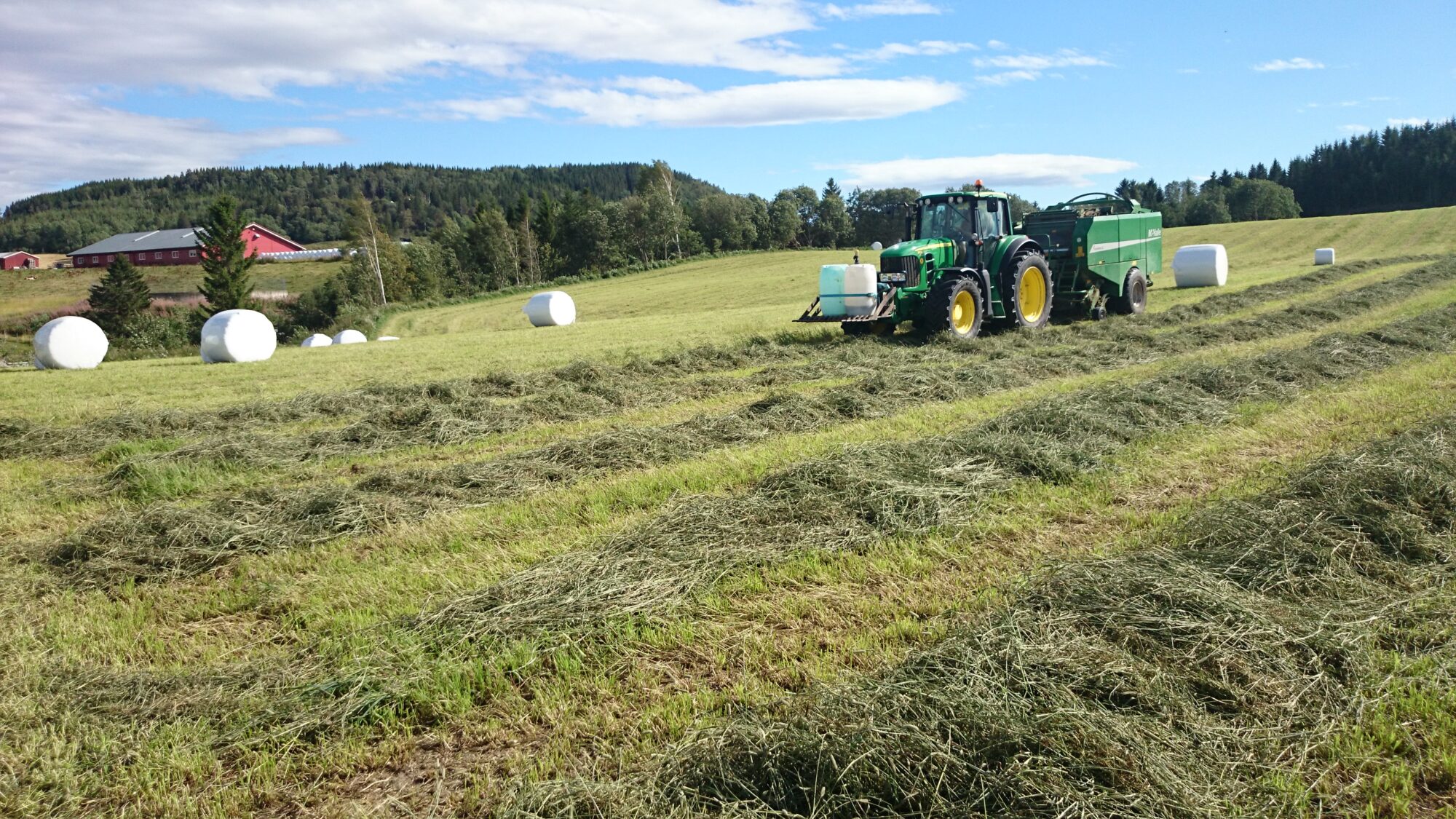
Evalueringen dreier seg om i hvilken grad tilskuddsordningen har klimanytte, om ordningen er hensiktsmessig organisert, og hva som påvirker bønders bruk og oppslutning. Prosjektet skal også vurdere hvorvidt det er behov for et eget kompetansesenter for klima i jordbruket, og hvordan dette i så fall bør organiseres. Prosjektet ledes av MENON Economics, med Ruralis og…
Read MoreRESTORE: Restoration of ecosystem functioning and biodiversity in semi-natural habitats under high pressure
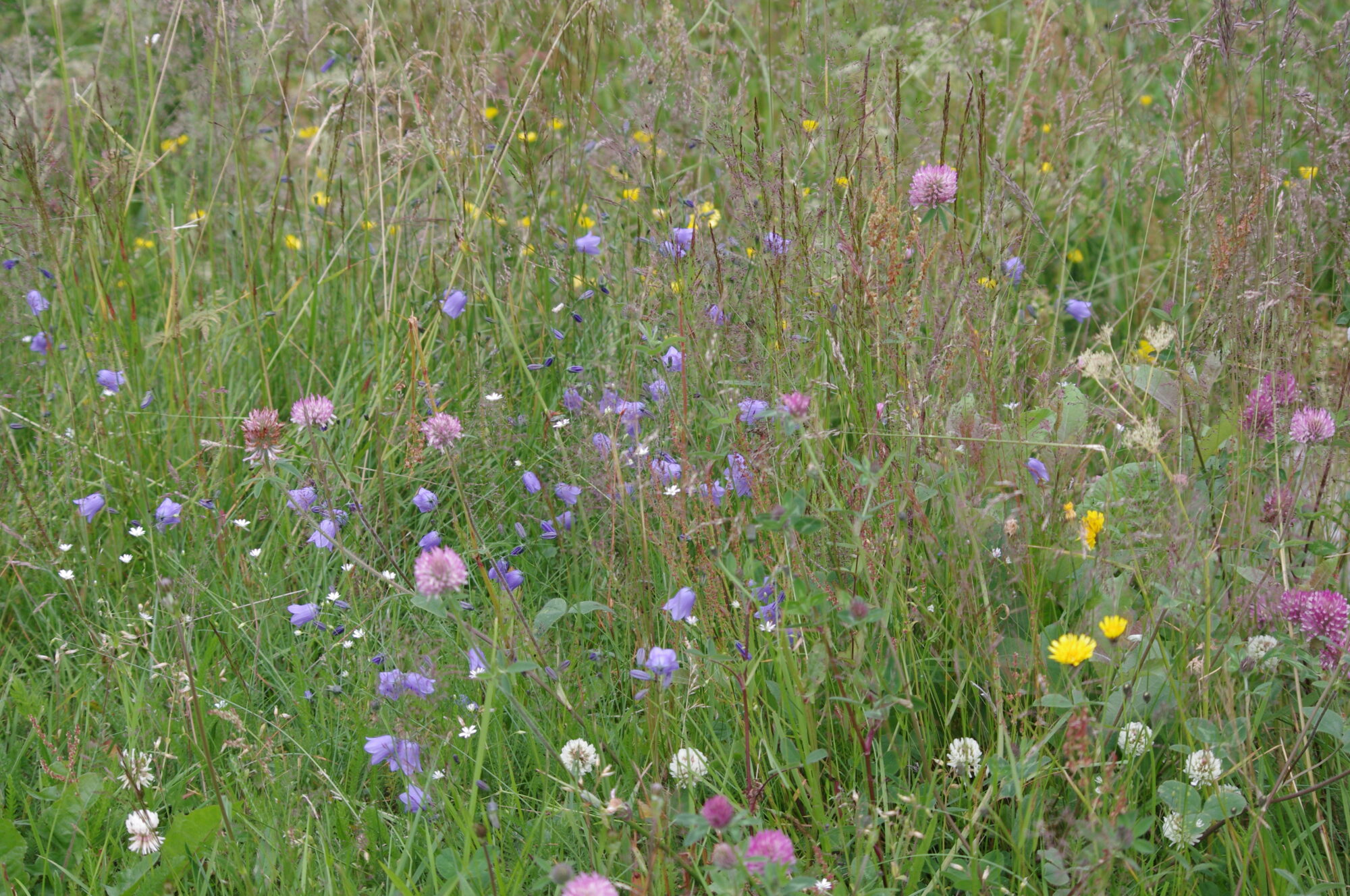
Current knowledge gaps and challenges in restoration science and management calls for better collaboration between relevant sectors. RESTORE brings together experienced researchers, management authorities, hands-on practitioners, private consultants, user groups, and other stakeholders with an interest in restoration of semi-natural habitats in Norway. RESTORE’s primary objective is to develop evidence-based, novel solutions for restoration of…
Read More