

Exploring the implications of power dynamics for food system change and sustainability outcomes across food, environment, health and climate: MatMakt
The food system is inextricably linked with, and influences sustainability outcomes, across environmental (e.g. soil, biodiversity loss, climate change), health and social issues (e.g. obesity, malnutrition, antimicrobial resistance), economic concerns (e.g. loss of farmers, reliance on global value chains) and preparedness challenges (e.g. food security, resilience).
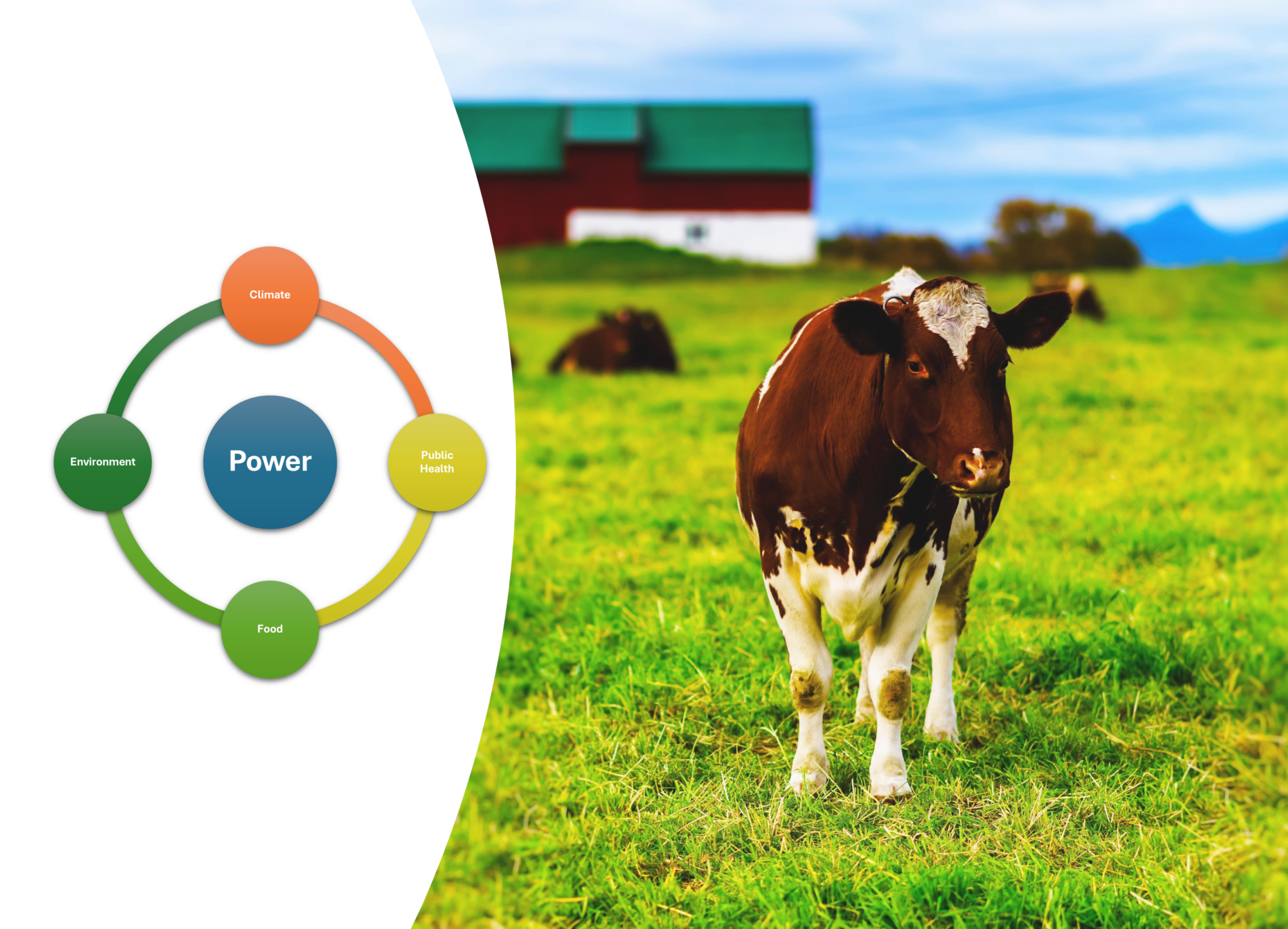
However, how we govern food systems significantly determines the nature of these connections, the extent to which they can be adapted and transformed, and resultant feedback effects that influence sustainability outcomes across food, environment, climate and public health (FECPH).
Understanding and preventing unintended outcomes and realising positive outcomes, requires making food systems’ interactions, include power, more explicit so that they can be directly managed and governed. This requires an analysis of both the connections between FECPH and the power relations and governance practices that shape them. Yet, issues of power and power relations have often been ignored in research and policy seeking to understand and support sustainable change.
The MatMakt project will develop knowledge on existing power relations within the Norwegian food system, and how they shape connections between FECPH. The project adopts a combined food system governance and system thinking approach. Using system thinking and modelling the project will map the interconnections and feedback relations between food, environment, climate and public health in three Norwegian food value chains, each with different power and governance dynamics. We will complement this with an analysis of power relations, governance mechanisms and practices which will be integrated into the model through feedback narratives. In so doing, the project will provide policy recommendations for achieving effective food system governance, rooted in principles of collaboration and negotiation, so as to maximise sustainability outcomes across FECPH.
Project details




Project number
6714
Project period
01/03/2026 - 30/03/2029
Collaboration partners
Ruralis – Institute for Rural and Regional Research, Universitetet i Bergen, Norges Teknisk-Naturvitenskapelige Universitet NTNU , Wageningen University & Research, Institut National De Recherche Pour L’agriculture, L’alimentation Et L’environnement (INRAE), Nortura SA, Tine SA, Bama Gruppen AS, Norgesgruppen Retail AS, Coop Norge SA, Norsk Kylling AS, Norsk Bonde- Og Småbrukarlag, Norges Bondelag, Økologisk Norge, Norsk Landbrukssamvirke, Trøndelag Fylkeskommune, Rethink Food AS, Landbruksalliansen
Financing
Norges Forskningsrådet
Contact us
Would you like to get in touch with us?
Fill in the form below and we will answer you as soon as possible.