

RESTORE: Restoration of ecosystem functioning and biodiversity in semi-natural habitats under high pressure
Semi-natural habitats are under high pressure due to land use change and land degradation. Restoration of degraded nature is necessary to reverse the pervasive threats to ecosystems from overexploitation, agricultural expansion, intensification or abandonment, urban development, fragmentation, and invasive species.
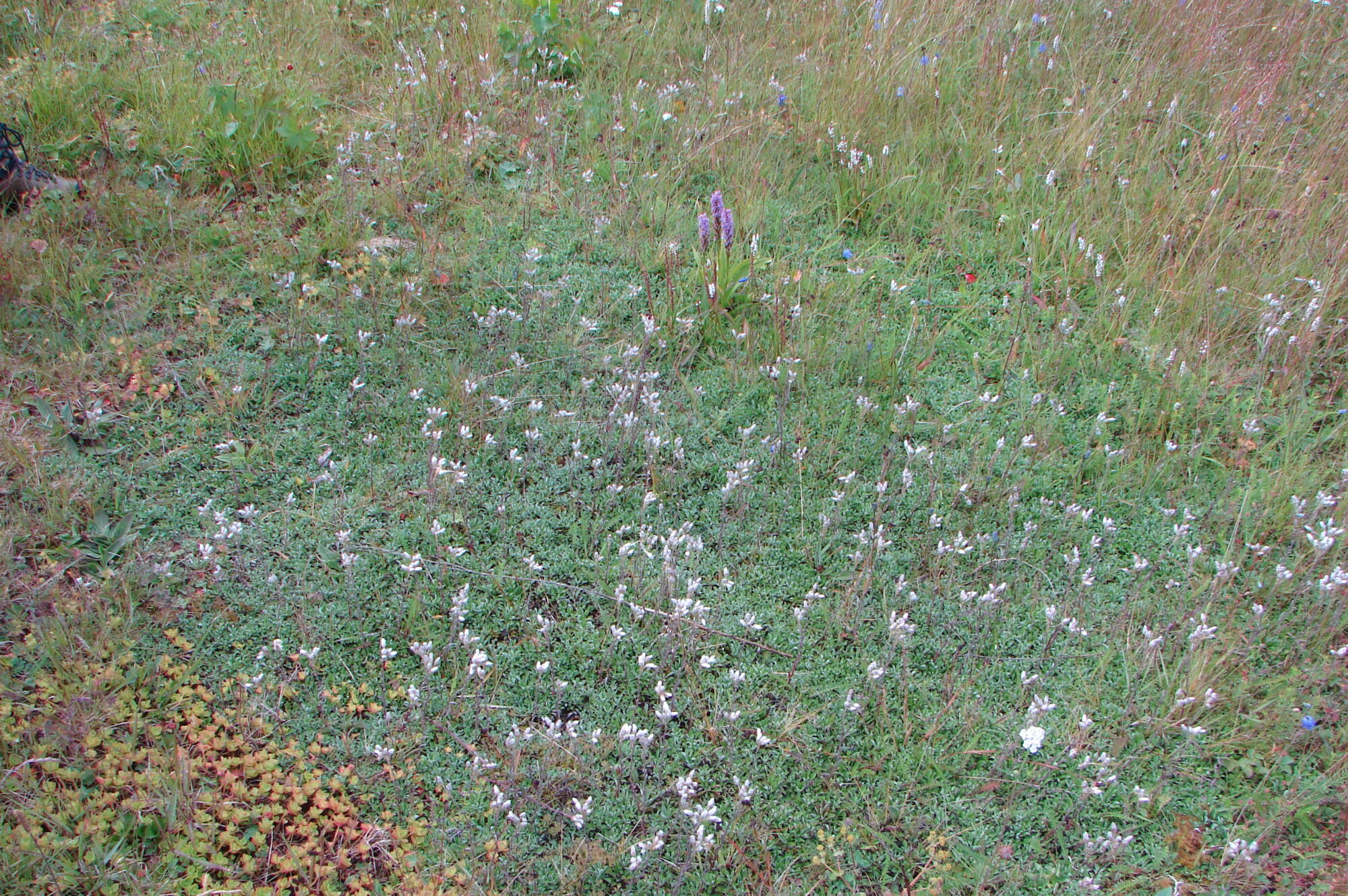
Current knowledge gaps and challenges in restoration science and management calls for better collaboration between relevant sectors. RESTORE brings together experienced researchers, management authorities, hands-on practitioners, private consultants, user groups, and other stakeholders with an interest in restoration of semi-natural habitats in Norway.
RESTORE’s primary objective is to develop evidence-based, novel solutions for restoration of semi-natural habitats. By applying a co-learning and adaptive research approach that involves all project partners, RESTORE will develop new measures and tools to stimulate ecosystem-based restoration in user-friendly and sector relevant ways. Ruralis’s task in Restore is to develop an understanding of what motivates land-owners to participate in restoration schemes.
Project details


External project coordinator
Project number
6630
Project period
01/10/2021 - 01/10/2024
Collaboration partners
NIBIO (prosjekteier), Møreforsking, NTNU, Multiconsult, Miljødirektoratet, SNO, Statsforvalteren i Trøndelag og University of Tartu
Financing
Norges Forskningsråd
Publications
- Report
2024
Contact us
Would you like to get in touch with us?
Fill in the form below and we will answer you as soon as possible.