
Posts by Odd Roger Langørgen
One Project, Many Threads: Bridging Research and Practices
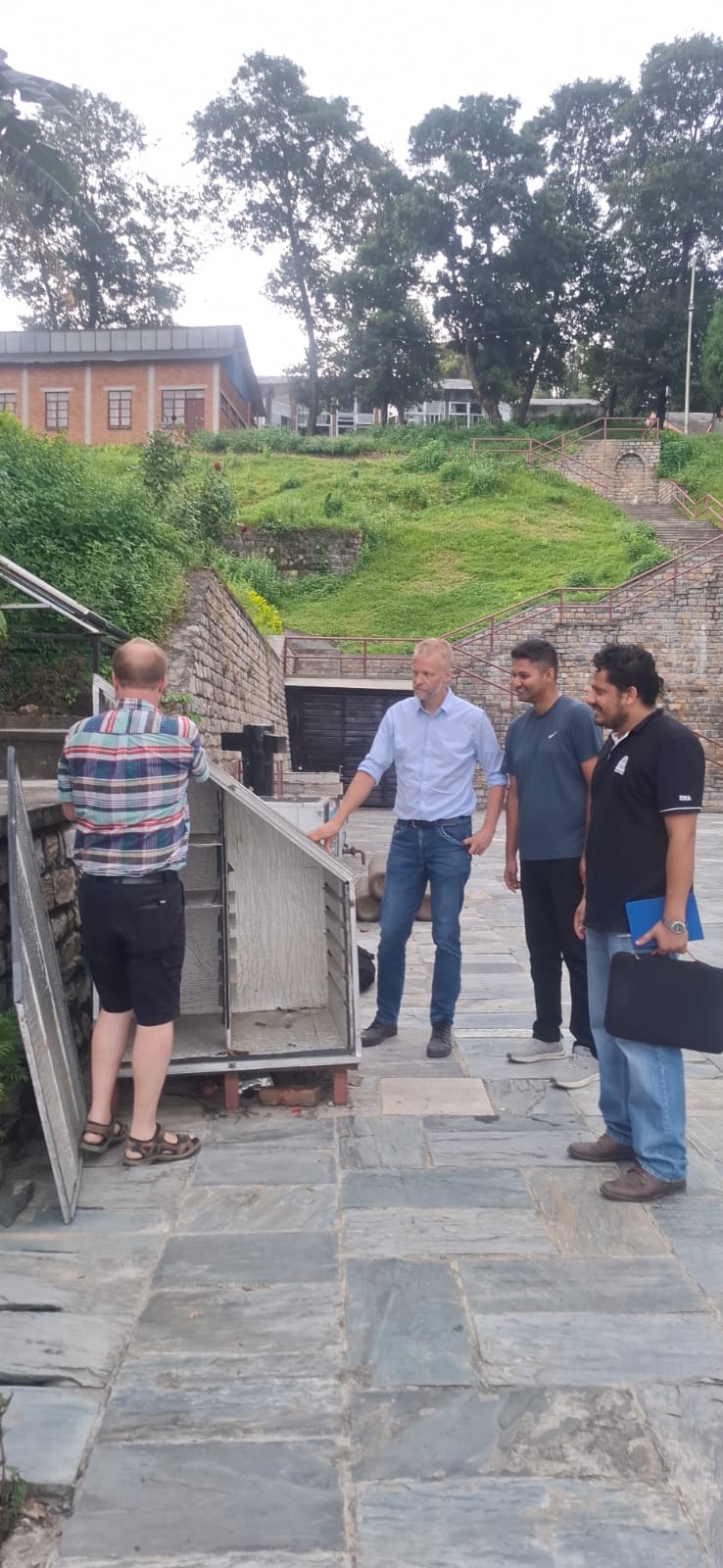
By Dolendra Paudel and Prabhas Baral, PhD students at Kathmandu University The meeting brought together engineers from Lund University, Dr. Henrik Davidsson and Dr. Martin Andersson along with PhD students from Kathmandu University, Prabhas Baral (KU School of Engineering) and Dolendra Paudel (KU School of Management). A key concern was the interdisciplinary collaboration between the…
Read MoreNatalia Mamonova awarded prestigious fellowship to write book on Ukrainian agriculture during war
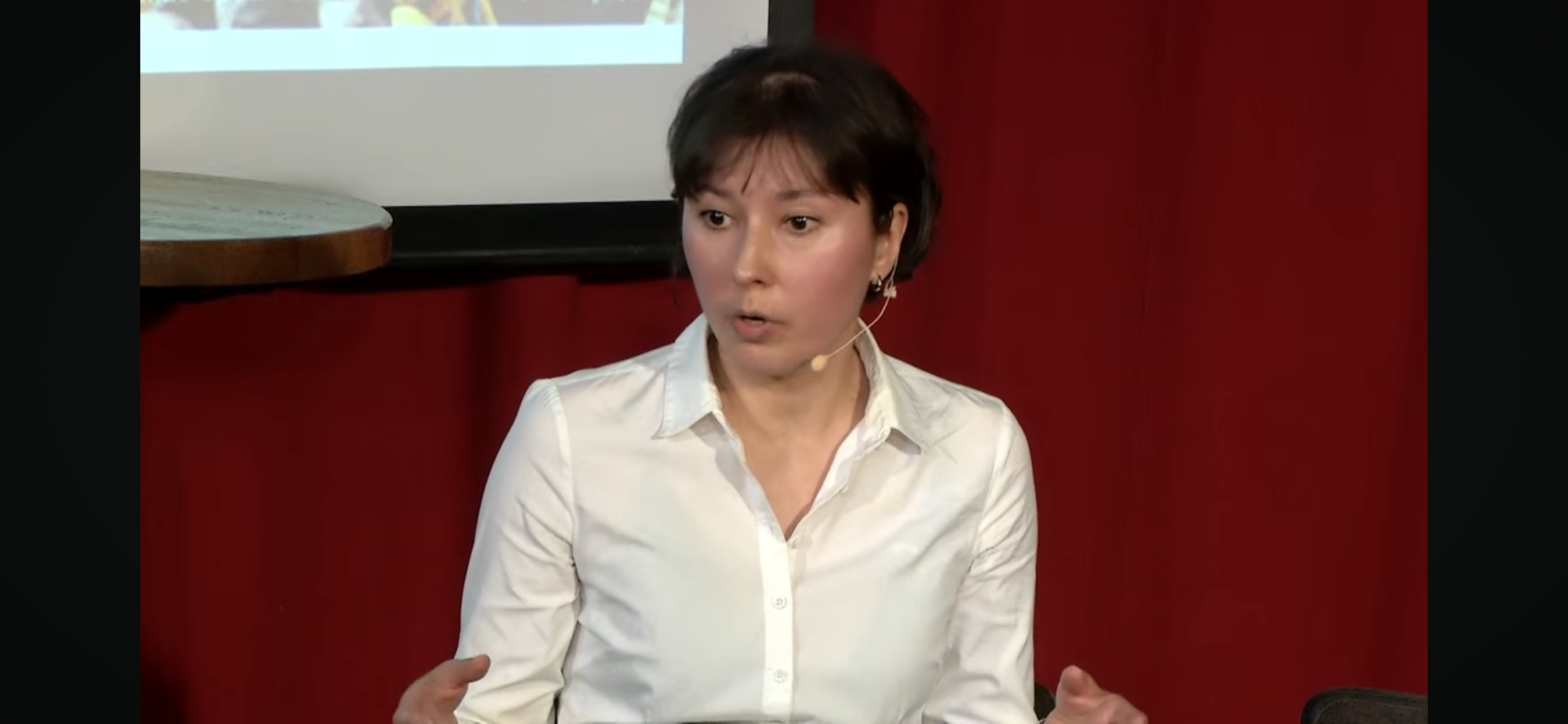
This news article was written by the communications agency Gjete on behalf of Ruralis An internationally recognised fellowship The Swedish Collegium for Advanced Study is one of the most prestigious centres for advanced study. Each year, it selects around 20 outstanding scholars from different disciplines and leading universities around the world. – Wow! I did…
Read MoreFrom Himalayan Fields to the Solar Dryer: Can Sunlight Preserve the Aroma of Nepalese Lemongrass?
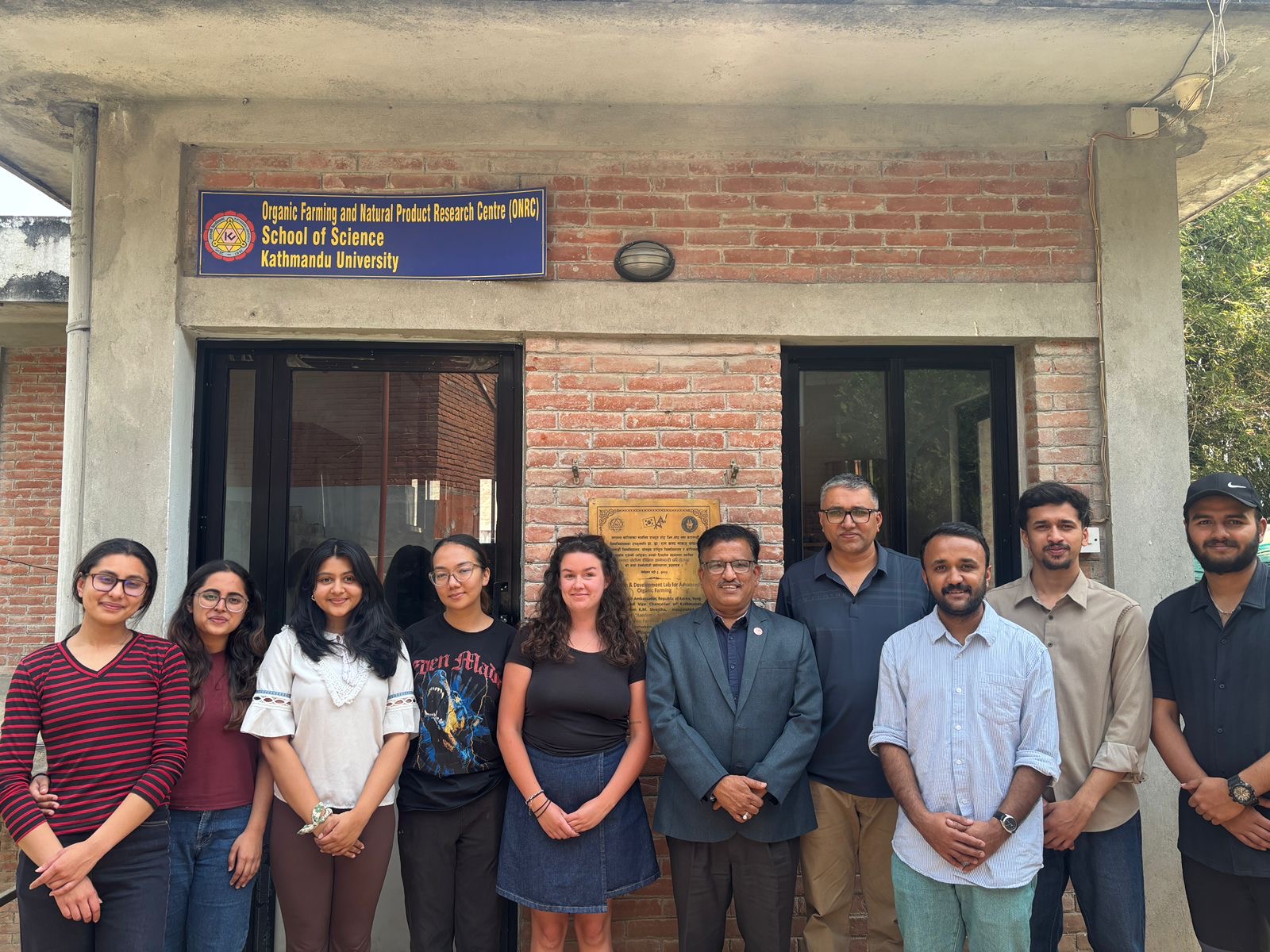
By Mathilda Hultén, Master student in Biotechnology at Lund University. This is the problem Mathilda set out to explore as a part of her master’s thesis, conducted within the SolarFood project in Dhulikel, Nepal — a small town 30 km east of Kathmandu, sitting at 1550 meters above sea level with the Himalayas viable on…
Read MoreRuralis “Rural Reawakening” Team Visits Aberystwyth University
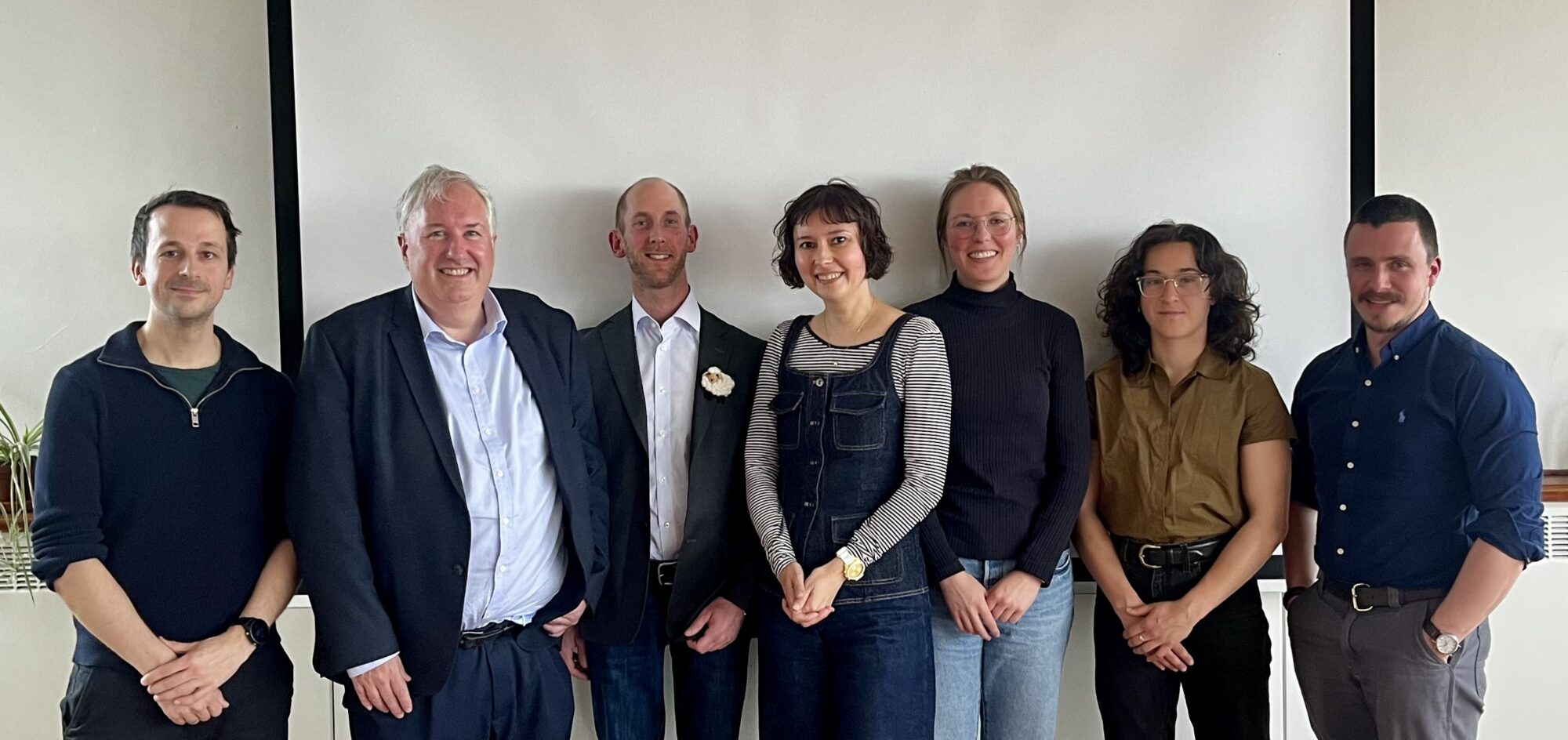
The Rural Reawakening project was led by Natalia Mamonova from 2023 to 2026 and has been extended through a survey-based study led by Alexander Zahl‑Thanem from 2025 onwards. The project examines the causes of rural discontent in Norway, the forms of protest emerging in rural areas, and the political potential for movements comparable to right-wing…
Read MoreHow can new business models strengthen the agri-food sector? What can we lean from international experiences?

Join our workshop on innovative business models in the agri-food sector during the New Business Model Conference in France this summer!: Flyer workshop NBM 2026
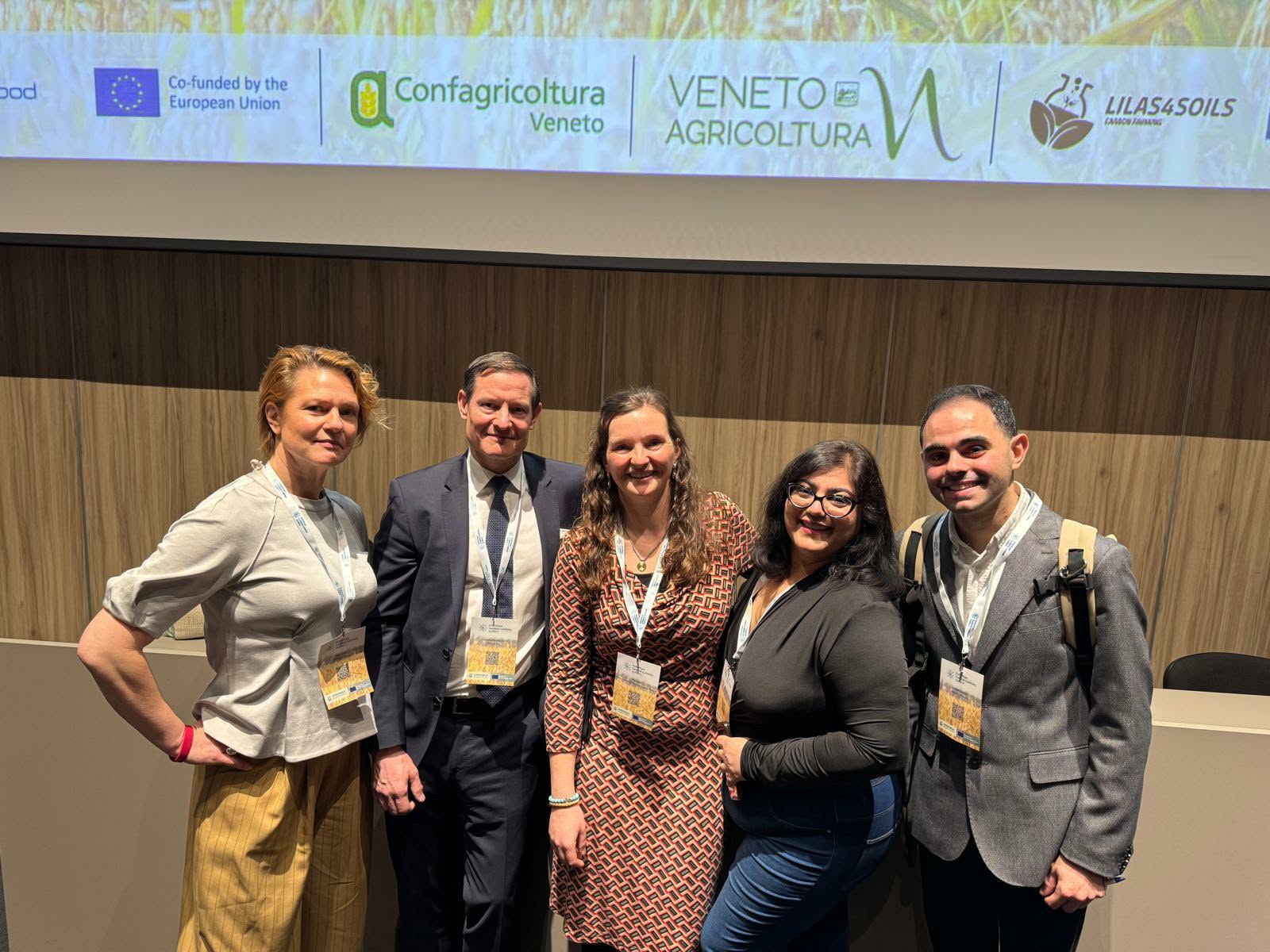
Read MoreDid you miss out on our contribution to the European Carbon Farming Summit 2026?
Who Buys, Who Sells, and What Stands in Between: Fieldnotes from Nepal
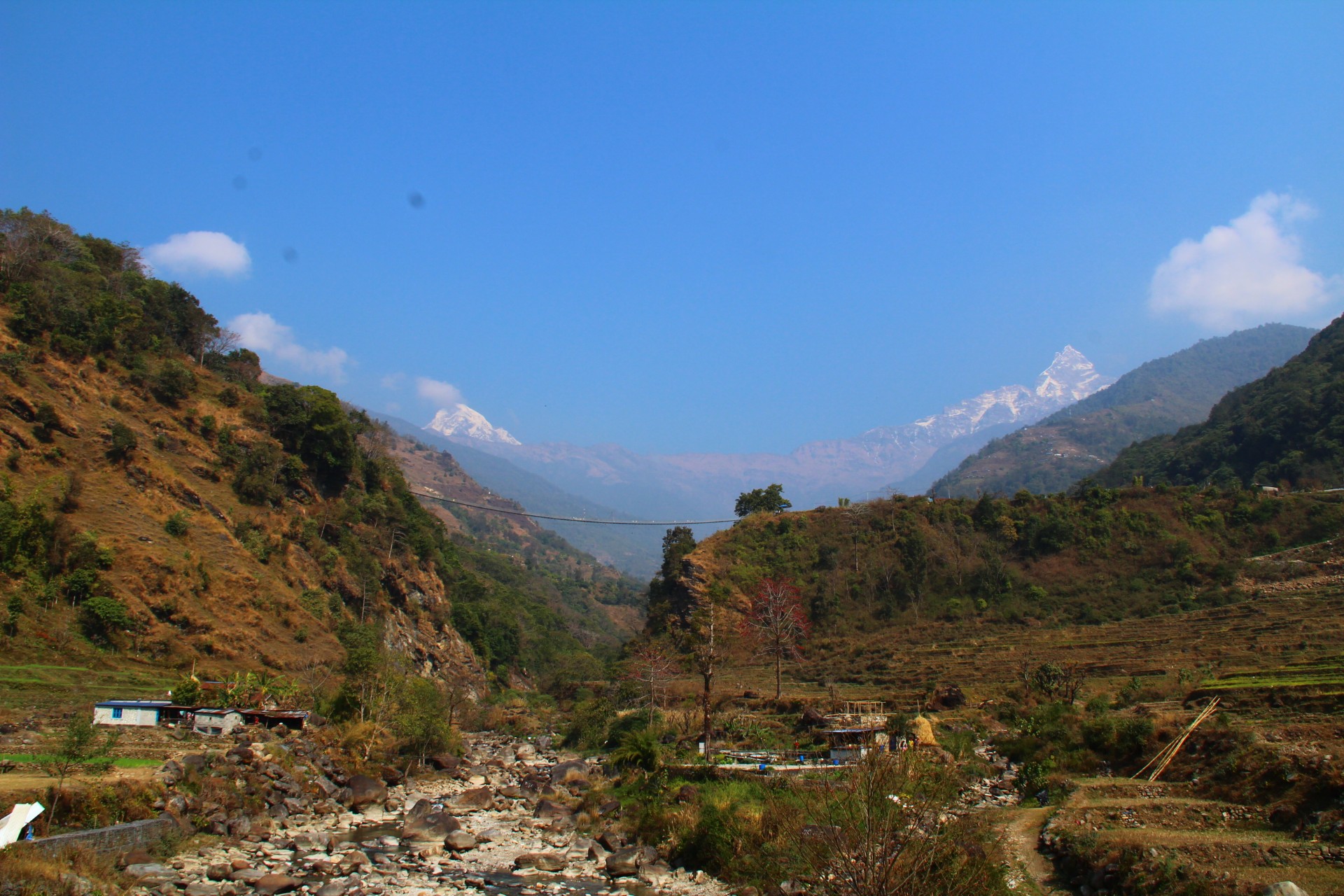
By Gustav Lautmann and Arvid Stider, Master’s students at Lund University In February, we joined SolarFood researchers visiting the Saiti Mardi Kashi Agriculture Cooperative in Quibang, a 100-member cooperative growing ginger, cardamom, turmeric, and a range of vegetables in the hills outside Pokhara. We met with farmer members who have big visions and want to…
Read MoreEaster is here…
Nepalese Himalayan Women Turn Sunlight into Empowerment
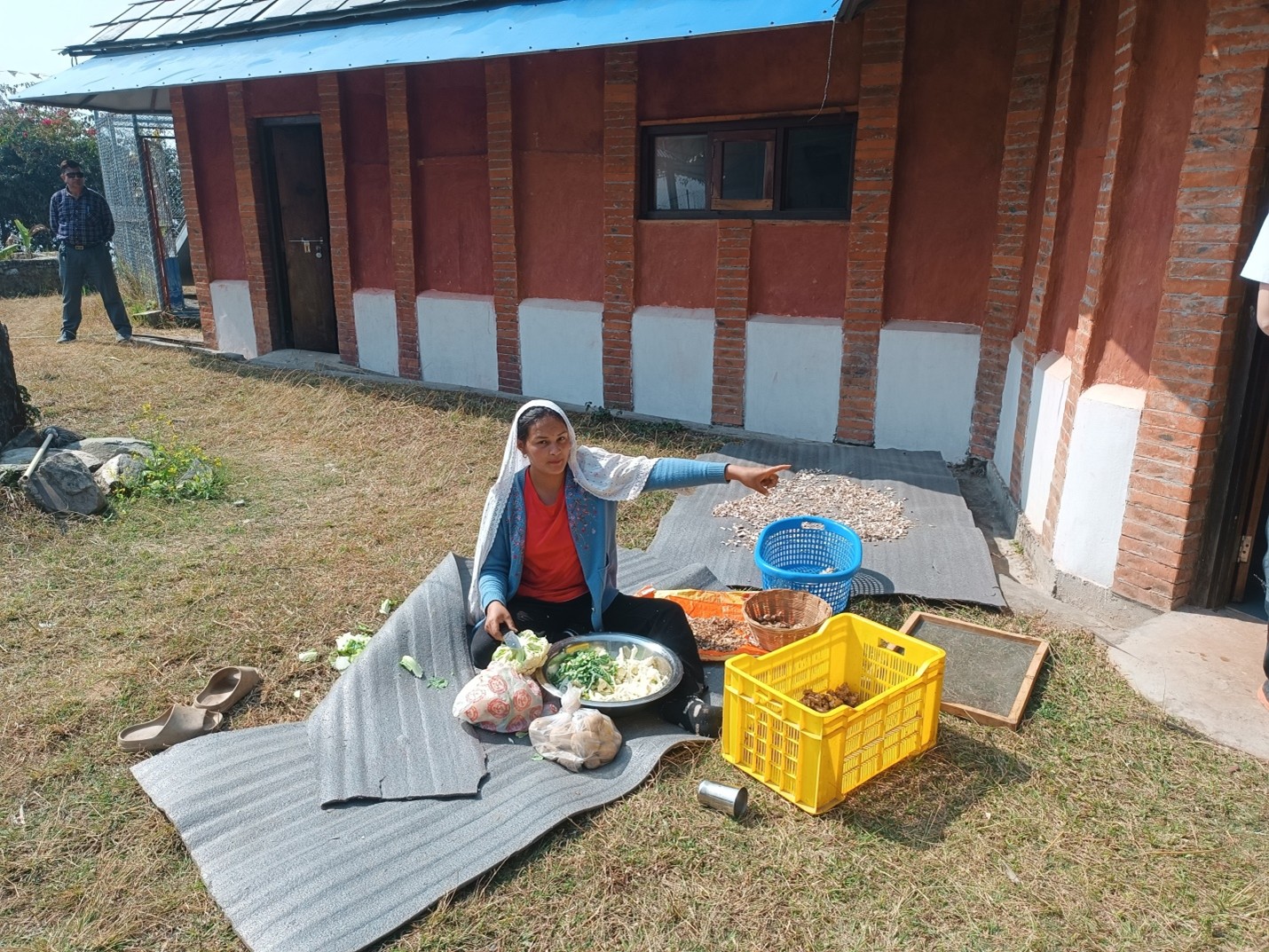
By Dolendra Paudel and Roshee Lamichhane In February, Solar Food researchers visited a women-led agricultural cooperative in Pokhara, Nepal as part of our ongoing research on solar drying, gender and labor analysis, and alternative finance. The visit to the cooperative was an important step in mapping potential case studies where an improved solar drying technology…
Read MoreSolar dryers, gender and alternative finance: field insights from Bhutan
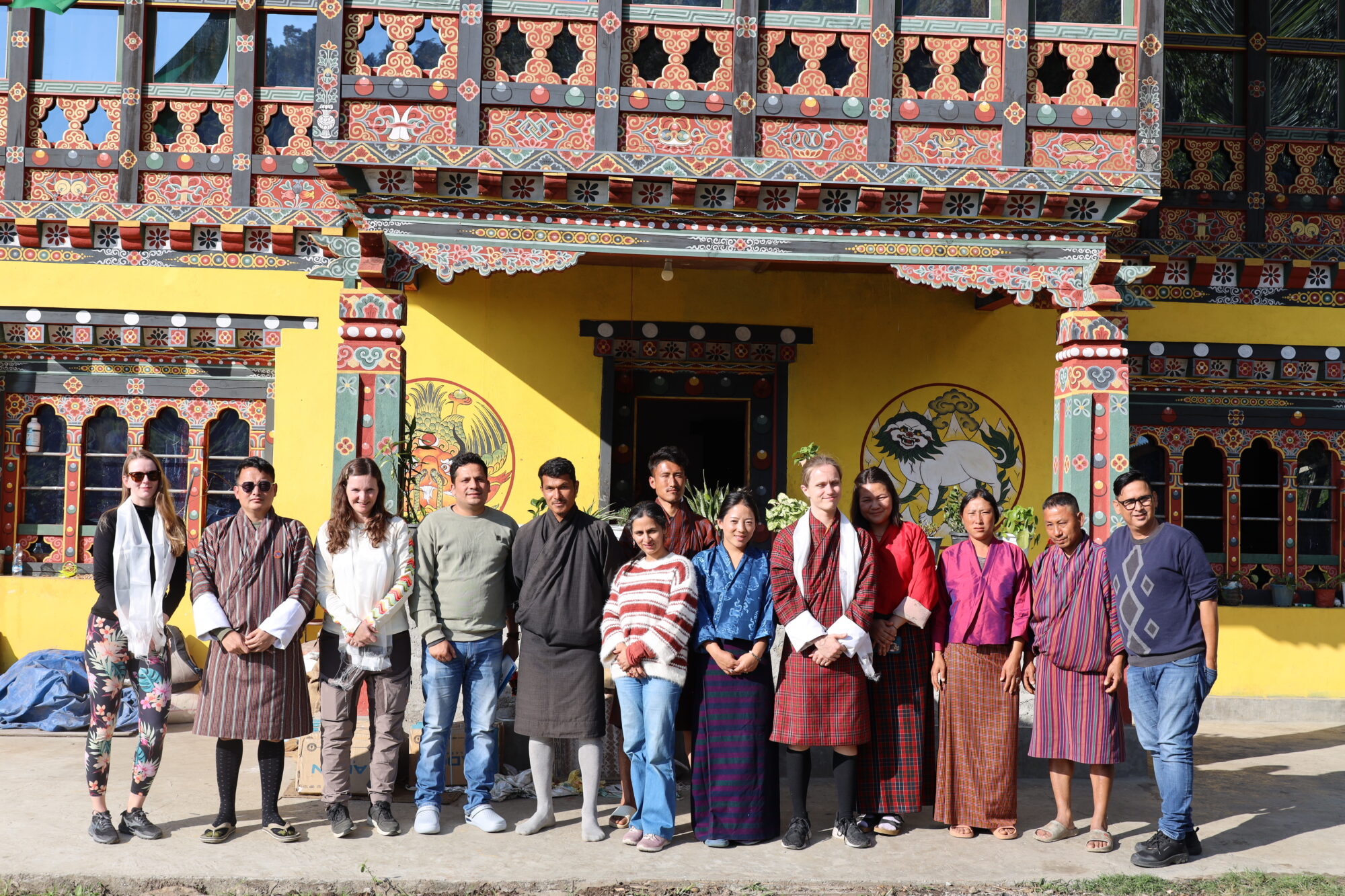
In November 2025, the Solar Food team conducted a two-week fieldwork with several stakeholders in Bhutan. Among these were a women-led agricultural cooperative in the Chukha district, alternative finance providers in Thimpu, and representatives at the Post Harvest Centre in Paro. Women are generally responsible for drying food in Bhutan and Nepal. Yet, they face…
Read MoreThe SolarFood team kickstarts fieldwork in Bhutan and Nepal
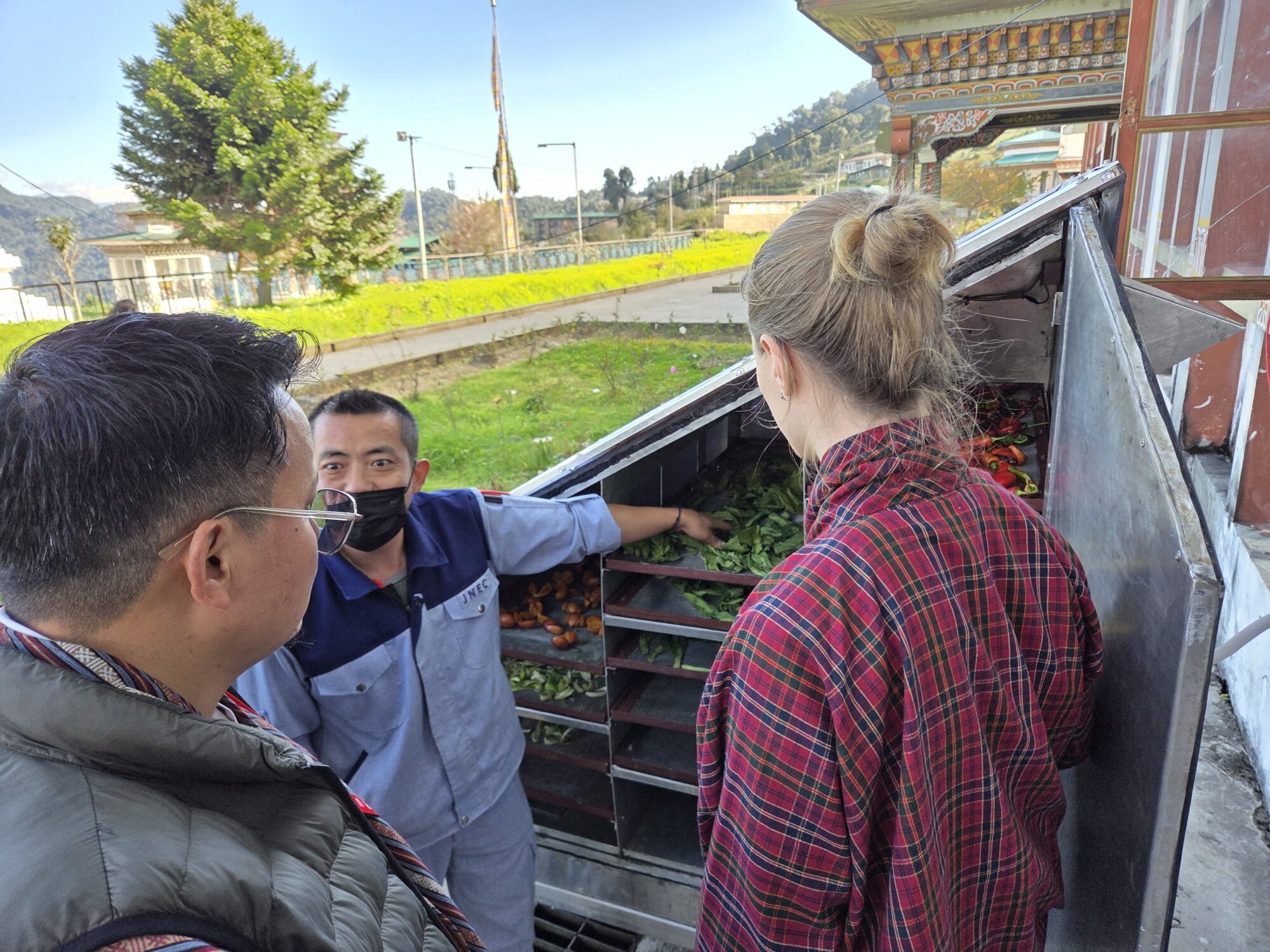
Prof. Pia Otte and Dr. Isabelle Hugøy (both from Ruralis) travelled to Nepal in November where they met with Noah Andreasson, a research assistant and technical representative from Lund University, and technical and social science partners from Kathmandu University (KU), including Prof. Bivek Baral, Assistant Prof. Roshee Lamichhane, and the newly employed PhD candidate Dolendra…
Read MoreFarmers’ Protests in Central and Eastern Europe: Unpacking the Impact of Ukrainian Grain Flows
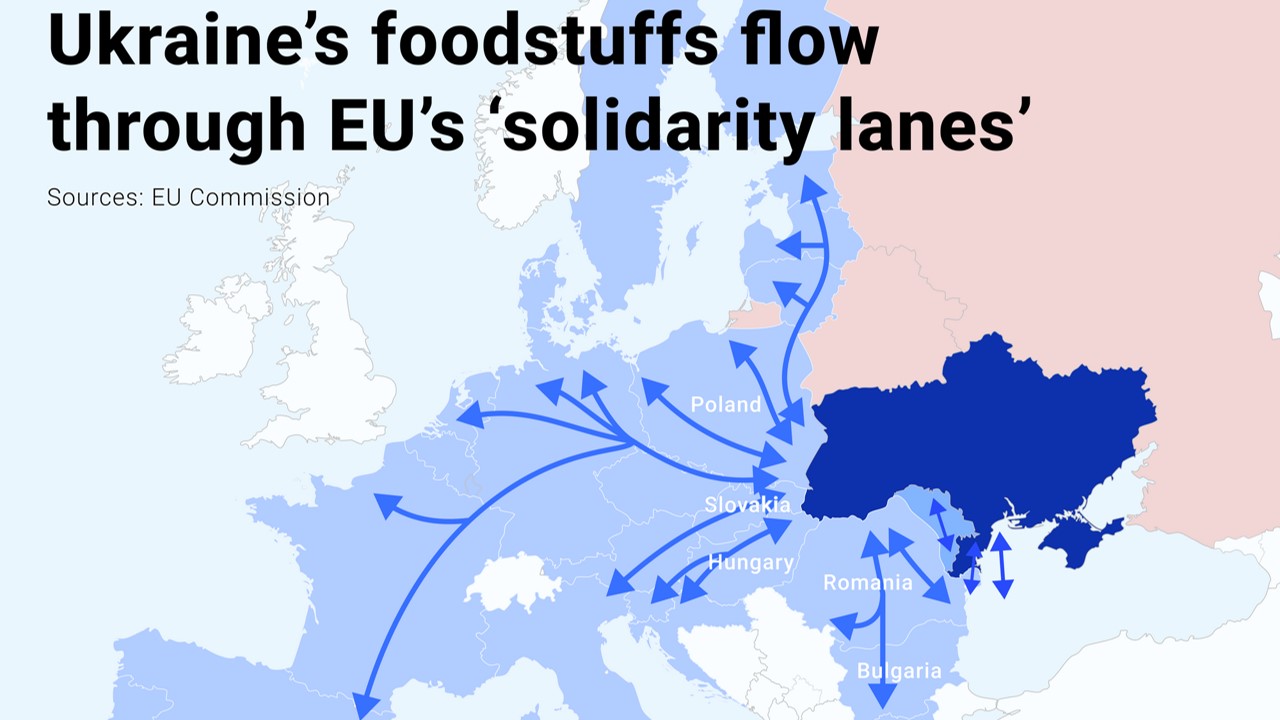
The 2023 to 2025 farmers’ protests across Central and Eastern Europe, sparked by the rerouting of Ukrainian grain after Russia’s invasion, drew significant attention both nationally and in the EU. Public debate largely revolved around three competing assumptions: That the protests lacked economic justification; That they were politically driven or manipulated, or That they undermined…
Read MoreHighlights from the Tanzania Workshop and Fieldwork
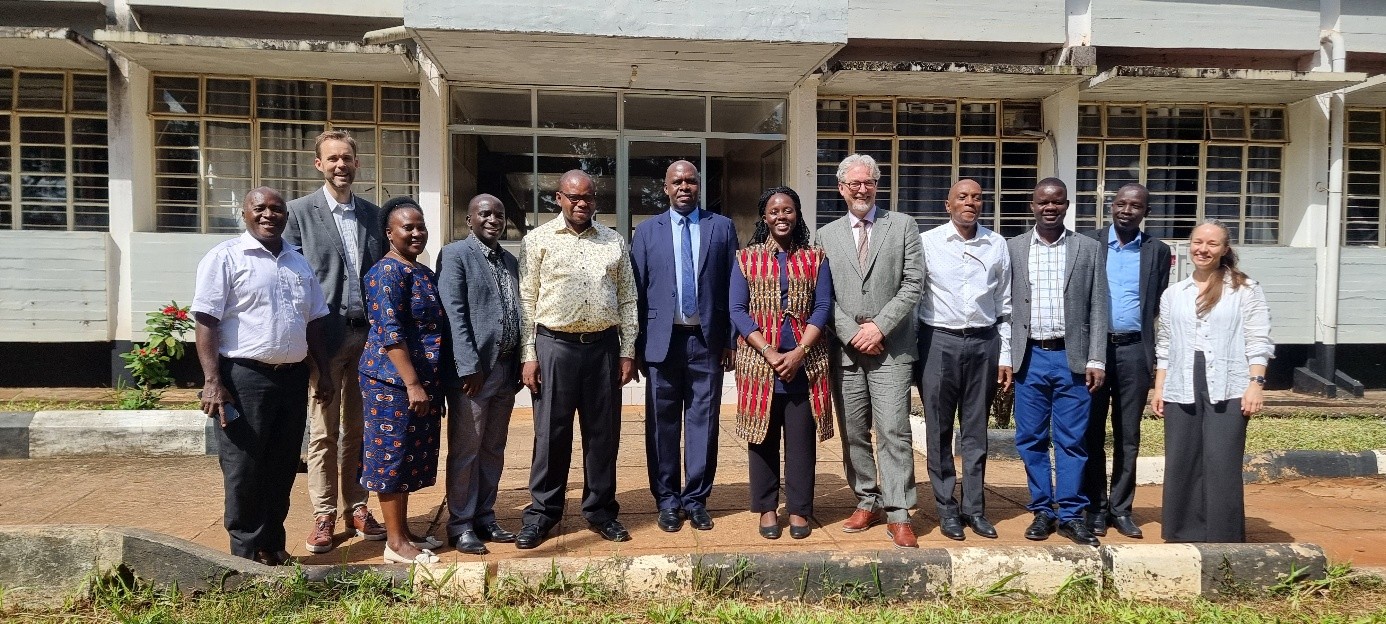
Date: 26th – 30th May 2025 Place: Sokoine University of Agriculture, Morogoro, Tanzania. Workshop participants Project Team, government officials, and representatives from organisations working with or around refugee-hosting communities in Tanzania. Additionally, the workshop was also graced by the SUA Administration team, namely Dr Mabebe Ntumva, Head of the Department of Agricultural Extension and Community…
Read MoreStrengthening Solar Dryer Innovation Through International Student and Researcher Exchange
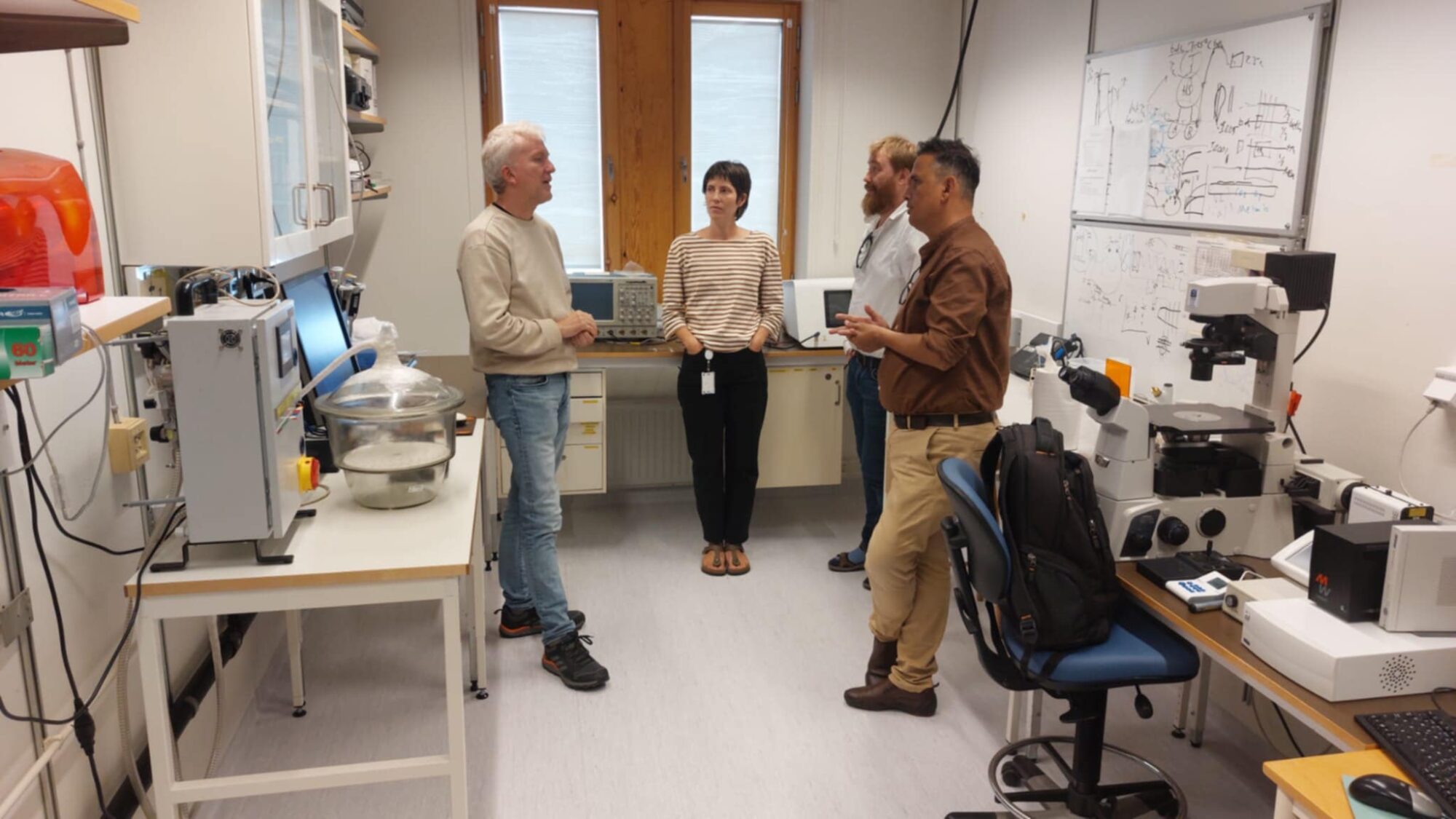
Work package 4 in the project is concerned with the technical development of the solar dryers and is led by Lund University. The technology developed in Solar Food is based on a prototype developed in a previous solar food project led by Lund University. The unique contribution of this solar dryer is that it uses…
Read MoreThe Coastal Horizon Europe Research and Innovation project EmpowerUs has come to an end!
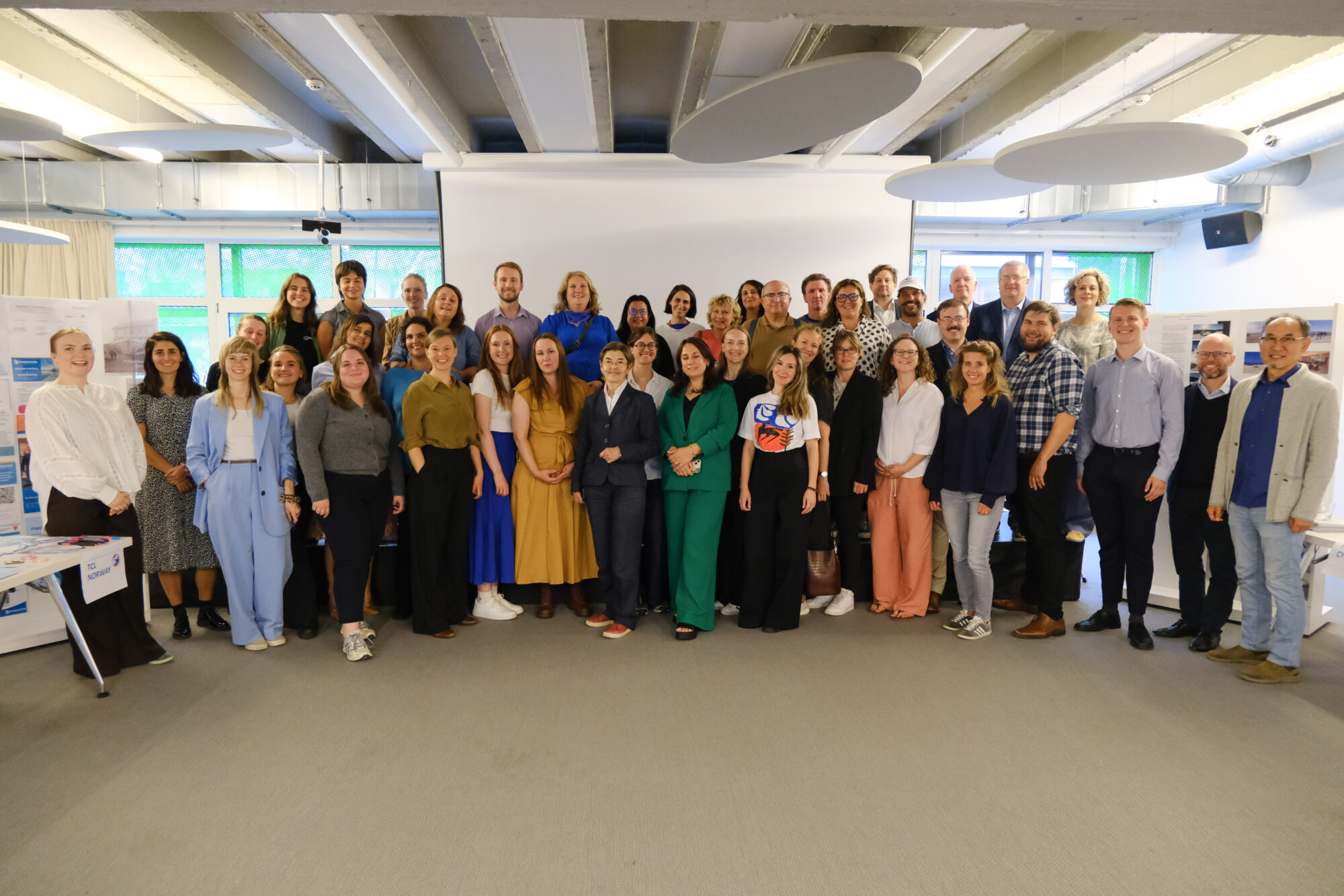
The project has focused on supporting six “Transition Coastal Labs” in Burgas (Bulgaria), Åland (Finland), Eastern Limassol (Cyprus), Connemara and the Aran Islands (Ireland), Træna (Norway) and Cap de Creus (Spain). Together with these local communities, research communities and local organisations have co- developed and implemented pilot projects that have sought to redirect the Blue…
Read MoreReport from Iceland, Karbonmat
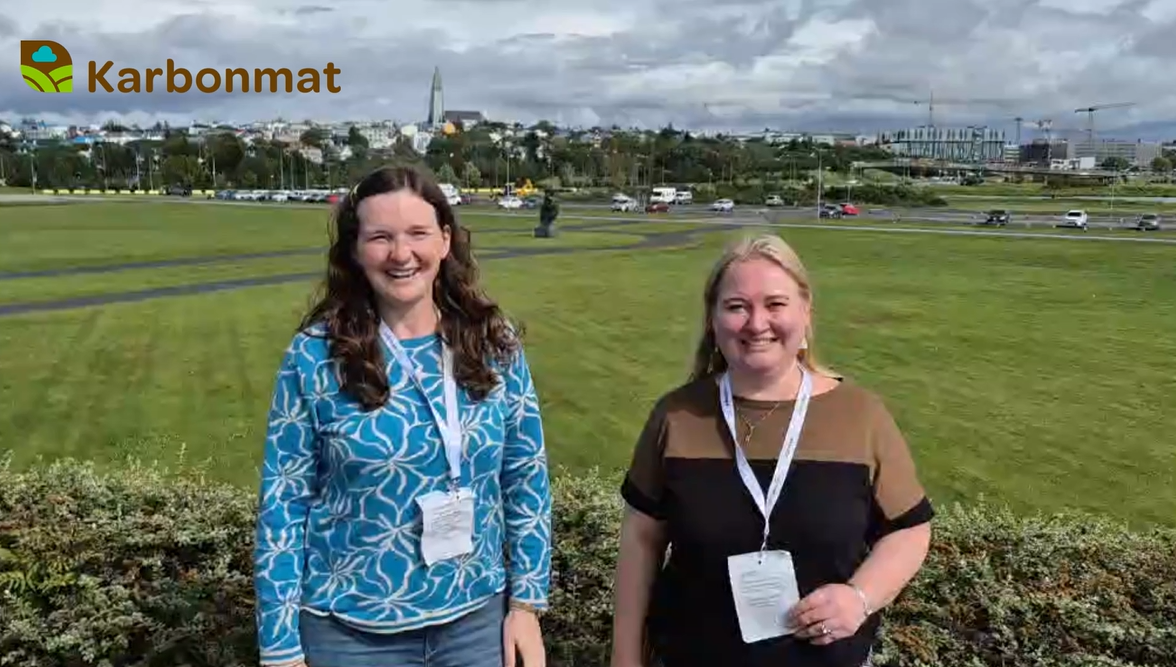
They are looking forward to presenting the findings from Karbonmat at the next NBM conference in Toulouse in 2026. 👏
Read MoreSolarFood Kicks Off in Nepal – Aiming to Empower Women in the Himalayan Region
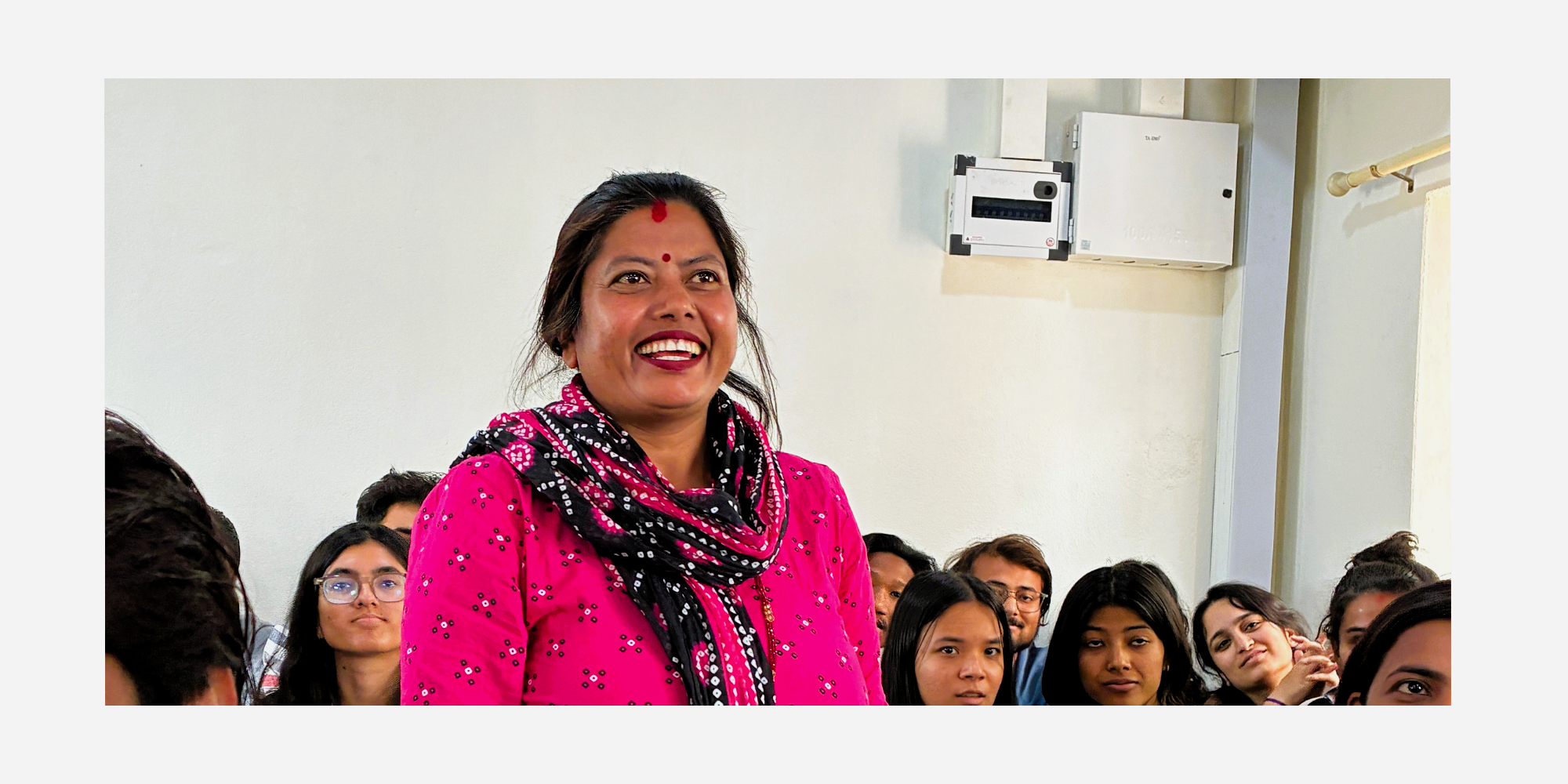
SolarFood aims to develop business models for solar-dried fruit initiatives in Bhutan and Nepal. These countries experience significant post-harvest losses due to limited food preservation techniques and inadequate storage infrastructure. Solar drying is a good option. Small-scale farmers already use solar drying to preserve food but traditional methods – which involve drying crops directly in…
Read MoreKarbonmat on fieldwork in Belgium and the Netherlands
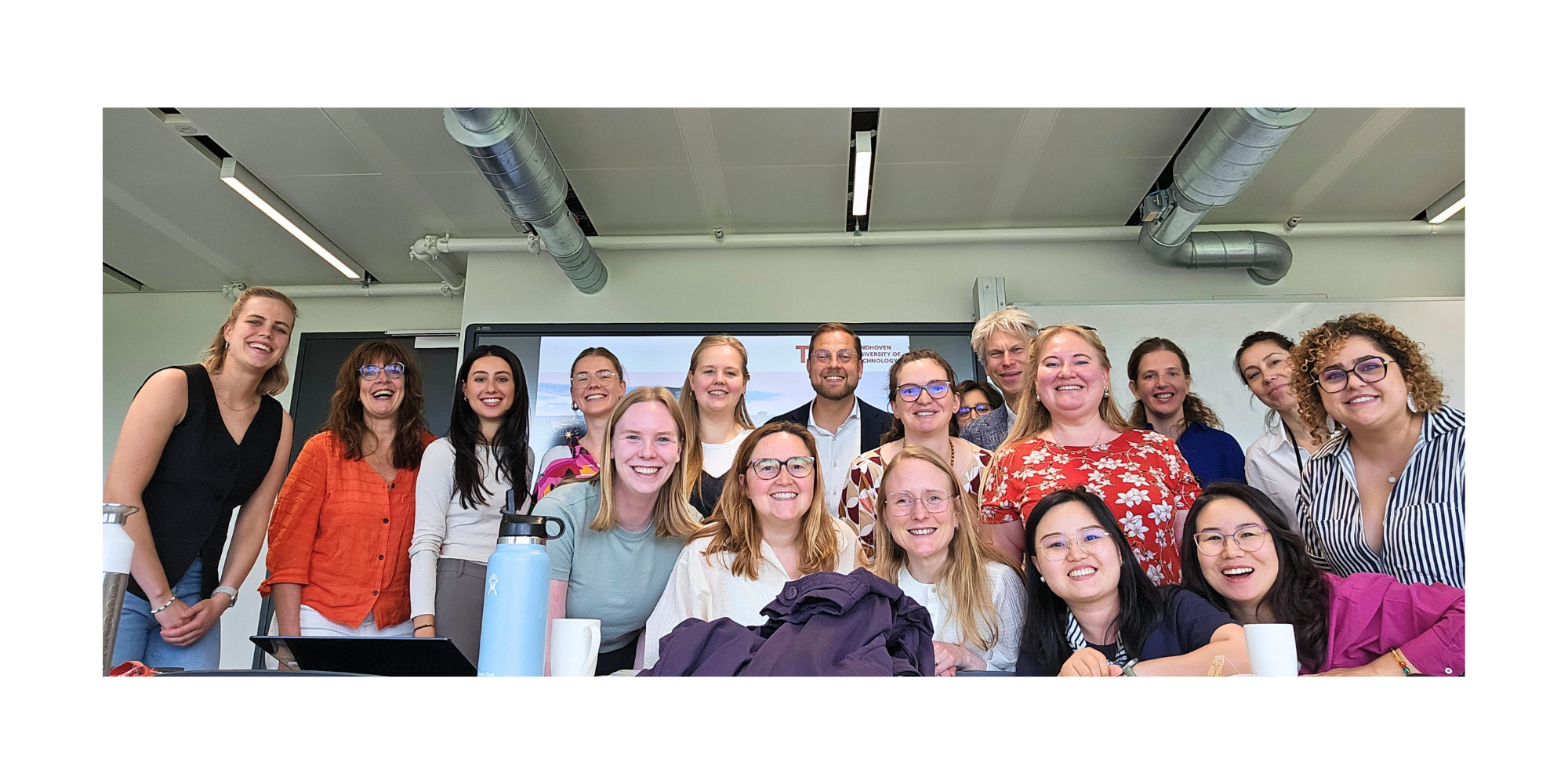
Carbon sequestration is an important topic at the EU level and three new rules have been recently adopted that the team is studying now to investigate the impact of these rules on carbon farming projects. The three rules include the Directive on Soil Monitoring and Resilience, the Carbon Removals and Carbon Farming (CRCF) Regulation, and…
Read More