
News
Validating developed business model concepts
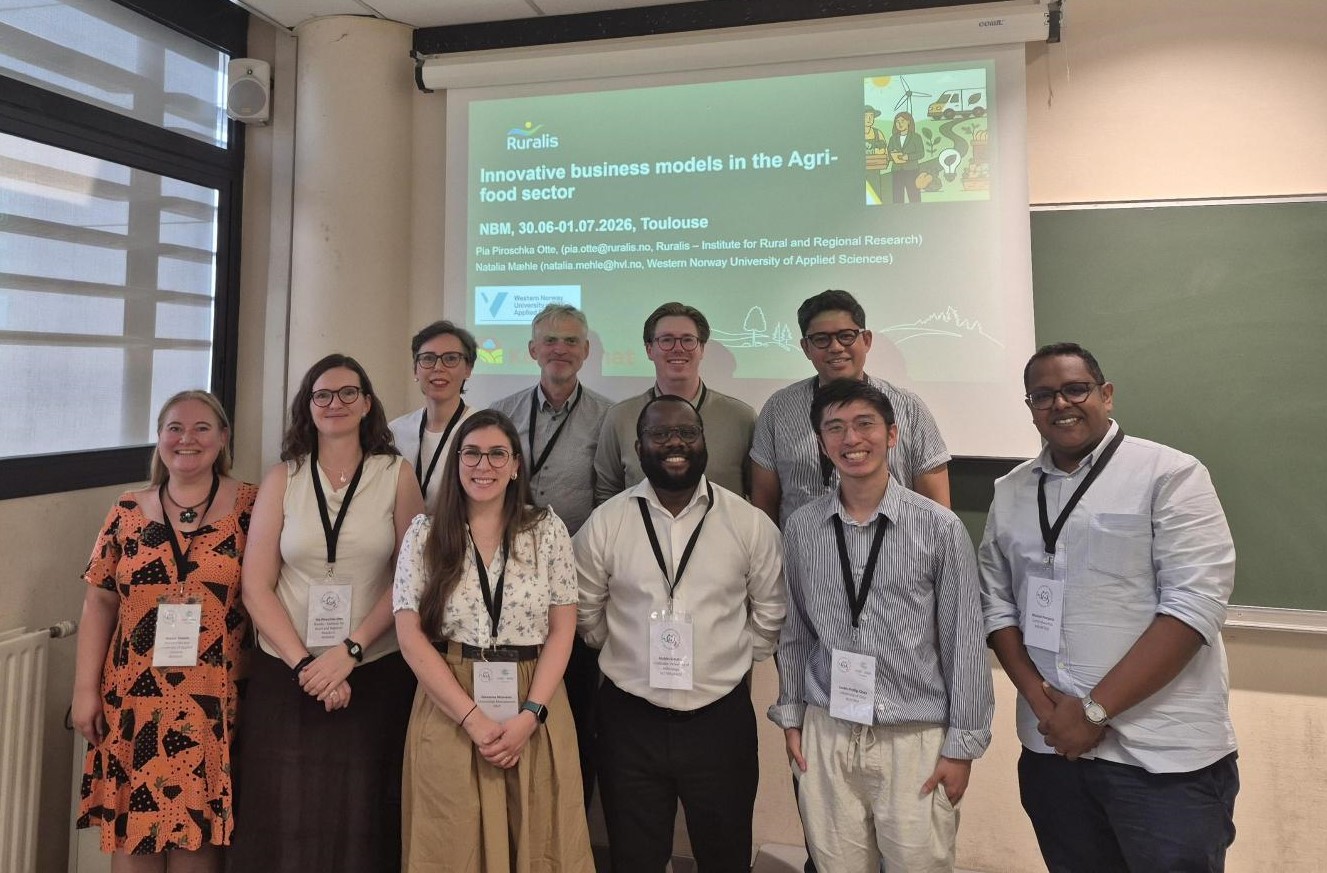
The NBM is an annual international conference that gathers business model researchers from all over the world. Professor Natalia Mæhle and Research Professor Pia Piroschka Otte used this opportunity to validate developed business model concepts in Karbonmat with international business model scholars. The researchers arranged a workshop entitled “Innovative business models in the agrifood sector”.…
Read MoreFrom Himalayan Fields to the Solar Dryer: Can Sunlight Preserve the Aroma of Nepalese Lemongrass?
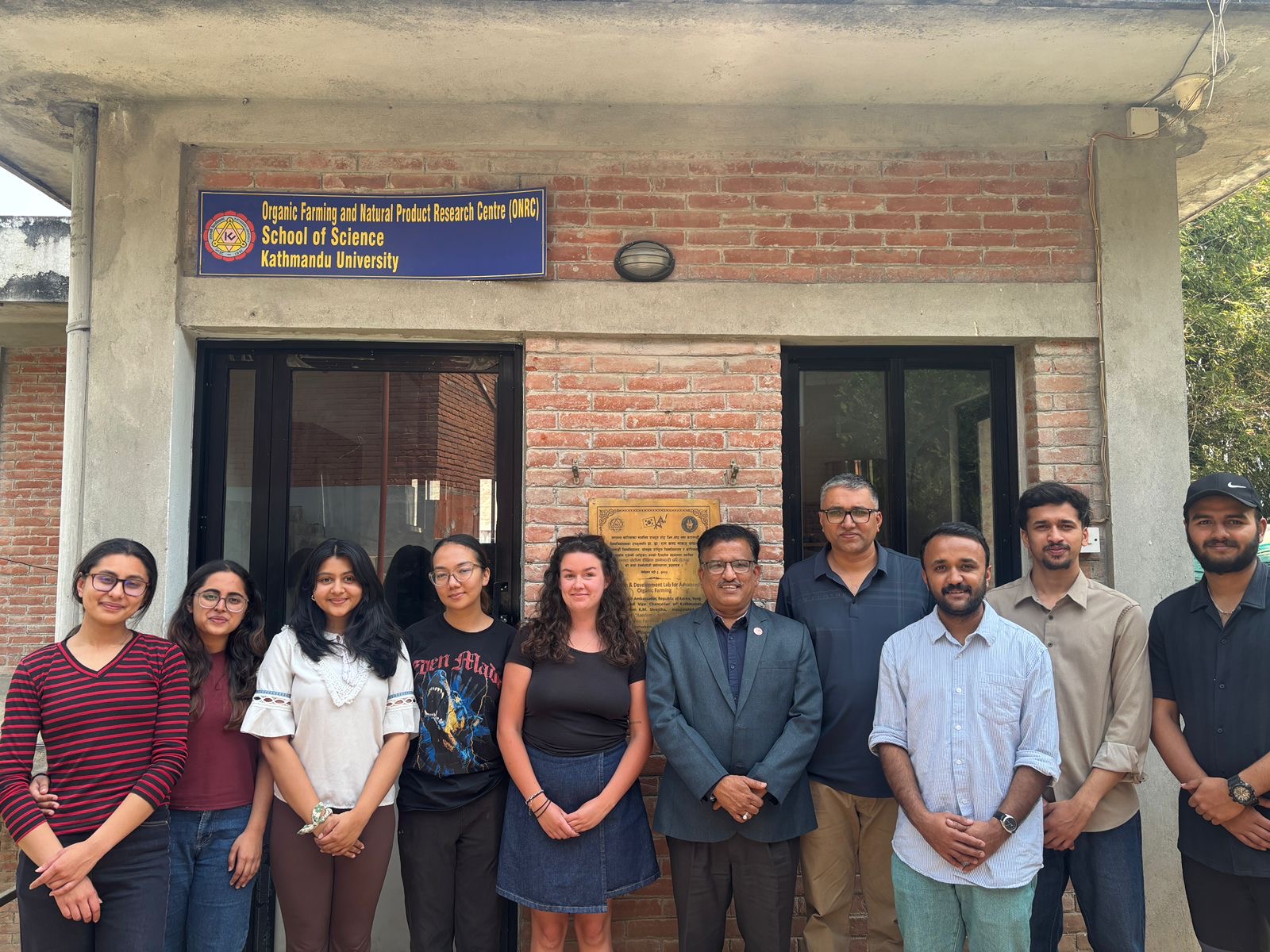
By Mathilda Hultén, Master student in Biotechnology at Lund University. This is the problem Mathilda set out to explore as a part of her master’s thesis, conducted within the SolarFood project in Dhulikel, Nepal — a small town 30 km east of Kathmandu, sitting at 1550 meters above sea level with the Himalayas viable on…
Read MoreHow can new business models strengthen the agri-food sector? What can we lean from international experiences?
Join our workshop on innovative business models in the agri-food sector during the New Business Model Conference in France this summer!: Flyer workshop NBM 2026
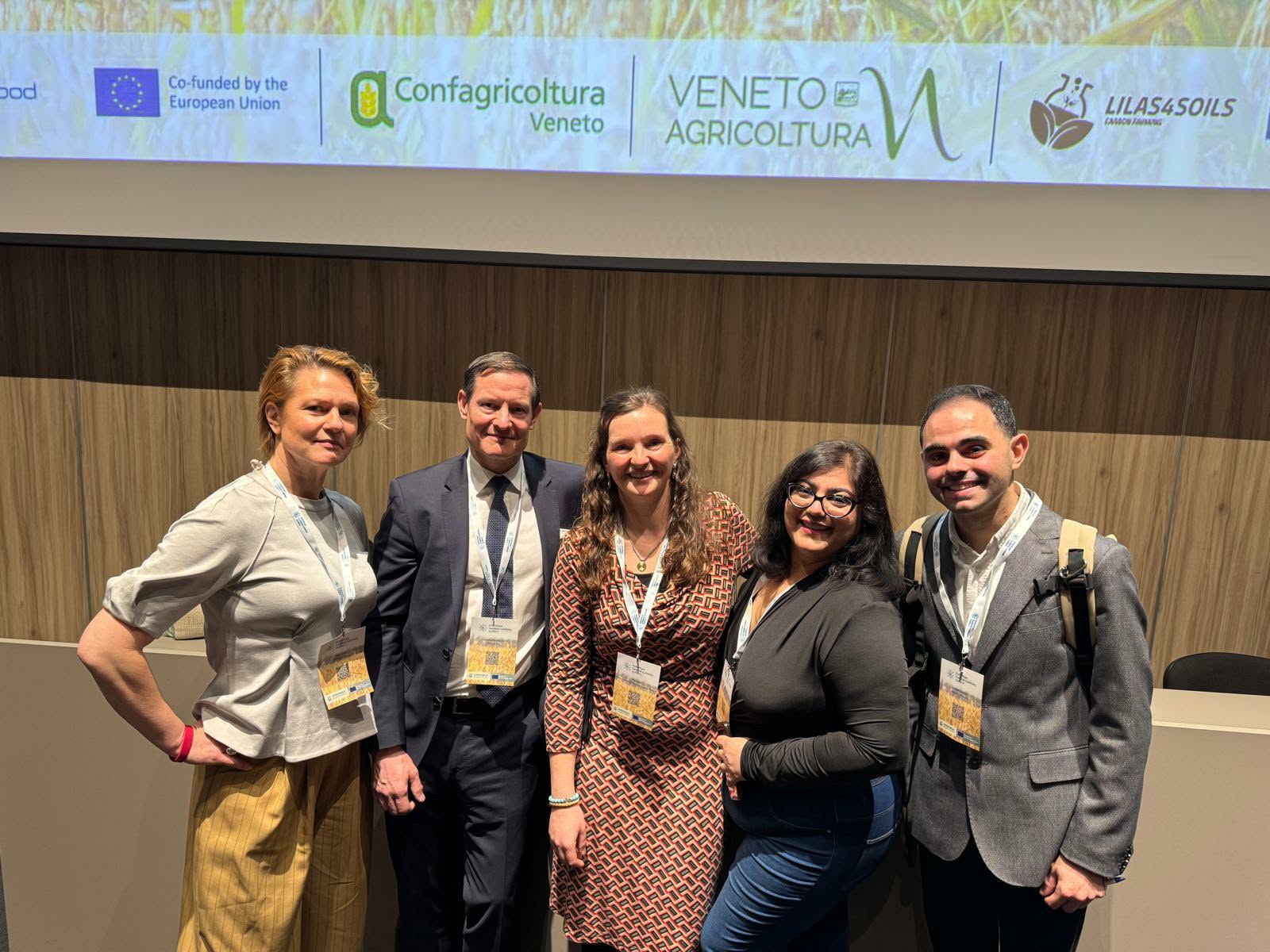
Read MoreDid you miss out on our contribution to the European Carbon Farming Summit 2026?
Who Buys, Who Sells, and What Stands in Between: Fieldnotes from Nepal
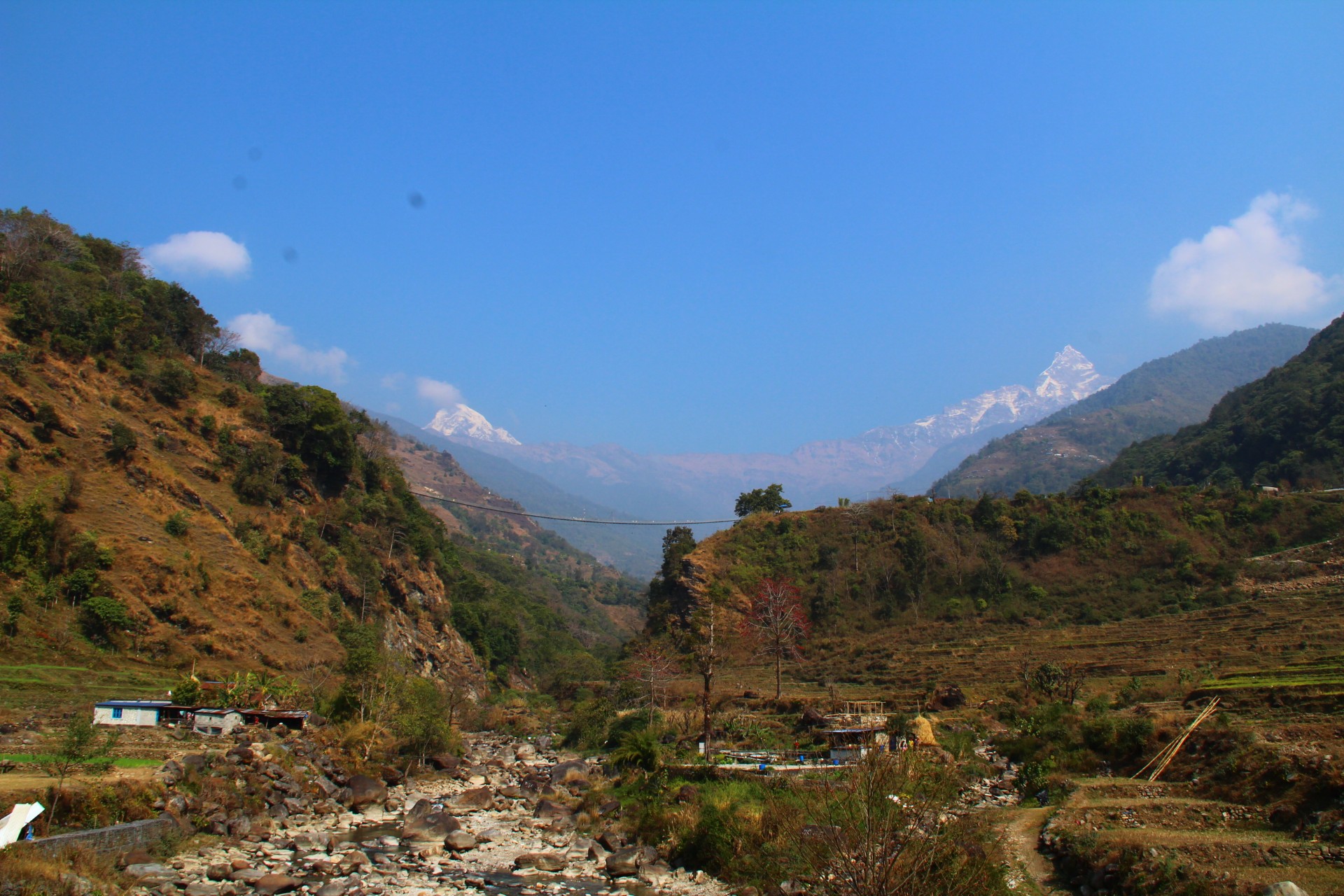
By Gustav Lautmann and Arvid Stider, Master’s students at Lund University In February, we joined SolarFood researchers visiting the Saiti Mardi Kashi Agriculture Cooperative in Quibang, a 100-member cooperative growing ginger, cardamom, turmeric, and a range of vegetables in the hills outside Pokhara. We met with farmer members who have big visions and want to…
Read MoreEaster is here…
Nepalese Himalayan Women Turn Sunlight into Empowerment
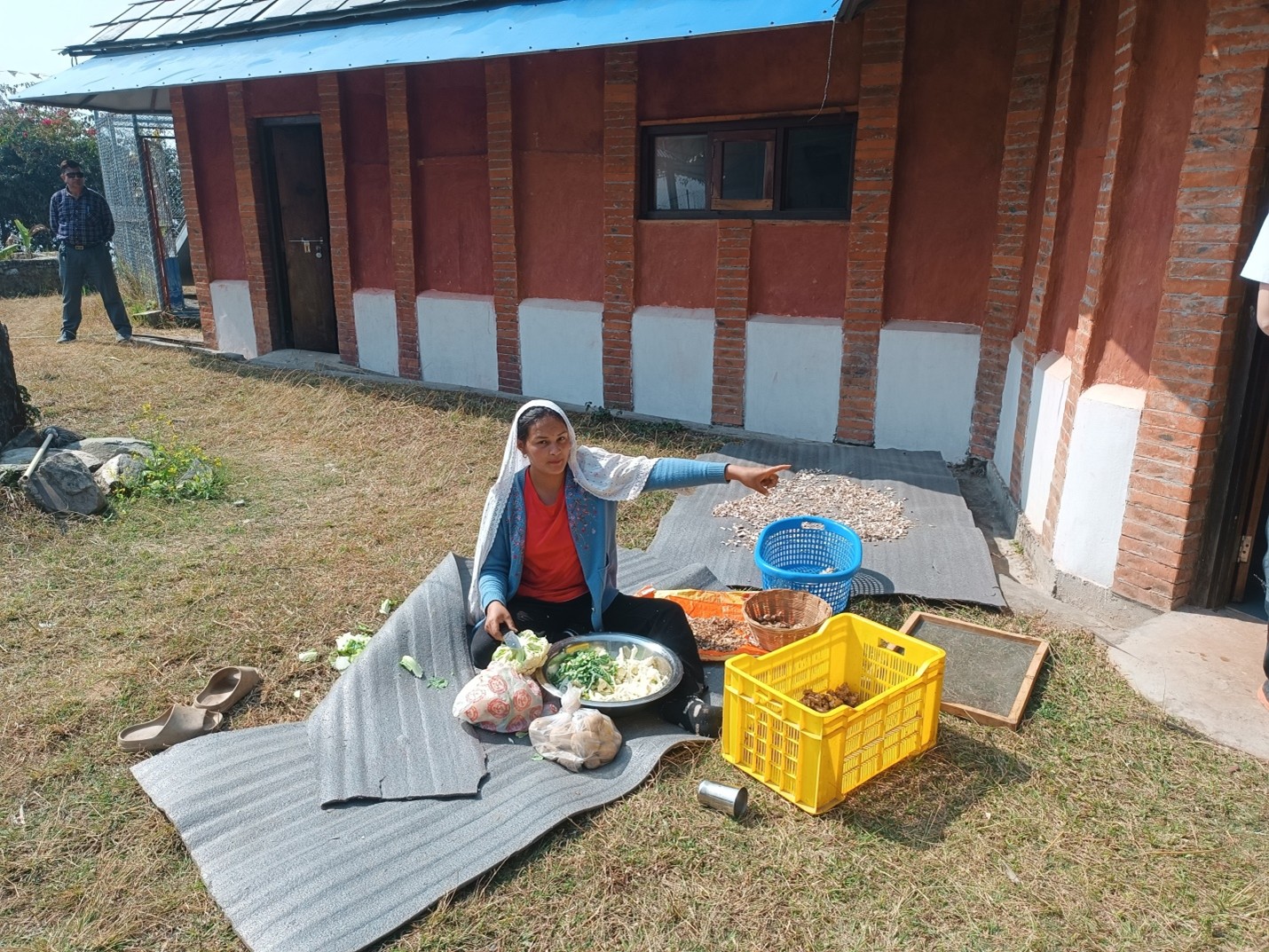
By Dolendra Paudel and Roshee Lamichhane In February, Solar Food researchers visited a women-led agricultural cooperative in Pokhara, Nepal as part of our ongoing research on solar drying, gender and labor analysis, and alternative finance. The visit to the cooperative was an important step in mapping potential case studies where an improved solar drying technology…
Read MoreRuralis Participates in Launch of New Nordic–Baltic Food Systems Research Project
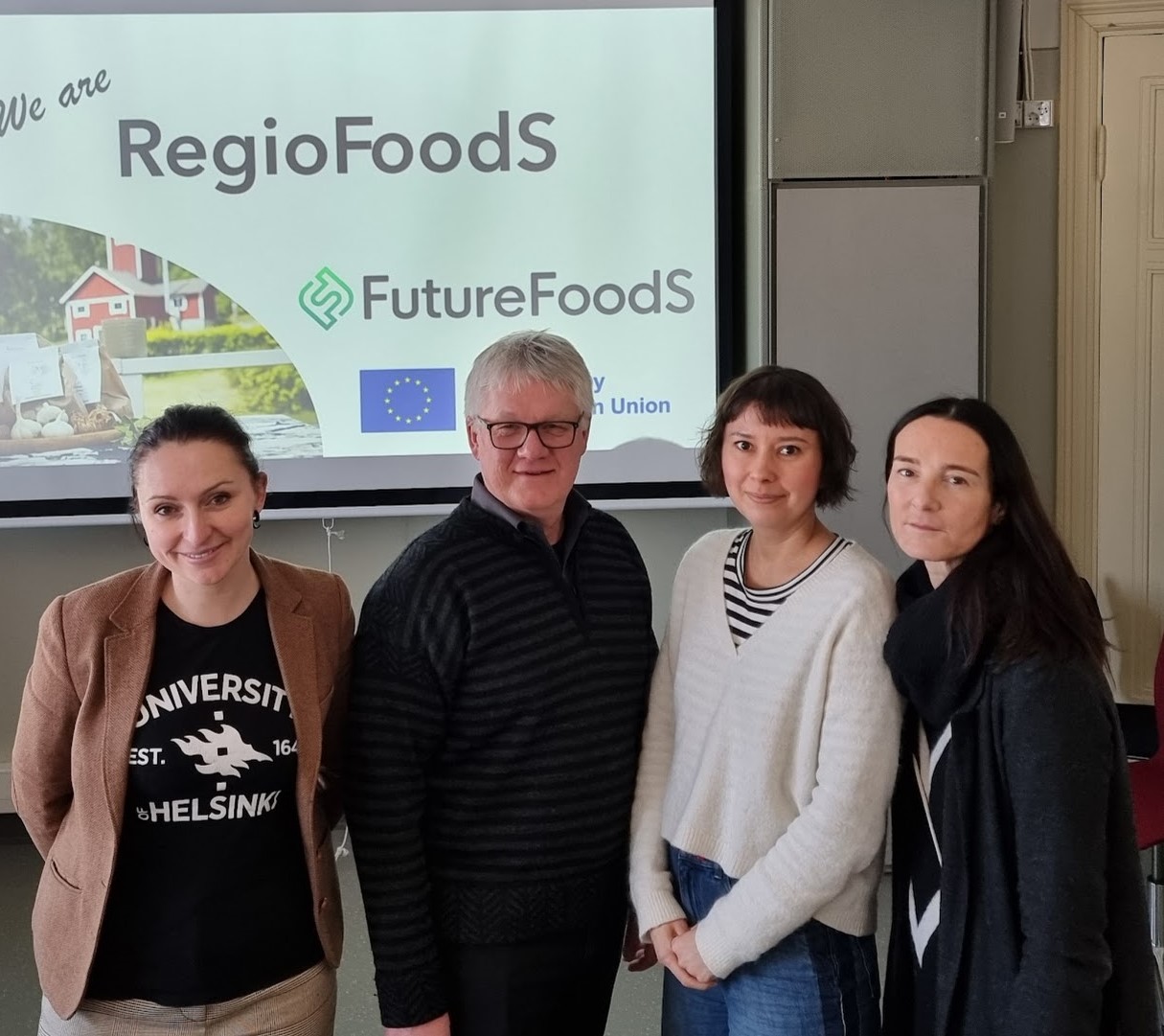
The project officially kicked off at the University of Helsinki on 18–19 February 2026, bringing together researchers and stakeholders from across the region. The President of the Nordic Council Ville Väyrynen gave his reflections on resilience and sustainability in the Nordic region. RegioFoodS is a 36‑month transnational research project aimed at strengthening sustainable and resilient…
Read MoreThe Karbonmat team presents first findings in Trondheim
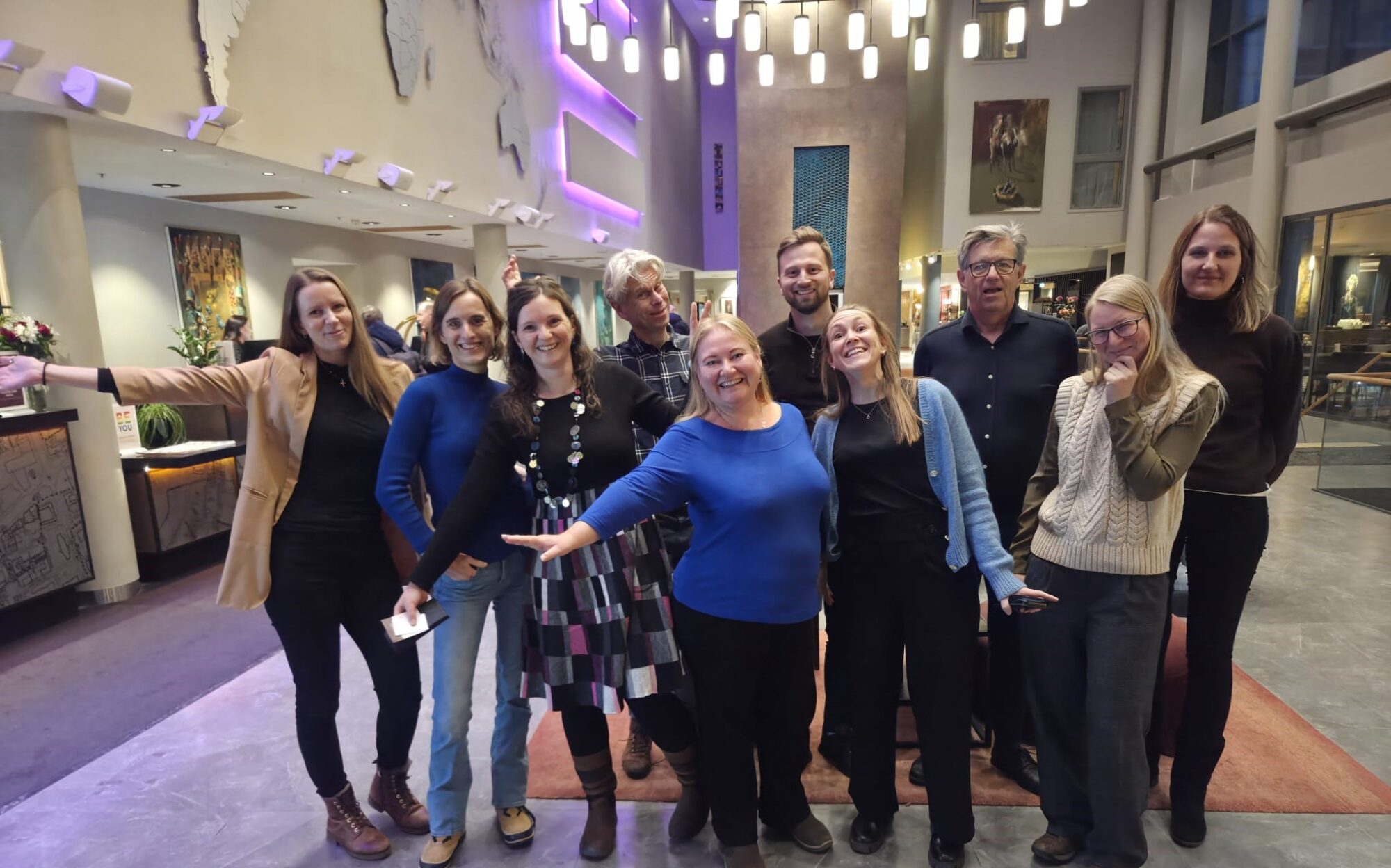
During the project meeting, the Karbonmat project team discussed new developments in the field of soil health, carbon farming, and carbon/nature credits both nationally and internationally – particularly in the European Union. All attendees presented the progress of their respective work packages. It became apparent that the researchers had come far in terms of data…
Read MoreSolar dryers, gender and alternative finance: field insights from Bhutan
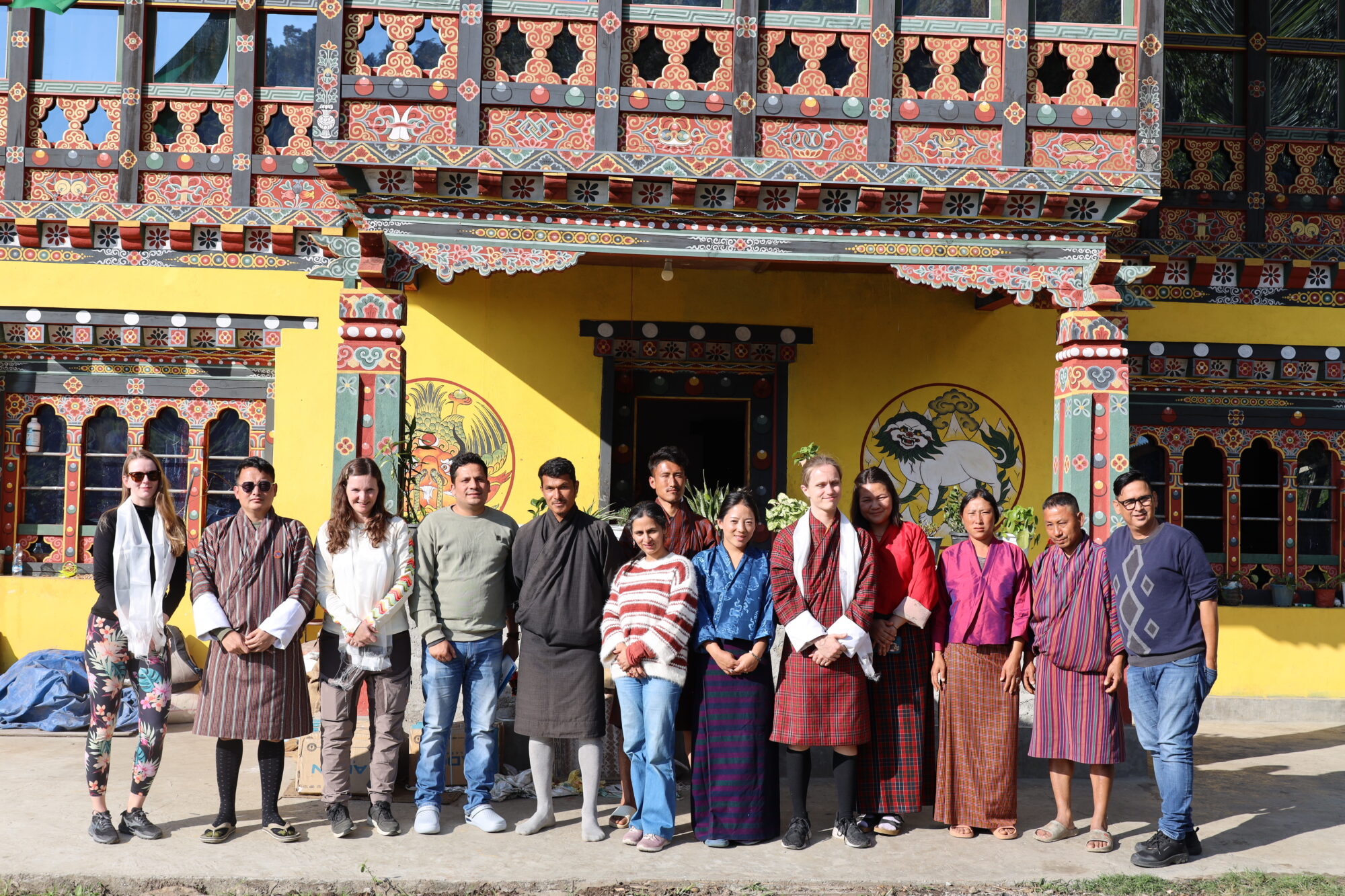
In November 2025, the Solar Food team conducted a two-week fieldwork with several stakeholders in Bhutan. Among these were a women-led agricultural cooperative in the Chukha district, alternative finance providers in Thimpu, and representatives at the Post Harvest Centre in Paro. Women are generally responsible for drying food in Bhutan and Nepal. Yet, they face…
Read MoreThe SolarFood team kickstarts fieldwork in Bhutan and Nepal
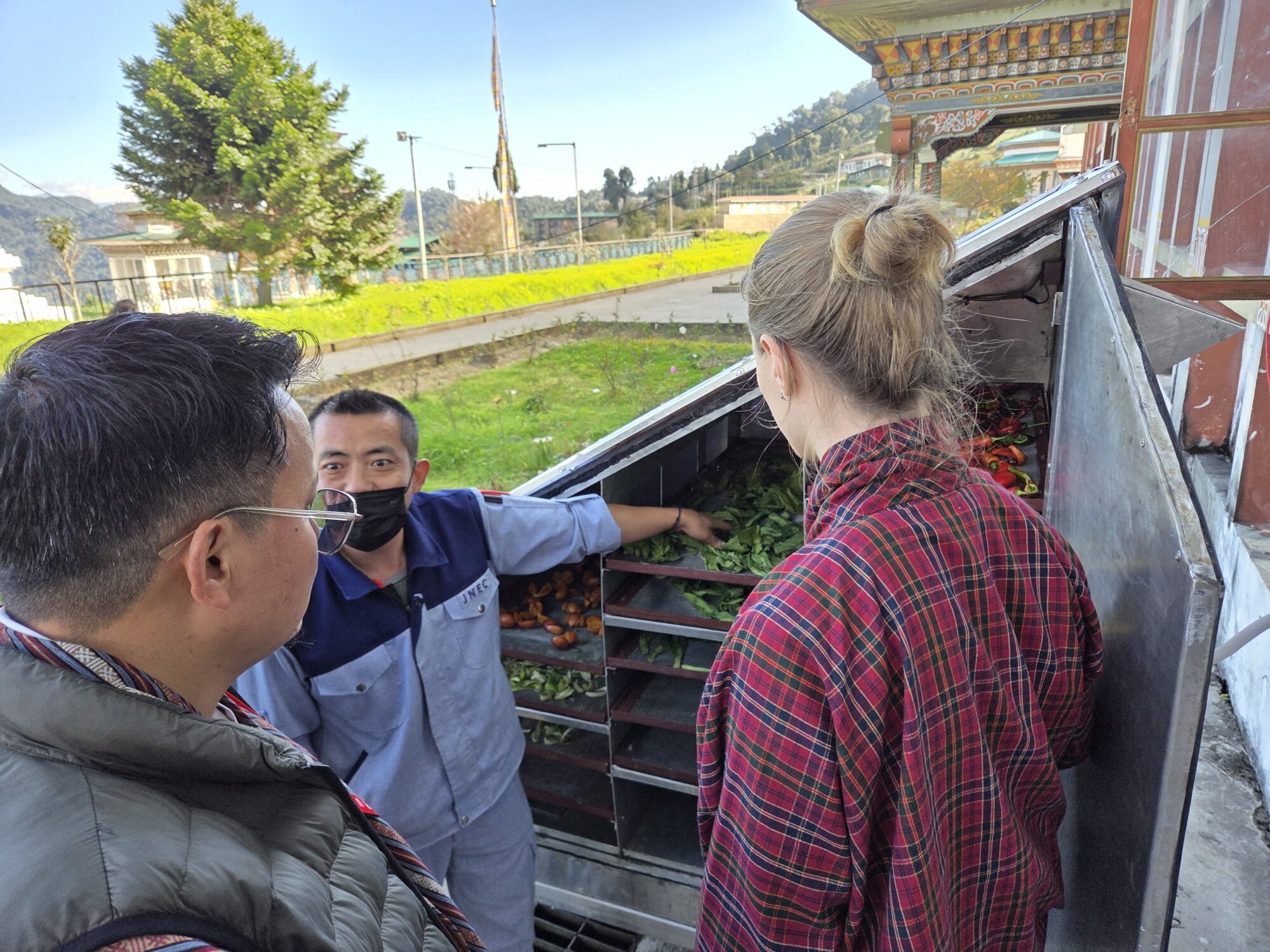
Prof. Pia Otte and Dr. Isabelle Hugøy (both from Ruralis) travelled to Nepal in November where they met with Noah Andreasson, a research assistant and technical representative from Lund University, and technical and social science partners from Kathmandu University (KU), including Prof. Bivek Baral, Assistant Prof. Roshee Lamichhane, and the newly employed PhD candidate Dolendra…
Read MoreThe Coastal Horizon Europe Research and Innovation project EmpowerUs has come to an end!
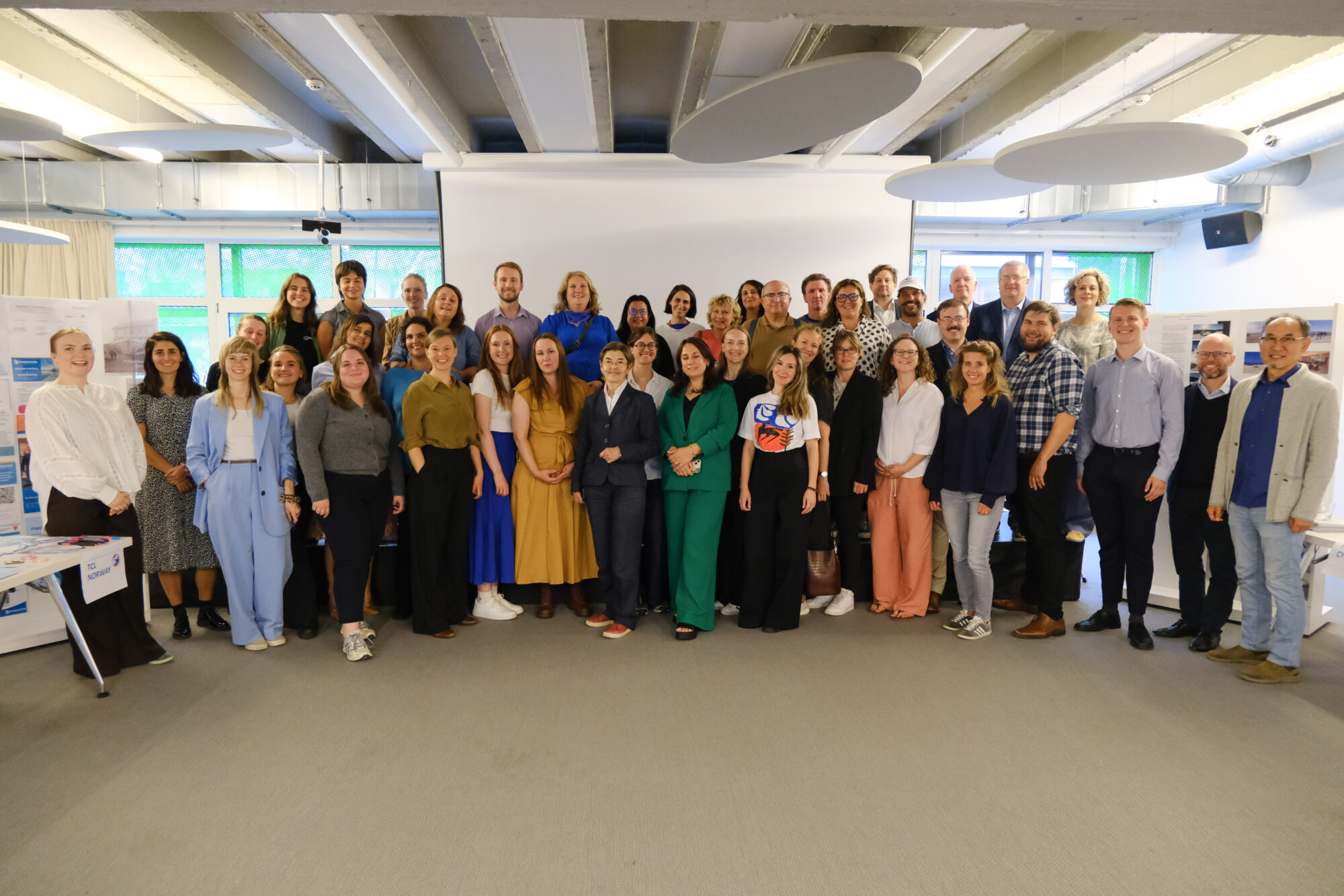
The project has focused on supporting six “Transition Coastal Labs” in Burgas (Bulgaria), Åland (Finland), Eastern Limassol (Cyprus), Connemara and the Aran Islands (Ireland), Træna (Norway) and Cap de Creus (Spain). Together with these local communities, research communities and local organisations have co- developed and implemented pilot projects that have sought to redirect the Blue…
Read MoreSolarFood Kicks Off in Nepal – Aiming to Empower Women in the Himalayan Region
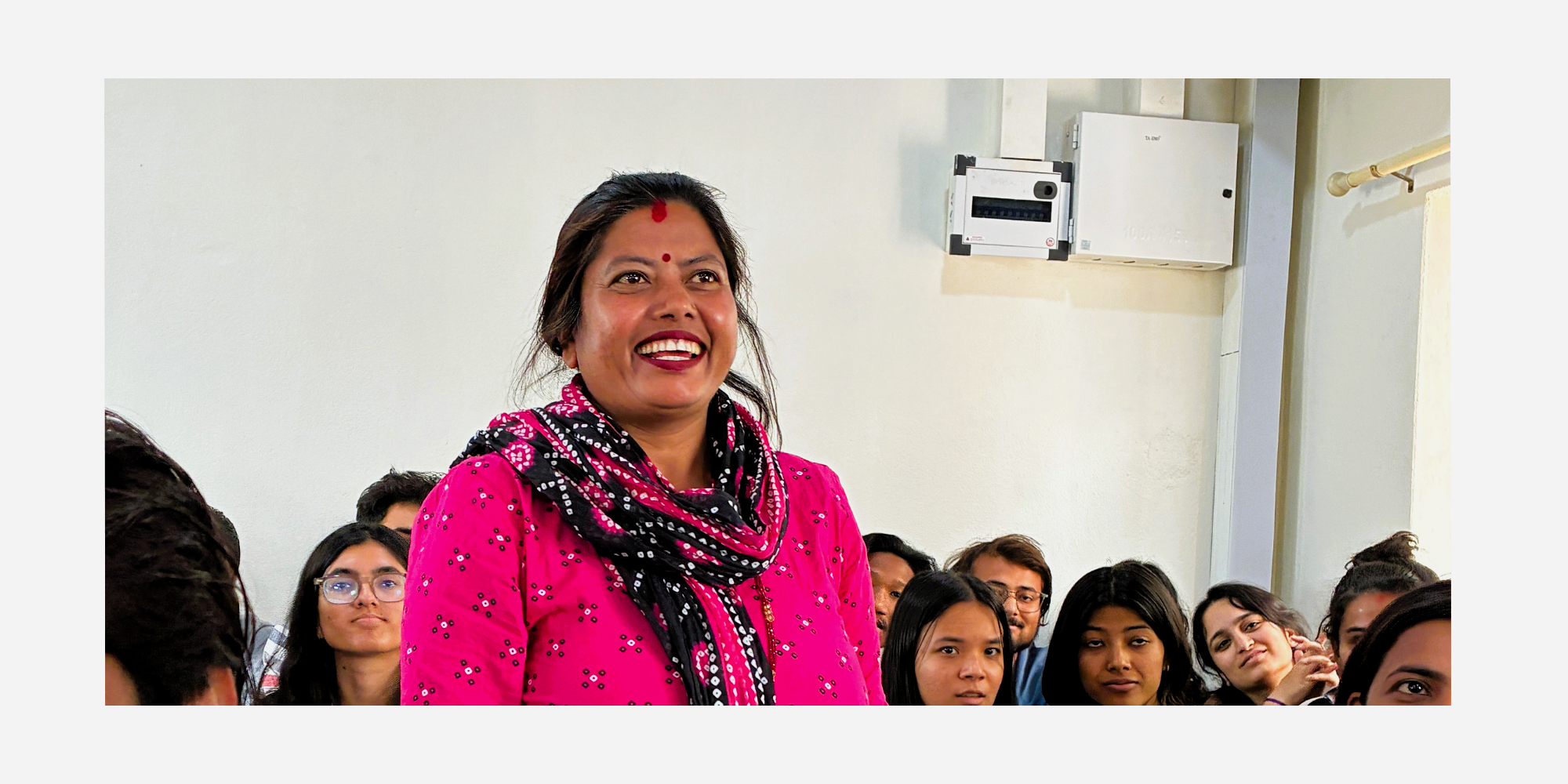
SolarFood aims to develop business models for solar-dried fruit initiatives in Bhutan and Nepal. These countries experience significant post-harvest losses due to limited food preservation techniques and inadequate storage infrastructure. Solar drying is a good option. Small-scale farmers already use solar drying to preserve food but traditional methods – which involve drying crops directly in…
Read MoreKarbonmat on fieldwork in Belgium and the Netherlands
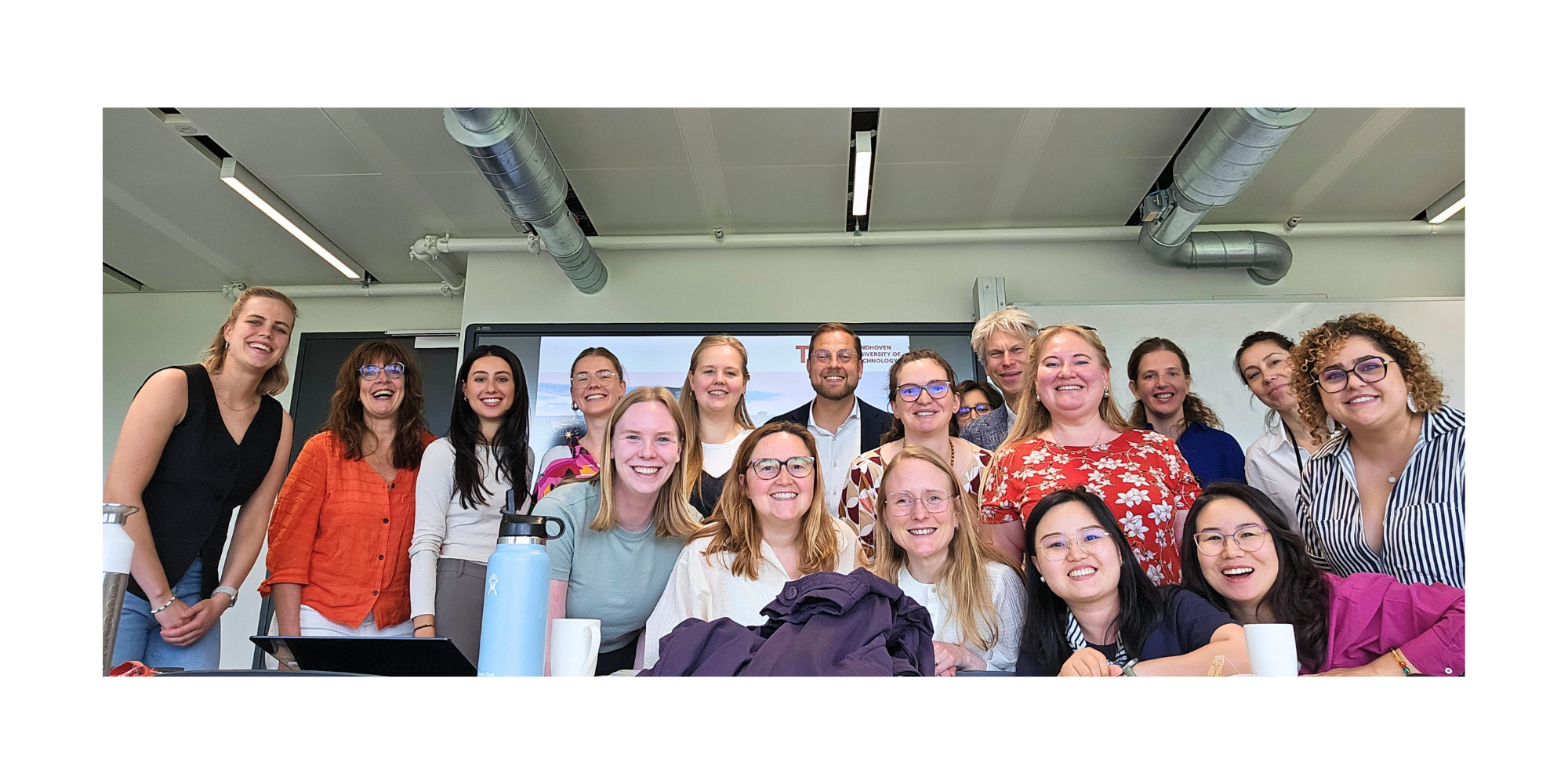
Carbon sequestration is an important topic at the EU level and three new rules have been recently adopted that the team is studying now to investigate the impact of these rules on carbon farming projects. The three rules include the Directive on Soil Monitoring and Resilience, the Carbon Removals and Carbon Farming (CRCF) Regulation, and…
Read MoreAgriculture is becoming increasingly complex: Improved advice can be part of the solution

Agriculture faces a number of challenges, both nationally and globally. Farmers must deal with the impact of climate change, reduce the emission of greenhouse gases, produce more feed and food, and adopt new technology and knowledge. At the same time, farmers must have reasonable financial benefits from their work. This problem was the starting point…
Read MoreDo we need people along the coast – and why should young people want to stay or come back?
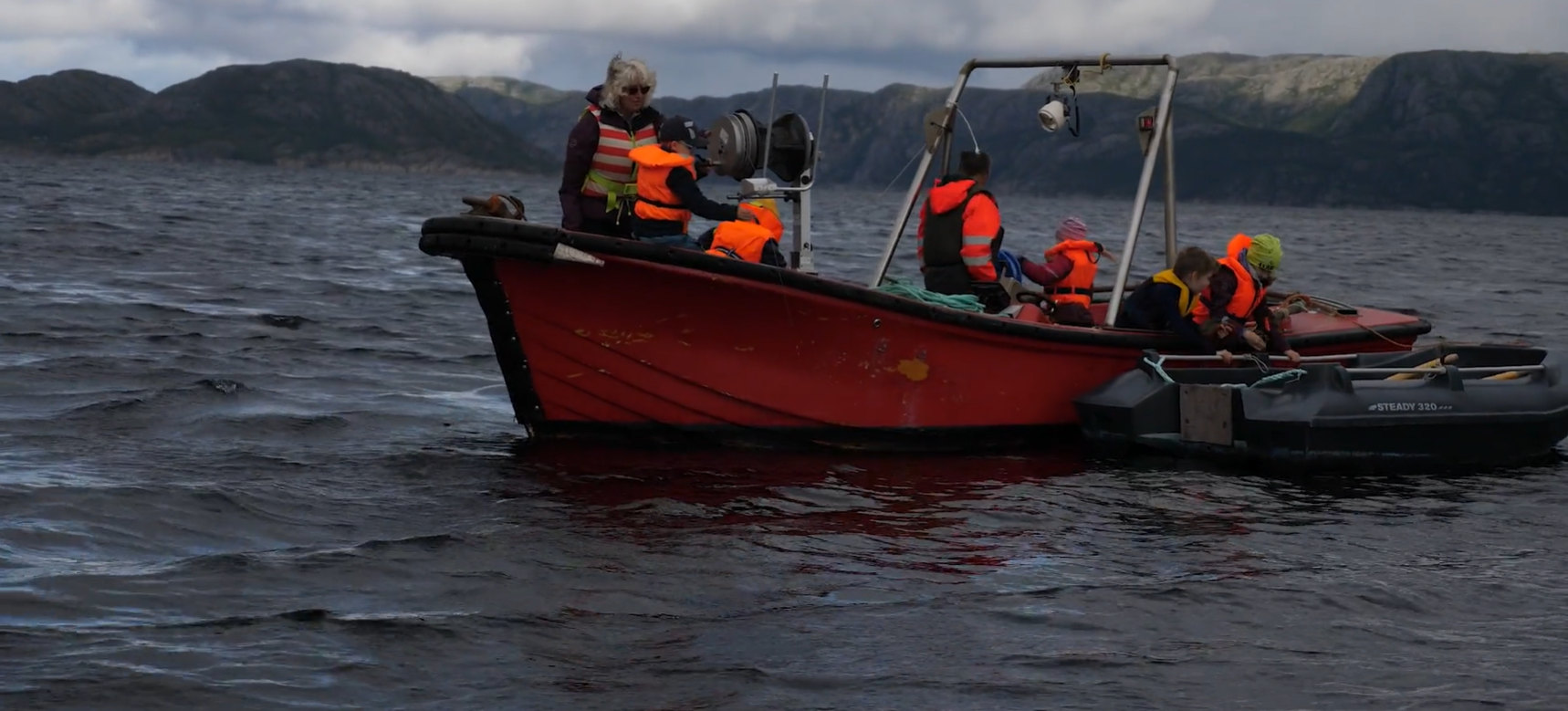
Identity, connection, and practical knowledge are some keywords. Using the body, head, and hands in one’s own landscape, strenghten a sense of belonging, ownership and mastery – also in terms of self sustenance– has significance on many levels. But today few children and young people are included in local, primary business processes and value chains.…
Read MoreCan ‘ordinary’ people contribute to solving energy crises?

COPPER stands for ‘Creating, Optimizing and Planning Positive Energy Districts’ and is part-financed by the European Commission and the Norwegian Research Council. In the age of the green transition, COPPER looks at an exciting opportunity: how local energy communities can contribute to solving the global energy crisis. Through research, innovation, and strategic collaboration, new solutions…
Read MoreNatalia Mamonova – senior researcher at RURALIS – has given an interview to the Ukrainian journal “Commons” about her project on “Food security, food sovereignty and collective action during the war in Ukraine. Ukrainian and global perspectives”.
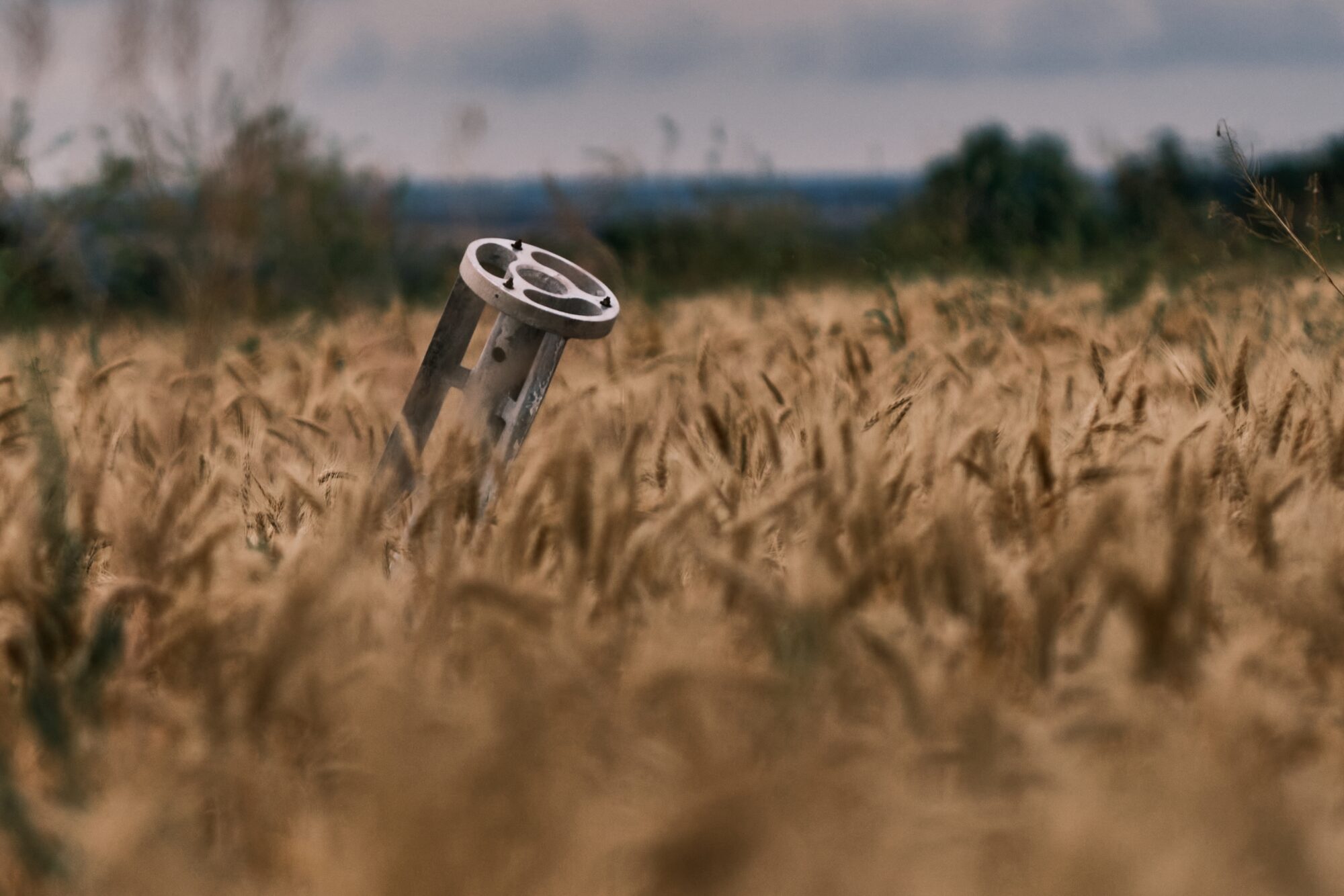
The text of the interview is available at this link: https://commons.com.ua/en/zemelna-reforma-v-ukrayini-pid-chas-vijni/?fbclid=IwZXh0bgNhZW0CMTAAAR2yKYgQkcI1Y8wdWlmaOBfFmW1q3N0EB-TYX-fIZBiG_txA6MoszZCgAKI_aem_AZIjP6n8amcG6gjIBKI2Vp7OC2E8cGKfPCxdpji1intB0q_H_Py-ekKiqClKJ8HacVO3xV5BAf2kHLL2FUvn-pHZ
Read More