

ECOFOOD: Creating Inclusive and Sustainable Food Systems in Refugee Hosting Contexts in Sub-Saharan Africa (SSA)
About ECOFOOD
Creating Inclusive and Sustainable Food Systems in Refugee Hosting Contexts in Sub-Saharan Africa (ECOFOOD) is a four-year project (2023-2027) with activities running in Uganda and Tanzania. Food as a human right- we have a moral obligation to address persistent hunger. Food aid is limited in guaranteeing food security in the face of continuous global food crises (COVID, Conflict, Climate Change)
ECOFOOD is a Research Project funded by the Norwegian Research Council. It investigates how to foster small-scale food production and reduce reliance on food assistance in ways that are climate-resilient, nutrition-sensitive, and empowering of women and other vulnerable populations within refugee hosting contexts.
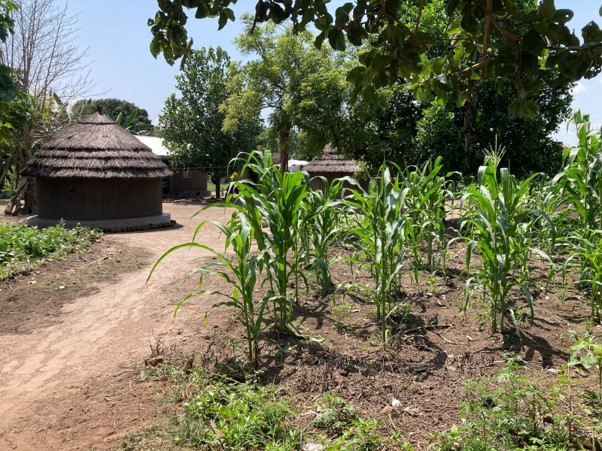
Photo 1: A typical homestead in the refugee settlement
ECOFOOD Project Purpose
The primary objective of ECOFOOD is to assess strategies for facilitating the inclusion of small-scale food producers in the food system and to enhance food and nutrition security for women and children, as well as climate resilience and biodiversity conservation in refugee-hosting contexts. Specifically[1], the project seeks to:
- Identify the needs and priorities of small-scale food producers in refugee-hosting contexts, their knowledge and practices, and their interactions with food systems.
- Investigate how to foster the effective participation of women and youth small-scale food producers in local food systems by enabling access to agricultural resources, such as land, water, agricultural technologies, farm inputs, credit, extension services, and Information.
- Provide knowledge on barriers and incentives to adopting climate-resilient innovations within different food systems (crops, livestock, and fisheries) in refugee-hosting contexts in Uganda and Tanzania.
- Contribute to knowledge on restructuring and transforming food systems to address critical food insecurity and biodiversity dilemmas among the refugees and their host communities.
- [1] A food system gathers all the elements (environment, people, inputs, processes, infrastructures, institutions, etc.) and activities that relate to the production, processing, distribution, preparation and consumption of food, and the output of these activities, including socio-economic and environmental outcomes. (HLPE 8 2014:29)
Project Partnerships
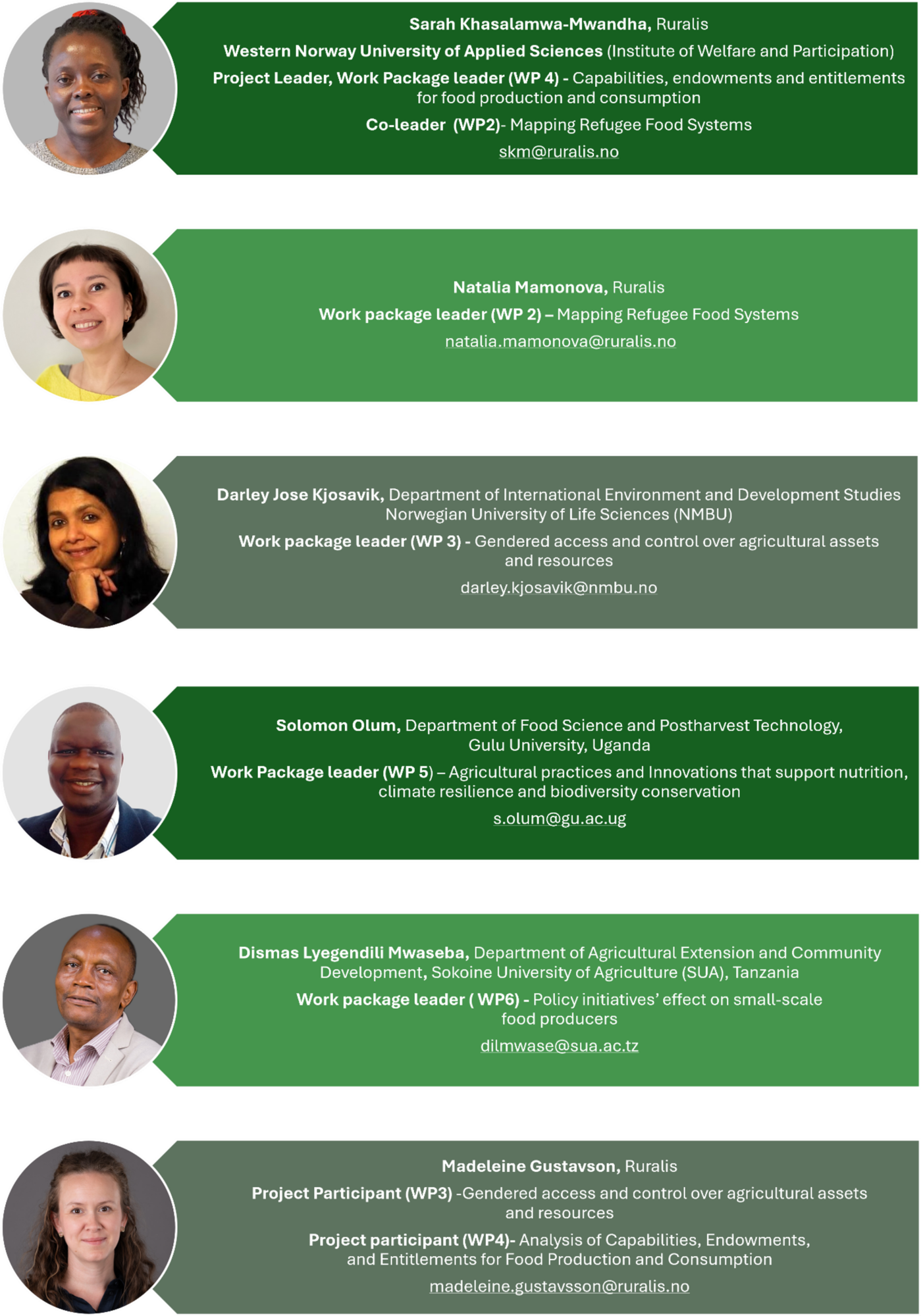
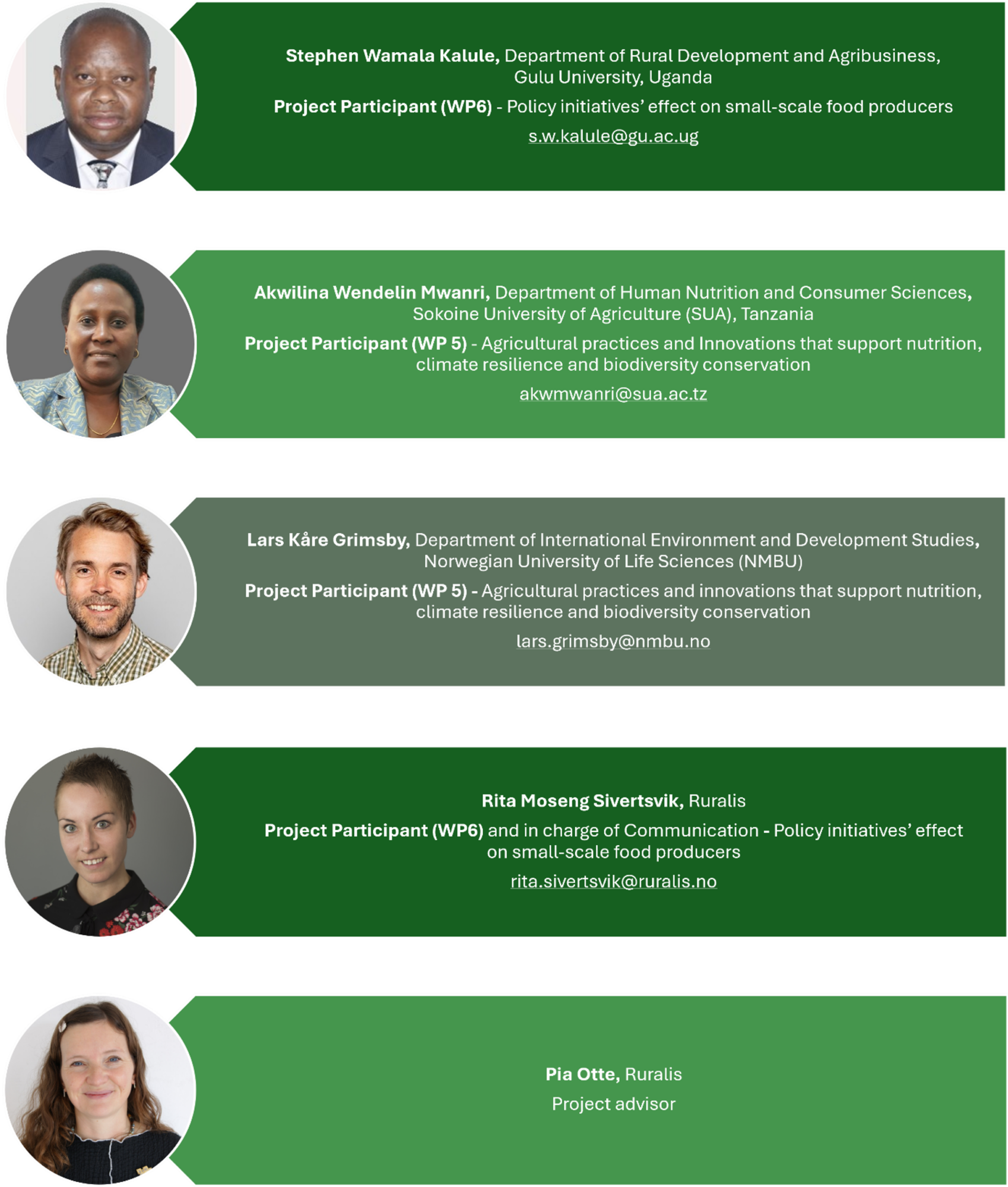
ECOFOOD Project involves a consortium of six Institutions. These include:
- Institute for Rural and Regional Research (RURALIS) – Norway (Project Responsible)
- Western Norway University of Applied Sciences (Norway),
- Norwegian University of Life Sciences (Norway)
- Sokoine University of Agriculture (Tanzania)
- Gulu University (Uganda)
Project Deliverables
- Peer-reviewed journal articles
- A PhD dissertation
- An edited handbook on “Transforming food systems in Refugee Hosting contexts.”
- Stakeholder engagement: The Multi-actor platform (MAP) offers an innovative approach for disseminating and engaging with various stakeholders to support the development of knowledge-based policies.
- ECOFOOD contributes to a ‘bottom-up’ farmer-led approach to facilitating farmers’ inclusion in decision-making processes in food systems in challenging social, ecological, political, and economic contexts.
Events and news
- Project Workshop in Uganda – 10th – 14th June 2024
The project implementation started in August 2023. However, this June 2024 is the first physical meeting of the project team and visit to Gulu University. As the project team, we are deeply grateful for the opportunity to partner with Gulu University, a leading institution in the field, to deliver this project as promised to our funders. Gulu University’s location in Northern Uganda, a well-documented region for hosting Uganda’s largest refugee population, and the expertise of its Faculty of Agriculture and Environment staff in working in refugee-hosting contexts are invaluable to the success of this project.
The project consortium engaged in various activities in Uganda to introduce the project to key stakeholders and assess local conditions. Key activities included courtesy calls on the Dean of the Faculty of Agriculture and Environment (FAE), the Vice Chancellor, and top management at Gulu University. The team provided a general project introduction to university stakeholders, conducted a guided tour of university facilities, and reviewed and discussed data collection tools. They travelled to Adjumani, where they engaged with the Refugee Desk Officer (RDO), Office of the Prime Minister (OPM) staff, and the Chief Administrative Officer (CAO) of Adjumani District Local Government (DLG). The team introduced the project to stakeholders implementing nutrition, health, and livelihood projects, including OPM, UNHCR, Medical Teams International (MTI), District Local Government (DLG), WFP, Food for the Hungry (FH), PACHEDO, and other development partners in Adjumani district. Additionally, the team visited selected settlements in Adjumani and interacted with refugee and host community farming groups to get stakeholder feedback about the project.
Project Launch at Gulu University – https://gu.ac.ug/ecofood-project-launched-at-gulu-university/
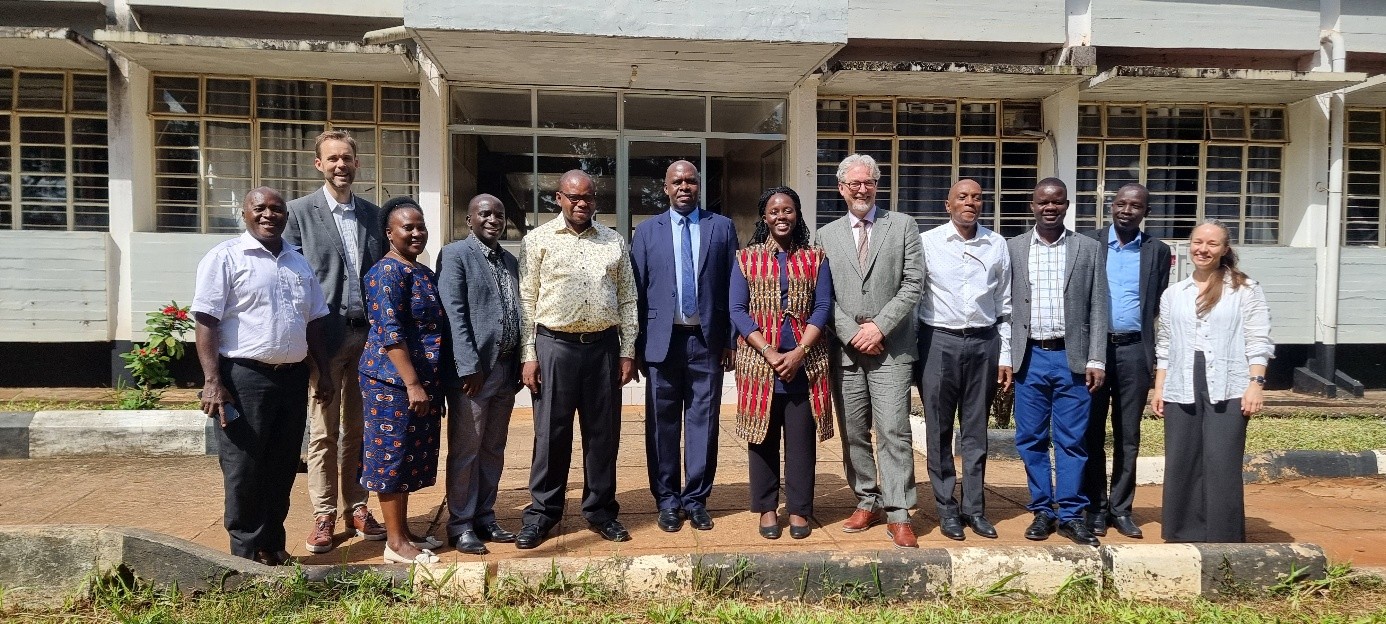
Photo 2: Meeting the Vice Chancellor and Top Management at Gulu University
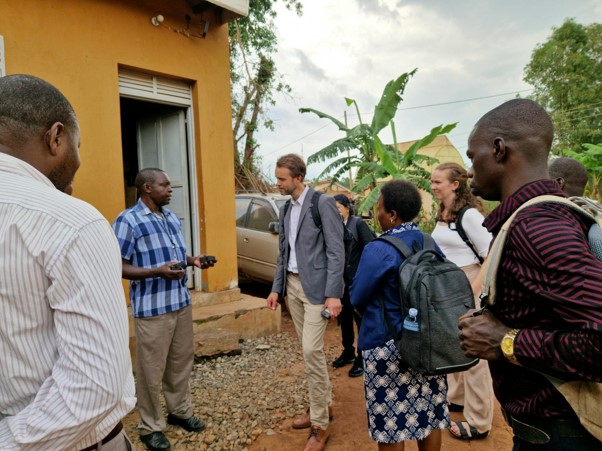
Photo 3: A guided tour around Gulu University
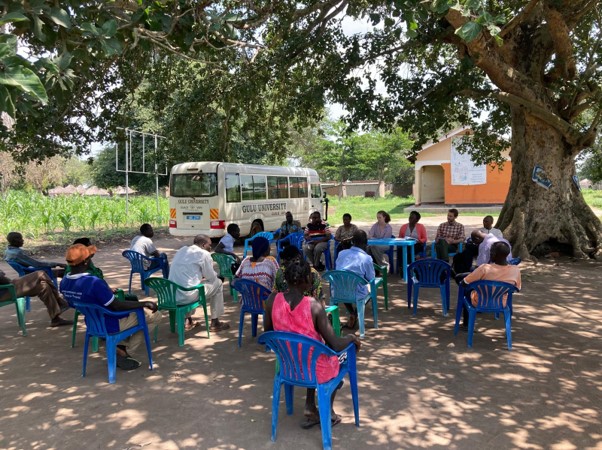
Photo 4: Meeting with Refugees and Host Farmers
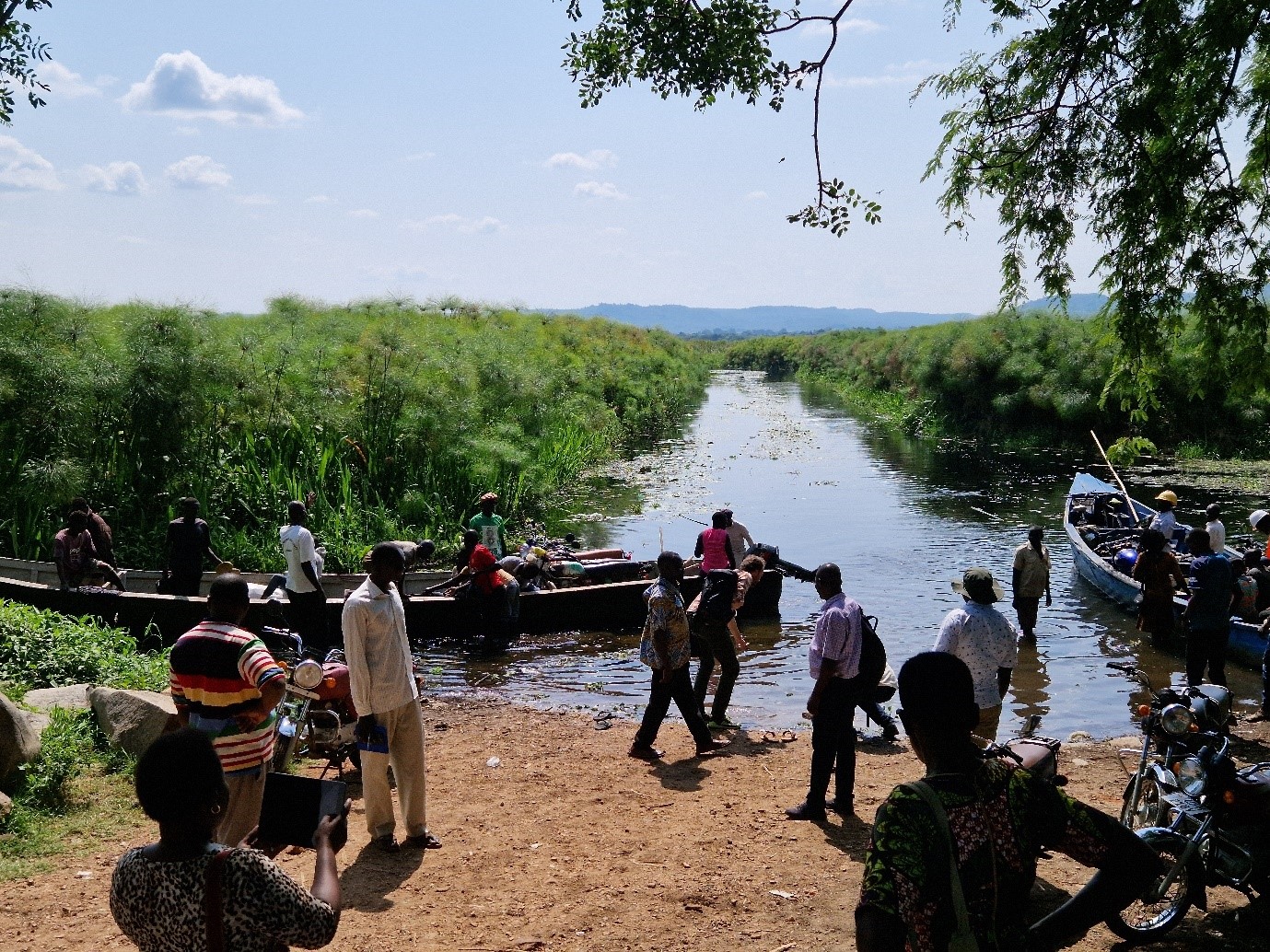
Photo 5: Visit to a Landing Site along the River Nile
Stakeholder expectations
“When you say we want to move from food-aid to a sustainable food system, it should not only be during the project, but even if we go there ten years later, we should find that the practice is still there. I would be grateful if the Office of the Prime Minister told us that because of your interventions, the food requirement in the refugee camps has significantly dropped,” Prof. Openjuru George Ladaah, the Vice Chancellor of Gulu University
“There is a growing food crisis among refugees because of their increasing population. This project is therefore instrumental in supplementing the different efforts in place to address food system-related challenges in the refugee hosting context like in Adjumani district,” Dr Okello Collins, The Dean of Faculty of Agriculture and Environment, Gulu University
Preliminary findings:
Stakeholder engagement
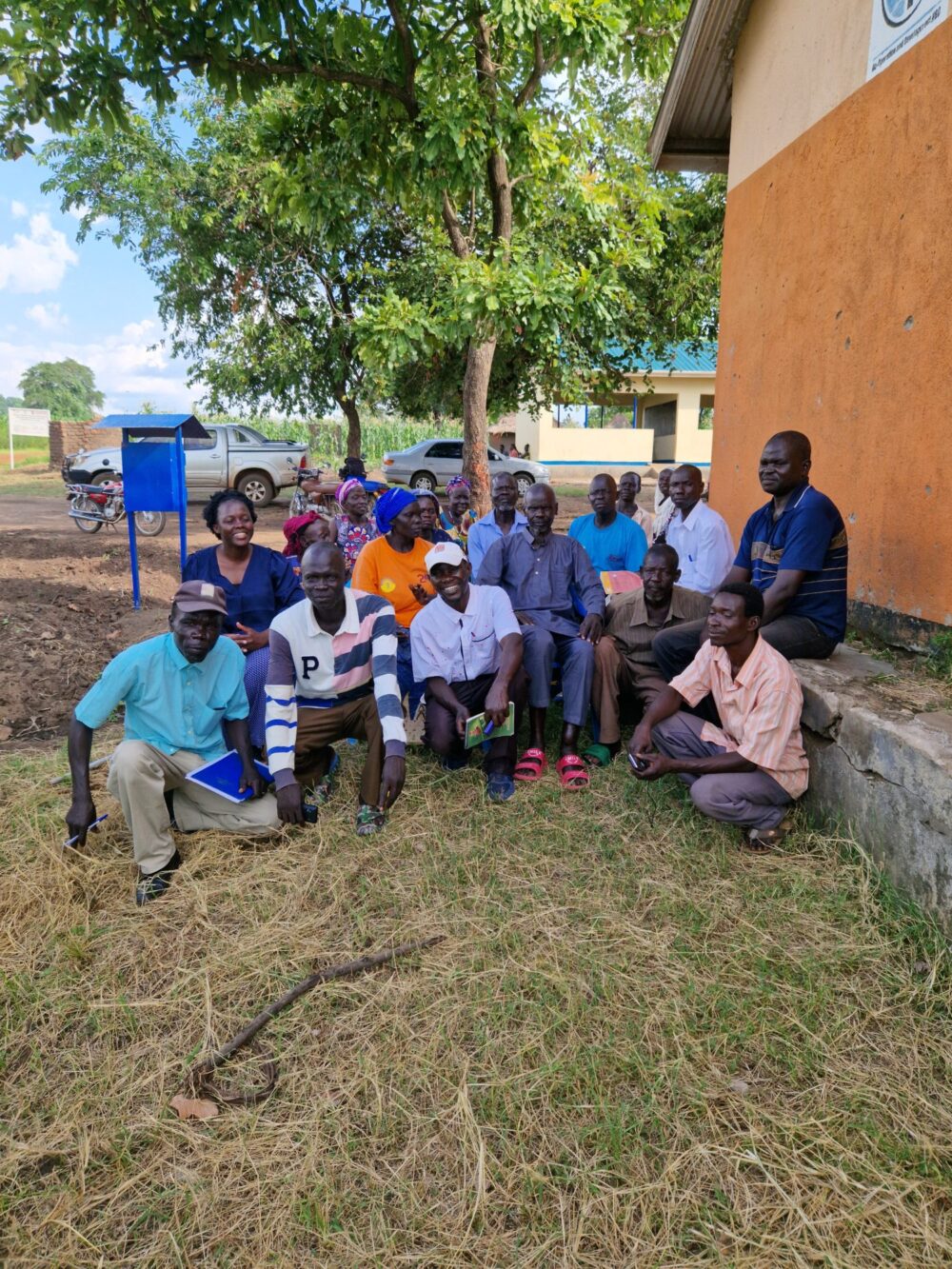
Photo 6: Consultation with the Refugee Welfare Committee (RWC)
The Markets
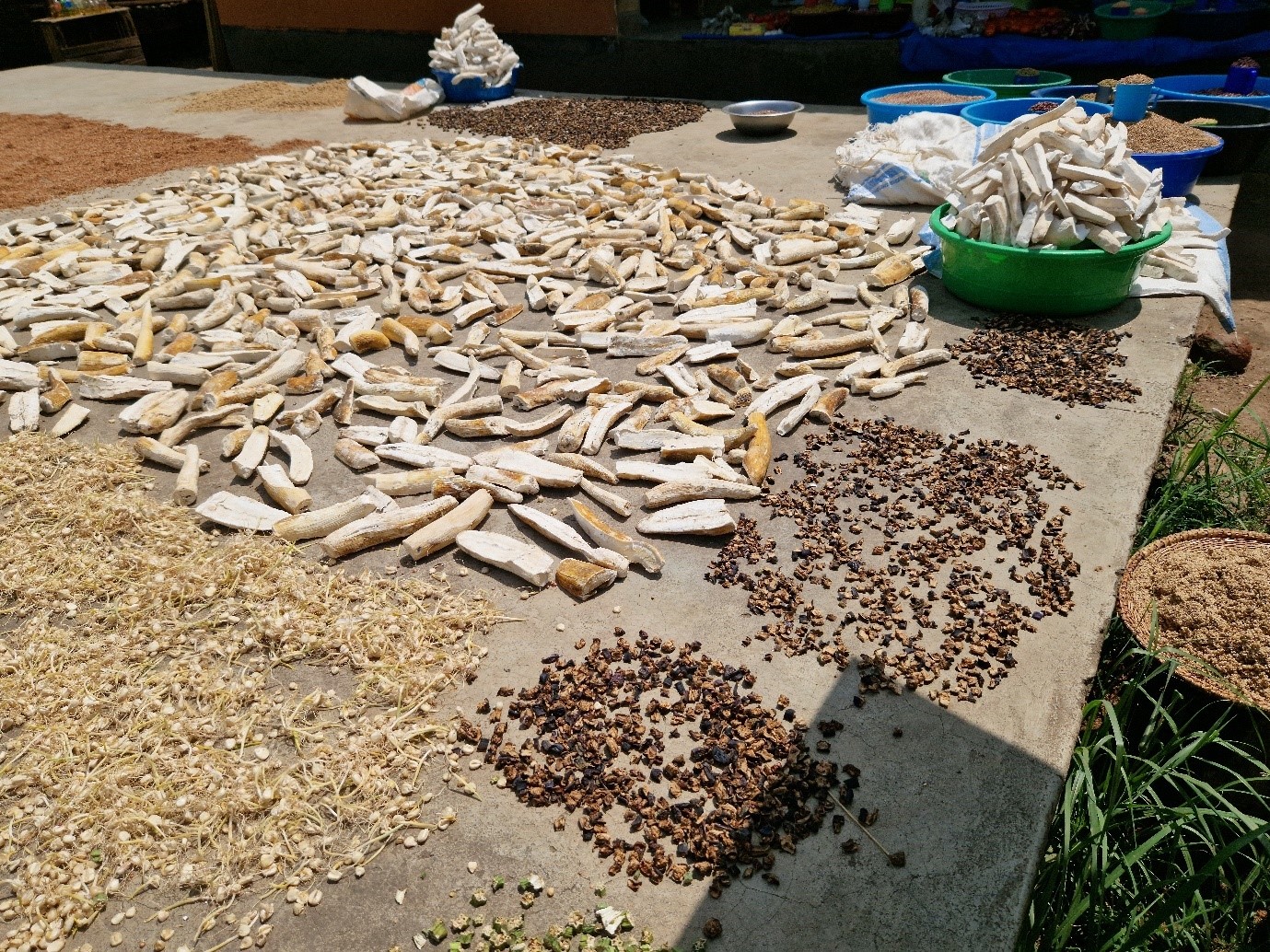
Photo 7: Sun-drying Crops, Cassava, Okra, Mushrooms
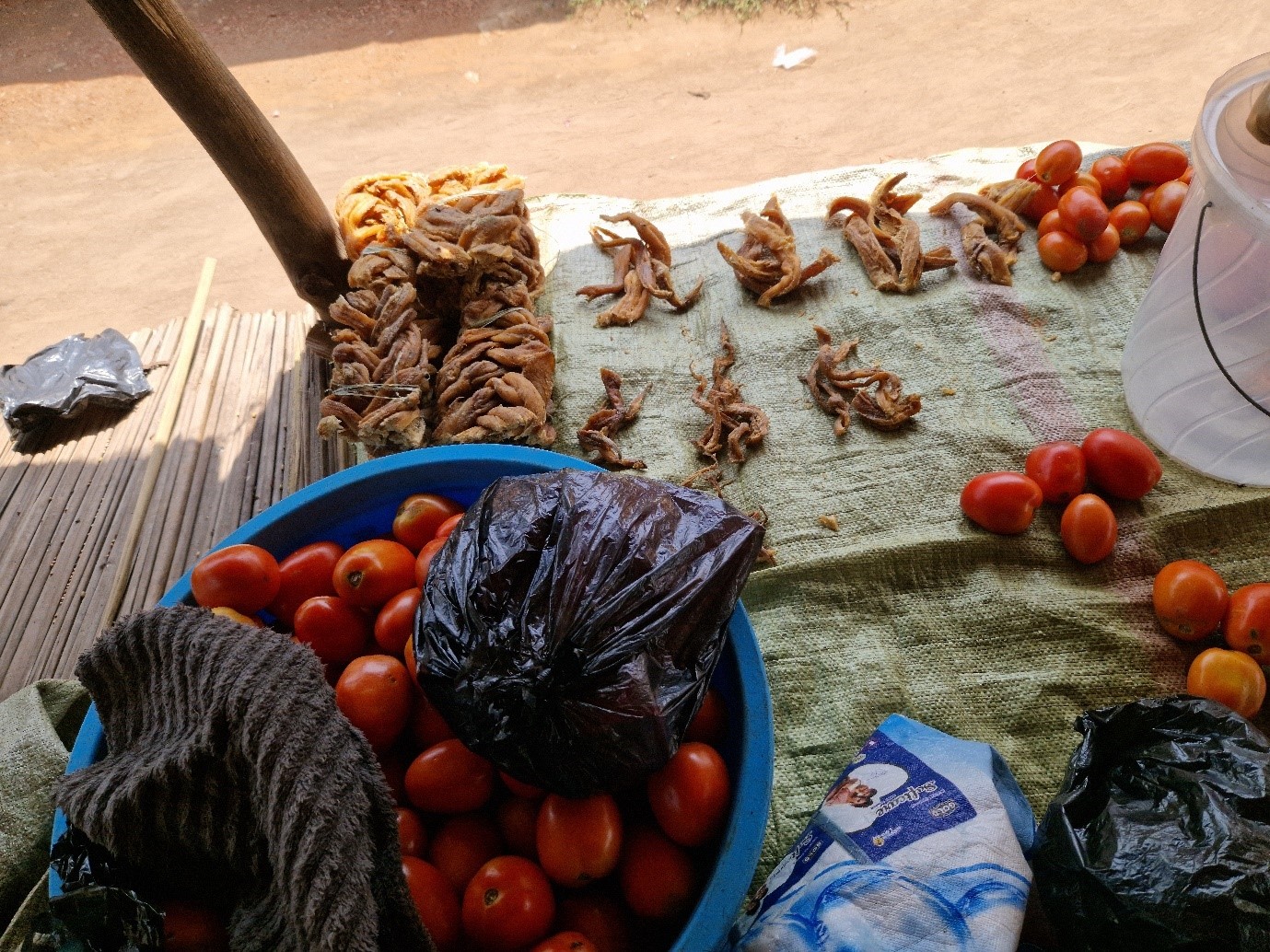
Photo 8: Dried Fish from South Sudan
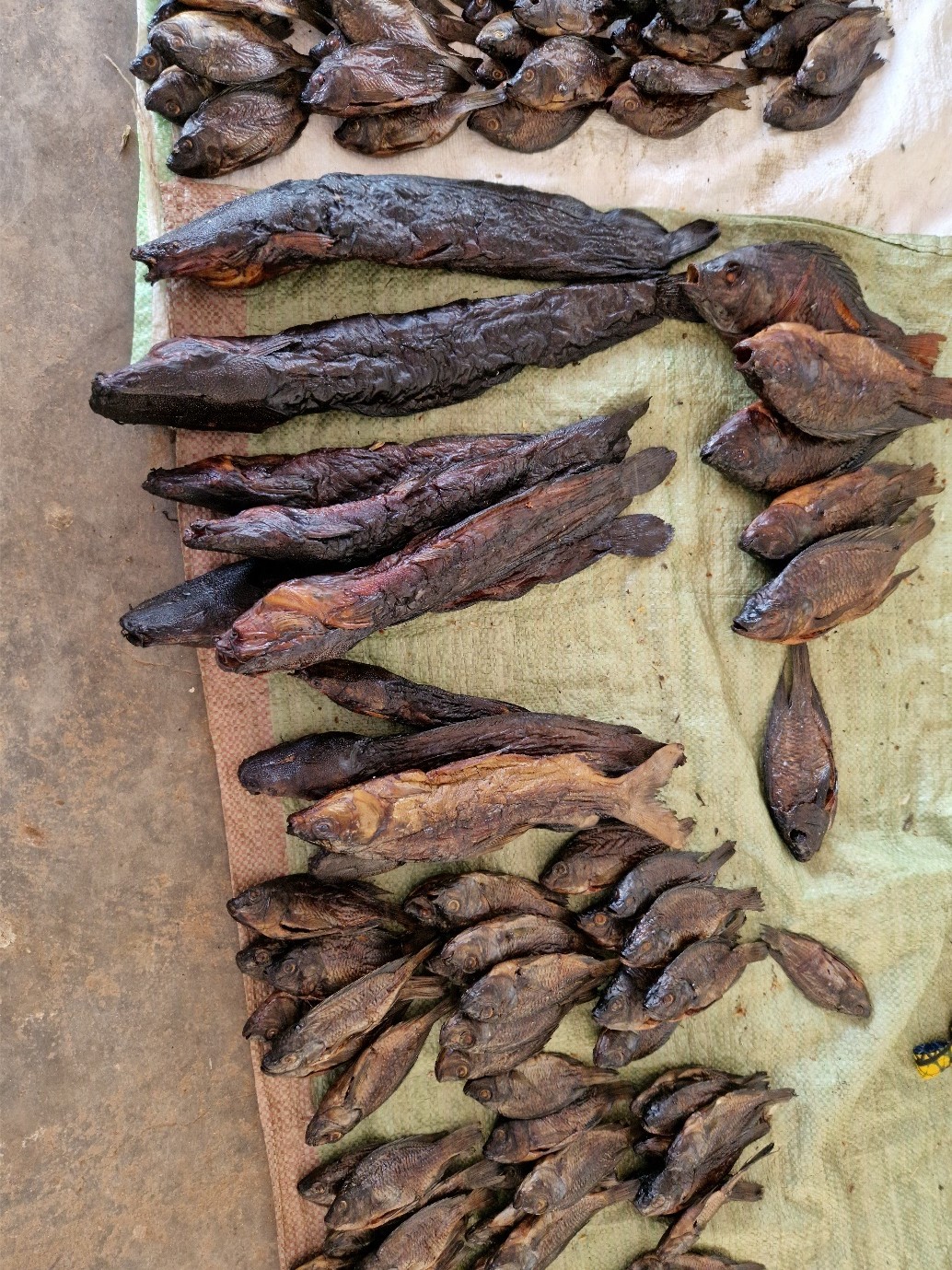
Photo 9: Dried local Fish in the market
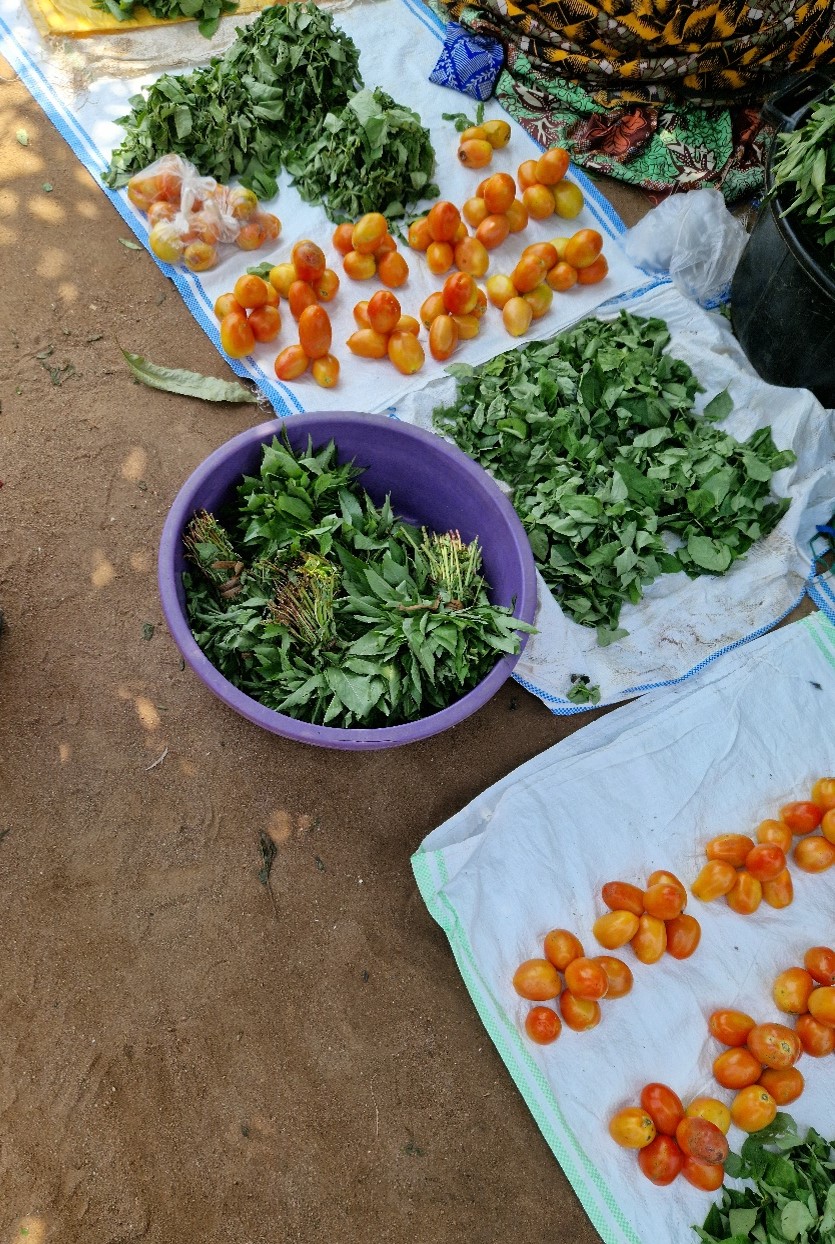
Photo 10: Selling Vegetables in the local market
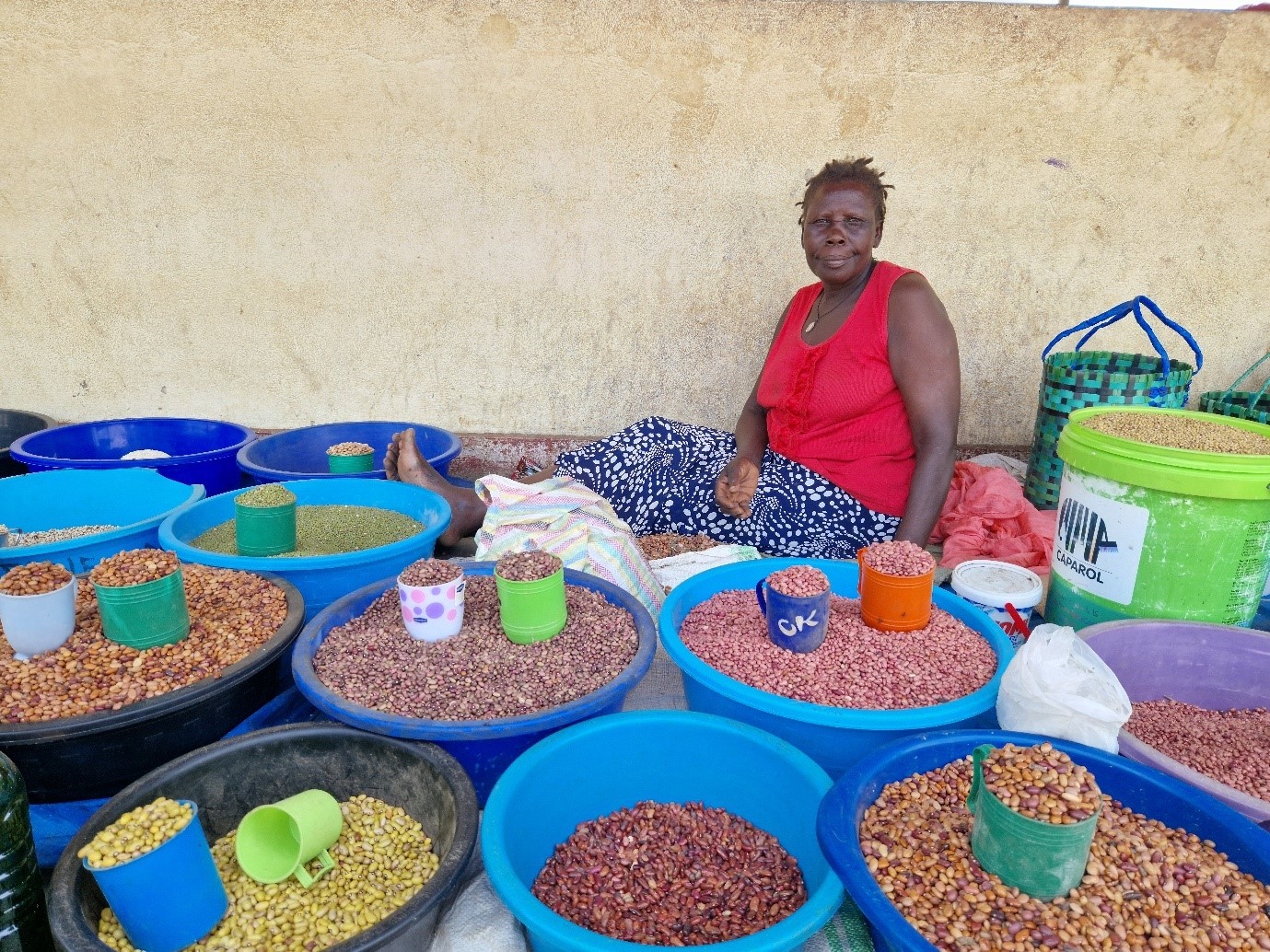
Photo 11: Market vendor selling beans and other pulses
Food production
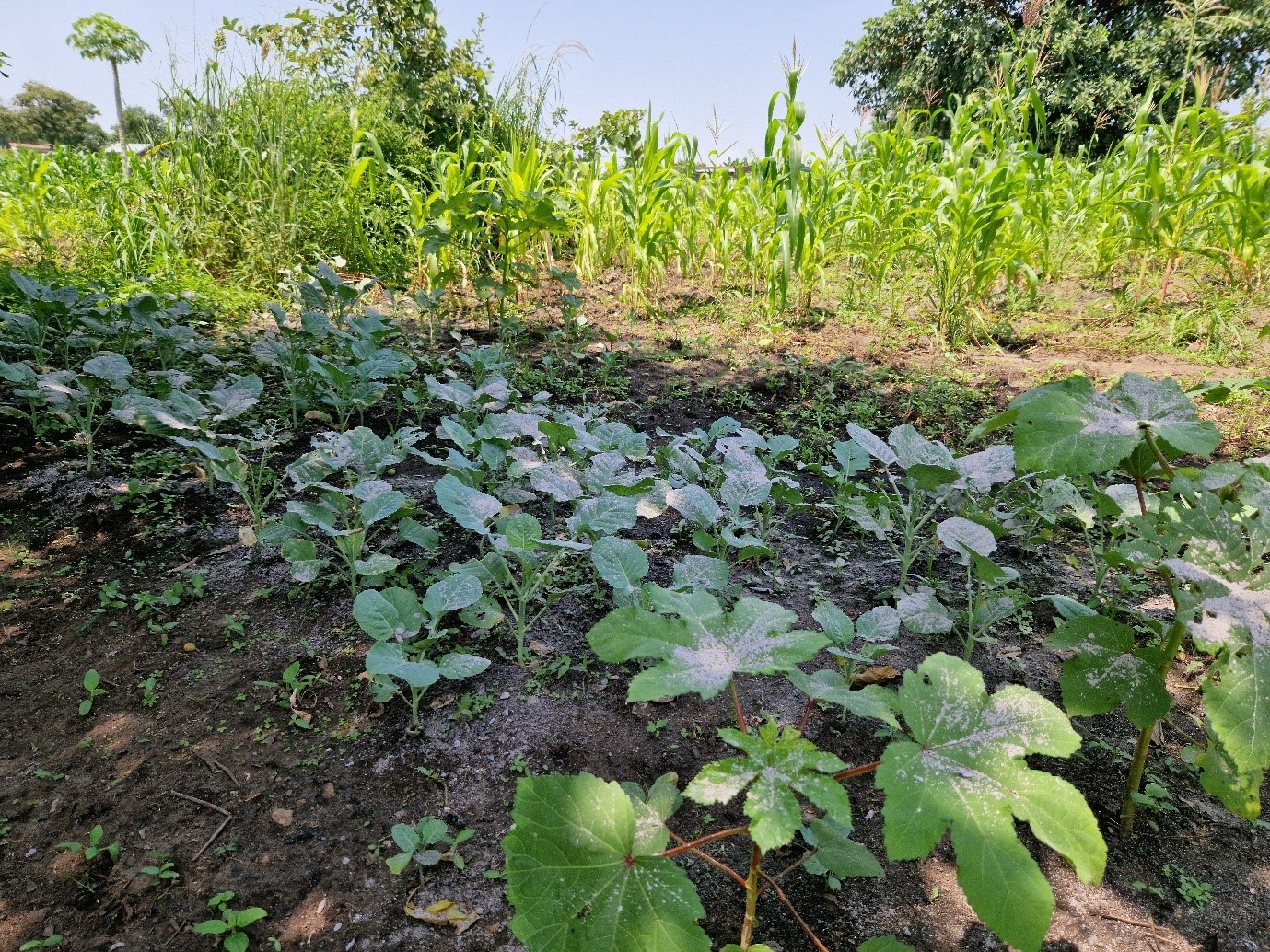
Photo 12: Mixed cropping in the Refugee Settlement
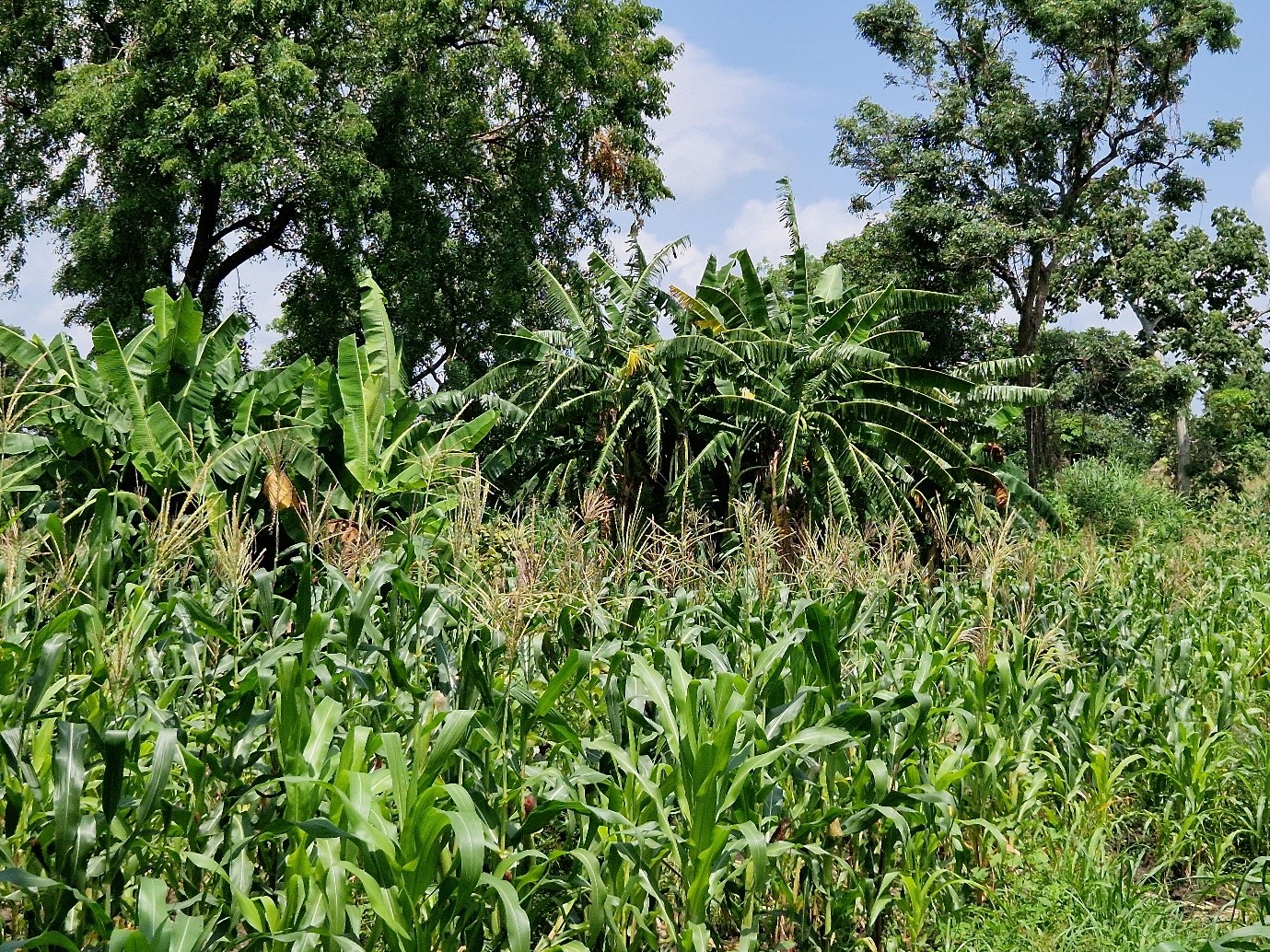
Photo 13: Mixed Cropping in the refugee settlement
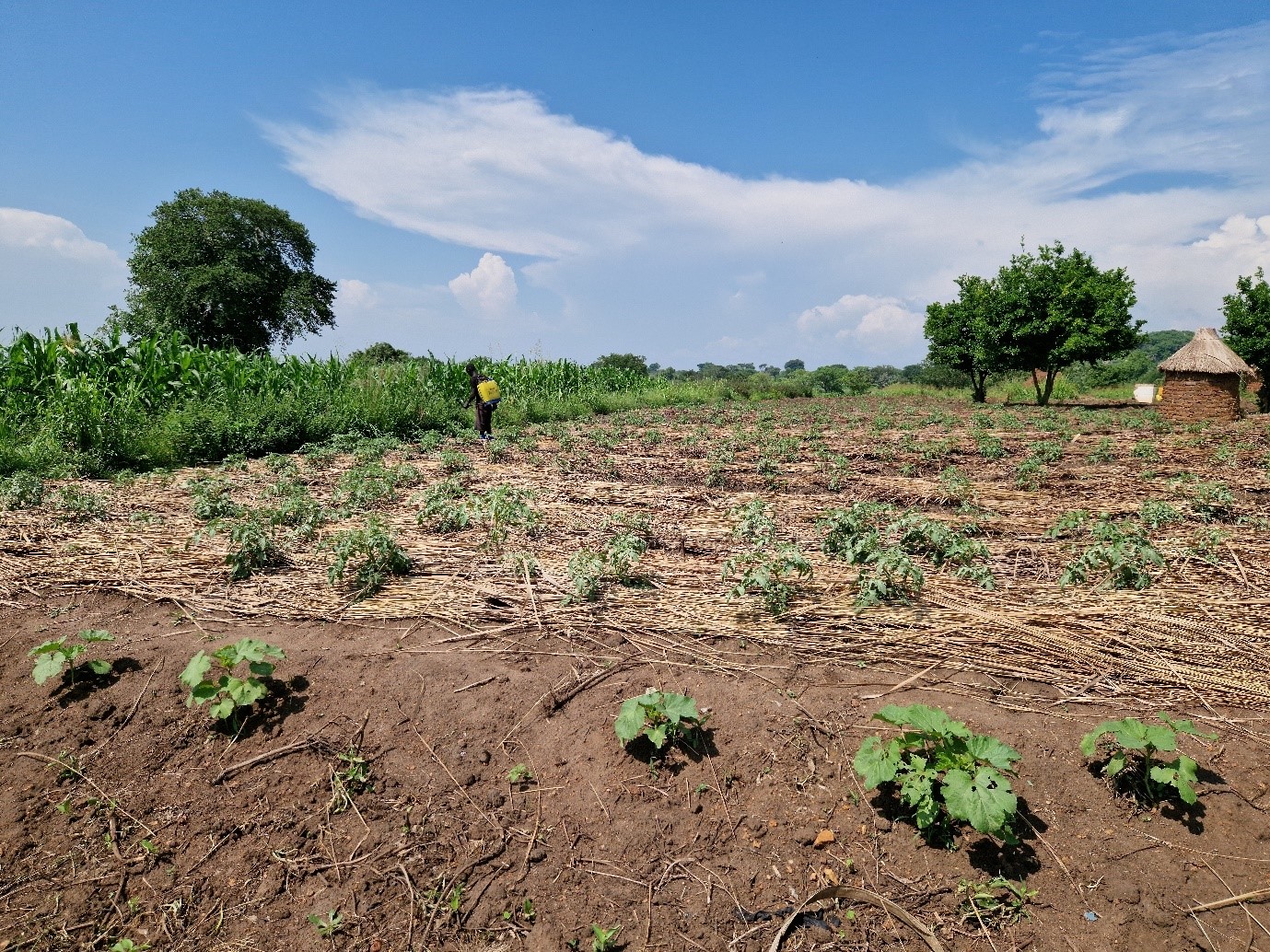
Photo 14: Vegetable farming in the Host Community
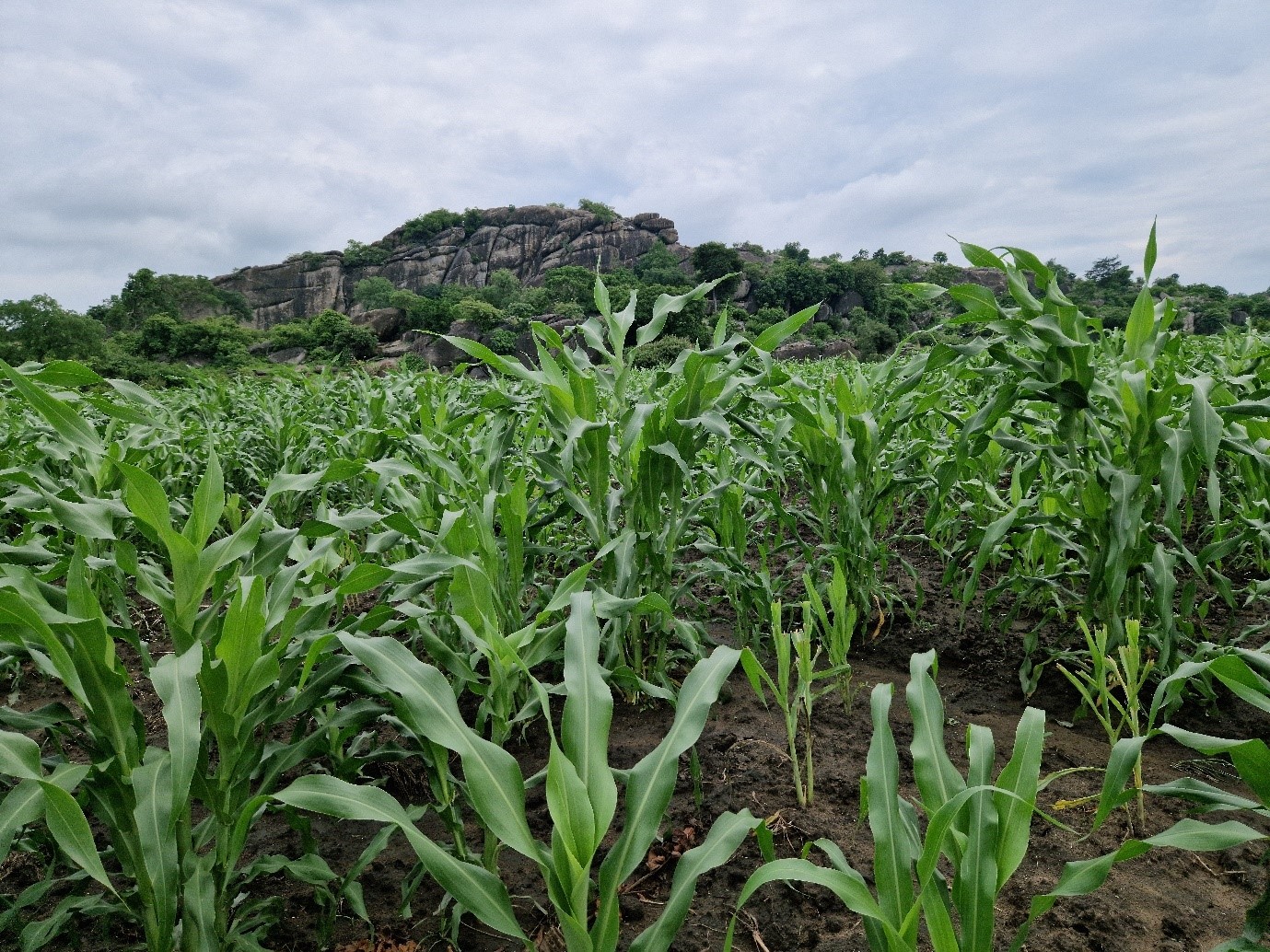
Photo 15: Sorghum Growing in the Host Community
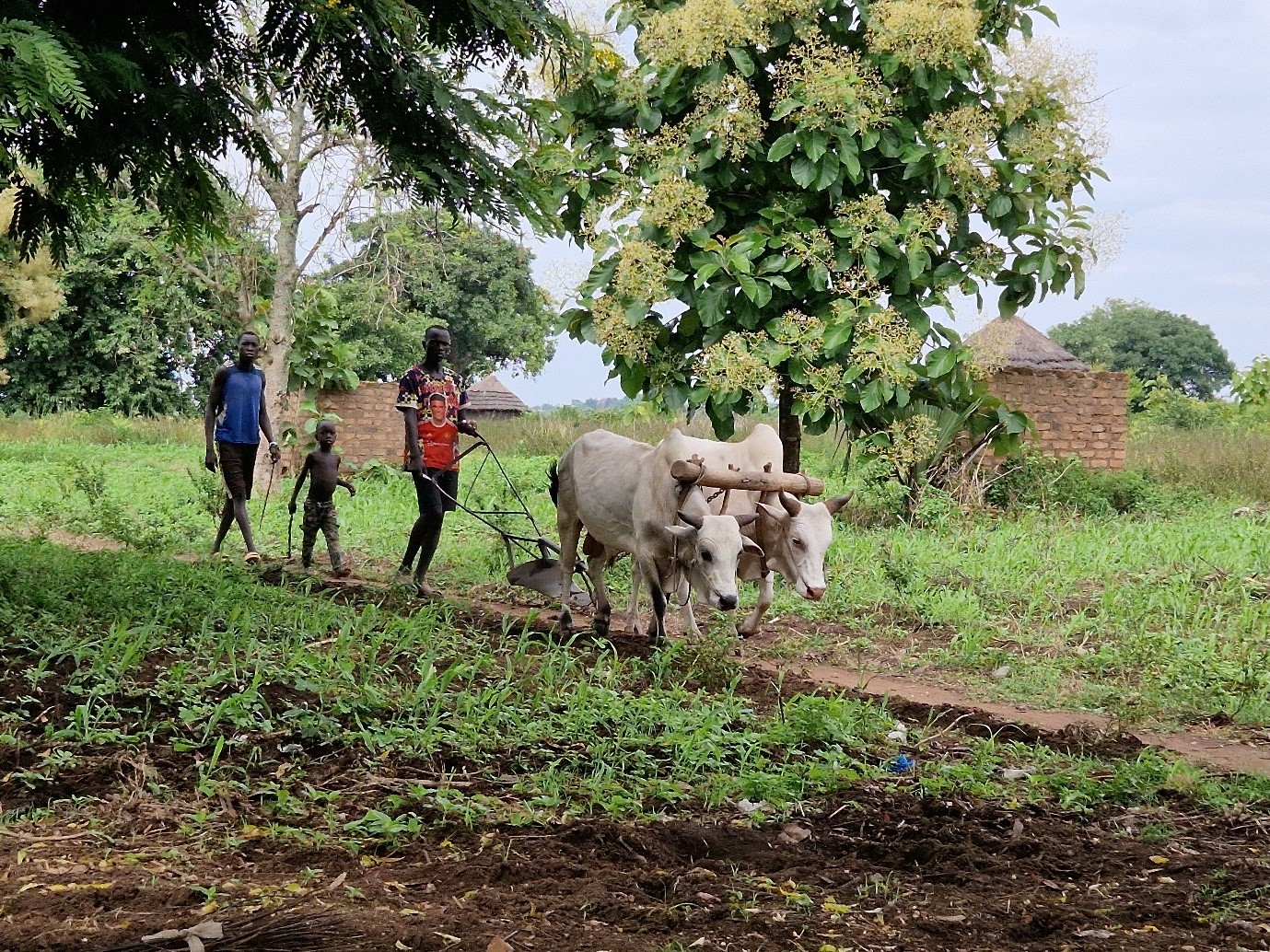
Photo 16: Ox-Plough in Host Community
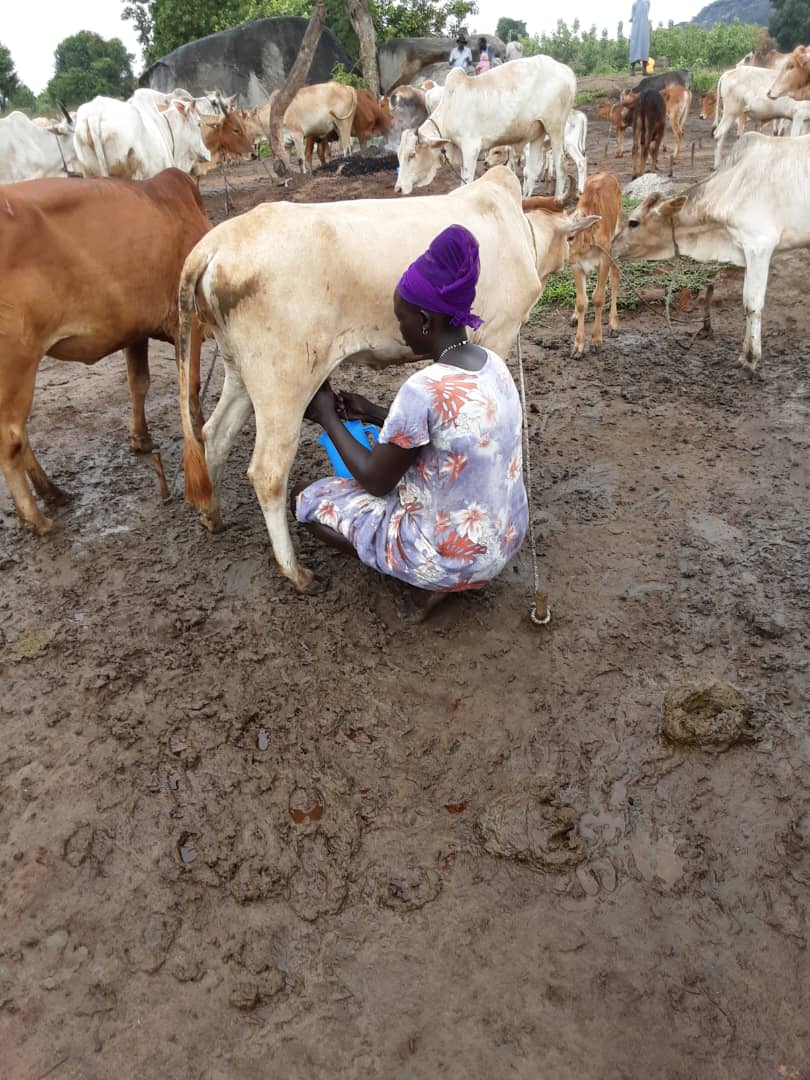
Photo 17: The herdswomen in the Refugee Settlement
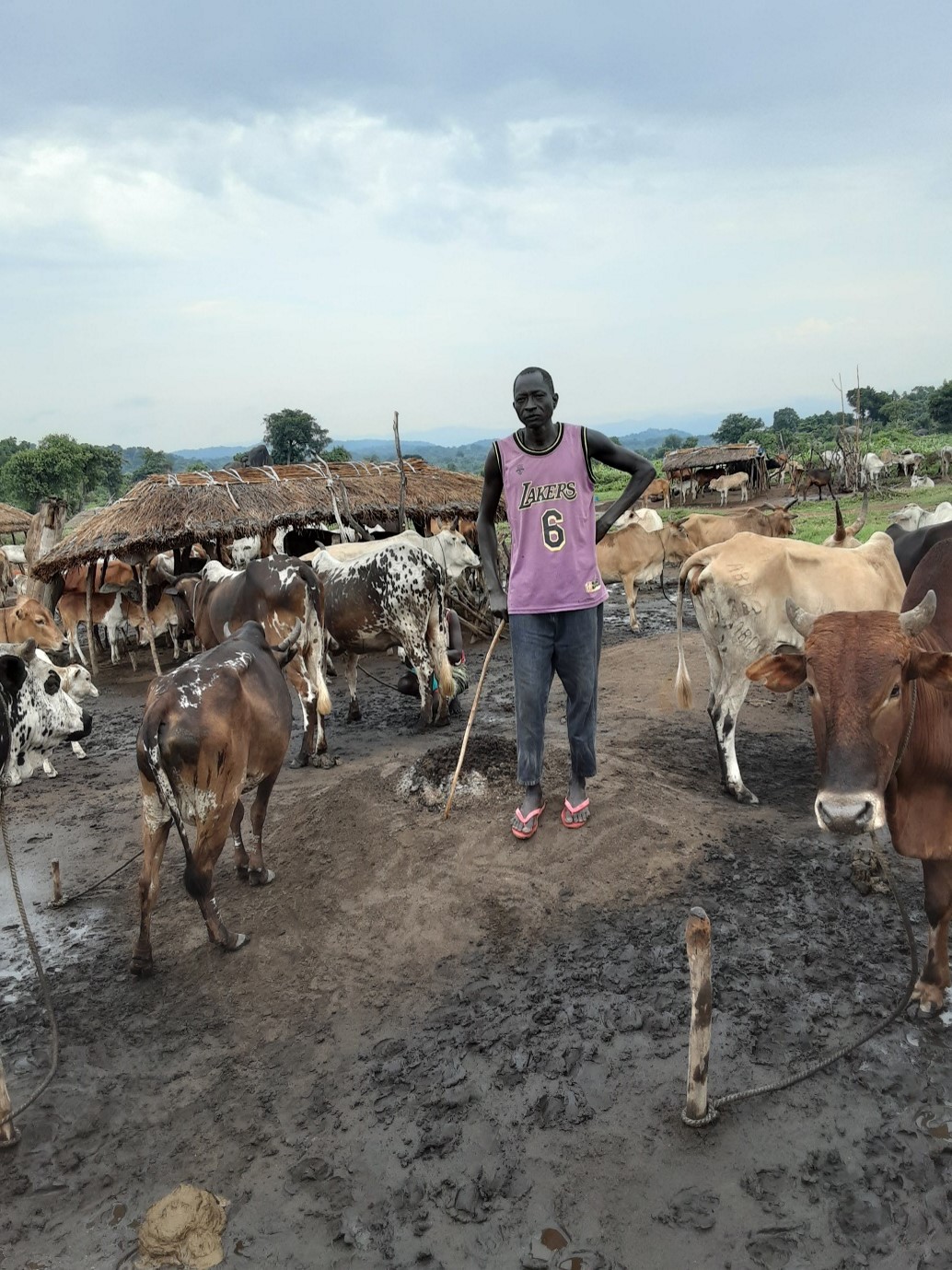
Photo 18: Meeting the herdsmen in the refugee settlement
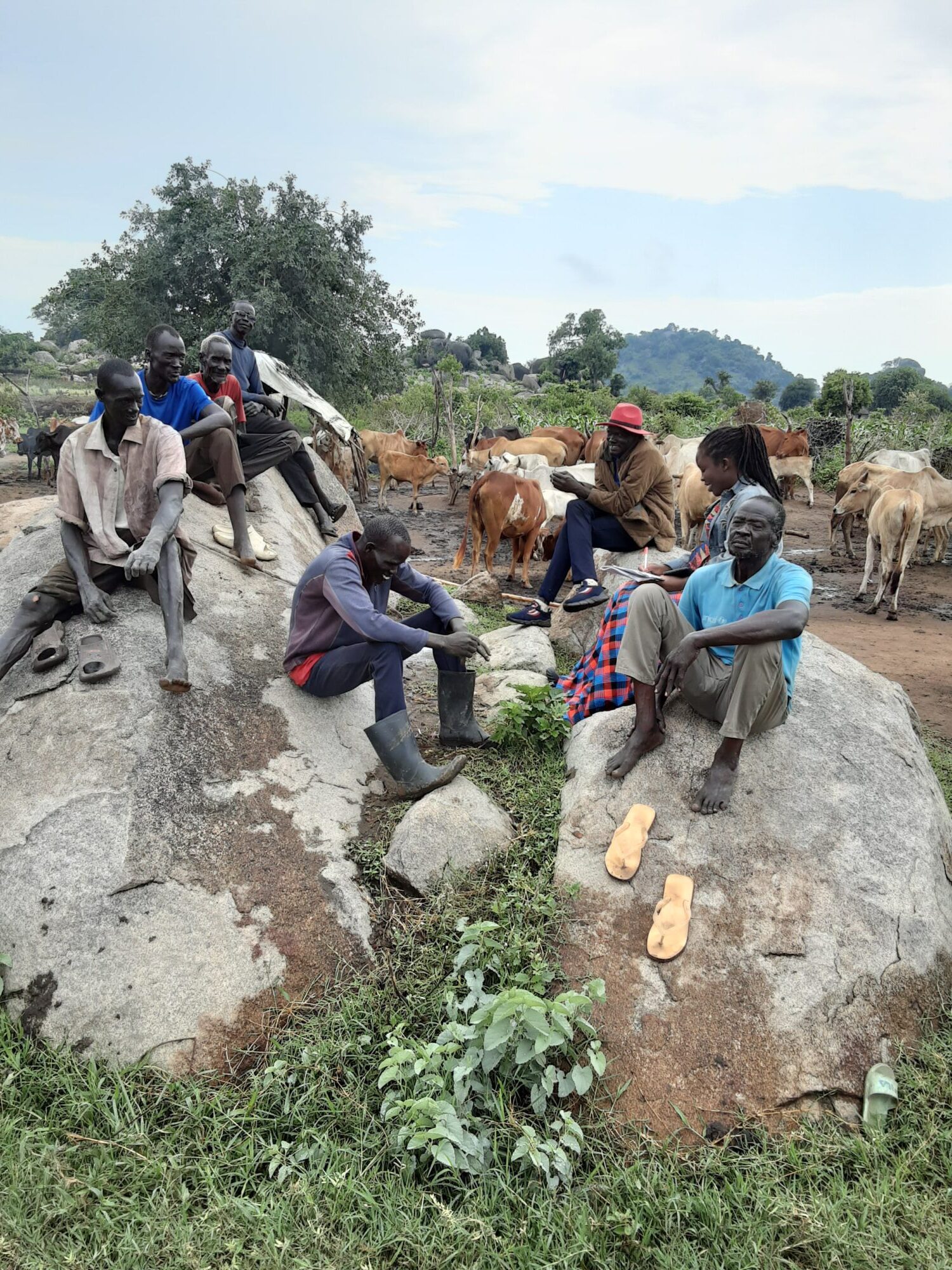
Photo 19: The Kraals in the refugee settlements

Project details

Other project members



Subject areas
Project number
6670
Project period
15/08/2023 - 31/07/2027
Collaboration partners
Norwegian University of Life Sciences (NMBU)
Western Norway University of Applied Sciences (HVL)
Sokoine University of Agriculture (SUA) -Tanzania
Gulu University (GU) – Uganda
Financing
The Research Council of Norway
News
Highlights from the Tanzania Workshop and Fieldwork
Date: 26th – 30th May 2025 Place: Sokoine University of Agriculture, Morogoro, Tanzania. Workshop participants Project Team, government…
Publications
- Article
2025
Contact us
Would you like to get in touch with us?
Fill in the form below and we will answer you as soon as possible.