
CREEP – From creeping crisis to deliberate transformation: Building a resilient and sustainable food system in Nordic regions
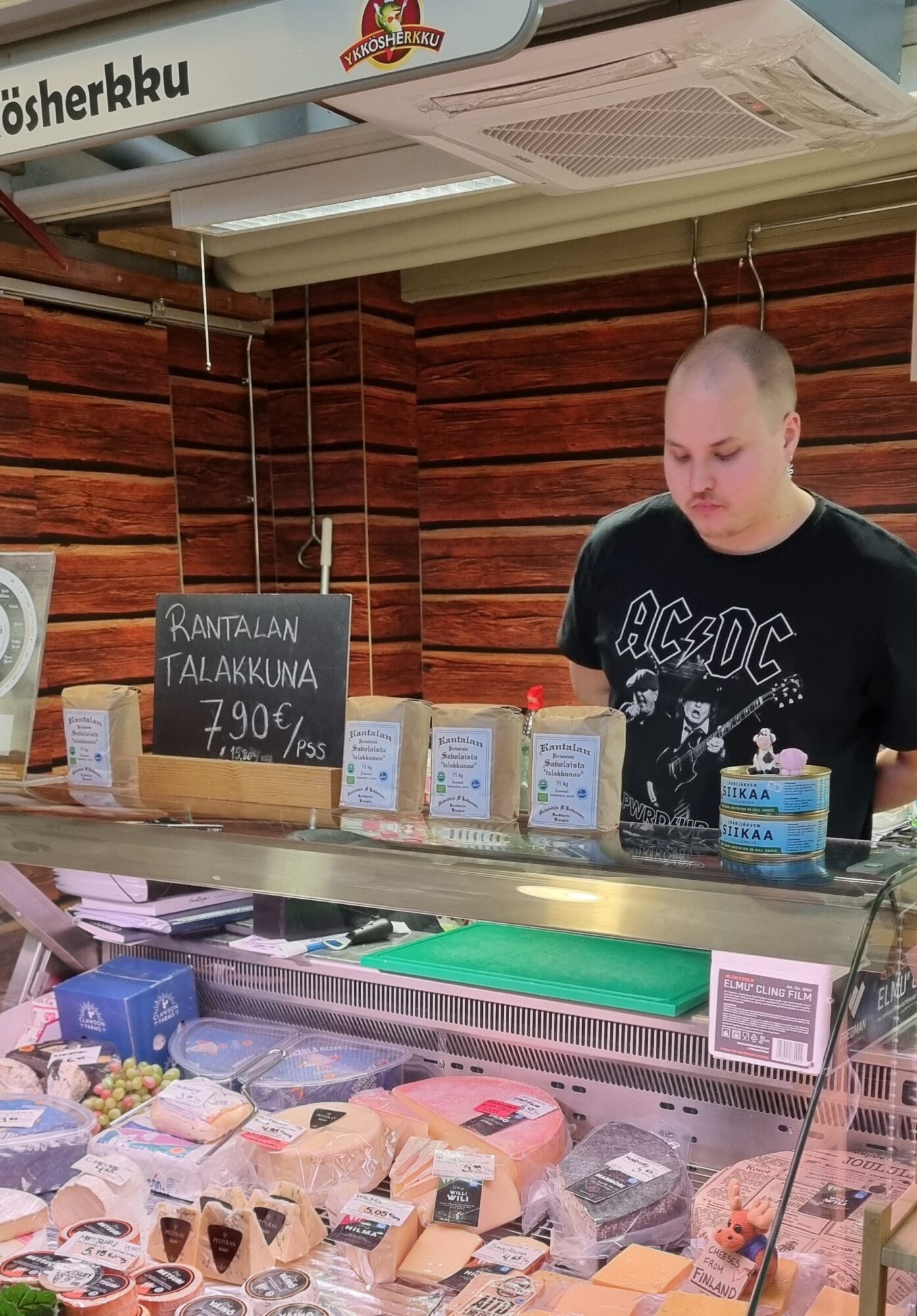
Researchers from Finland, Sweden, and Norway will study gradual negative developments that eventually might reach a tipping point. Food systems are complex, and as many systems, tend to “solidify” over time and become path-dependent through the concentration of power and resources, entrenched patterns of action among a relatively small number of actors, and limited new impulses. This…
Read MoreMore than farming. Ukrainian agriculture, identity and politics during the war with Russia

Intended for both academic and general readers, the book will be based on her extensive research in Ukraine before and after Russia’s full-scale invasion. In her book, Natalia examines the multifaceted role of agriculture in Ukraine during the war with Russia, showing that farming is not only an economic activity but also a crucial element…
Read MorePathways to preparedness: Reimagining socio-ecological resilience and everyday civil preparedness
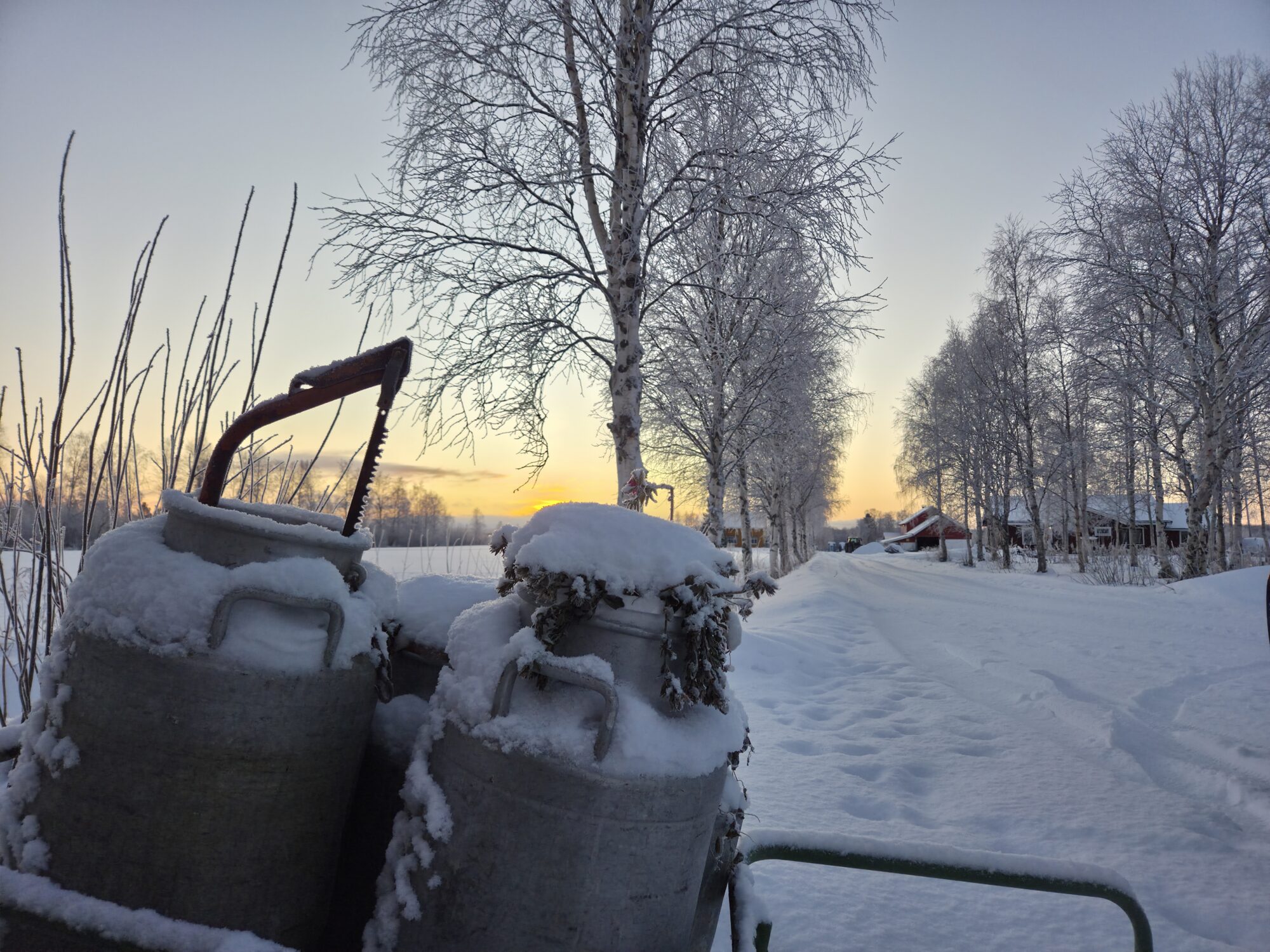
Contemporary overlapping crises have placed total preparedness on the political agenda. The involvement of civil society actors and local communities is considered an important part of strengthening preparedness and resilience during crises. Yet there is a dissonance between overarching national preparedness strategies on the one hand, and the everyday understandings, practices and strategies that unfold…
Read MoreNorwegian agricultural policy 2050
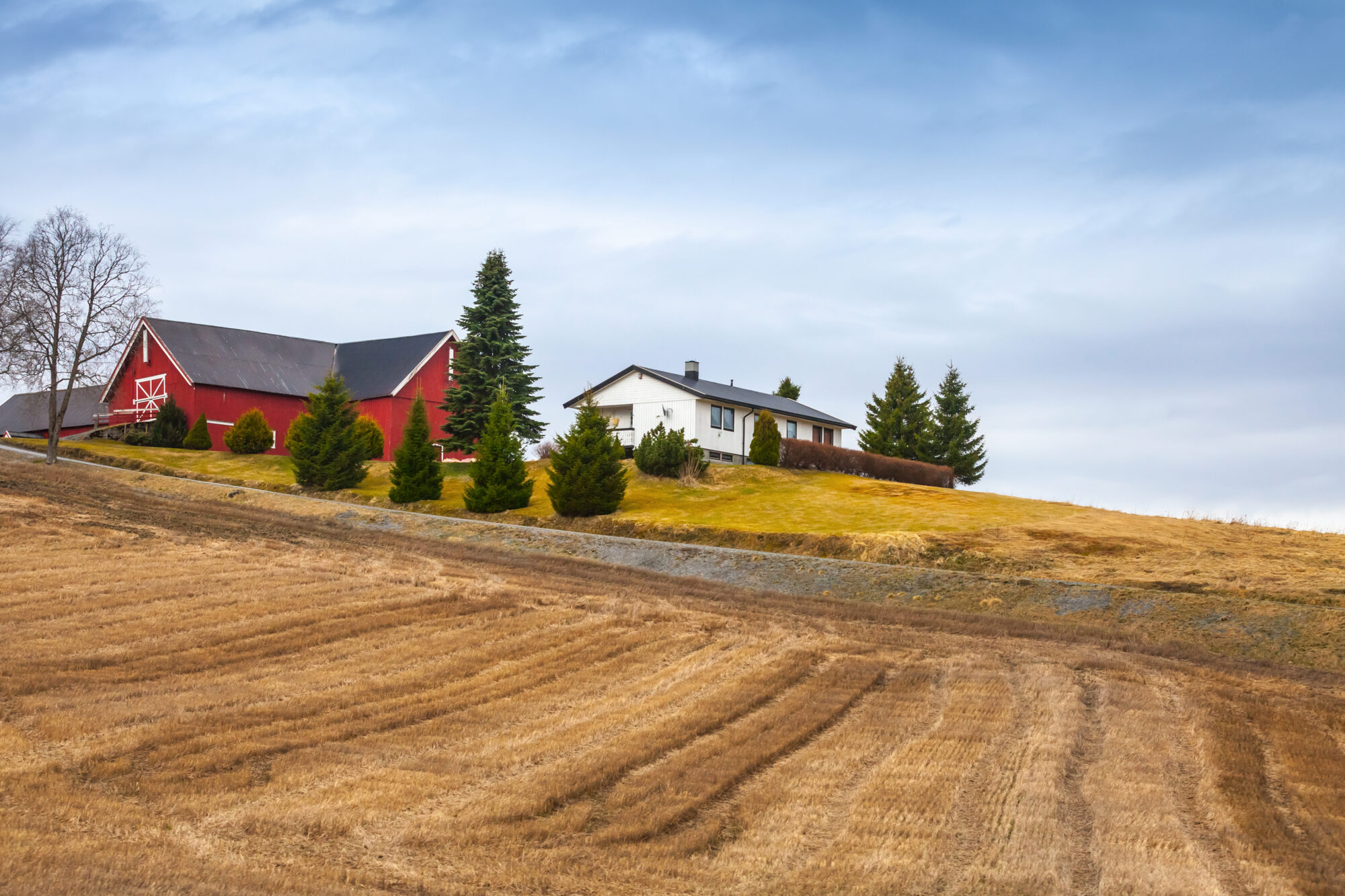
These challenges affect all parts of the business sector and the public sector, including agriculture. The Ministry of Finance and the Ministry of Agriculture and Food wish to shed light on the long-term potential for more efficient resource use in the agricultural sector through a series of simulations using the economic sector model Jordmod.
Read MoreBetween Nature Conservation and Local Development: Municipal Scope for Action and Trade-offs

Climate change, nature loss and decline in biodiversity constitute some of the most pressing international challenges. As stewards of nature and planners of future local communities, Norwegian municipalities are said to play a key role in the “green transition”. Municipal decisions highly affect the relationship between people, place and nature, and municipalities constitute democratic arenas where local priorities, values and interest meet…
Read MoreFrom regional relevance to transnational value: how regional food systems can boost resilience and self-sufficiency in Nordic and Baltic countries (RegioFoodS)
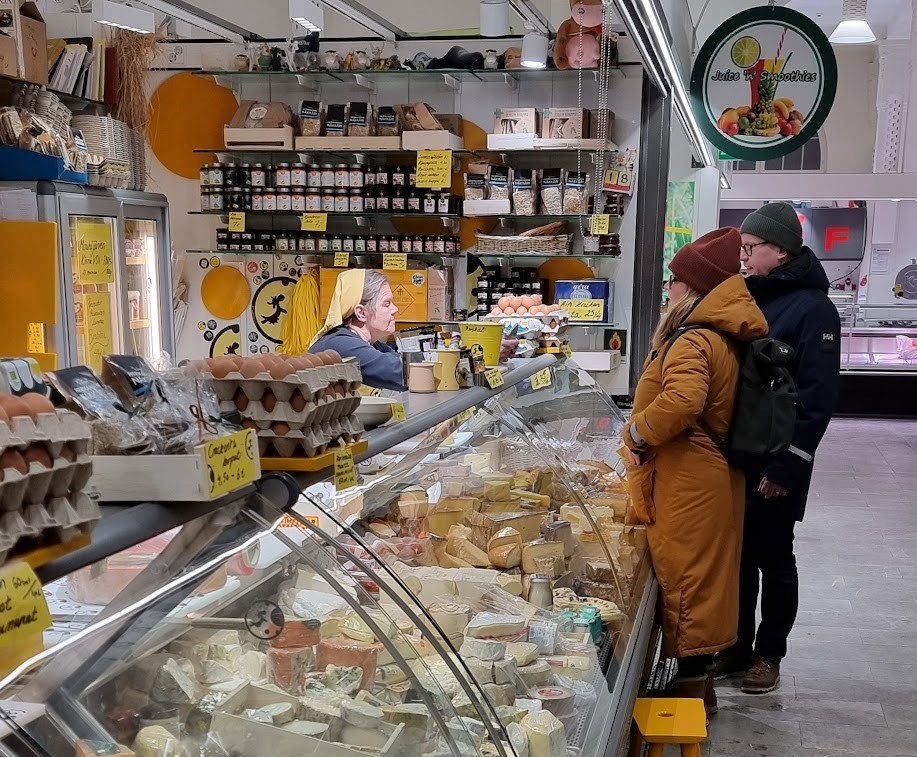
The project will: Map and compare seven regional food systems using indicators and vulnerability analyses. In Norway, Trøndelag has been selected. Identify key actors and involve them in regional working groups. Follow three selected food products from production to waste in each region. Assess how resilient the systems are in the long term and highlight…
Read MoreUrgency and pressures in critical mineral extraction – Potentials and pitfalls for just mining in Norway (URGENTMINE)
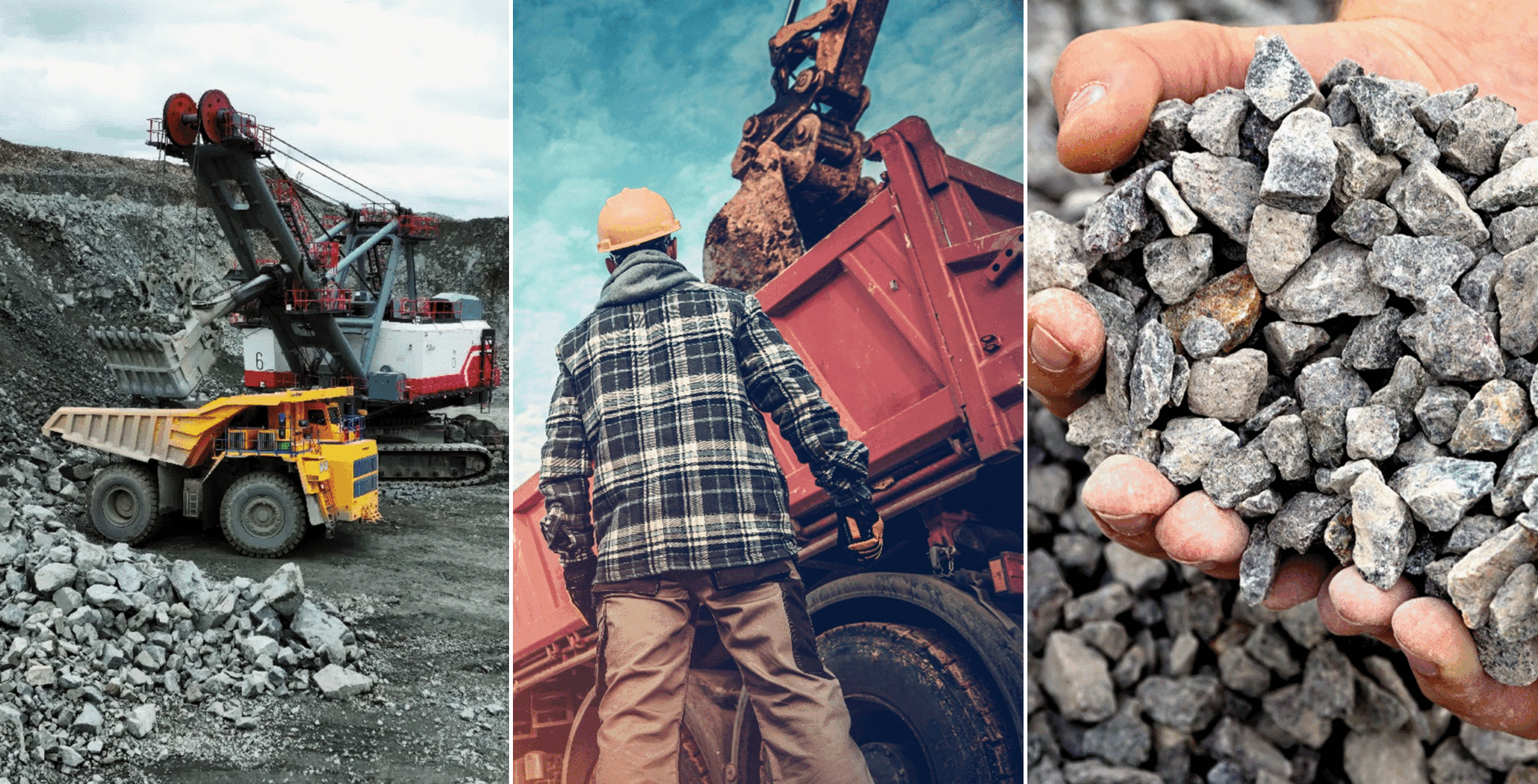
The research project URGENTMINE investigates how Norway can address these dilemmas. The project aims to develop knowledge that supports more sustainable and equitable mineral governance, and to improve understanding of the political and economic drivers behind the current push for increased extraction. While mineral extraction can generate economic value and strengthen resource security, it often…
Read MoreA Socioeconomic Analysis of Animal Collisions
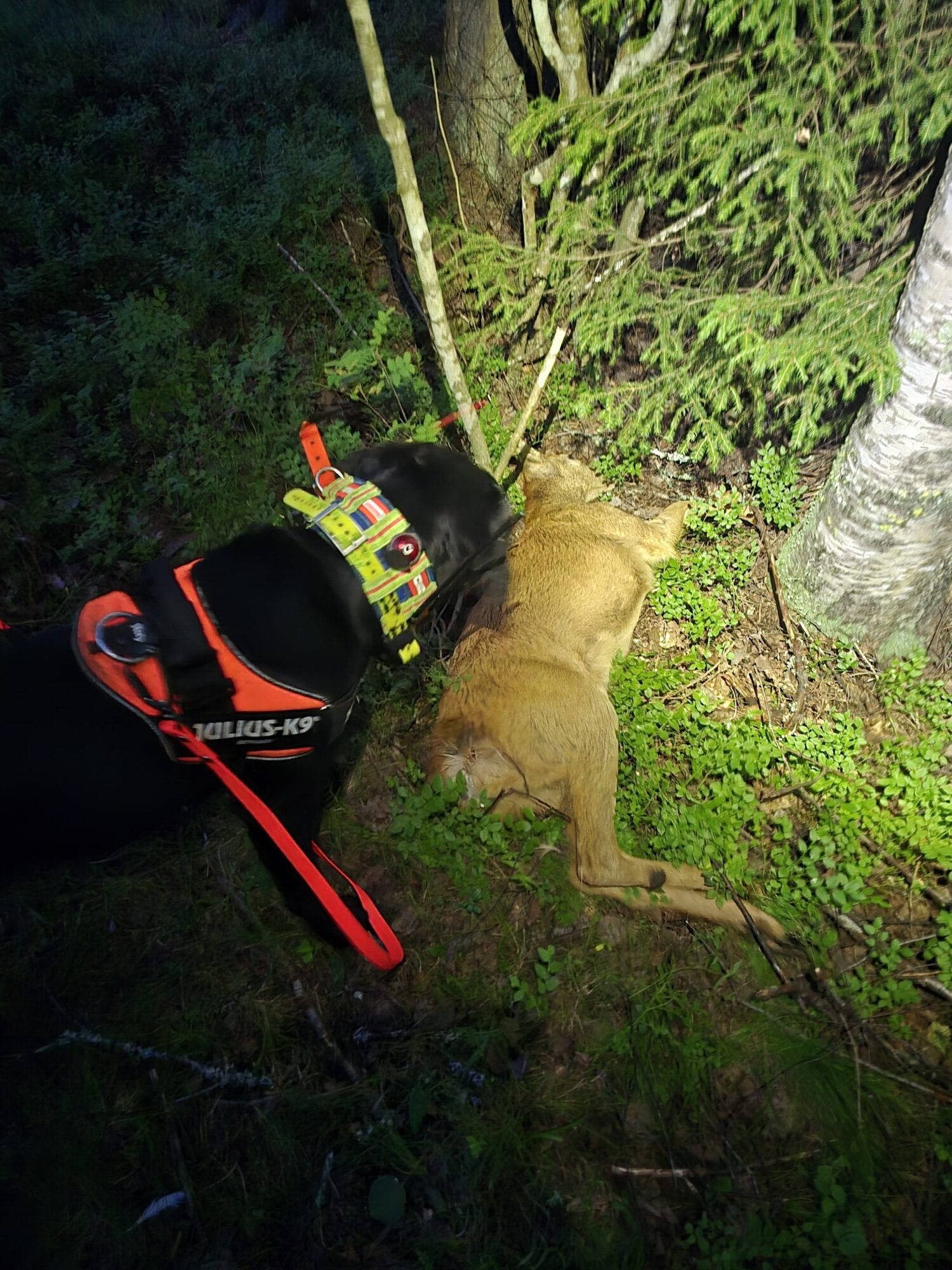
The overall socio-economic costs of wildlife–vehicle collisions are substantial and affect a wide range of stakeholders. Municipalities, the police, road owners, county authorities, and railway operators incur significant expenses related to notification, tracking, euthanasia, and clean-up. And in addition to material damage and delays, such incidents pose a risk of serious injuries and fatalities, which…
Read MoreCommunity-led local development in the former Nesset municipality
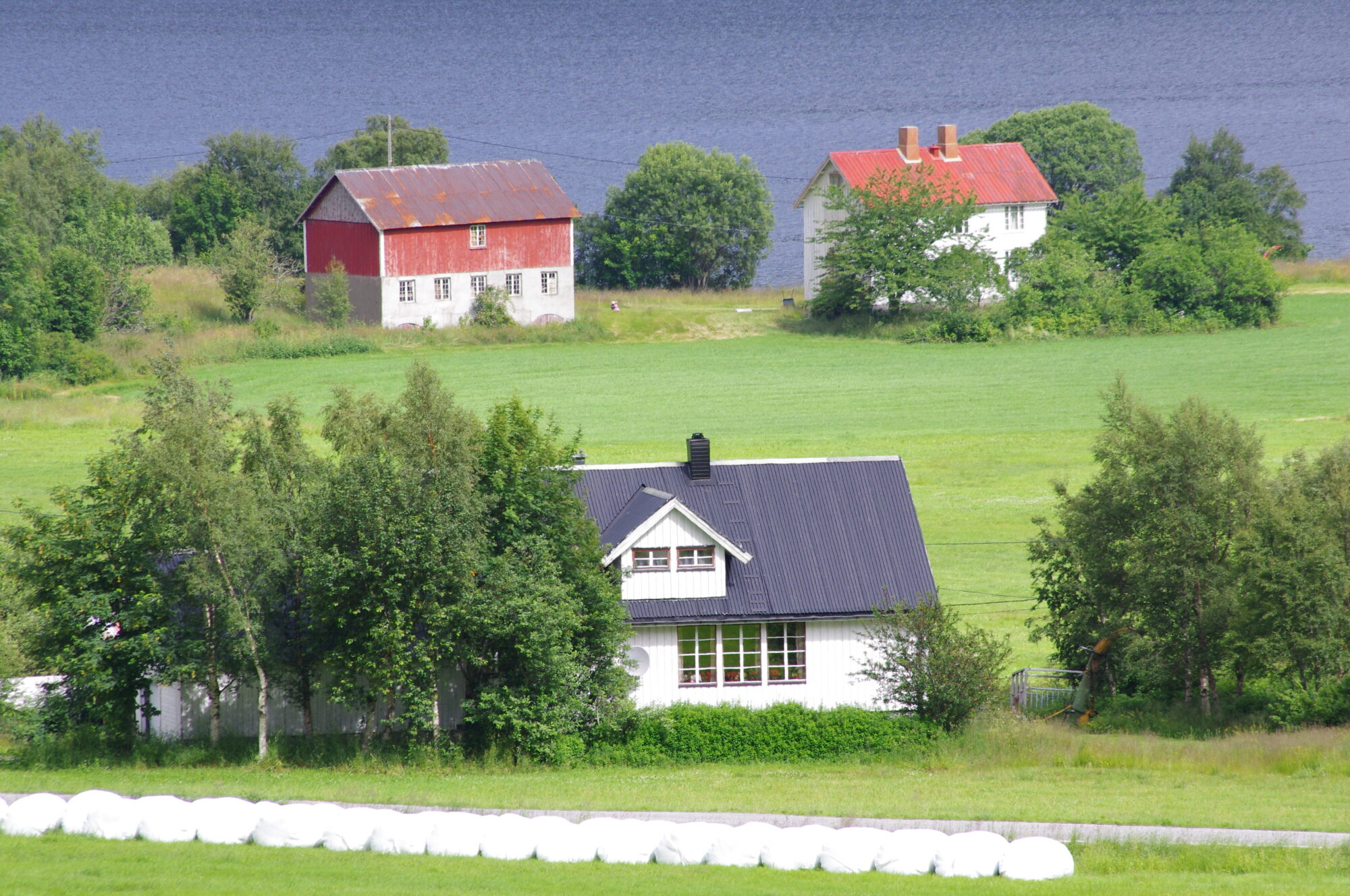
Through a qualitative research design, the project will explore and identify concrete measurements and activities that will contribute to place attractiveness in Nesset.
Read MoreExploring the implications of power dynamics for food system change and sustainability outcomes across food, environment, health and climate: MatMakt
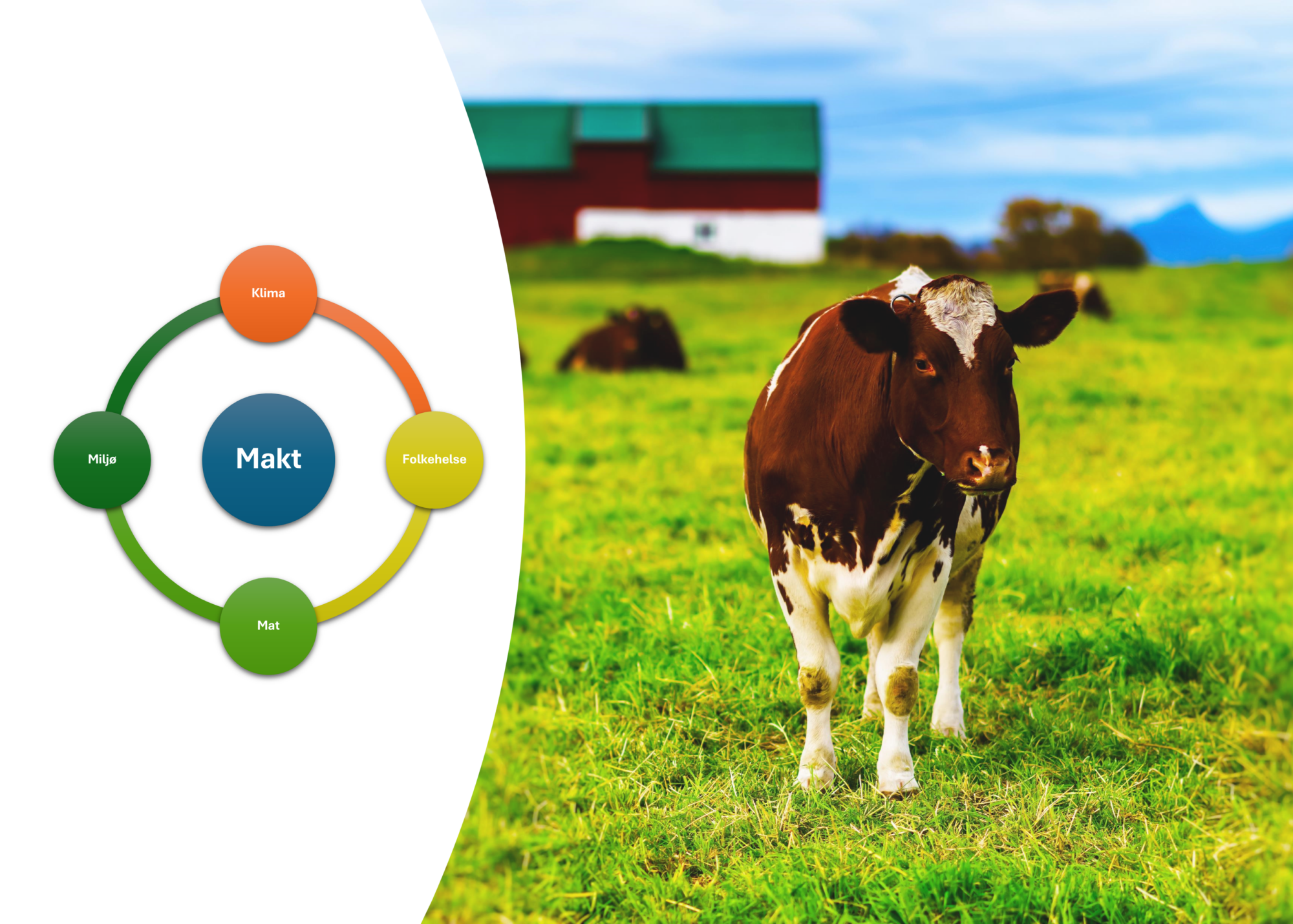
However, how we govern food systems significantly determines the nature of these connections, the extent to which they can be adapted and transformed, and resultant feedback effects that influence sustainability outcomes across food, environment, climate and public health (FECPH). Understanding and preventing unintended outcomes and realising positive outcomes, requires making food systems’ interactions, include power, more explicit so that…
Read MoreHousing development for vibrant rural communities and recruitment of qualified labor
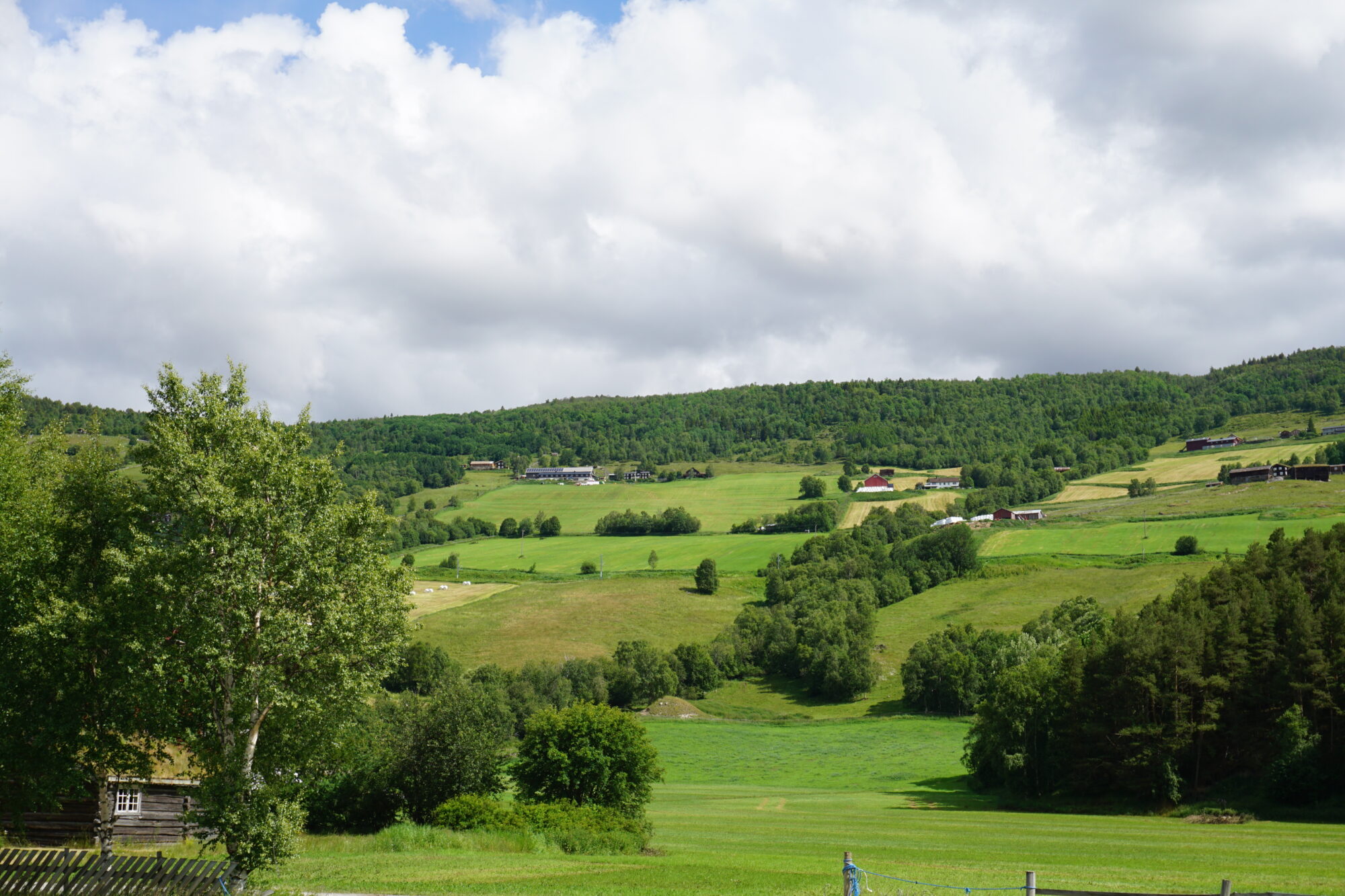
At the same time, there is a considerable group of “smallholding dreamers” in urban areas who long for a life closer to nature but encounter various barriers. The purpose of this project is to establish a solid knowledge base and validate a “Cluster Farm Model” (Klyngetun-modell) ahead of a potential main project application. The project…
Read MoreAnimalAlert

Bane NOR has been involved in the project since 2020 and has funded the earlier research together with the Norwegian Railway Directorate. This year, the research is funded by Bane NOR and Norske Tog, and the main activity involves installing a speaker system on selected trains and collecting data. The project’s impact goal is to…
Read MoreEvaluation of the Common Agricultural Policy in Germany
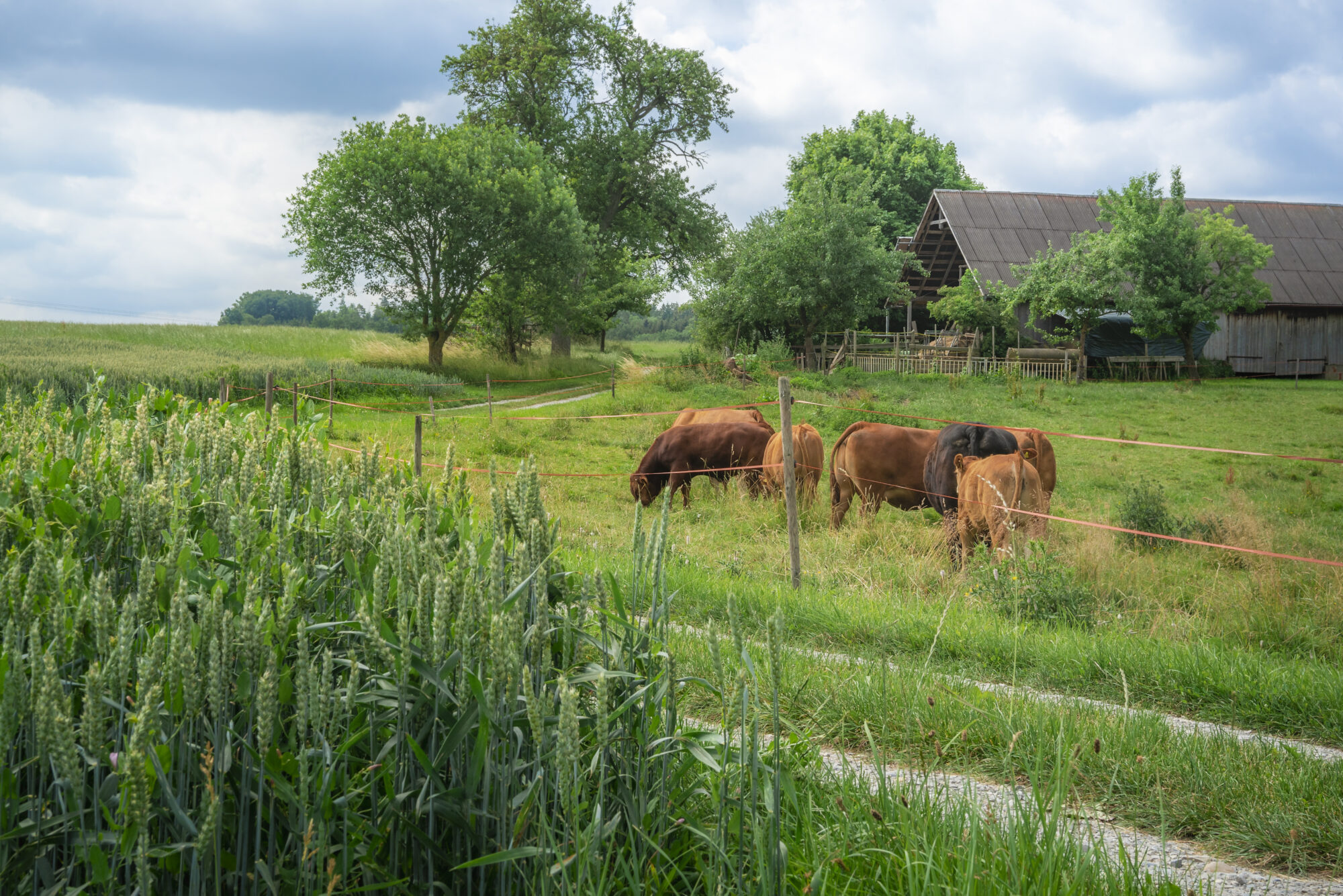
The client is the German Ministry for Agriculture, Food and Regional Identity (“Heimat”). The project will evaluate the period 2014-2022 and the specific strategy for the implementation of the CAP in Germany. The specific task of Ruralis is to conduct a counterfactual analysis with the European agricultural model CAPRI to assess whether the agricultural policy…
Read MoreLocating and utilizing Norwayʼs lost and underused agricultural land reserves (AGRILAND+)
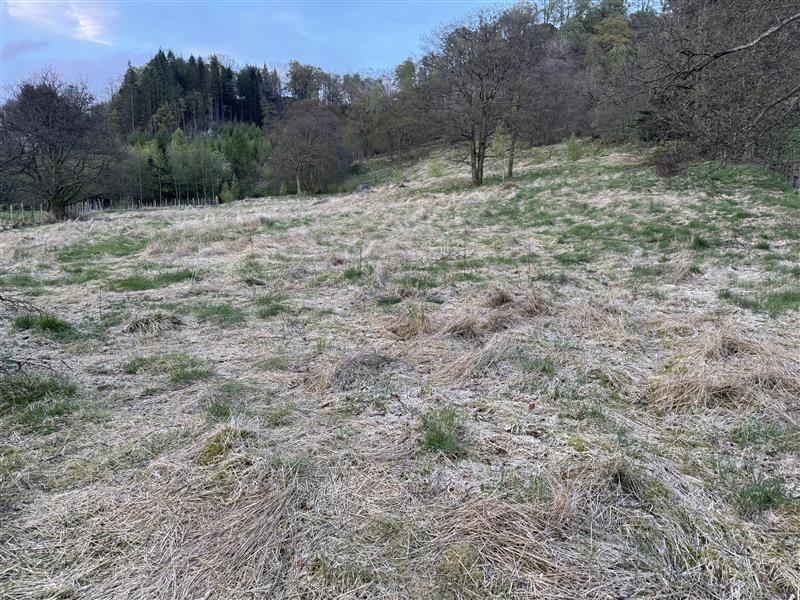
It is also an endangered resource, both because it is often built down in favor of housing development and infrastructure, and because it is more difficult to establish new agricultural land when climate considerations and biodiversity are to be safeguarded. Nevertheless, we also see that the amount of abandoned agricultural land is increasing year by…
Read MoreSolarFood: Developing inclusive business model (BM) concepts for solar food drying in the Himalaya region
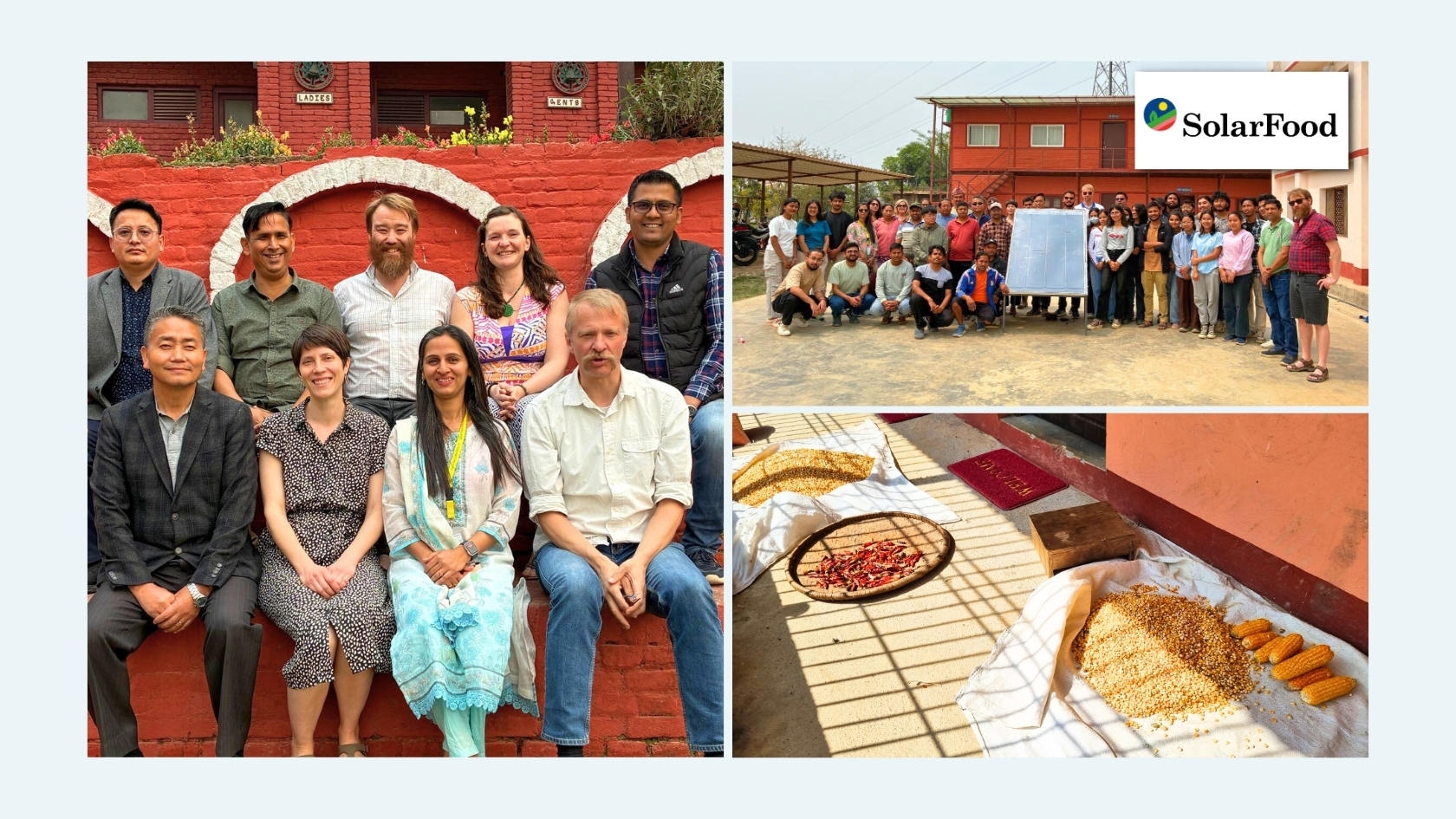
Business models will be developed and tested with local stakeholders, particularly women-led agricultural cooperatives. In lowering post-harvest losses, SolarFood will contribute to addressing the issues of both food access / security and poverty reduction. The goal is to improve the nutritional content of solar dried foods and developing marketable products that can provide a new income stream…
Read MoreIntegrating climate, environment, and public health in the Norwegian food system to assess efficient, safe, and acceptable policy options
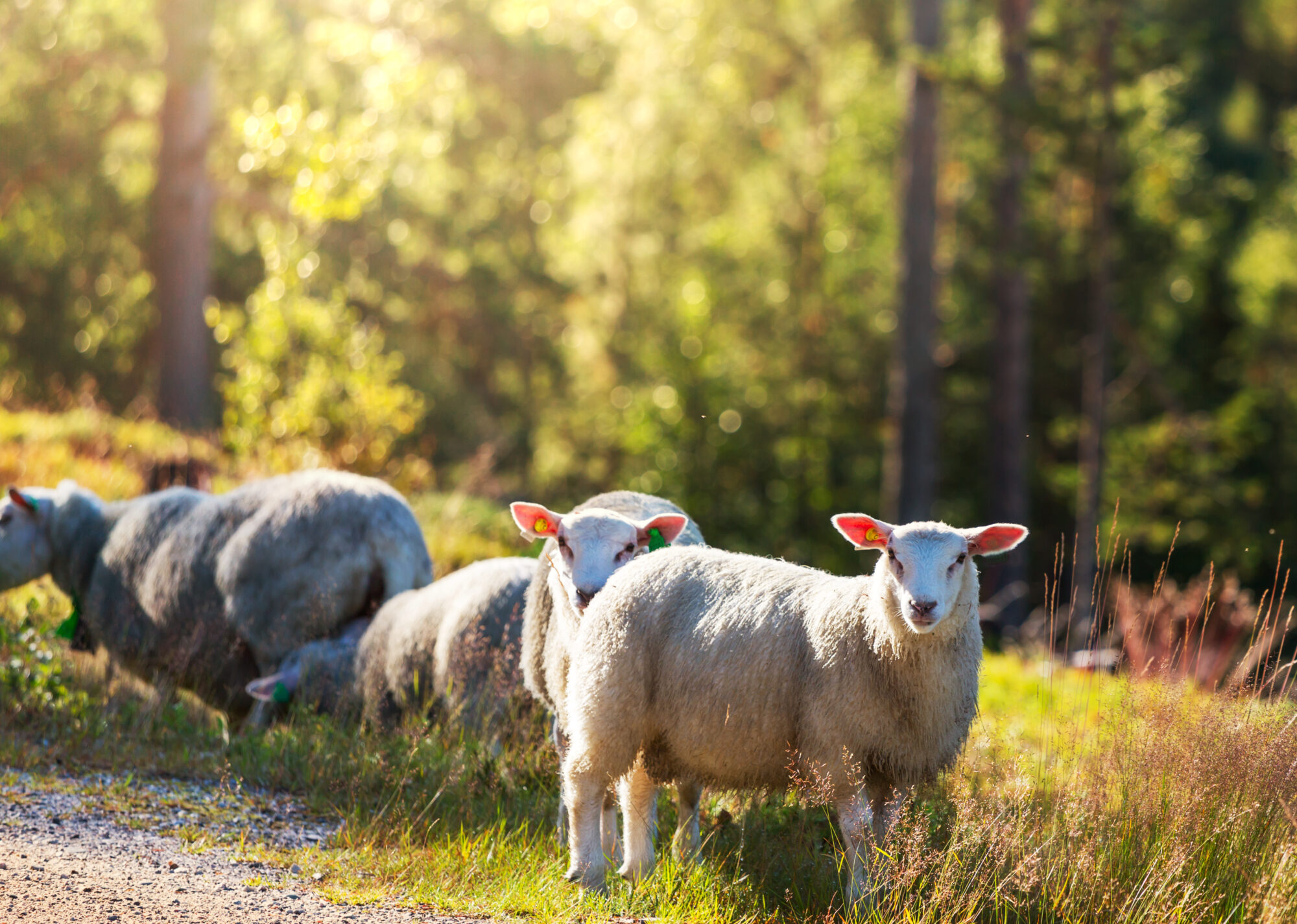
CHEOPS will propose a new, holistic, interdisciplinary and integrated analysis to uncover the many interdependencies related to food, environment, climate and public health. The main method is economic modeling to analyze trade-offs, synergies, benefits and costs based on both monetary and non-monetary valuation of ecosystem services and other conditions related to agriculture. The main goal…
Read MorePEST-TOX, Eksponering for plantevernmidler og mulig betydning for human helse
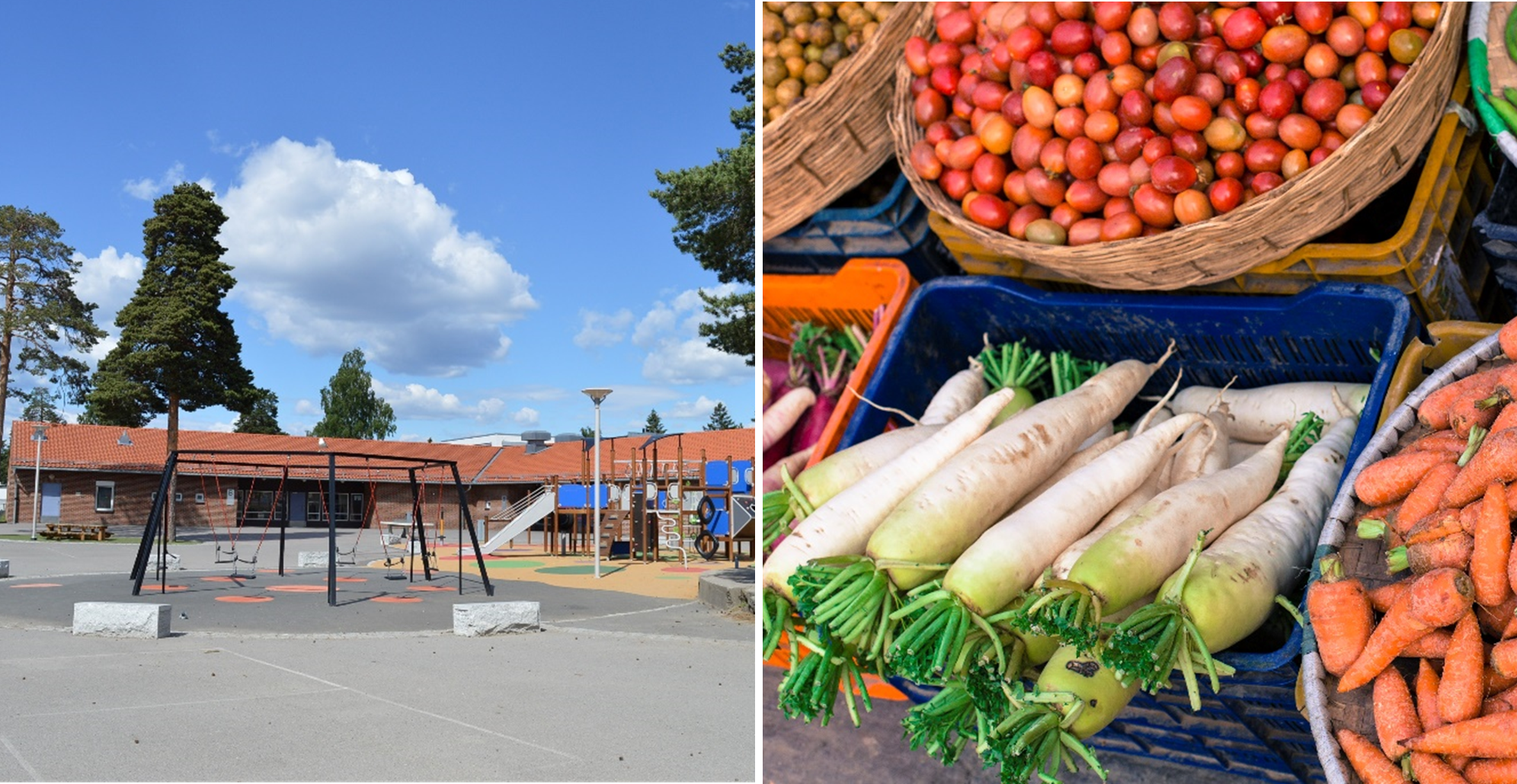
When evaluating approval, the protection of human and animal health, as well as the environment, should take precedence over the goal of enhancing plant production. However, a significant challenge is that our understanding of the effects of pesticide use on human health may be limited; health problems can take a long time to manifest after…
Read MoreDeveloping social science methods for evaluating sustainability in Norwegian feed system for Norwegian livestock and aquaculture (SocialFeed)
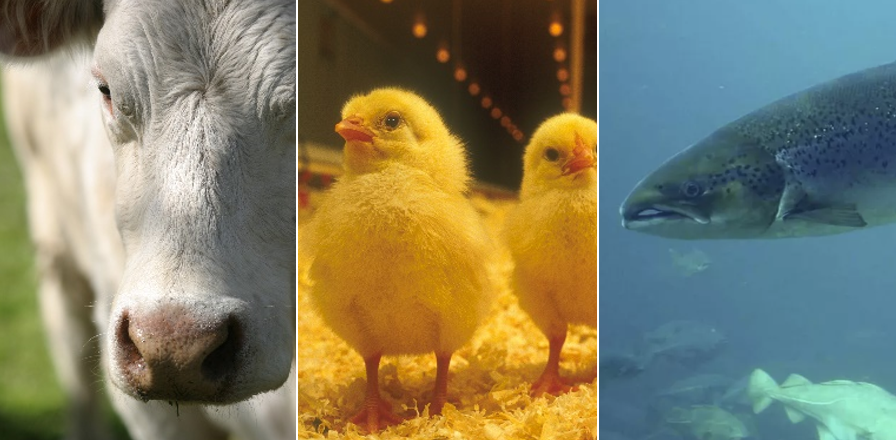
This shortcoming may neglect the importance of the social part of sustainability for feed production whether Norwegian or imported. To explore this, three main cases i.e. cattle, chicken and salmon and their current feed ingredients along with the most promising novel feed ingredients of the future will be included. Methods like Social Life Cycle Assessment,…
Read More