
Sustainable Eaters – Consumers in a sustainable Norwegian food system
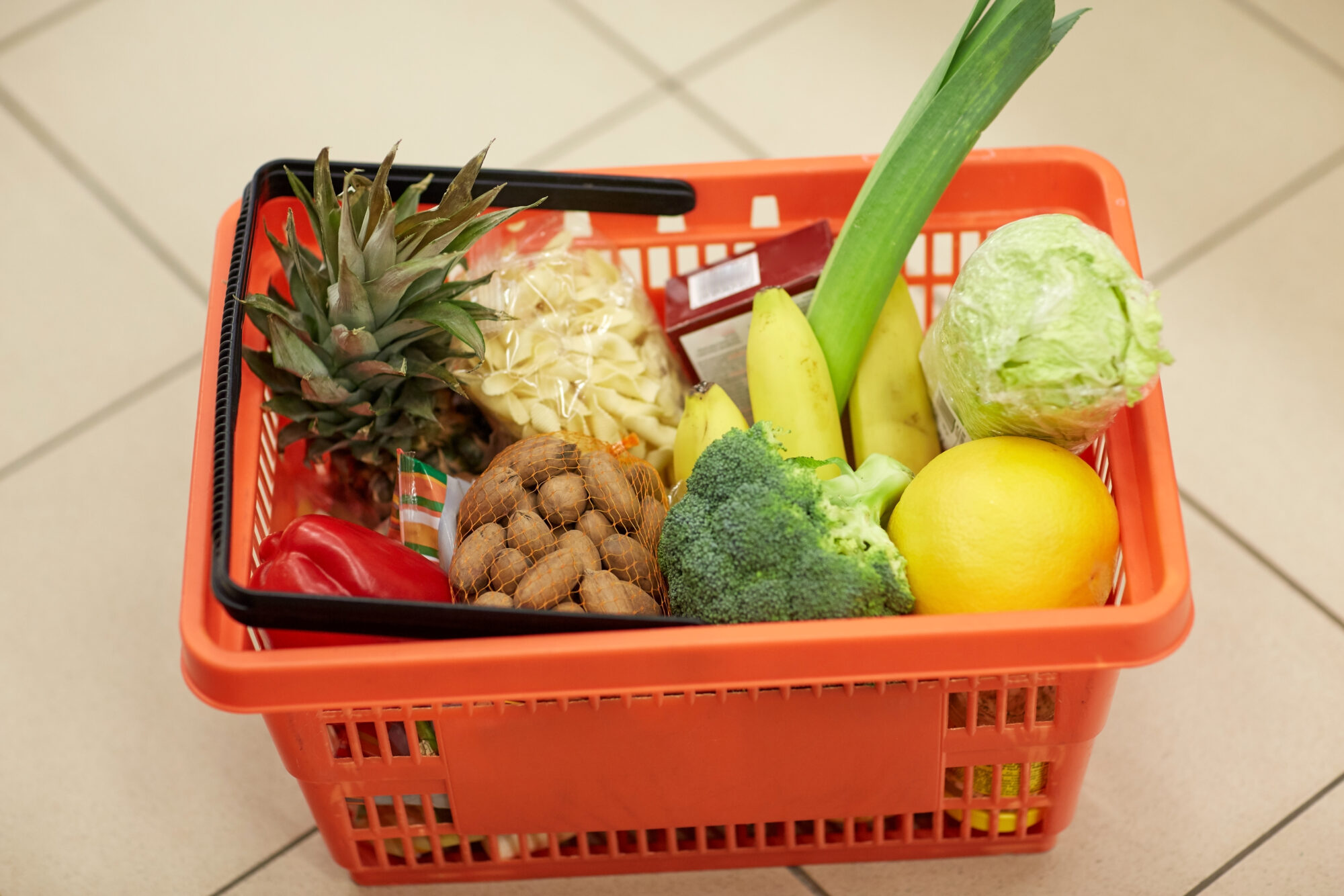
Slow progress on the Sustainable Development Goals, along with ambitious Paris Agreement targets, requires a rethinking of food systems. The food system is responsible for high emissions and impacts public health, trade, industry, and the environment in various ways. Sustainable Eaters supports a more sustainable food system by focusing on the consumer. The project aims…
Read MoreLANDWELL: Climate-induced welfare impacts of ecosystem goods and services from agricultural and seminatural landscapes in Norway

These landscapes and resources are also important for other sectors such as tourism, recreation and food industries and contribute to good living conditions and quality of life, especially in rural areas. Little is still known about both how climate change will affect the agricultural sector’s ability to provide EG&S from cultural and seminatural landscapes, and…
Read MoreCreating, Optimizing and Planning Positive EneRgy districts: connecting citizens’ energy at different geographical levels (COPPER)

Next to market parties and government, the role of citizens in energy communities (ECs) in developing Positive Energy Districts (PEDs) can and should be strengthened, and wider groups of citizens can be involved. From this shared problem and understanding, this project wants to create and co-develop P2P citizens-based support and information systems that are inclusive…
Read MoreJustice First! Community-embedded Energy Transition Planning for Climate Resilience
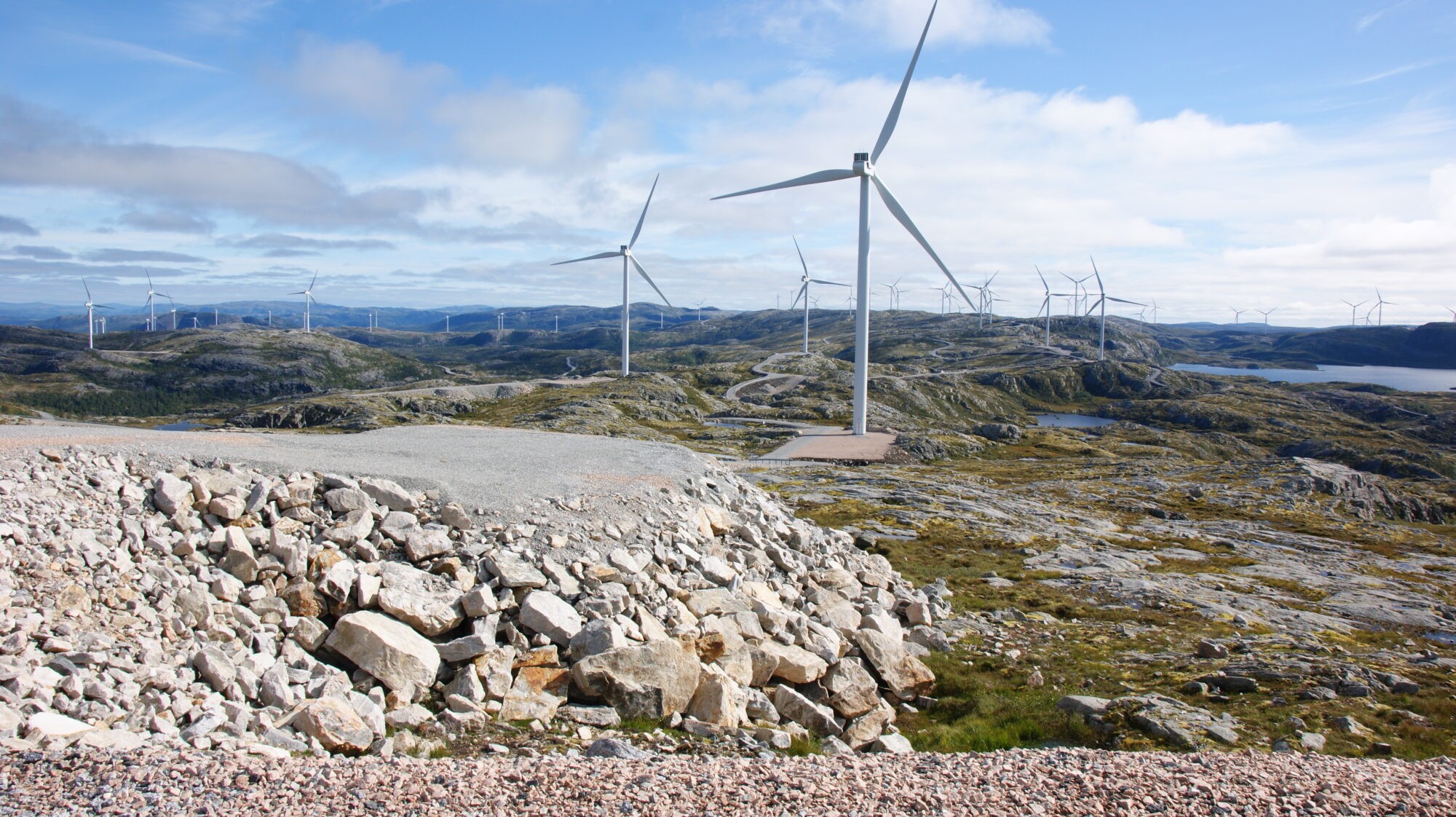
JusticeFirst! enhances energy transition planning by integrating climate mitigation and adaptation, emphasizing justice, and embedding solutions within local geographies. Special attention is given to vulnerable and marginalized groups, whose empowerment reduces inequity and promotes sustainable development. JusticeFirst!’s main objectives are to co-produce knowledge for climate adaptation, focusing on justice and wellbeing, and to develop scalable…
Read MoreGRASS CEILING – Gender equality in rural and agricultural innovation systems
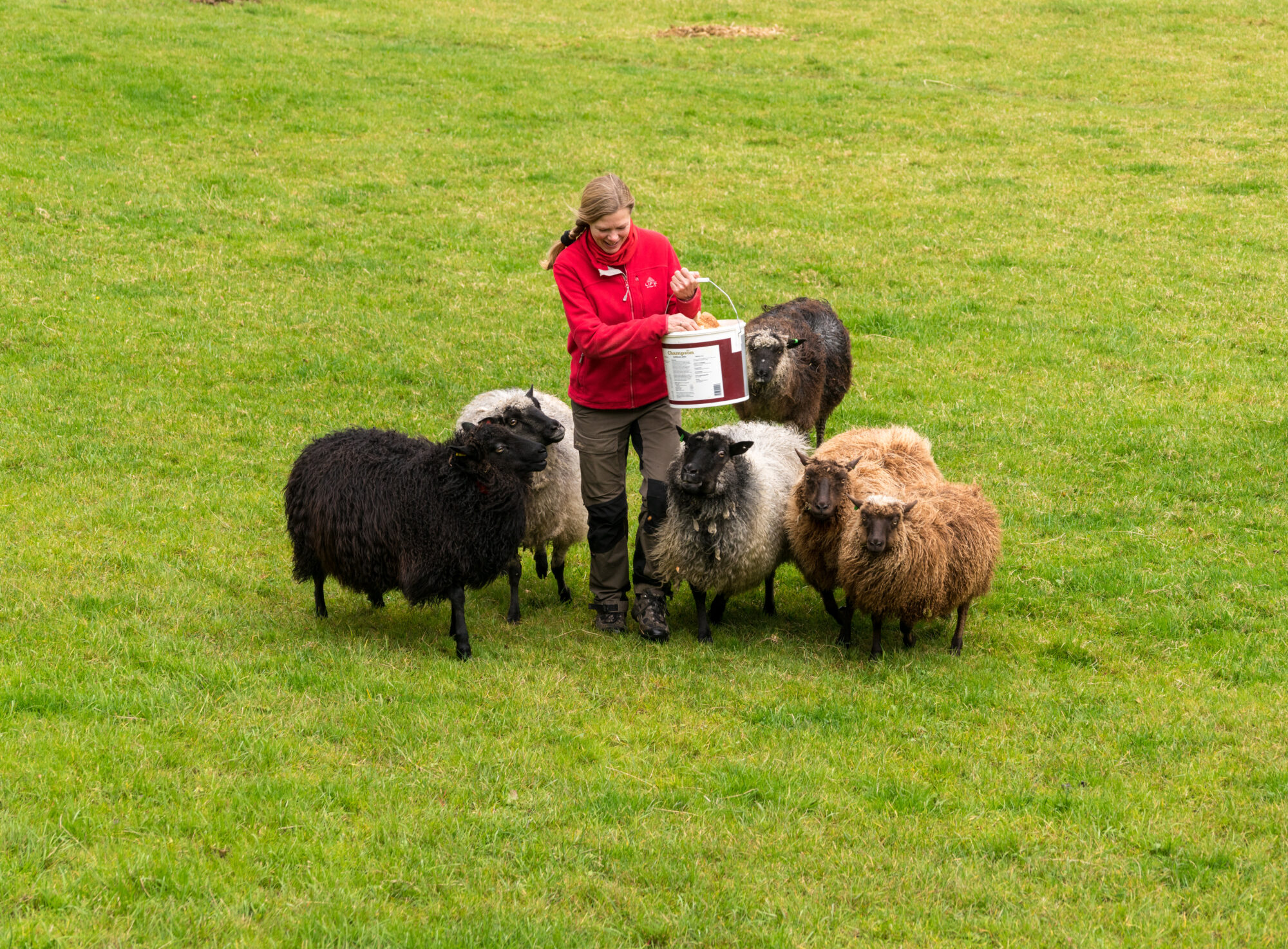
GRASS CEILING is a multi-actor three-year project which aims to empower rural women and increase the number of socio-ecological innovations led by women in agriculture, the rural economy and rural communities. The project will contribute to advancing the UN’s goals on gender parity, realise the EU Gender Equality Strategy, and achieve the goals of the…
Read MoreForum for landbrukshelse
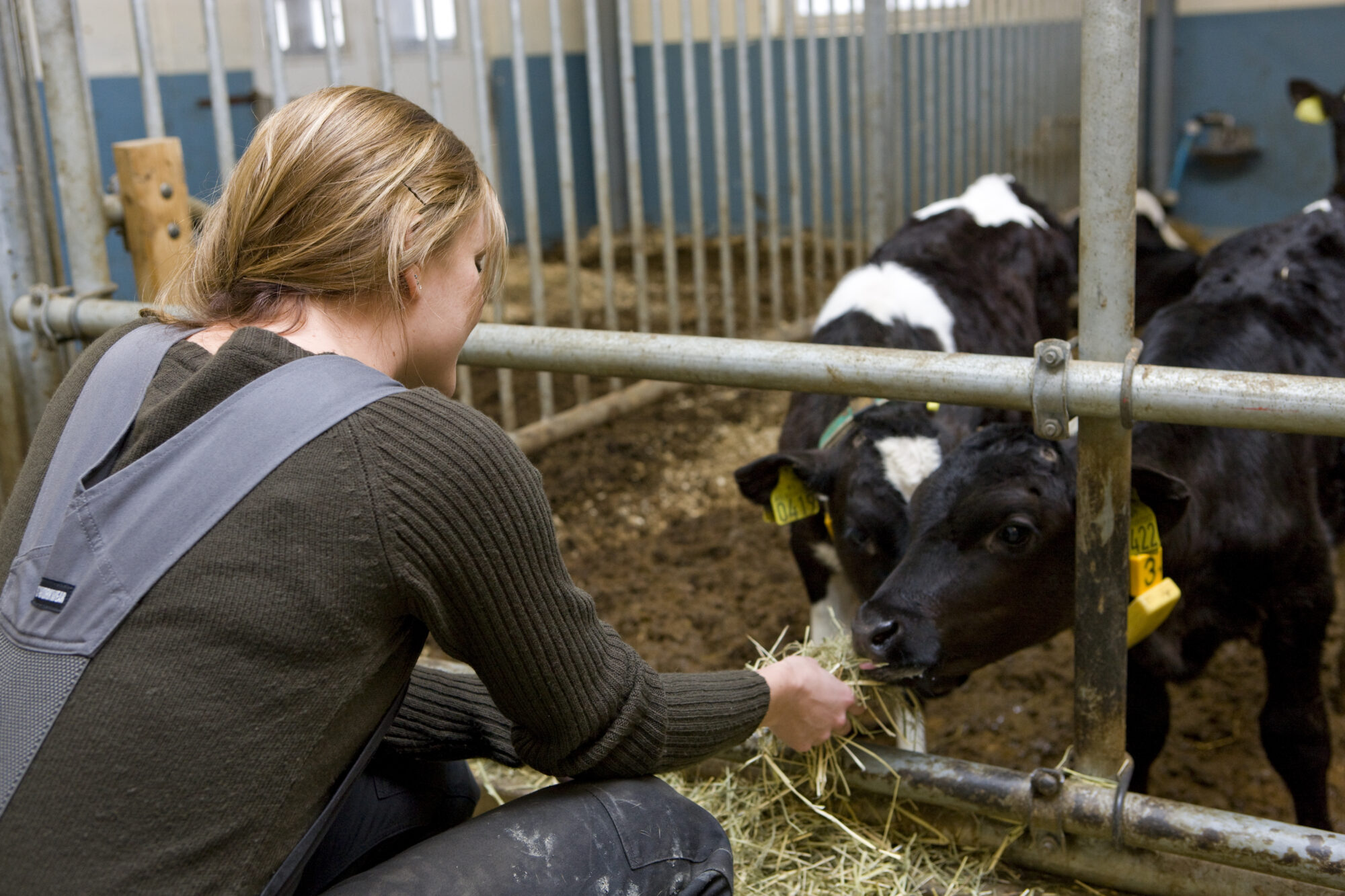
Forumet består av representanter fra følgende organisasjoner eller institusjoner: Norges bondelag Trøndelag bondelag Norsk landbruksrådgiving Landbruksdirektoratet Landbruks-og matdepartementet Arbeidsmedisinsk avdeling ved St. Olavs hospital Ruralis- Institutt for rural- og regionalforskning Ruralis har sekretariatsfunksjon. Forumet møtes to ganger i året. Fra Norsk landbruksrådgiving og Norges Bondelag deltar både tillitsvalgte og ansatte. Forumets formål er å være…
Read MoreECOFOOD: Creating Inclusive and Sustainable Food Systems in Refugee Hosting Contexts in Sub-Saharan Africa (SSA)
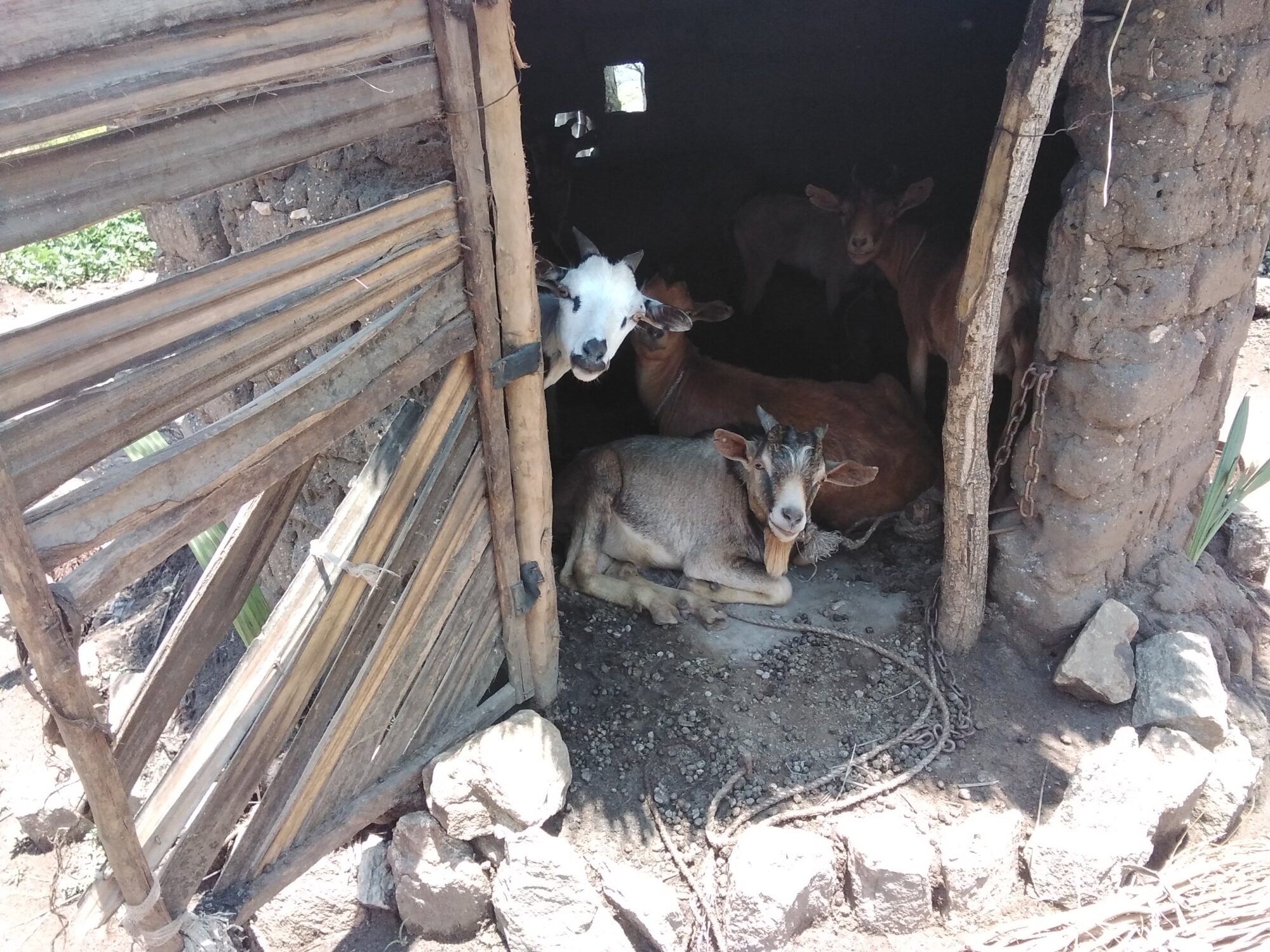
About ECOFOOD Creating Inclusive and Sustainable Food Systems in Refugee Hosting Contexts in Sub-Saharan Africa (ECOFOOD) is a four-year project (2023-2027) with activities running in Uganda and Tanzania. Food as a human right- we have a moral obligation to address persistent hunger. Food aid is limited in guaranteeing food security in the face of continuous…
Read MoreLAMASUS – Land Management for Sustainability

The project creates an open access modelling toolbox to build sound land use policies in the framework of the European Green Deal. We are creating an innovative modelling system that can anticipate the potential impacts of different agricultural and forestry policies. By using our tools, policy makers can evaluate the economic and environmental benefits of…
Read MoreKARBONMAT: Designing sustainable business model (SBM) concepts for carbon sequestration in soils to transform the Norwegian food system
Research objectives The overall objective of KARBONMAT is to develop sustainable business model (SBM) concepts for carbon sequestering soils in Norwegian agriculture that enable farmers to adopt healthy soil management practices, and companies to invest in these to contribute to local sustainable food systems, new practices in primary production, improve biodiversity and reduce their climate…
Read MoreGrassland conservation across European landscapes protecting biodiversity and ecosystem services with ecological networks

They are valued for their biodiversity and ecosystem services (ES) and have often been formed by traditional agricultural land-use. They are increasingly challenged by changes in farm management and land-use through both intensification and abandonment. Aligning biodiversity and ES conservation agendas with sustainable agricultural land-use is an important societal priority. Integrating social-ecological knowledge on grassland…
Read MoreAgrisocial: Towards a socially sustainable green transition for agriculture and rural communities
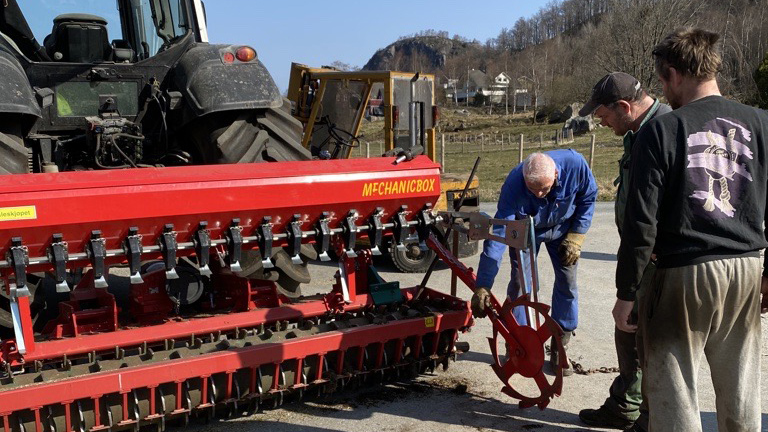
Norway is heading towards a green transition which aims to ensure a sustainable future.
Read MoreWelfarm: Improving animal welfare regulatory compliance in dairy and pig farming
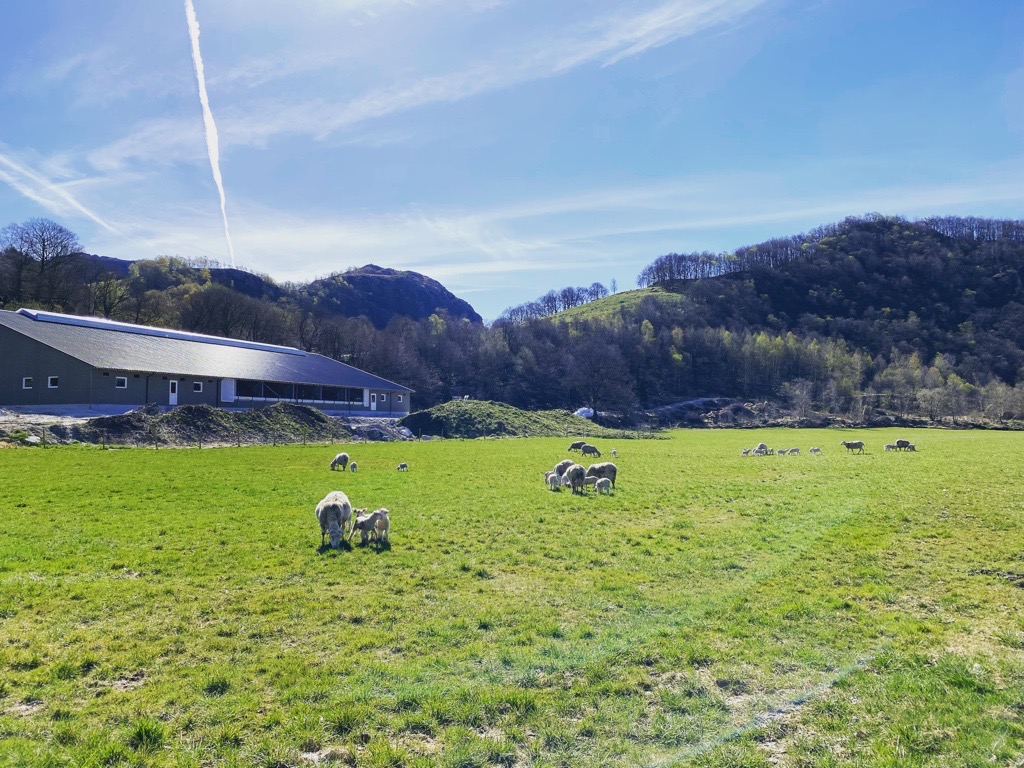
Promoting good animal welfare is enshrined in law, a key objective of the Norwegian livestock industry, and an important public justification for providing economic support to farmers. Yet despite an extensive regulatory and legal framework, firm commitments to good animal welfare from key stakeholders, and routine on-farm assessments conducted by the Norwegian Food Safety Authority…
Read MoreRural reawakening in Norway
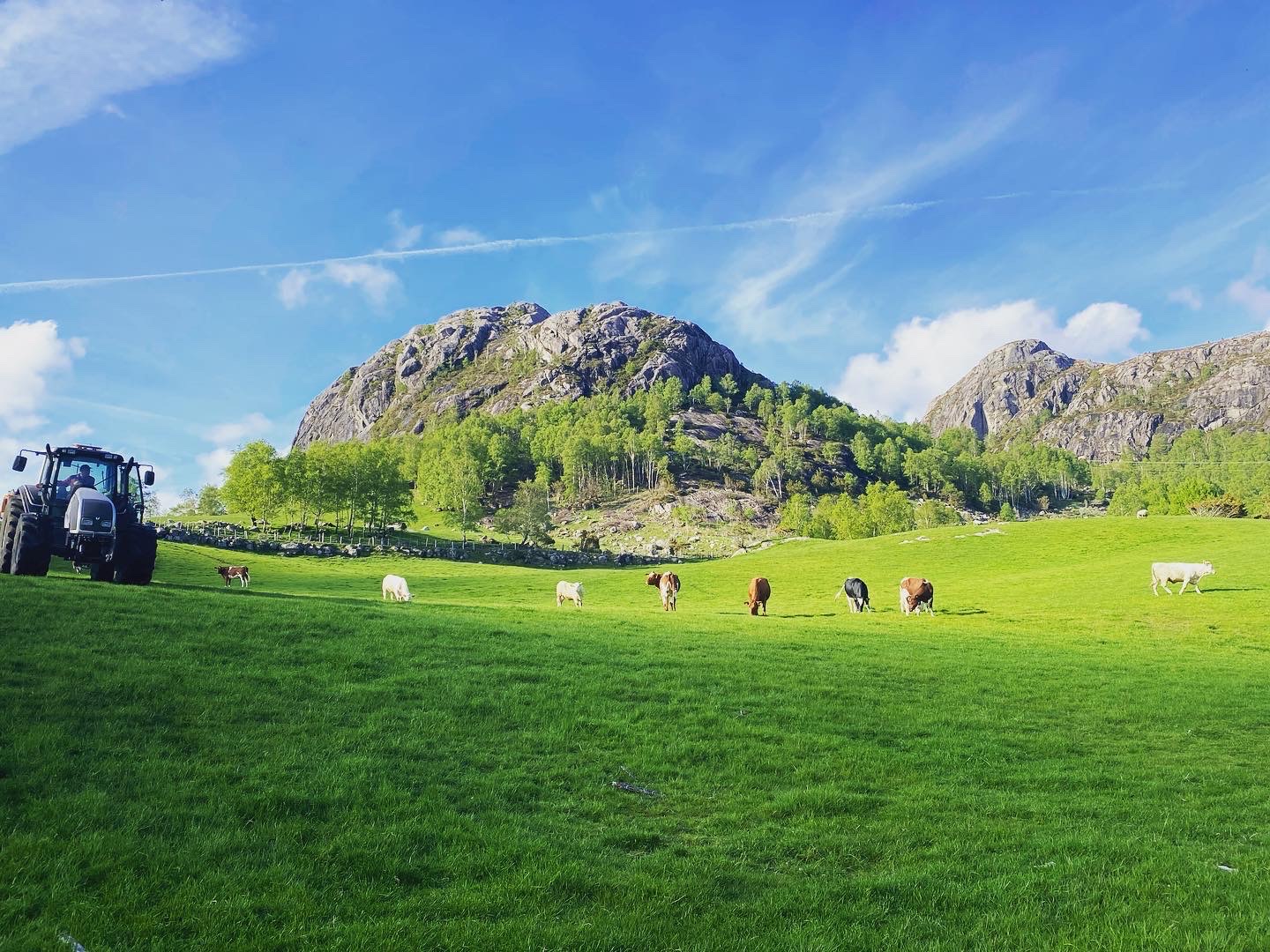
This rural reawakening is a societal backlash against neoliberal policy reforms, the state withdrawal from welfare provision, cultural and economic globalization, perceived threats to the ‘rural way of life’, and other changes in the countryside. Related rhetoric and protests can often take on nativist, conservative and even xenophobic expressions, making them easily slip into a…
Read MoreClimate Smart Management for Resilient European Cropping Systems
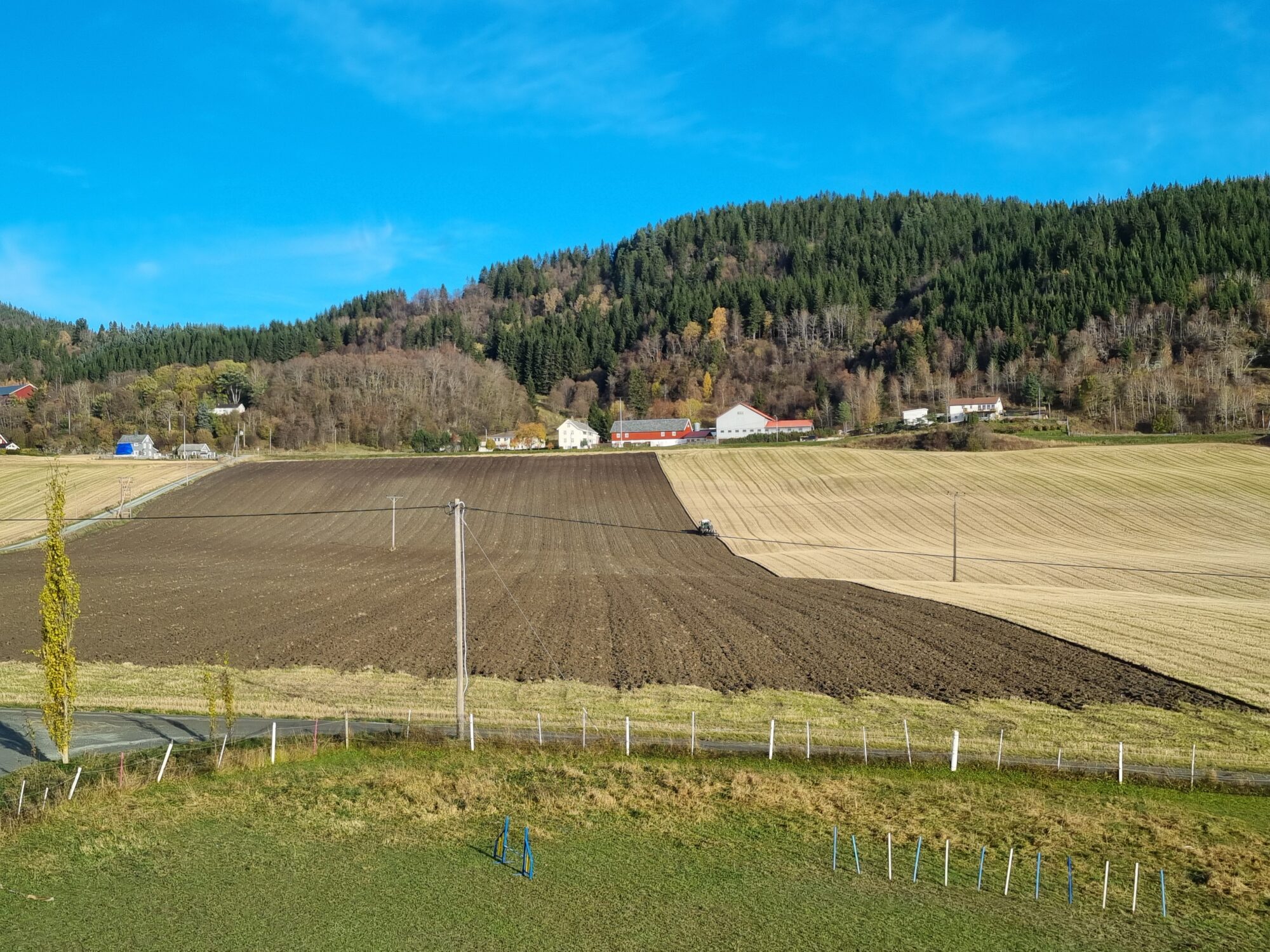
With the 2015 Paris Agreement (PA), the international community agreed to limit the rise in global temperature to below 2 ̊C. Roughly 30% of Nationally Determined Contributions under the PA include land-based mitigation technologies and practices. There are substantial uncertainties how different soil management practices (SMPs) influence carbon content (C), nitrogen (N) and phosphorus (P)…
Read MoreFood security, food sovereignty and collective action during the war in Ukraine – Ukrainian and global perspectives
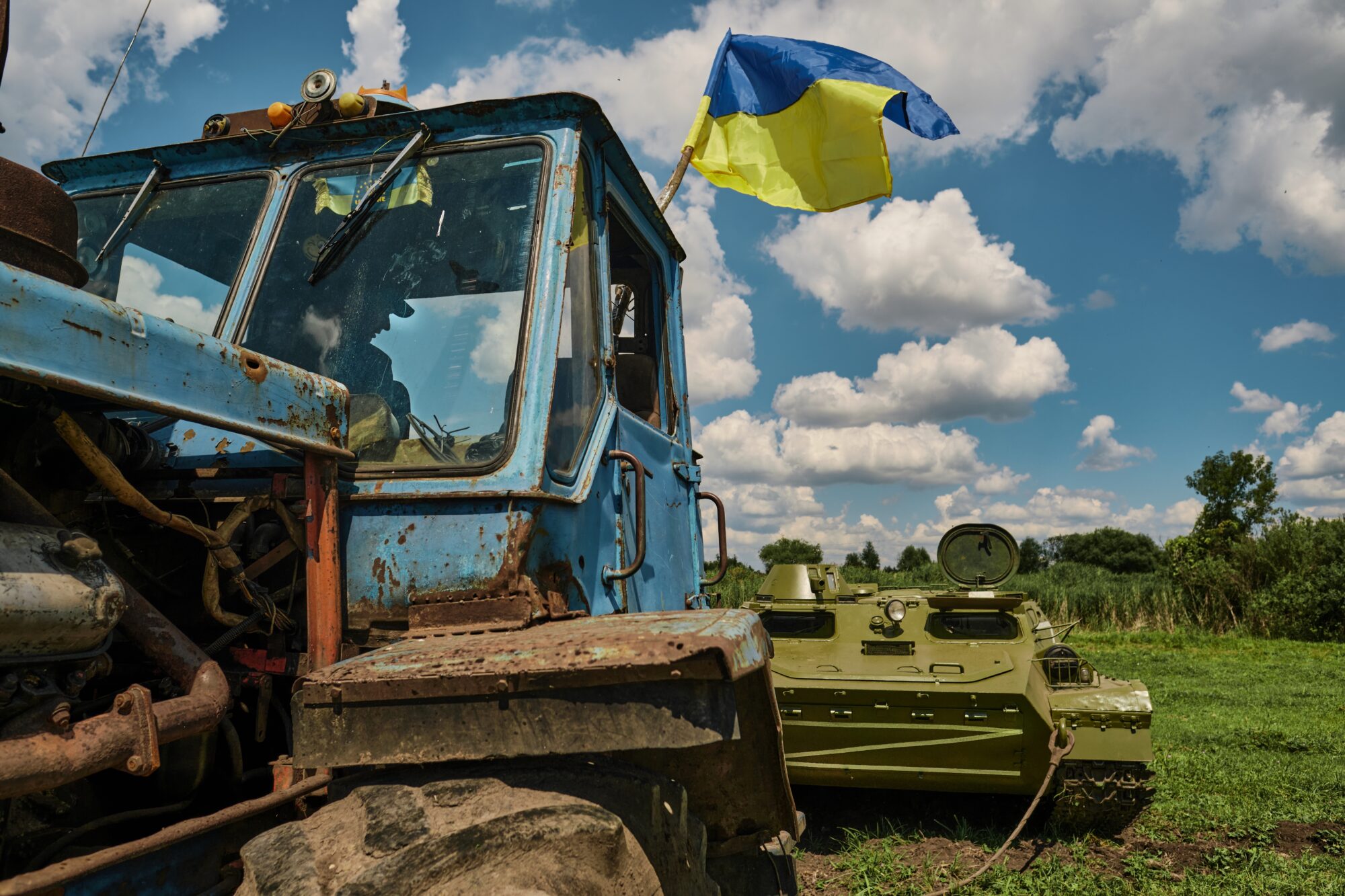
It also examines the impact of the war in Ukraine on the global food systems by studying disruptions in food supply chains and emerging cross-border networks of solidarity. It will contribute to the theoretical and policy debates about who will feed the world and discuss the overlapping meanings and opportunities for synergy between food security…
Read MoreOne crop two diets – locally sourced feed for cow and chicken from biorefined forage
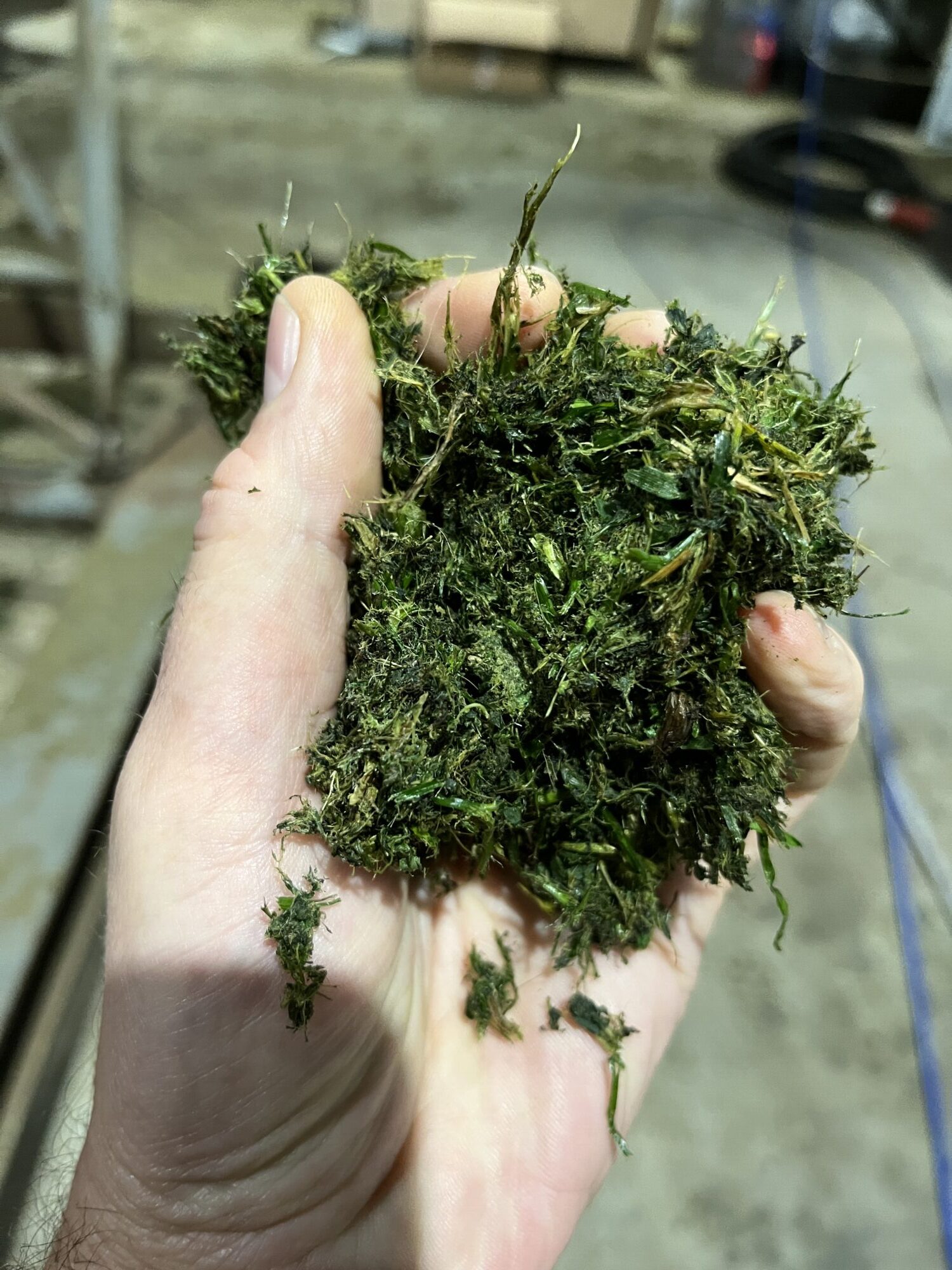
Currently, Norwegian animal husbandry is heavily dependent on imported protein feedstuffs, in particular soy which is associated with deforestation and climate gas emissions. ONETWO aims to evaluate biorefinery of forage as a measure to increase self-sufficiency of feed protein in the Norwegian livestock production sector. Biorefinery technology has recently demonstrated successful industrial separation through mechanical…
Read MoreBluePlaces
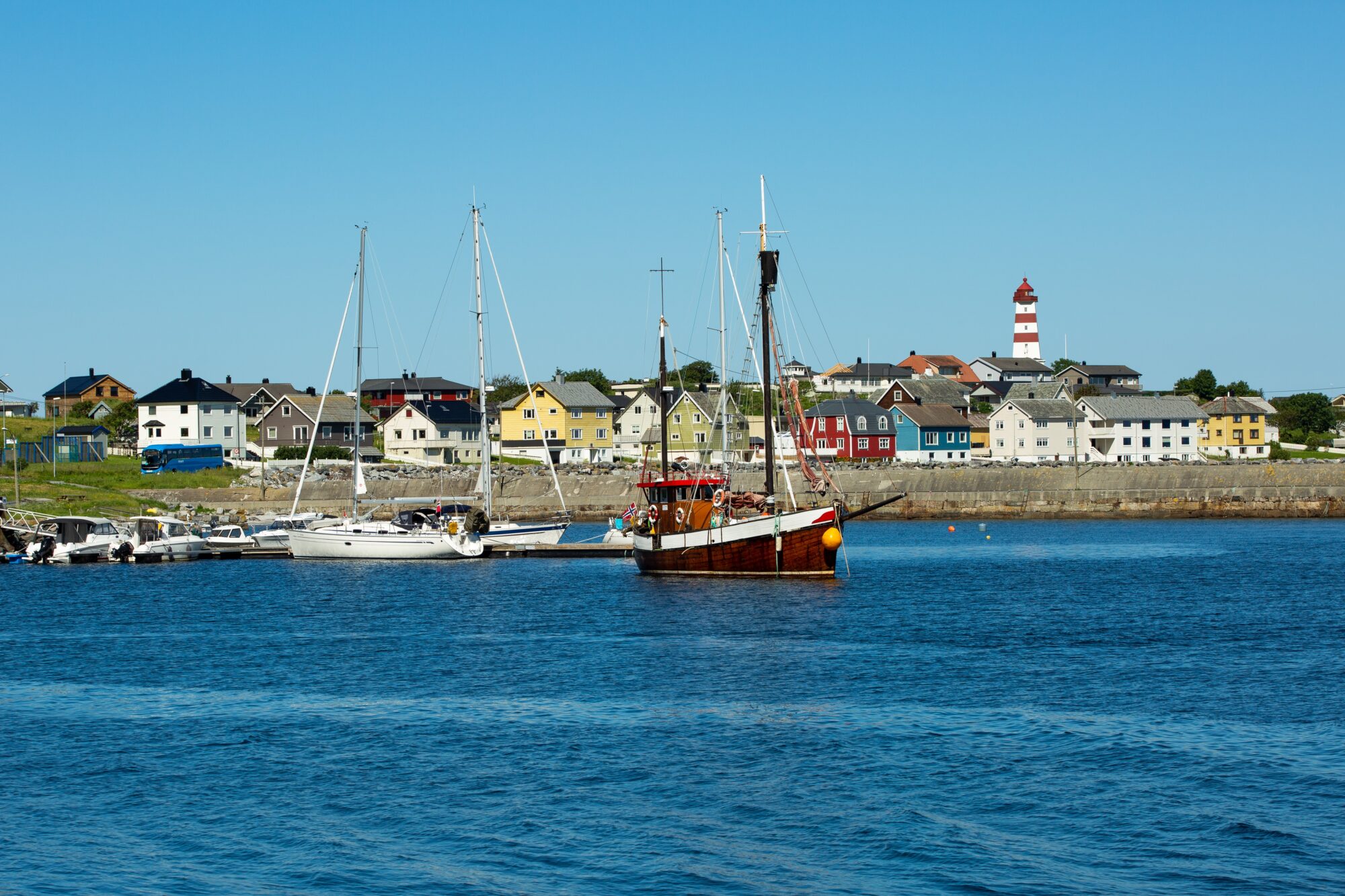
BLUEPLACES is a three-year research project aimed at enhancing the resilience of Norway’s coastal communities in the face of a rapidly changing climate. The Norwegian government has ambitious plans for the nation’s ‘Blue Economy’; to ensure the future prosperity of coastal and oceanic communities. Yet, ocean and coastal spaces are increasingly under pressure and as…
Read MoreSolarFood: Reducing post-harvest losses through improved solar drying

The dryers should, have short drying time, be produced locally and be socially accepted by the smallholder farmers in Bhutan and Nepal. Solar drying, with its potential of preserving food in an environmental friendly way, is a much needed technology since agriculture is the main source of income for approximately 65 % of the population…
Read More