
Food security, food sovereignty and collective action during the war in Ukraine – Ukrainian and global perspectives
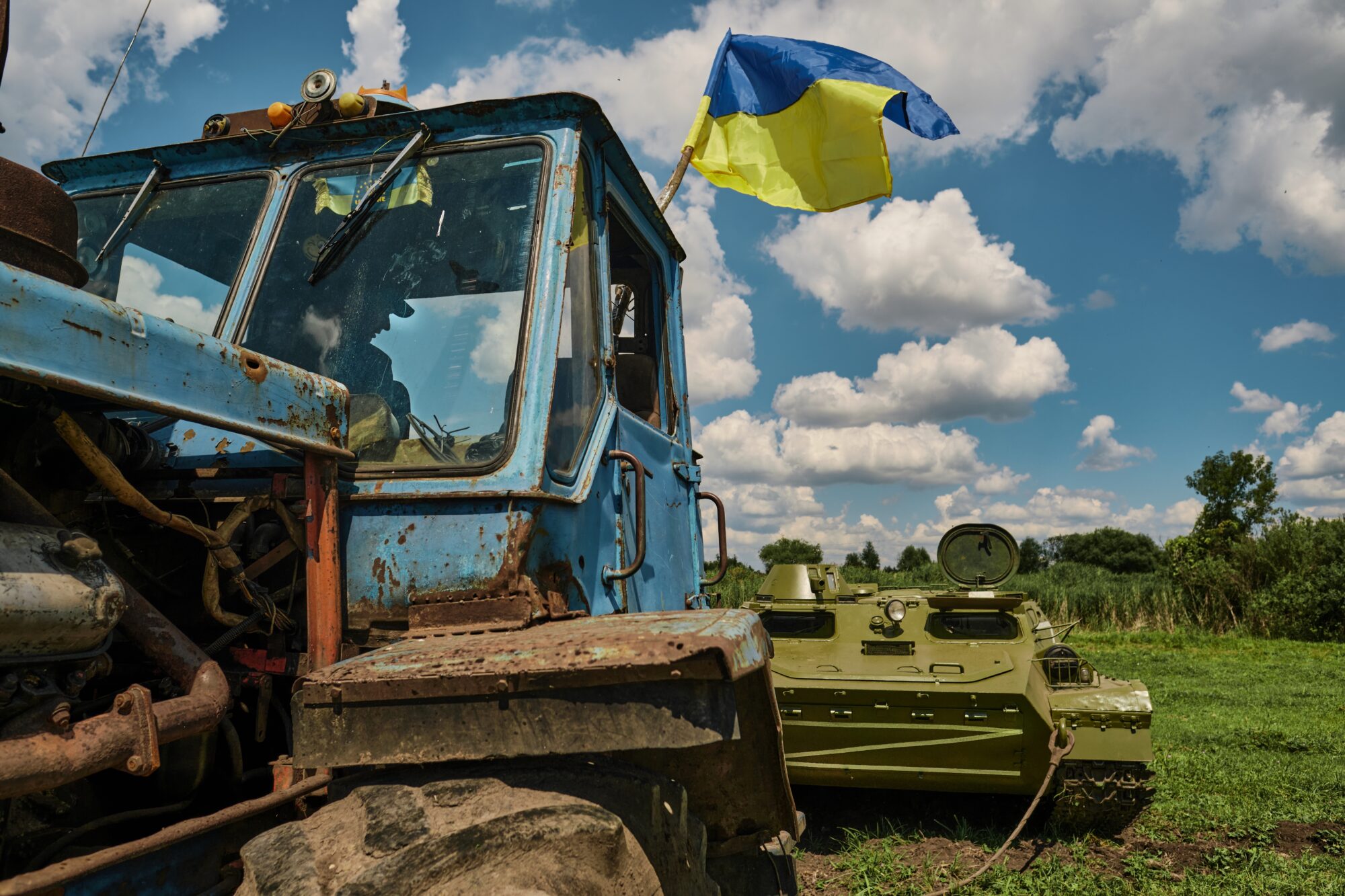
It also examines the impact of the war in Ukraine on the global food systems by studying disruptions in food supply chains and emerging cross-border networks of solidarity. It will contribute to the theoretical and policy debates about who will feed the world and discuss the overlapping meanings and opportunities for synergy between food security…
Read MoreOne crop two diets – locally sourced feed for cow and chicken from biorefined forage
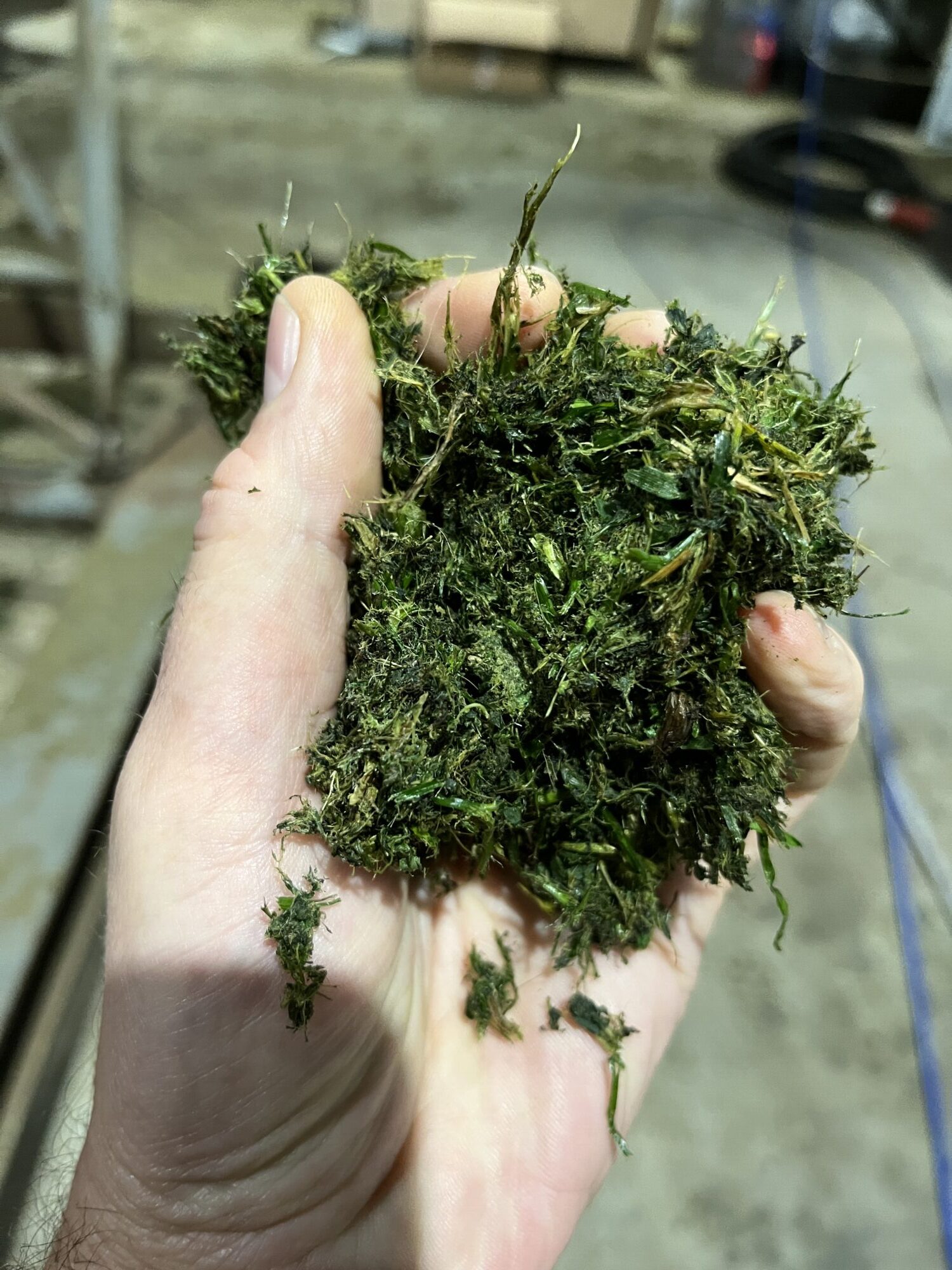
Currently, Norwegian animal husbandry is heavily dependent on imported protein feedstuffs, in particular soy which is associated with deforestation and climate gas emissions. ONETWO aims to evaluate biorefinery of forage as a measure to increase self-sufficiency of feed protein in the Norwegian livestock production sector. Biorefinery technology has recently demonstrated successful industrial separation through mechanical…
Read MoreBluePlaces
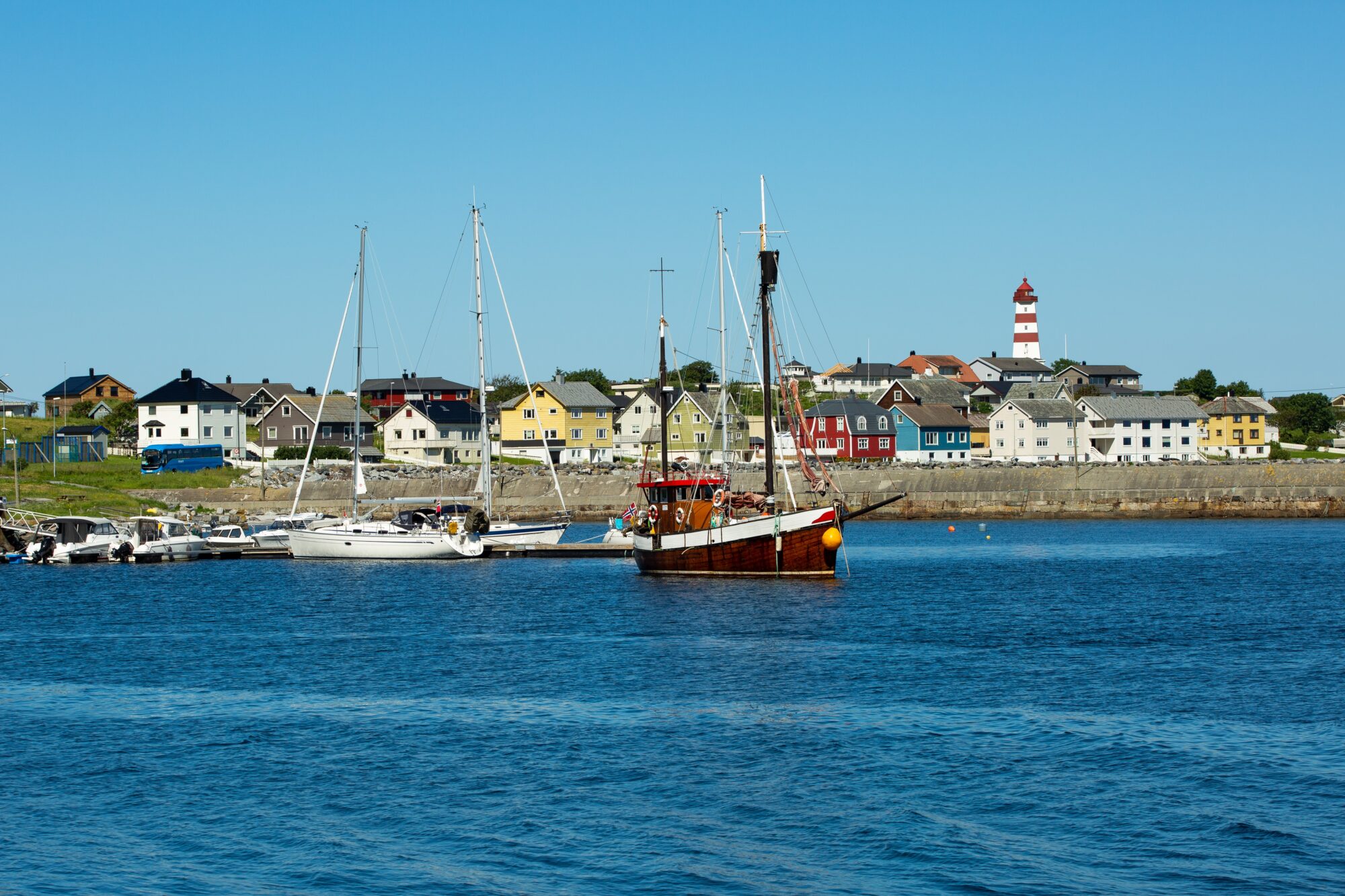
BLUEPLACES is a three-year research project aimed at enhancing the resilience of Norway’s coastal communities in the face of a rapidly changing climate. The Norwegian government has ambitious plans for the nation’s ‘Blue Economy’; to ensure the future prosperity of coastal and oceanic communities. Yet, ocean and coastal spaces are increasingly under pressure and as…
Read MoreCalfComfort: Nurturing positive welfare in calves

In order to document and evaluate the welfare state of farm animals in an objective way, welfare indicators and protocols have been developed. Most of these have focused on negative aspects of an animal’s life and manifestations such as diseases, lesions, distress, low productivity, and abnormal behaviours. Thus, the focus has traditionally been on alleviating…
Read MoreSisters in the Arctic Blue – Advancing a Gender Perspective in Arctic Marine and Coastal Social Science Research

Our objectives include: (1) to identify participants and means of developing a sustained network of researchers interested in gender issues within the blue sectors; (2) write a report/journal manuscript identifying gaps in this research area; and (3) meet to discuss further collaborations and research in blue sectors.
Read MoreSolarFood: Reducing post-harvest losses through improved solar drying

The dryers should, have short drying time, be produced locally and be socially accepted by the smallholder farmers in Bhutan and Nepal. Solar drying, with its potential of preserving food in an environmental friendly way, is a much needed technology since agriculture is the main source of income for approximately 65 % of the population…
Read MoreSUSFEED – Sustainable feed production from Norwegian bio-resources for livestock and aquaculture

For this, we will apply a systems approach to mapping the domestic feed system and, using a systems model, conduct environmental, social and economic sustainability assessments. SUSFEEDs multi-disciplinary team involves researchers from the social sciences, biology, agronomy, nutrition and technology, working closely with 18 business partners, stakeholders and other interest groups involved in the feed…
Read MoreSpatial inequalities and mobilities in Norway

The Microdata-platform consists of data from the Norwegian population concerning peoples’ residency, family conditions, education, work, and income. This includes time-series data from 1967 – 2018 on a total of 10 million individuals (i.e. individuals that are both alive and deceased). The main objectives of the PhD are to recognise and identify different patterns of spatial inequalities in Norway (e.g. in education, income and…
Read More