
LIAISON – Better Rural Innovation: Linking Actors, Instruments and Policies through Networks
Researchers, policy advisors, actors from interactive innovation projects, initiatives and networks, farm/forestry advisors, decision-makers and administrators will jointly investigate the design and implementation of interactive innovation project approaches. Looking with the eyes of a larger number of interactive innovation initiatives we will assess the infrastructure of H2020 and Rural Development Programmes (RDPs) at the project,…
Read MoreInteraction between the surrounding communities Lurøy, Nesna, Hemnes and the regional center Mo i Rana – a qualitative and quantitative analysis

Utredningen skal gi et godt kunnskapsgrunnlag om hvordan regionens befolkning (både fastboende, næringsutviklere og fritidshuseiere) vurderer og opplever utfordringer og muligheter i sin region, hvordan de bruker både regionssenteret og omlandet, samt hva de tenker er viktige felles satsninger fremover. Videre er det å få regionens kommuner / nærings- og utviklingsaktører til å samarbeide om…
Read MoreKommunetilpasset forebygging og behandling – overvekt og fedme blant bygdebarn (KOMPASS)

In this project we will 1) build knowledge about why upbringing in rural areas is a risk factor for obesity 2) identify how the Public Health Act and its actors can take preventive measures to reduce this risk 3) suggest mitigating measures that will contribute to a lasting lifestyle change for those with an obesity…
Read MoreYoung farmers and mental health

I kartleggingen så er vi nå i gang med å analysere data fra en web-basert spørreundersøkelse gjennomført blant et representativt utvalg av norske bønder i alderen 18-30. Hensikten er å avdekke hvordan det er å være ung bonde, hva er årsaken til at man valgte å bli bonde, hva er det som motiverer, hvordan er…
Read MoreRefined forage legumes as local sources of protein feed for monogastrics and high quality fibre feed for ruminants in organic production

This will include knowledge about forage legume production, techniques for fractionation and preservation of the crops, economic and environmental impacts, and farmers’ attitudes and willingness towards self-sufficiency and to cooperation in more sustainable food systems. This will be done by means of field trials, plant growth modelling, animal feeding experiments and sustainability assessment by partners…
Read MorePolitical organization, local democracy and community involvement before and after municipality amalgamations

In part 1 of the assignment, will Ruralis investigate the political organization before and after municipality amalgamations in seven amalgamated municipalities: Harstad (formerly Harstad and Bjarkøy), Bodø (former Bodø and Skjærstad), Inderøy (former Inderøy and Mosvik), Kristiansund (formerly Kristiansund and Frei ), Re (formerly Ramnes and Våle) and Vindafjord (formerly Ølen and Vindafjord). Here we…
Read MoreTransitions in the outfields

In Norway, the outfields [utmark] are understood as mainly uncultivated countryside areas such as forest and upland, and make up over 70 per cent of the country’s land area. The outfields form the basis for industries and activities such as grazing, forestry, hunting, fishing, recreation, wind- and hydropower production and mining. In this network project…
Read MoreSmaT – Smart technology for sustainable agriculture
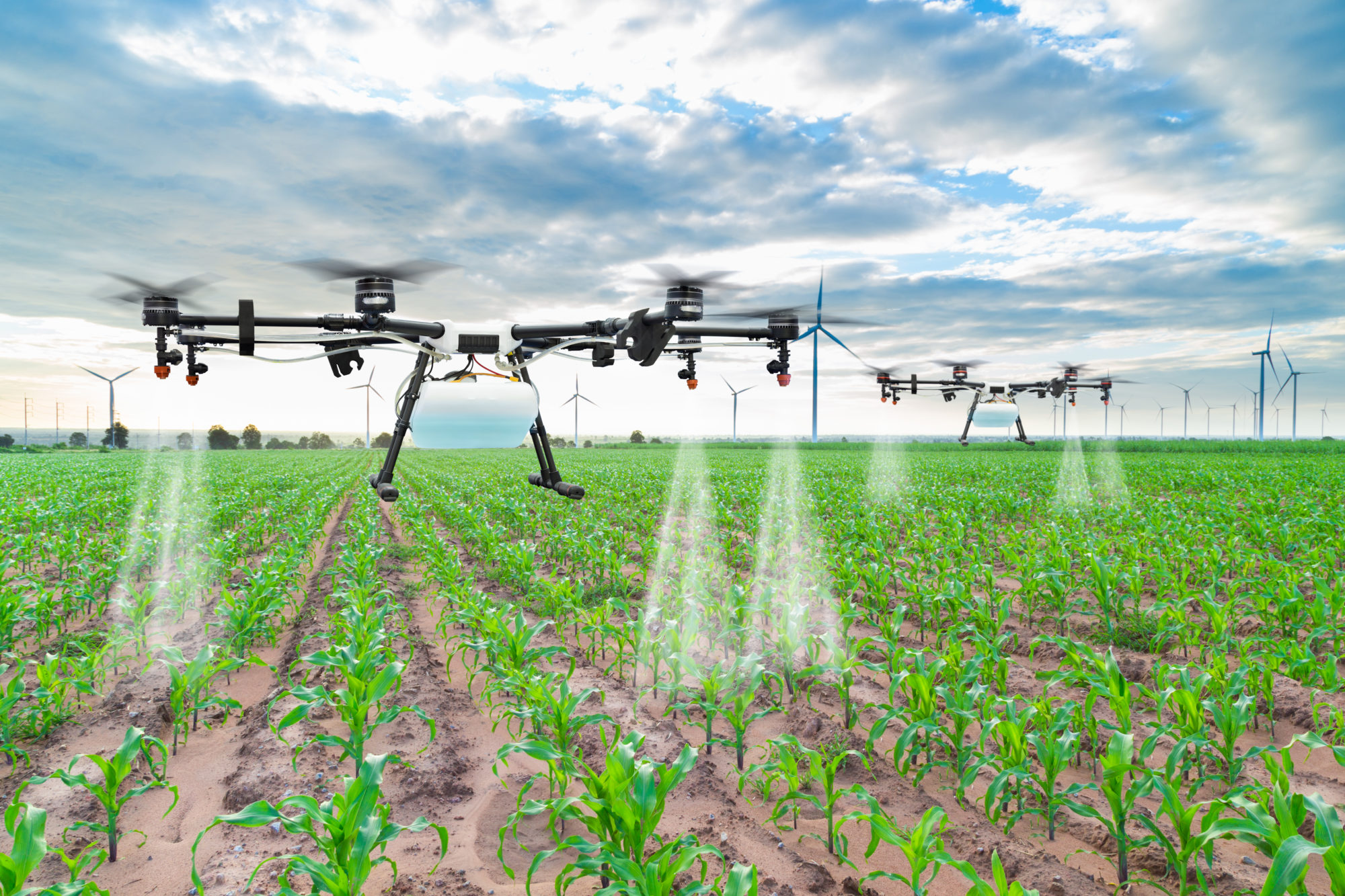
In a Norwegian context, the key to optimize land productivity is to develop and implement technologies suitable for smart and multi-scale agriculture improving the input mix of labour and technology. The SmaT project address development, adaptation and utilization of new technologies (e.g. robots and drone technologies, precision agriculture etc.) in Norwegian agriculture. SmaT, will Perform…
Read MoreImproving farmers’ competence by more efficient interaction between farmer, advisory services and research (COMPETENT FARMER)
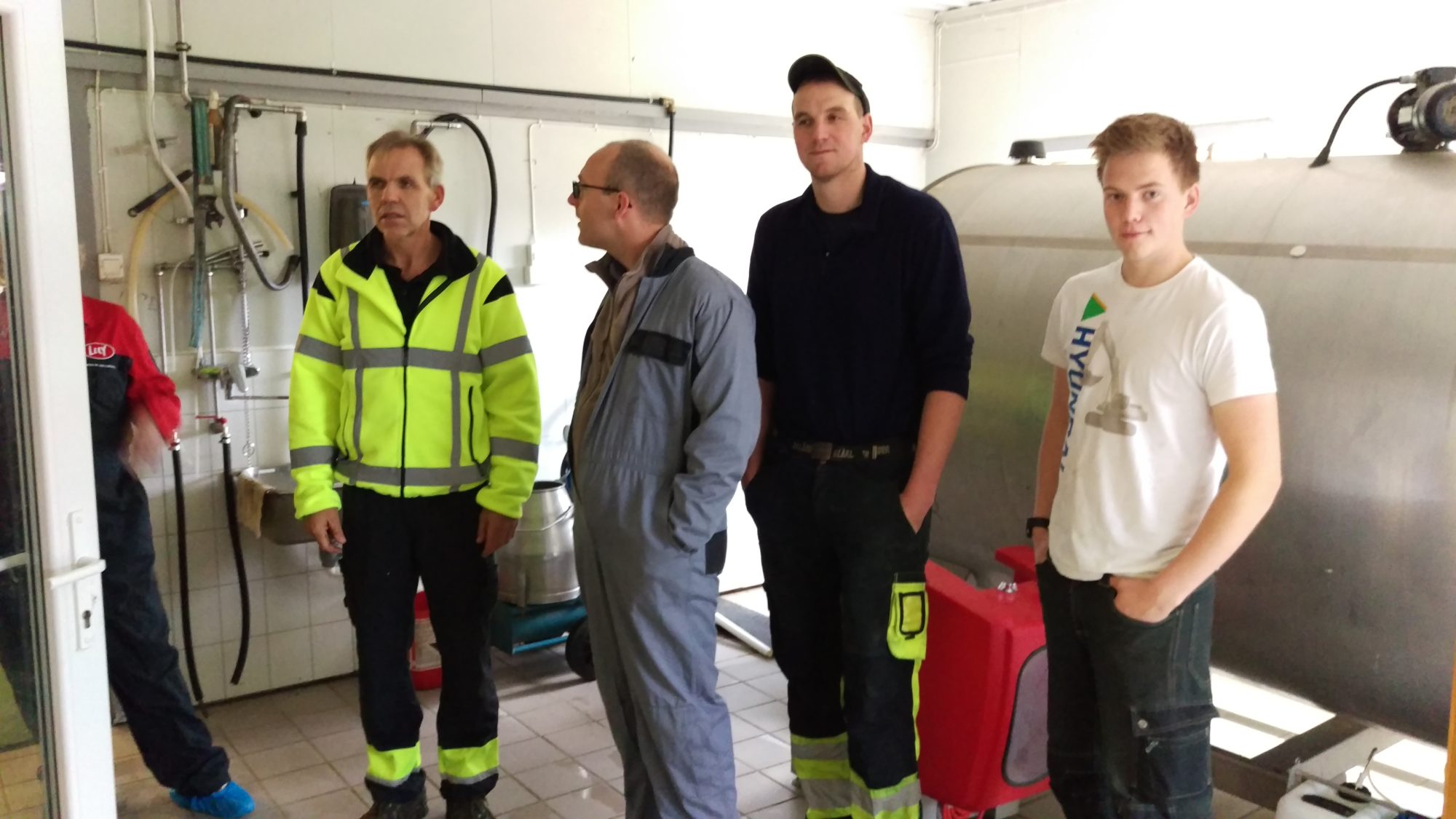
The future of the Norwegian agriculture sector depends on an effective knowledge and innovation system. This project aims to strengthen how farmers develop their competence in such a system, and will provide both scientific and practical knowledge on how to do this. An important knowledge platform on the Norwegian agriculture innovation system will be developed.…
Read MoreTraders in the food value chain: Firm size and international food distribution
Prosjektet analyserer organisering, markedsstruktur og fordeling langs verdikjedene i internasjonal matvarehandel, med fokus på norsk sjømateksport og import og eksport av landbruksvarer. I hvilken grad skyldes eksportsuksessen for laks dyktige handelsaktører? Varierer organiseringen av sjømateksport mellom ulike fiskeslag, og hva er mest effektivt? Er handelen organisert forskjellig for små og store bedrifter? Dette er blant…
Read MoreSpace, land and society: challenges and opportunities for production and innovation in agriculture based value chains (AGRISPACE)
The AGRISPACE-project is a collaboration between the Centre for Rural Research, NILF, the Norwegian Forest and Landscape Institute, the Norwegian Veterinary Institute, and international partners including the University of Bonn, financed by the Research Council of Norway.
Read MoreSALSA: Small Farms, Small Food Businesses and Sustainable Food Security

The project has a solid scientific foundation and works close with organizations that specialize in knowledge building and implementation. Most of the 17 partners who will implement the studies are from Southern and Eastern Europe, but there are also partners from Norway, Scotland, Tunisia, Kenya, Ghana and Cape Verde. Areas in Europe where small scale…
Read MorePLAID: Peer-to-peer Learning – Accessing Innovation through Demonstration

The PLAID project (Peer-to-peer Learning: Accessing Innovation through Demonstration) is an European Union funded project under Horizon 2020. The project has been designed to encourage farmers and farm employees to embrace innovations in agriculture, leading to a greater sustainability of European Agriculture, by accessing high quality demonstration activities on commercial farms.
Read MoreIsland municipalities after the amalgamation reform

The project’s aim is to investigate, discuss and assess what needs to happen in order for the intentions underpinning Norway’s municipality reform to be applicable for municipalities that are “involuntary small”. As in in other Nordic countries, the Norwegian government seeks to reform the municipalities. A structure of fewer, but larger municipalities is believed to…
Read MoreGlobal Labour in Rural Societies (GLARUS)
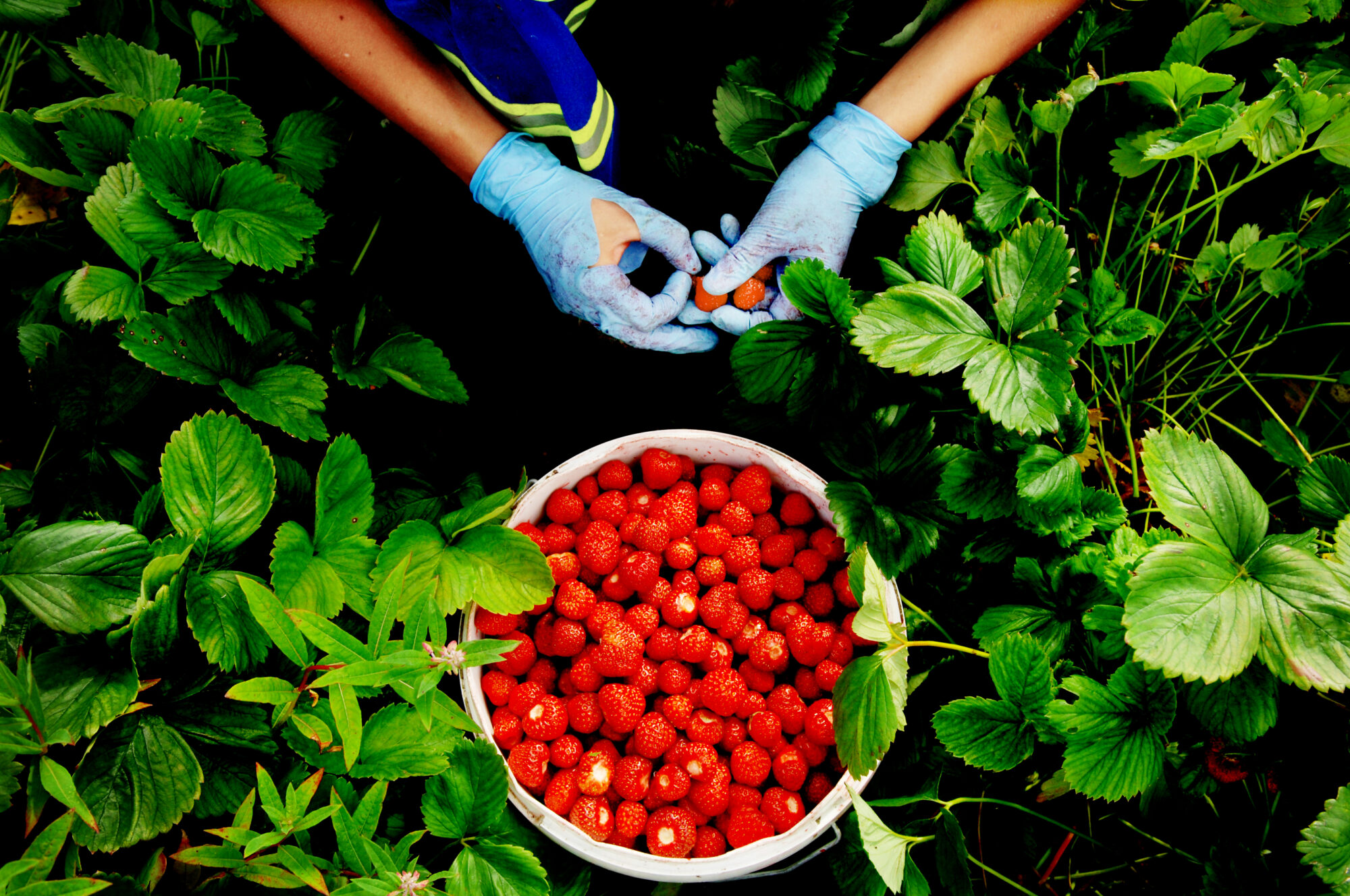
It will theorize how immigration into rural sociocultural contexts differs from immigration into urban regions and generate an improved theoretical understanding of the spatial complexities of contemporary international migration and its implications for local rural communities. The objective is to answer the following research questions: What is the spatial structure of the rural immigration phenomenon,…
Read MoreGlobal Labour in Rural Societies (GLARUS)
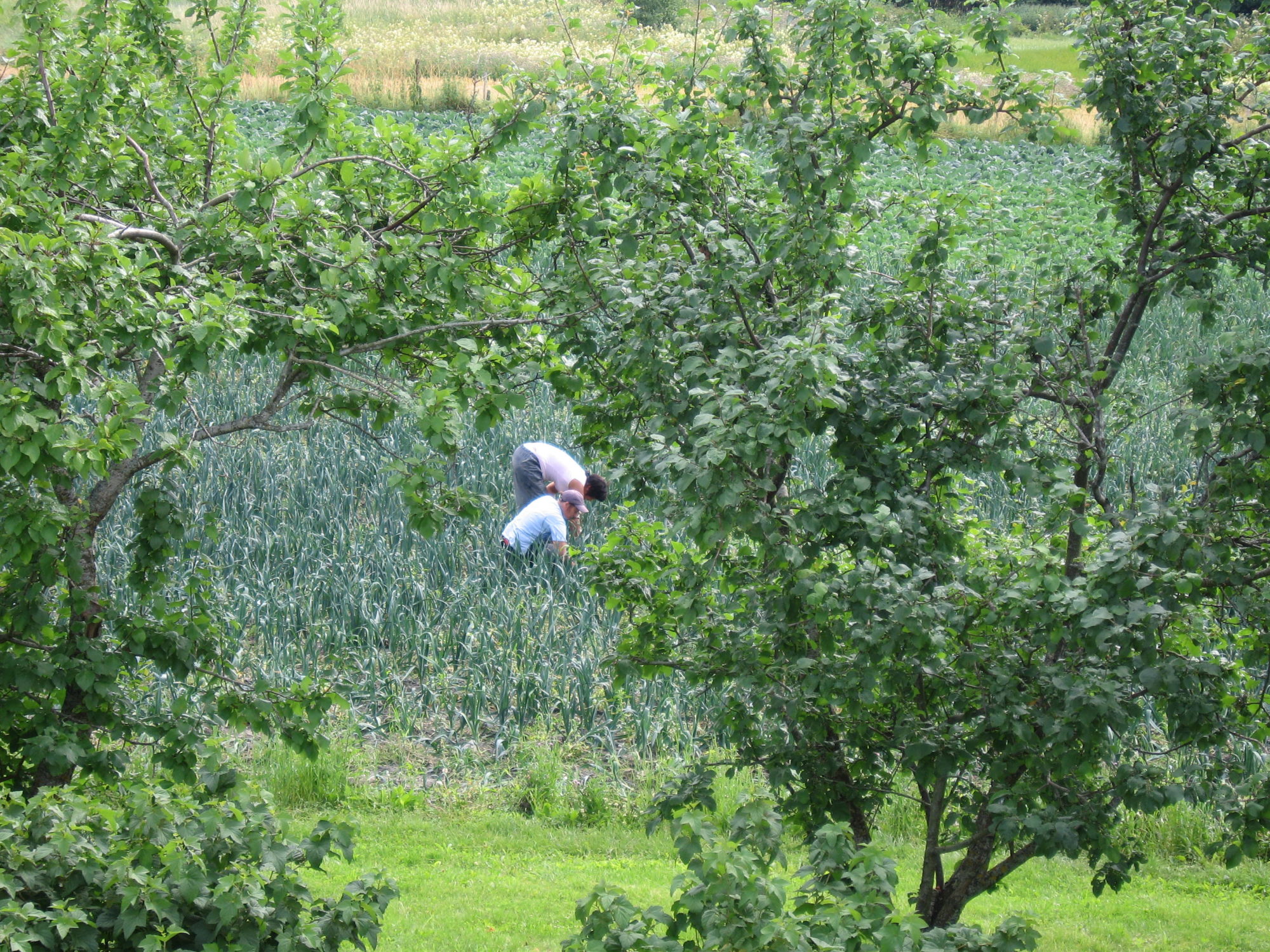
The FRIHUMSAM funded project addresses the important but poorly explored question of how contemporary global flows of low-skilled and manual labour transform the social fabric of non-urban regions in Western society. It will theorize how immigration into rural sociocultural contexts differs from immigration into urban regions and generate an improved theoretical understanding of the spatial…
Read MoreAgropro. Agronomy for increased food production. Challenges and solutions

Agropro. Agronomy for increased food production. Challenges and solutions WP3 Socio-cultural and structural barriers and potentials. WP leader; Jostein Vik Aims: (1) To explore how social conditions, organisation, culturally embedded beliefs, goals, and current practices of the farm household interact with farm production objectives and choices; (2) to unveil how enhanced production is facilitated or…
Read MoreAgriLink. Agricultural Knowledge: Linking farmers, advisors and researchers to boost innovation
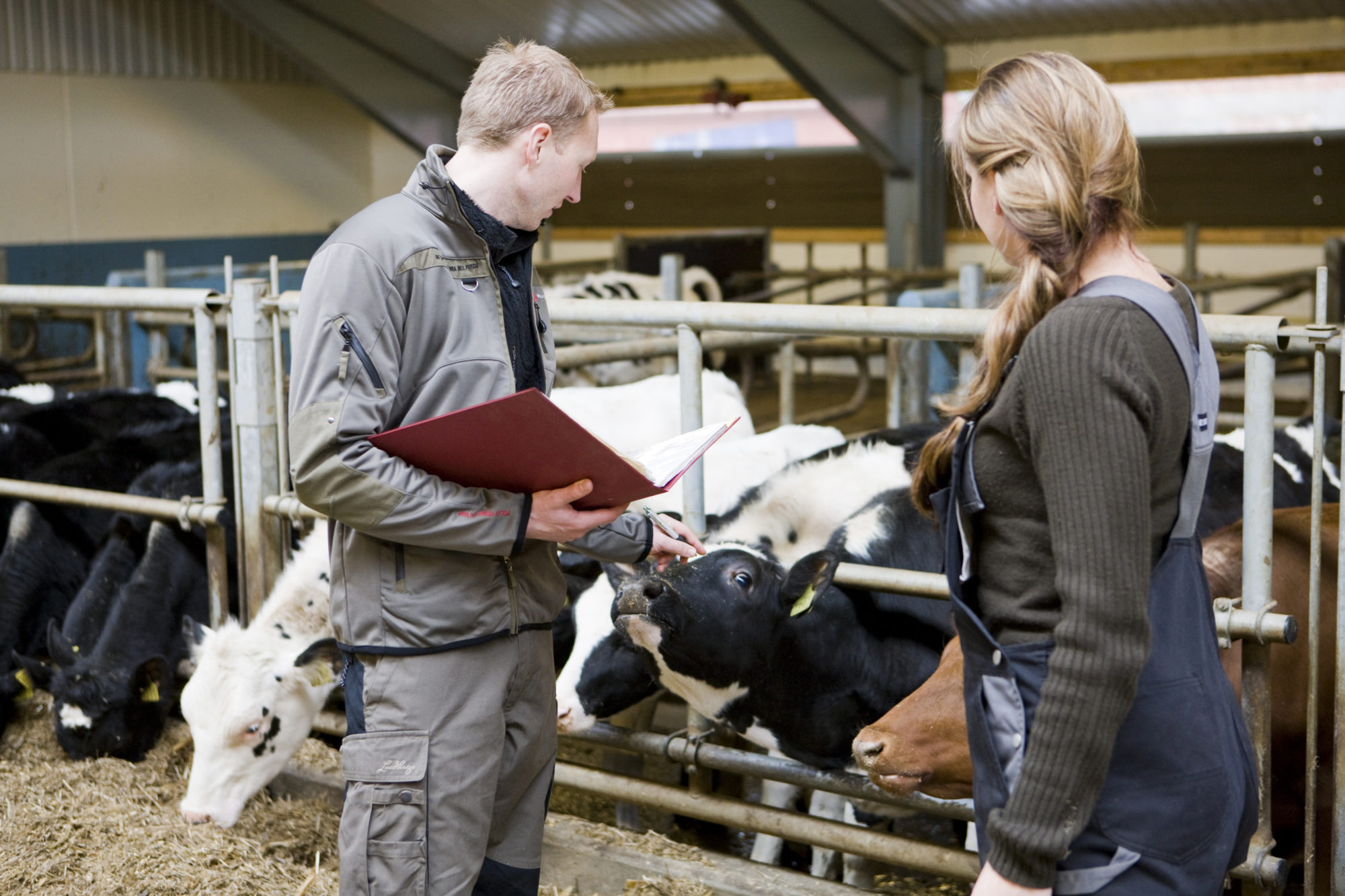
AgriLink is a project funded by the European Union’s Horizon 2020 research and innovation programme. The project aims to help stimulate the transition towards more sustainable agriculture by improving understanding of the role played by agricultural advisors in strengthening knowledge flows, enhancing learning and boosting of innovation on the wide variety of different farm types…
Read More