
Impact of policies to reduce emissions from new cultivation of peat soils
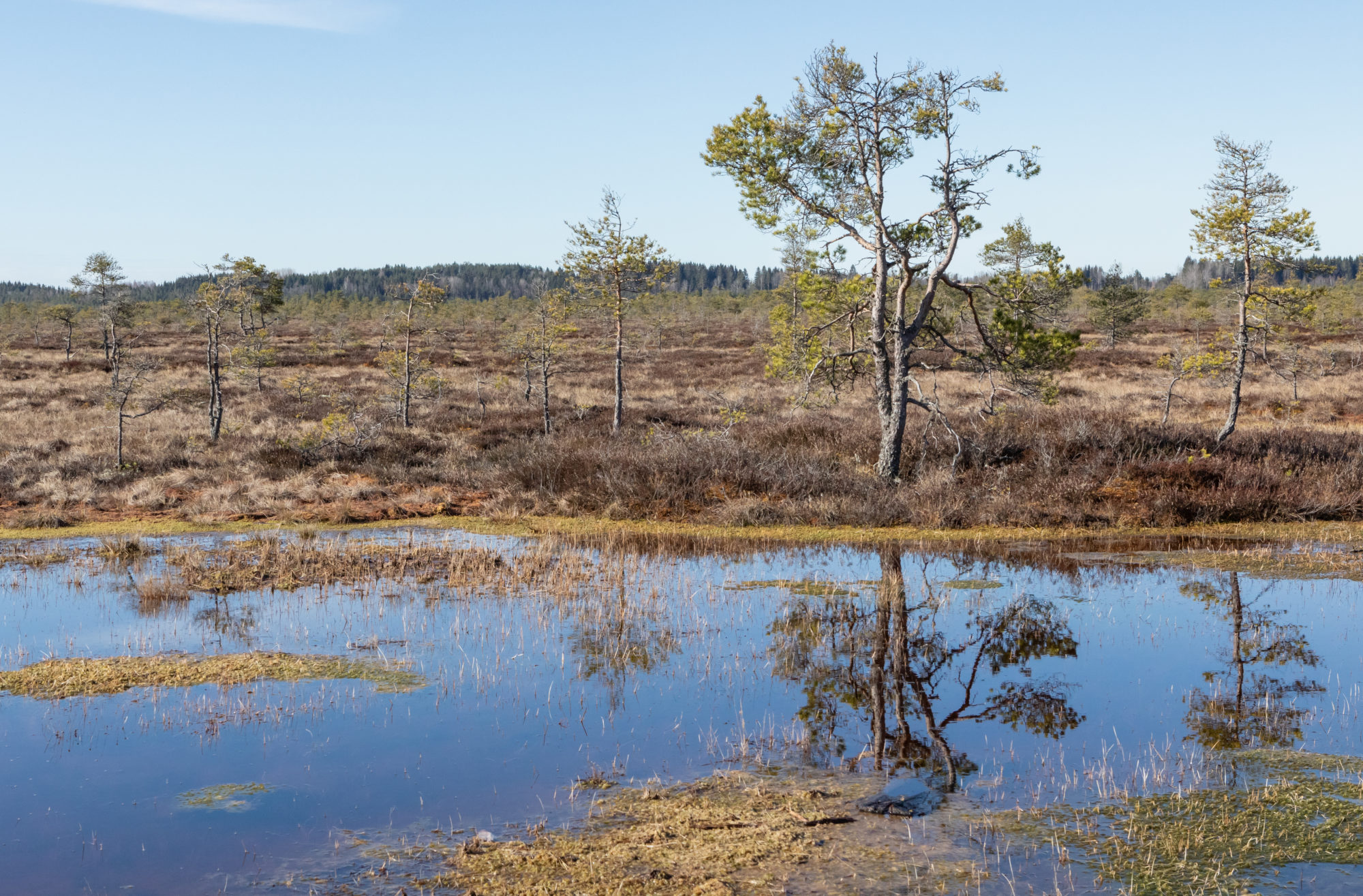
The analysis provides answers to two questions: What is the probable food production on the area to be banned from new cultivation? What are the probable private economic costs for farms affected by the ban of cultivating peat soils? The method is to calculate average food production per day and municipality and multiply this by…
Read MoreBasis for sustainable Norwegian feed production for aquaculture and livestock in agriculture, pre-project
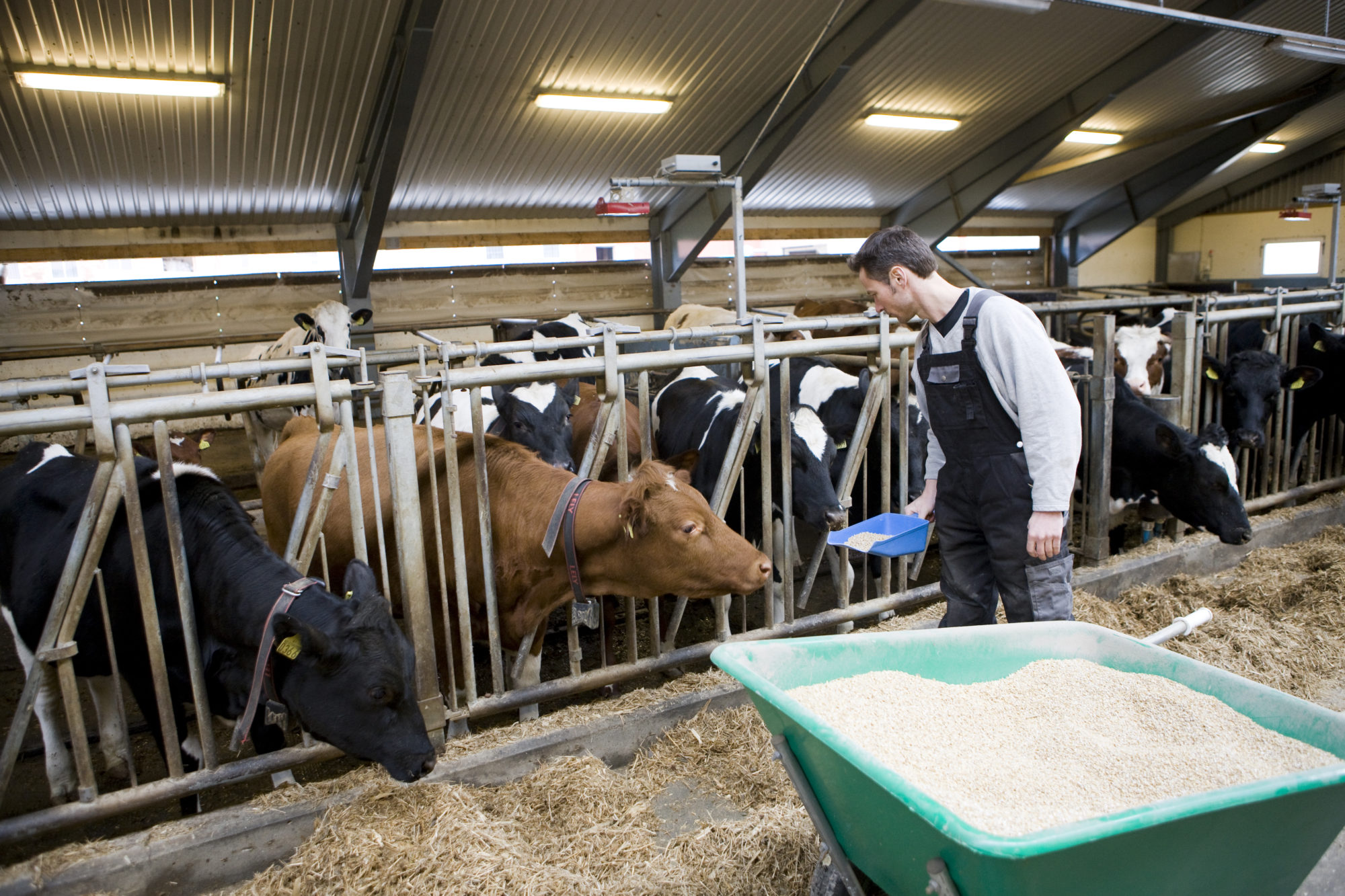
A main project will be multidisciplinary with the involvement of business partners. A main project will consist of mapping bio-resources and their potential volume and value for use as feed, relevant technology and processing methods, as well as identifying opportunities and limitations in business development based on these resources. Activities in the preliminary project: Identify…
Read MoreSUCCEED – Sustainble systems with cow-calf-contact for higher welfare in dairy production
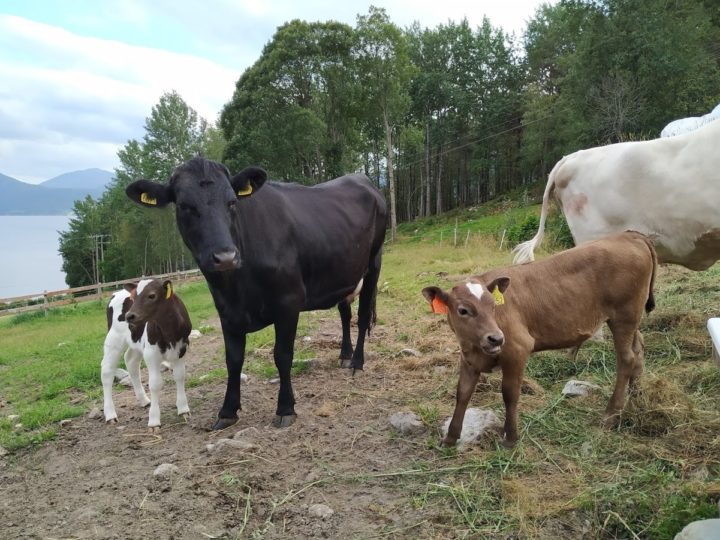
Secondary goal: 1)Develop functional technical solutions for cow-calf contact in robot and milkparlour system 2)Document effects on behaviour, health, and production in co-grazingsystems 3)Identify long term effects of suckling on calf and cow performance (behaviour, health, production)4)Prepare implementation of maternal traits in the breeding program of Geno- 5)Identify current and possible obstacles and opportunities for…
Read MoreFeed supplies for Aquaculture
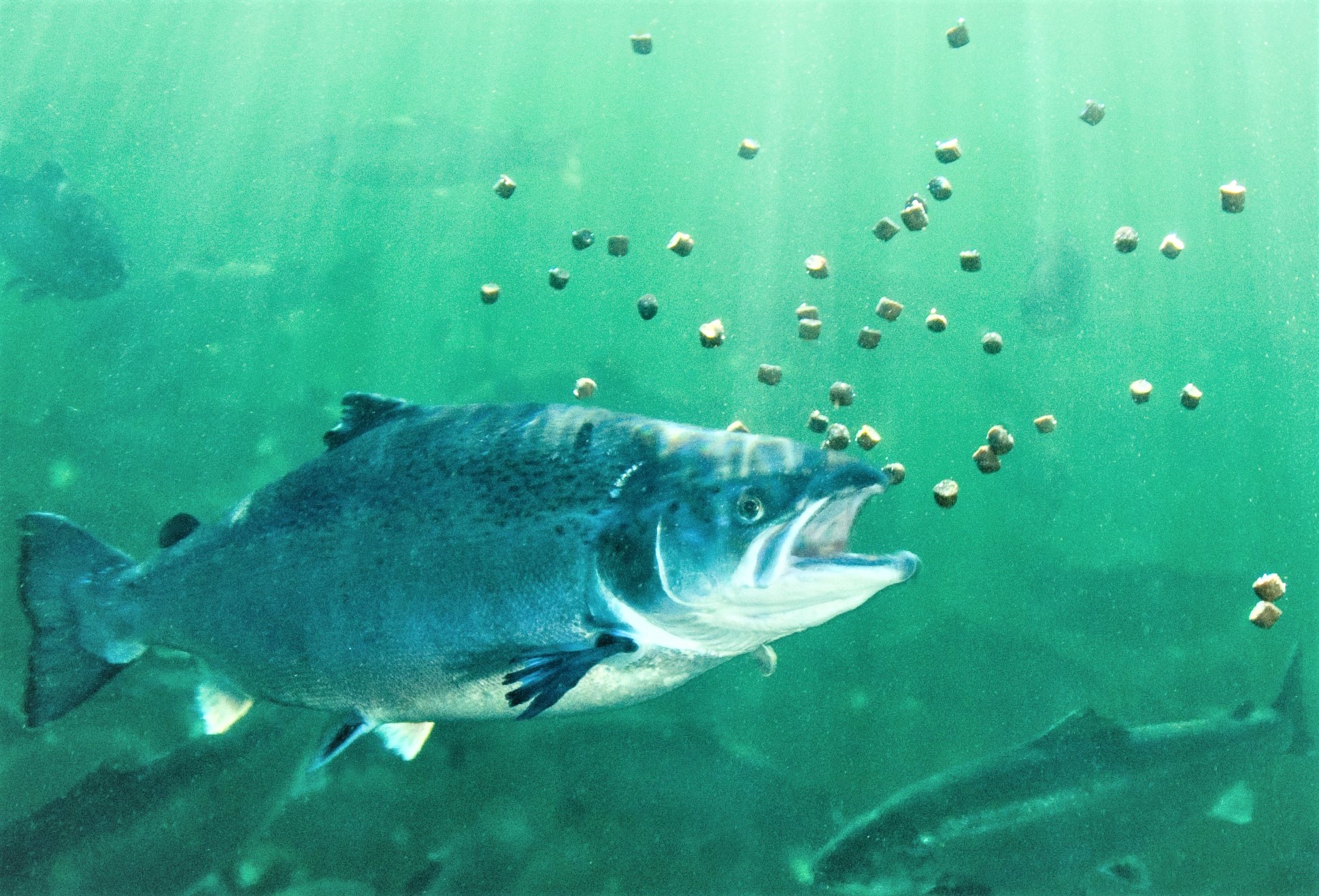
Where do the feed ingredients come from and and are they sustainably produced? How does aquaculture compare with other animal based protein food productions?
Read MoreSpatial inequalities and mobilities in Norway

The Microdata-platform consists of data from the Norwegian population concerning peoples’ residency, family conditions, education, work, and income. This includes time-series data from 1967 – 2018 on a total of 10 million individuals (i.e. individuals that are both alive and deceased). The main objectives of the PhD are to recognise and identify different patterns of spatial inequalities in Norway (e.g. in education, income and…
Read MoreGoverning transitions in the Norwegian outfields: Between agrarian traditions, modern consumption and green industrialisation (GOVOUT)
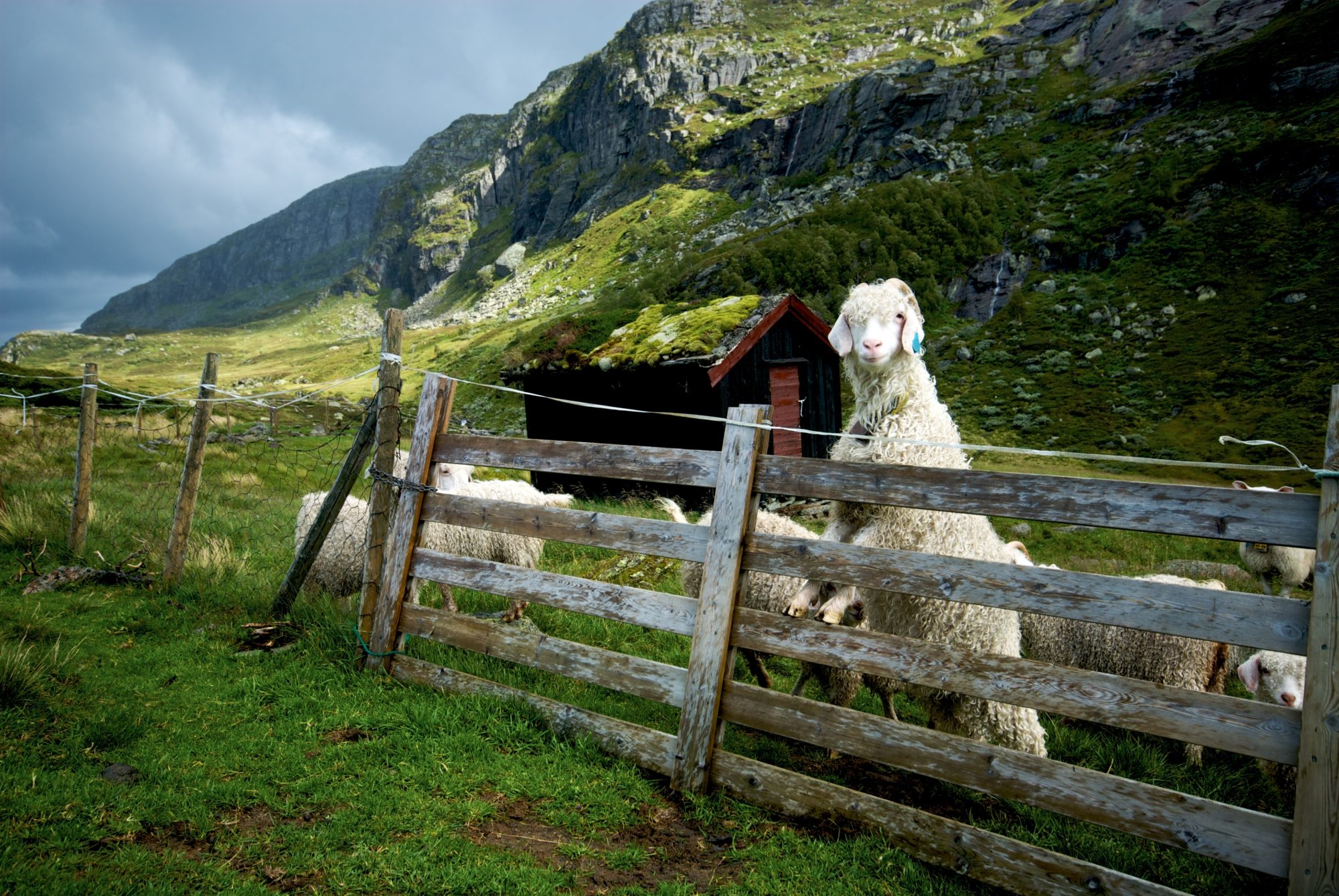
Throughout history a complex property system and diverse system of user rights have developed different types of commons or common like Management regimes in the outfields. The outfields are home to a range of other natural and cultural resources, and contain natural and semi-natural biodiversity of great importance for ecosystem services. Public access rights, and…
Read MoreTesting of technical tools to limit collisions with animals along the railway
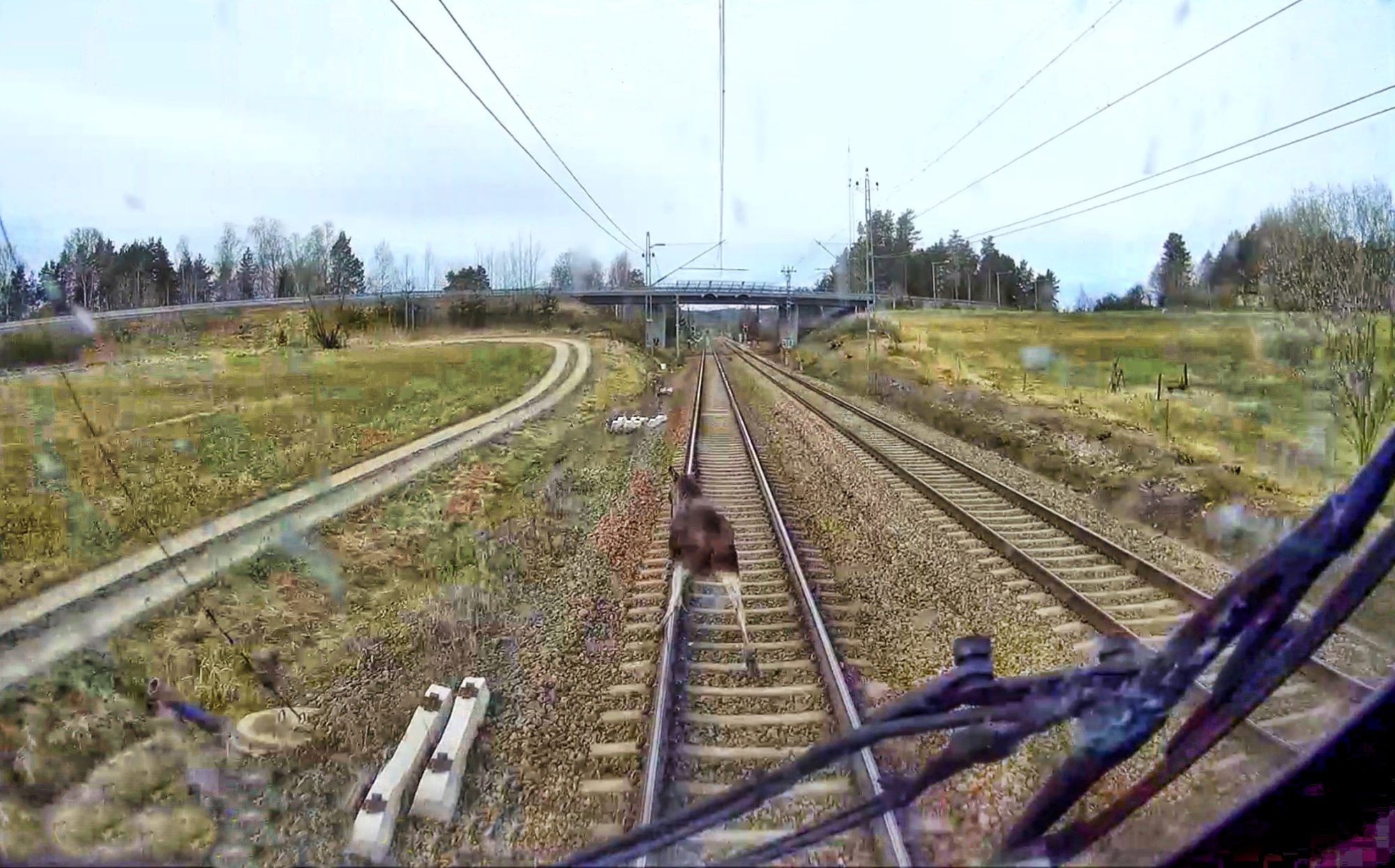
The collaboration will be coordinated by the Norwegian Research Institute Ruralis – Institute for Rural and Regional Research. The research project can be characterized as basic research and involves conducting testing of the animals reactions to various audio signals, and possibly sound in combination with light. The purpose is to identify which sounds have the…
Read MoreValue-added by increased cooperation between aquaculture, agriculture and forestry in the region of Trøndelag
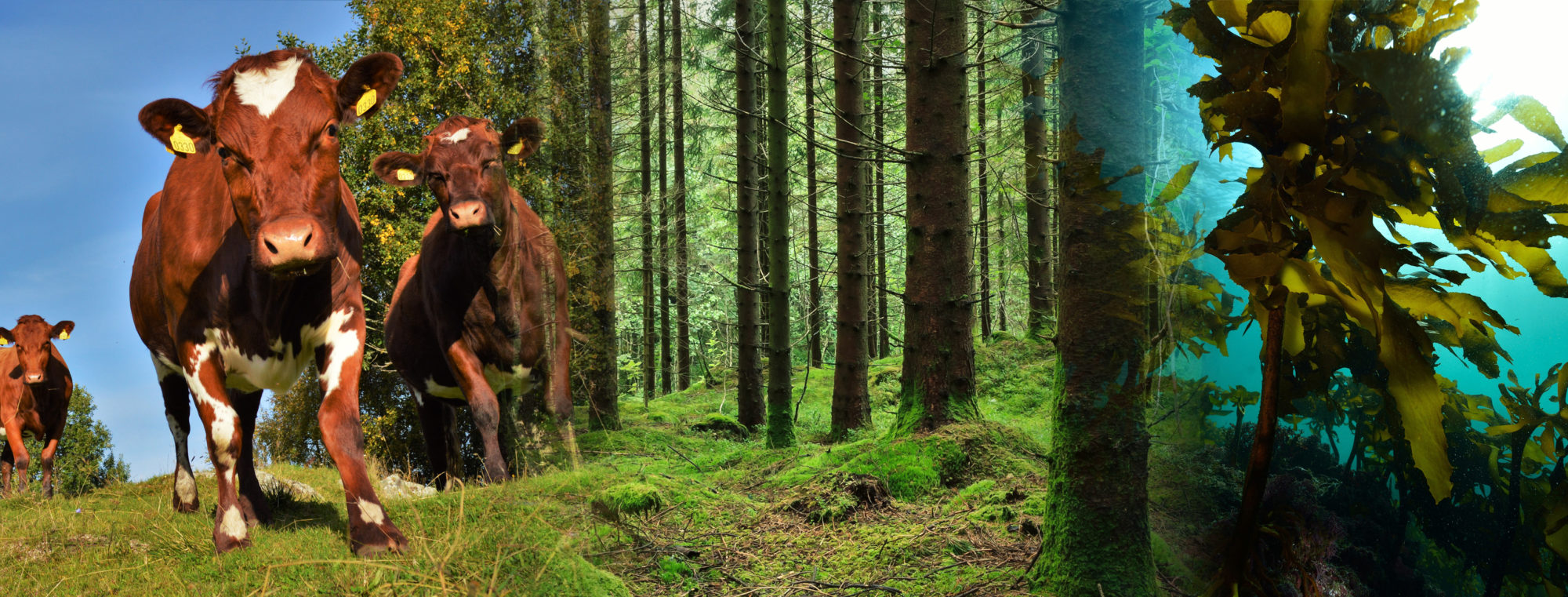
The project will search for innovation opportunities and provide assessments of which of these will provide the best impact for the business community in the region. This will be done by mapping and analyzing product and service flows, supply value chains and partner attitudes and understandings for aquaculture, agriculture and the forest industries in Trøndelag.
Read MoreSustainable feed for growth in aquaculture

Climplement – How farmers and agricultural actors can implement effective climate solutions
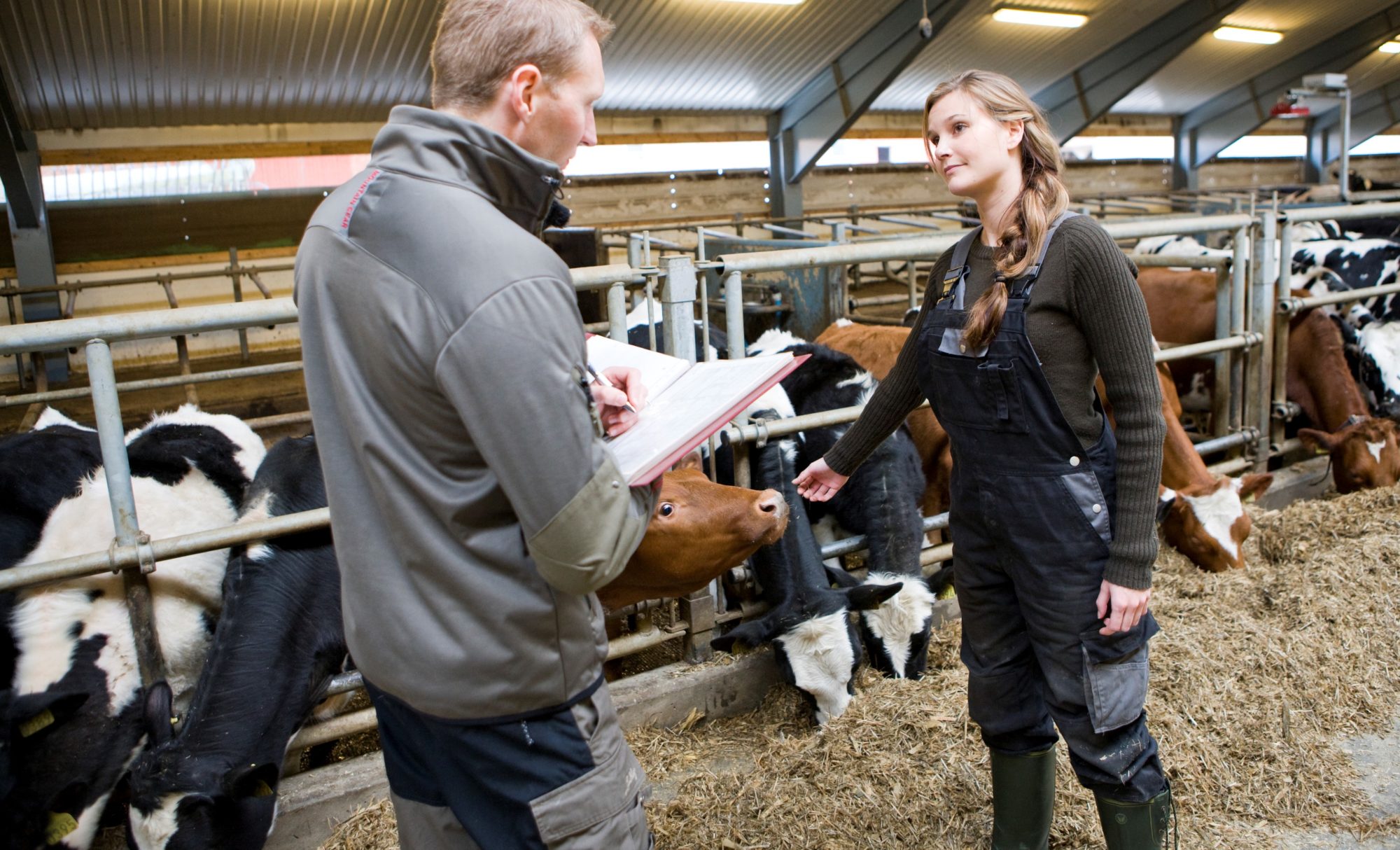
Consequently, in Norway, the Government has recently required the agricultural sector to reduce its emissions with 5 million tons of CO2eq over the next decade (2021-2030). So far, in general many possible mitigation measures have been suggested, while little is actually carried through. In order to reduce GHG emissions without serious reductions in food production,…
Read MorePROTEIN 2.0: The biosynthetic protein transition: assessing impacts, outcomes and opportunities for Norways post-animal bioeconomy
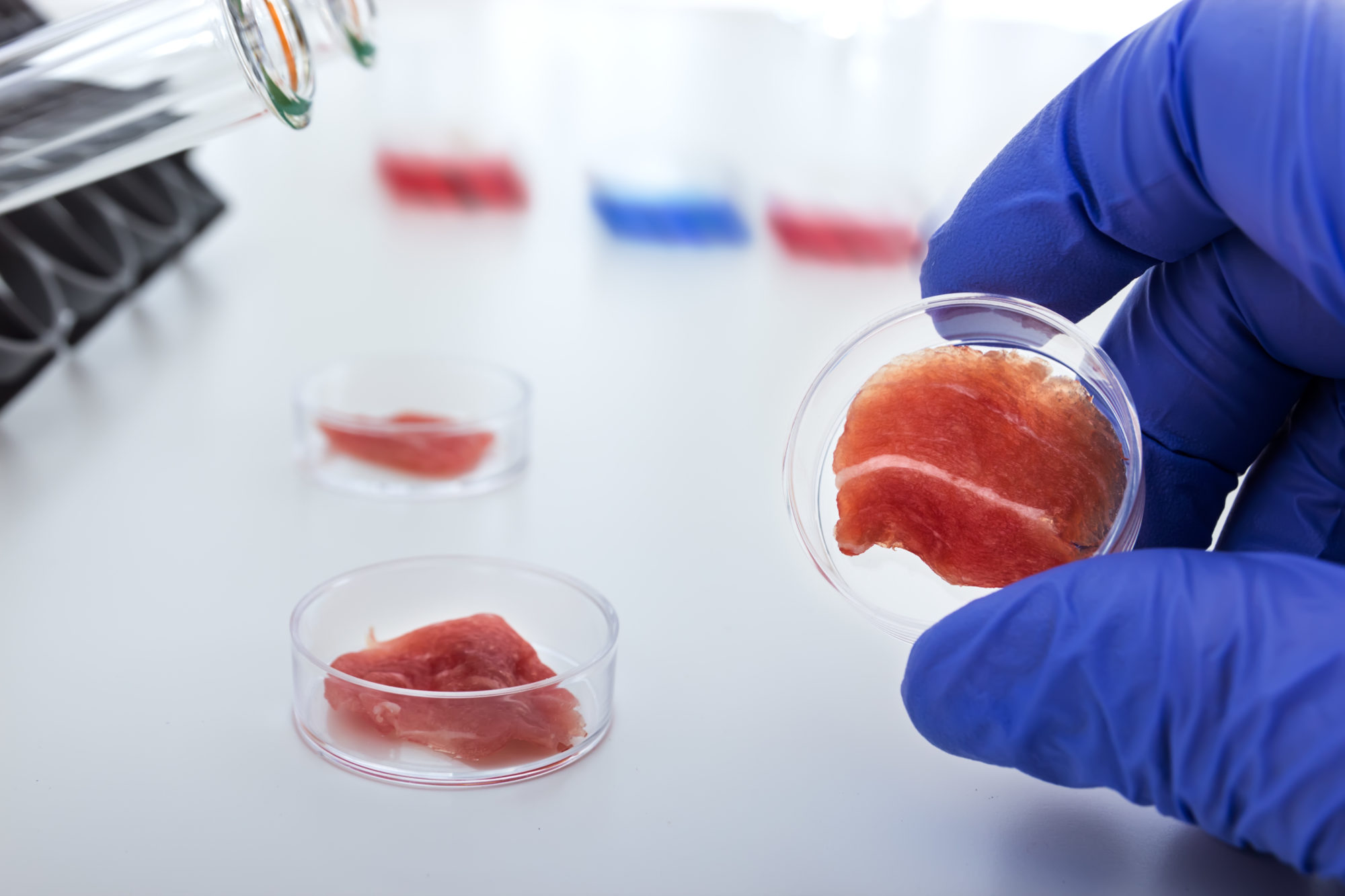
Everything from burger meat to egg whites can now be produced without the involvement of a living animal, with many products likely to become commercially available in the next decade. This technology has the potential to enhance food security, reduce the need for industrial agriculture, lower climate gas emissions, promote environmental sustainability, and create new…
Read MoreMental health in agriculture
How we experience the workplace is of great importance to our mental health. An occupational group in Norway that often experiences demanding situations in its workplace are self-employed farmers. Working in agriculture is associated with a high farm workload and high work demands. Farmers must also deal with uncontrollable factors such as high rainfall, long…
Read MoreFAIRshare: Digital tools for farm advisors
The inventory of tools will be accessible to end-users on an intuitively navigable online interface that has been co- designed using a multi-actor approach. Accompanying the tools in the online inventory will be information, for instance short ‘good practice’ vignettes, on how the tools may be used/adapted for use. Secondly, WPs 4, 5 and 6…
Read MoreLiquid fuels consumption in Norwegian agriculture and forestry
GoodAnimal: Animal Welfare for Sustainable Futures
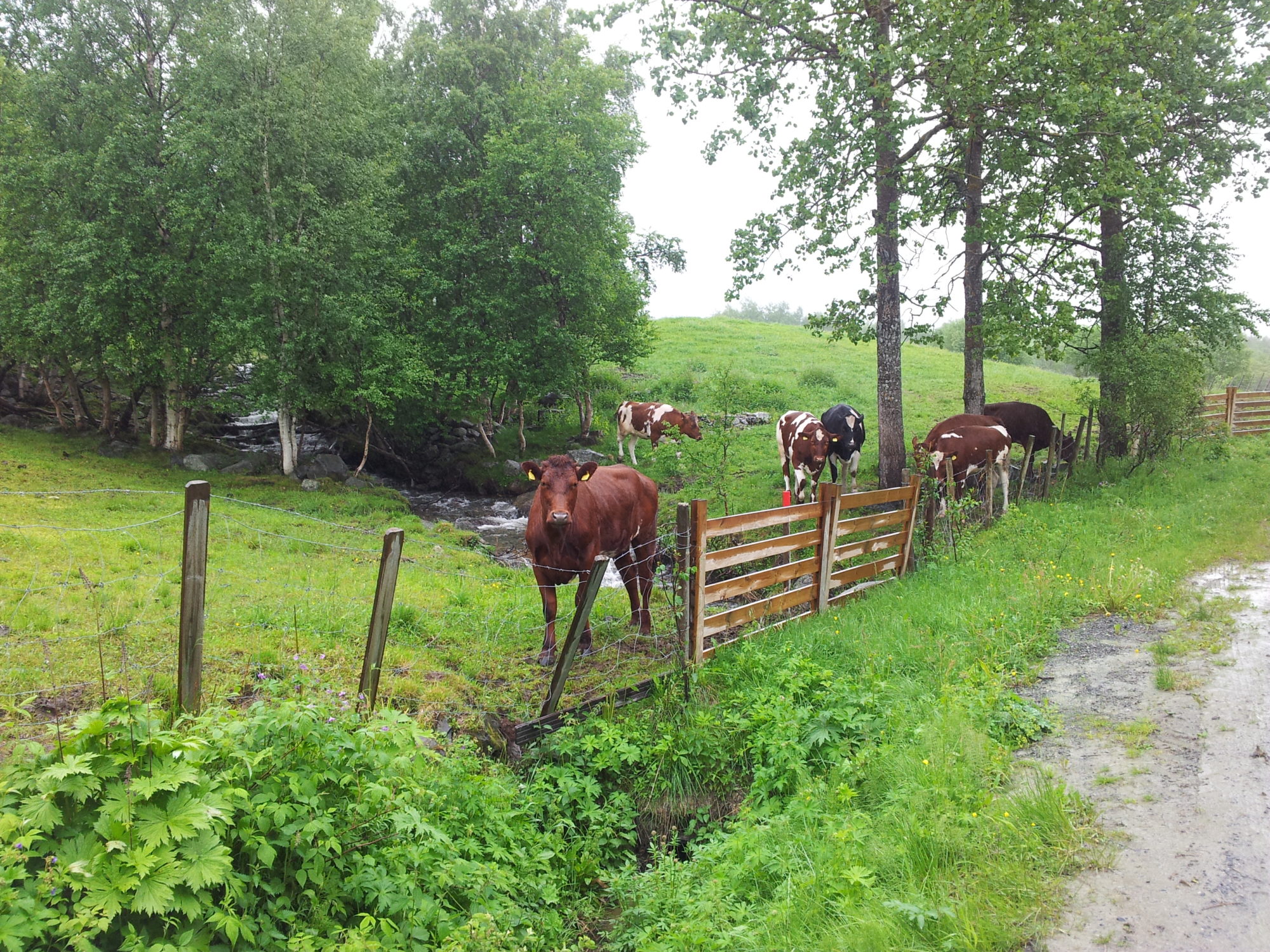
GoodAnimal’s primary objective is to acquire knowledge that will mitigate threats and increase opportunities for sustainable farm and industry practices. GoodAnimal will: 1) identify how societal attitudes and evaluations of AW are changing, and how this impacts on farmers’ evaluations of their practice as ‘good farmers’, 2) identify the key sites and places where these…
Read MoreAgri-Impact: the Agriculture Policy Decision Support Tool
This tool, named Agri-Impact, can be used to assist policy-makers in understanding how their policy decisions affect several impact categories; for example, water availability, food security and climate change. Essentially, this is the operationalization of Ruralis’ expertise in a way that is easily accessible to policy-makers. The tool will enable a policy-maker to understand how…
Read MoreAgriculture and farmers in transition – between economics, political changes and green trends
Den strategiske instituttsatsingen (SIS) Landbruk og bønder i endring – mellom økonomi, politiske skift og grønne trender, skal bidra til (1) at Ruralis har oppdatert kunnskap om og for norsk landbruk fra perspektiv som per i dag ikke dekkes inn av primærnæringsprogrammet i Forskningsrådet (BIONÆR), (2) at Ruralis beholder og videreutvikler kompetanse om norsk landbruk…
Read MoreRural communities: between resilience and vulnerability

This is obtained by generating knowledge on how local as well as national resources may or should be managed to get the best development possible at smaller places. Hence, the knowledge will be directly relevant to community- and place development. The project follows up Ruralis’ own, frequently accomplished survey: The local community survey 2011;2013; 2016.…
Read More