ROAM FREE: RObust Animals in sustainable Mixed FREE-range systems

Raising organic pigs on free-range complies well with consumer expectations and support the organic principles of natural living.
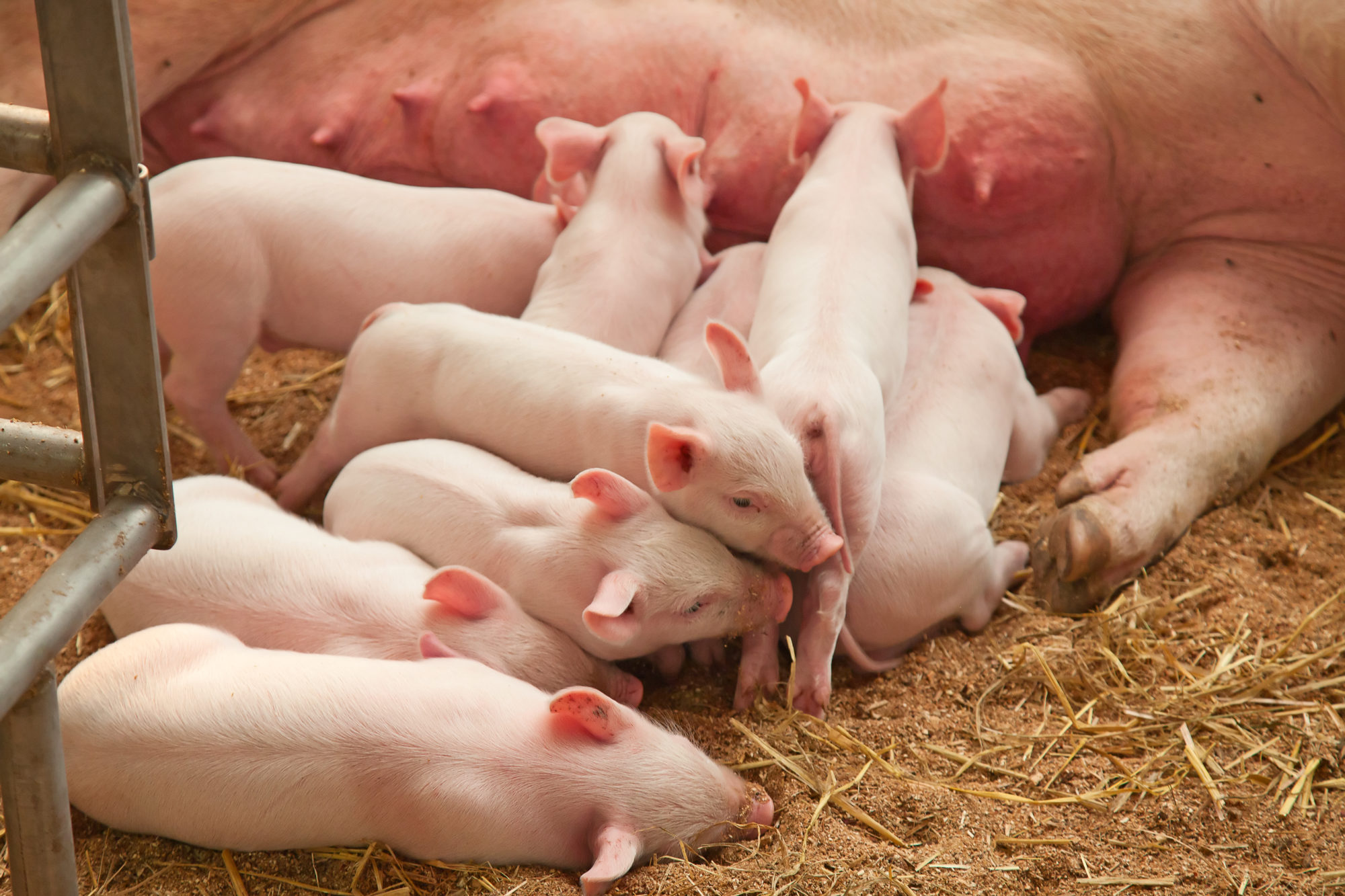
Foto: Colourbox
Foto: Colourbox

Free-range access may also reduce the need for inputs but managing pigs free-range can also be challenging in terms of biosecurity and land requirements. Across Europe, free-range access is declining in organic farming. The ROAM-FREE project will examine the possibilities for mixed production systems of pigs with other livestock or crop production to offer a alternative framework to solve some of the issues with free-range systems while supporting farm self-supply of feed and biodiversity. In ROAM-FREE, existing mixed free-range pig systems will be identified by partners in Norway, Denmark, Romania, Italy and Slovenia to cover the diversity in climate, disease risks as well as local traditions and different economic frameworks.

The primary objective of ROAM-FREE is to investigate how mixed free-range production systems can improve animal robustness, environmental and economic sustainability and biodiversity in organic pig farming, and thereby support a wider adoption of organic farming across Europe.

Prosjektdetaljer

Prosjektperiode

01/12/2021 - 31/12/2024

Samarbeidspartnere

Norsøk, NIBIO, University of Copenhagen, CREA Council for Agricultural Research and Economics, Aarhus University, University of Ljubljana, University of Agricultural Sciences and Veterinary Medicine (USAMV) CLUJ-NAPOCA

Finansiering

ERA-NET CORE Organic
Norges Forskningsrådet

Publikasjoner

  • Artikkel

2025

A-20/25 Chasing pigs, chasing profits: (De)territorializing organic and free-range pig farming in Norway

Bidragsytere:

Beskrivelse

Forfattere: Tommy Ruud og Richard Helliwell

Organic and free-range pig farming offers a potential solution to multiple agricultural challenges, including high pesticide and antimicrobial use, excess fertilization, biodiversity loss, and animal suffering. Organic pig production, which includes outdoor access and rearing, has been one solution promoted by the European Union. This study, based on ethnographic fieldwork and interviews with organic and non-organic free-range pig farmers in Norway, suggests that while promising, sustaining these production systems faces challenges related to animal welfare, land management, and market dynamics for pork. Specifically, we note how the weak symbolic value of organic labels and principles for pigs and pork results in fragile markets, whilst pigs’ rooting undermines not just soil and farm boundaries, but potentially their own welfare. Farmers have responded by forming new relational arrangements, including situating pigs as a working animal contributing to the broader productivity of the farm, and decommodifying pigs and pork in favour of using them to sustain broader social relations that produce other values and opportunities. We conclude that the flexibility and adaptability of pigs opens multiple trajectories of change, with regards to market organization, farmer collaboration and breeding pigs for rearing outdoors. If Europe is to reterritorialize the pig and pork industry around alternative production methods it requires a fundamental reimagining of the socio-material relations underpinning this industry, its moral frameworks and our relationship with pigs and pork.

Agriculture and Human Values, Volume 42, https://doi.org/10.1007/s10460-025-10741-0

Kontakt oss

Ønsker du å komme i kontakt med oss?
Fyll ut skjemaet under så vil vi svare deg så fort som mulig.