

KARBONMAT: Designing sustainable business model (SBM) concepts for carbon sequestration in soils to transform the Norwegian food system
Research objectives
The overall objective of KARBONMAT is to develop sustainable business model (SBM) concepts for carbon sequestering soils in Norwegian agriculture that enable farmers to adopt healthy soil management practices, and companies to invest in these to contribute to local sustainable food systems, new practices in primary production, improve biodiversity and reduce their climate footprint.
- Secondary objectives include to:
- identify and revise existing carbon sequestering soil management practices (SMPs) relevant for the Norwegian context and document their relevance for the Norwegian context by a practical field trial (WP1)
- measure environmental sustainability effects of carbon sequestering soil management practices in Norwegian agriculture (WP1)
- explore legal and policy frameworks that may facilitate or inhibit the application of SBM concepts for carbon sequestering soils in Norwegian agriculture (WP2)
- review existing business models for valorising carbon in soils and analyse how these might be applied in a Norwegian context (WP3)
- investigate the interest towards existing business models for valorising carbon among Norwegian farmers and co-design optimal BMs from the farmers’ perspective (WP4)
- explore the interest of Norwegian companies in investing in carbon sequestering soil management practices (WP5)
- develop and recommend measures for the implementation of SBM concepts for carbon rich soils in Norwegian agriculture with relevant stakeholders (WP6)
- integrate responsible research and innovation principles and practices in the project (WP7)
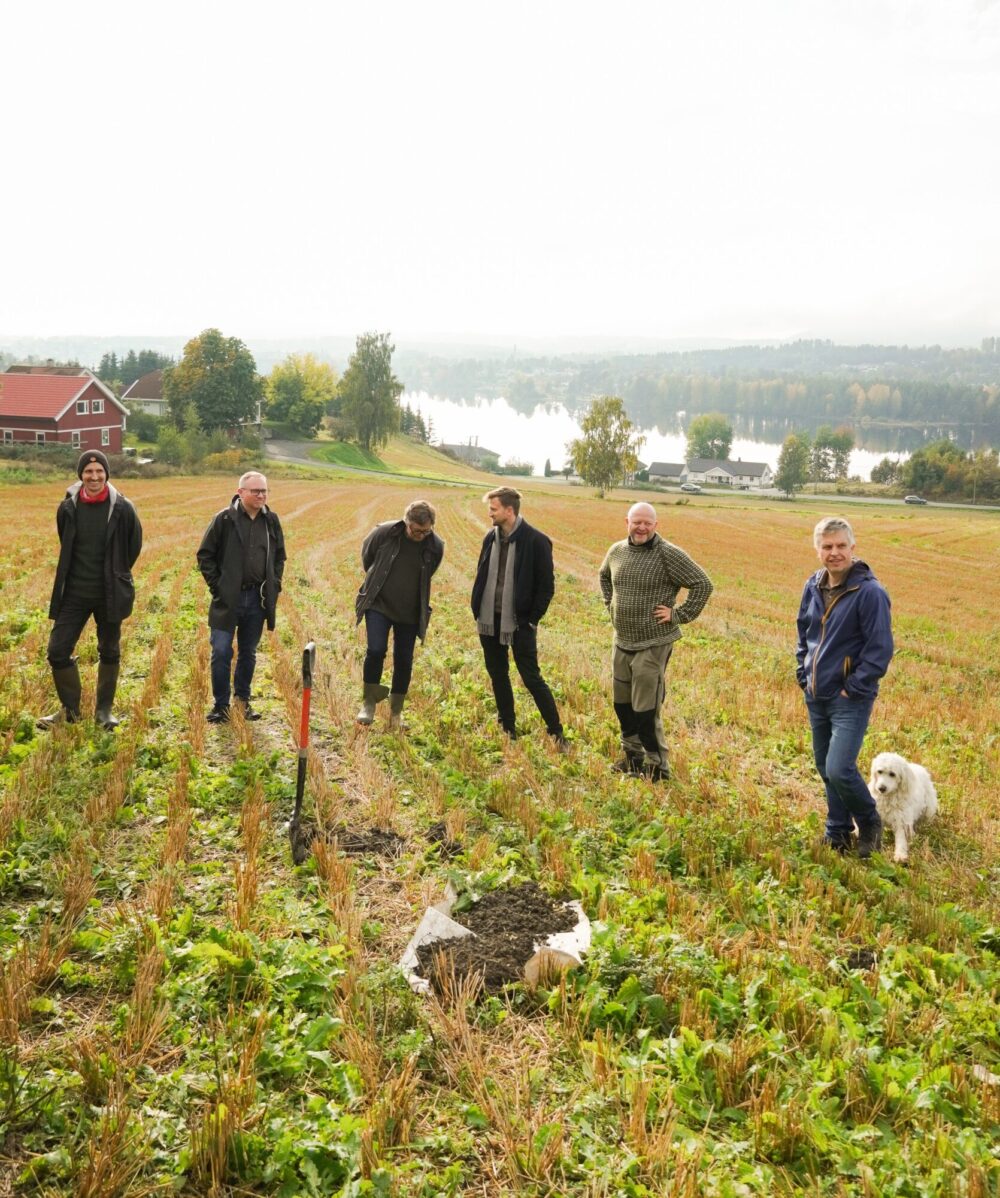
“Multi-Actor Platform” meeting in September 2024 at Vikersund, Norway.
Work packages
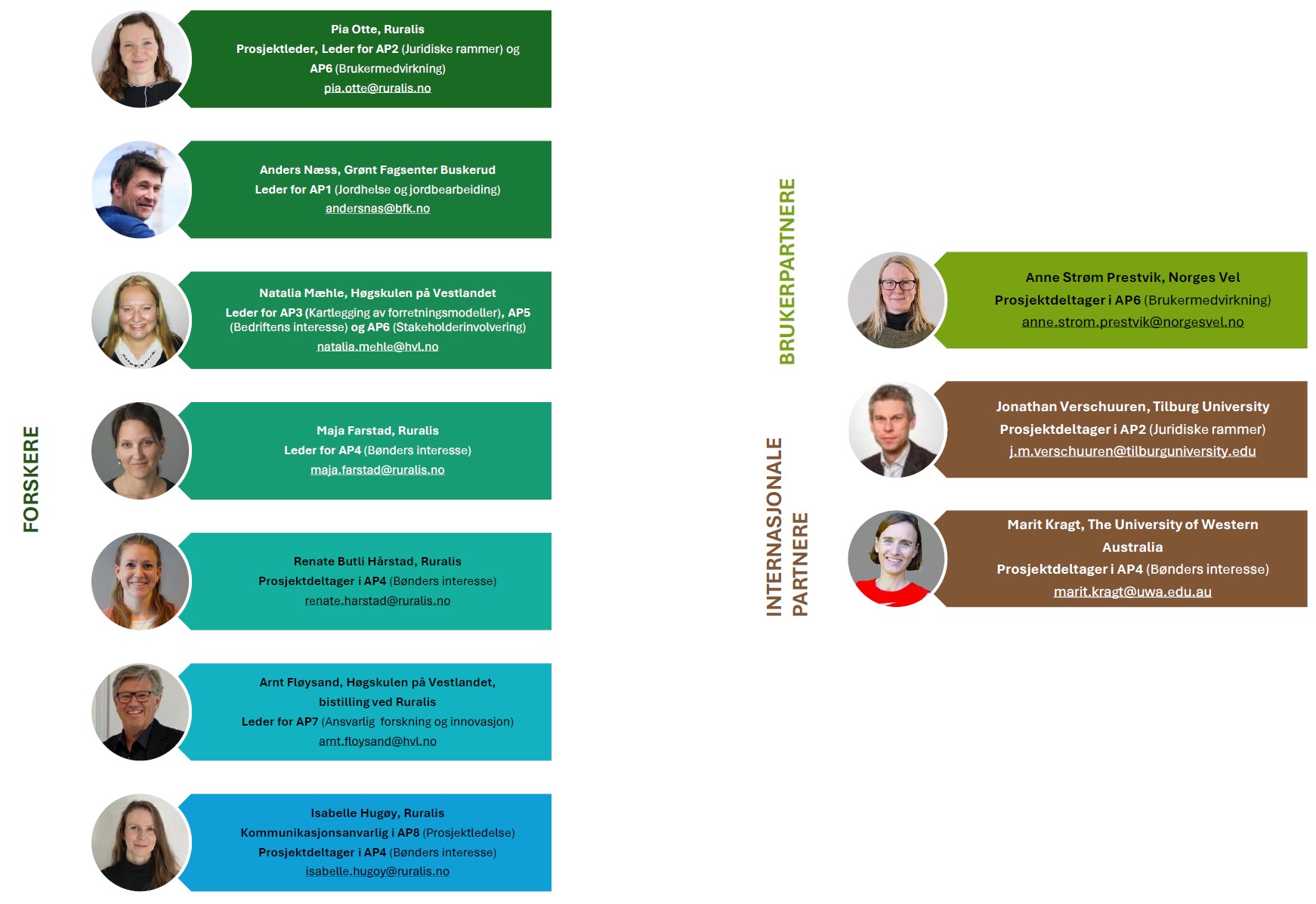
- Work package 1: Identification and measurement of effects of carbon sequestering soil management practices relevant for Norwegian food production and their multiple sustainability effects (WP leader: Anders Næss, Grønt Fagsenter Buskerud)
- Work package 2: Exploring appropriate legal and policy frameworks for carbon sequestering soils (WP leader: Pia Otte, Ruralis)
- Work package 3: Review of existing business models for sequestering carbon in soils and analysis of application for Norway (WP leader: Natalia Mæhle, HVL)
- Work package 4: Interest towards SBM concepts for sequestering carbon among Norwegian farmers (WP leader: Maja Farstad, Ruralis)
- Work package 5: Investigating companies’ requirements for SBM concepts sequestering carbon in agriculture Norway (WP leader: Natalia Mæhle, HVL)
- Work package 6: Developing measures for implementing SBM concepts sequestering carbon in agriculture Norway (WP leader: Pia Otte, Ruralis and Natalia Mæhle, HVL)
- Work package 7: Ensuring Responsible Research and Innovation (WP leader: Arnt Fløysand, Ruralis)
- Work package 8: Communication and dissemination (WP leader: Isabelle Hugøy, Ruralis)
Project Group
Project details
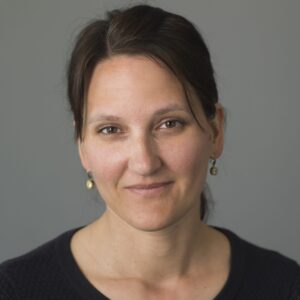
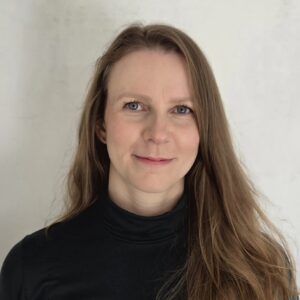
Other project members


Subject areas
Project number
6676
Project period
01/12/2023 - 30/06/2027
Collaboration partners
HVL, Grønt Fagsenter Buskerud, Tilburg University, University of Western Australia, Norges Vel, Stiftelsen Norsk Mat
Financing
News
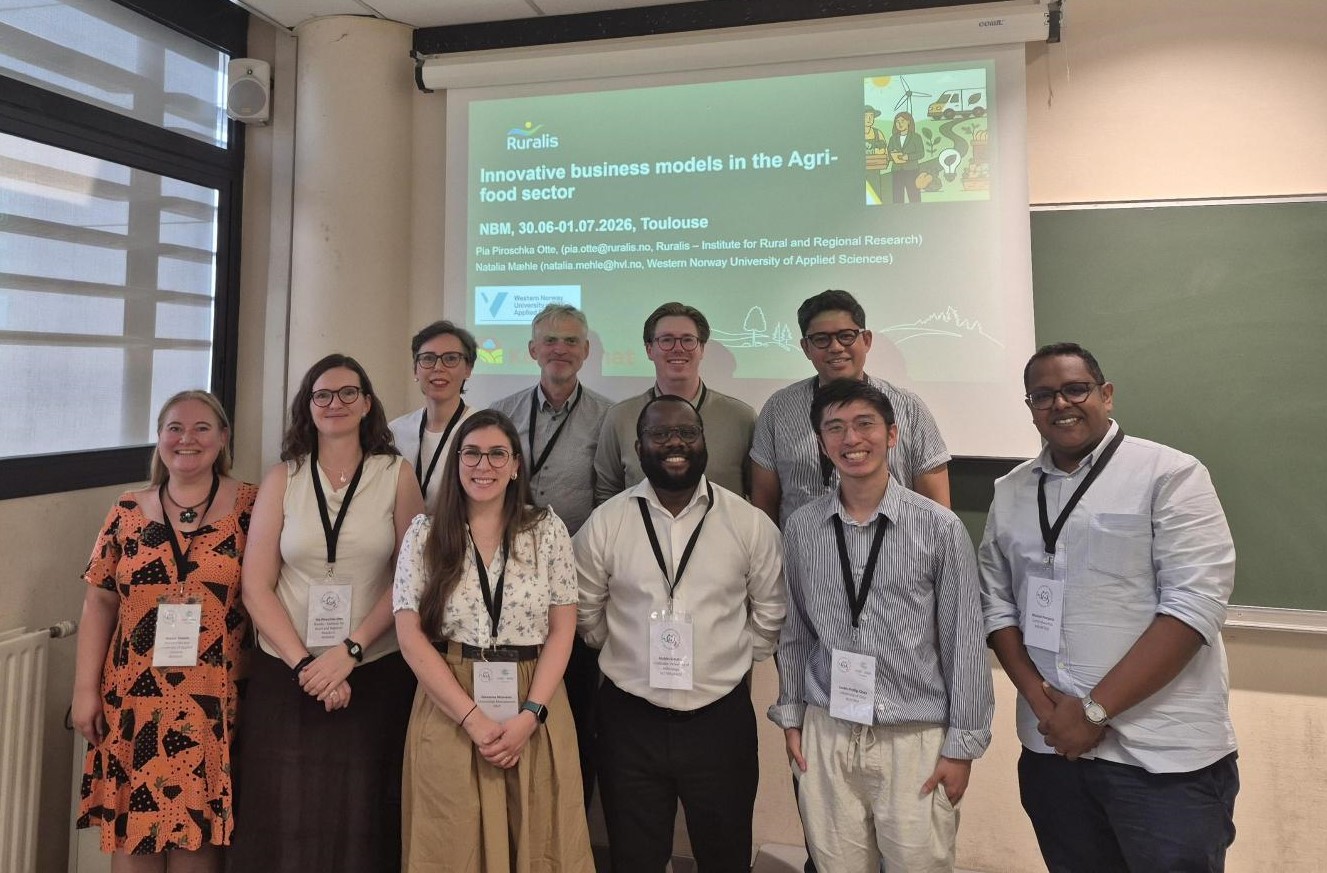
Validating developed business model concepts
The NBM is an annual international conference that gathers business model researchers from all over the world. Professor…

How can new business models strengthen the agri-food sector? What can we lean from international experiences?
Join our workshop on innovative business models in the agri-food sector during the New Business Model Conference in…
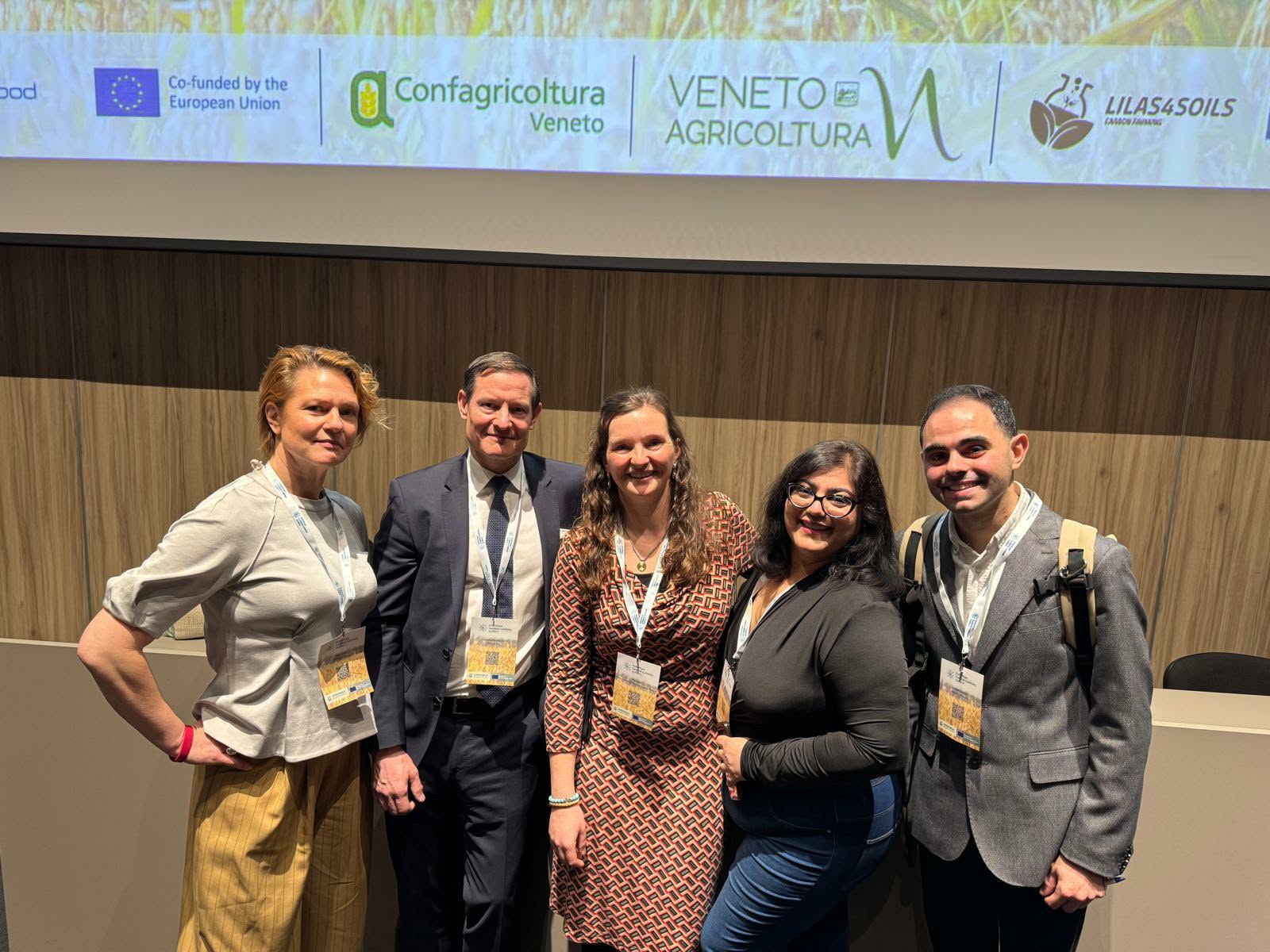
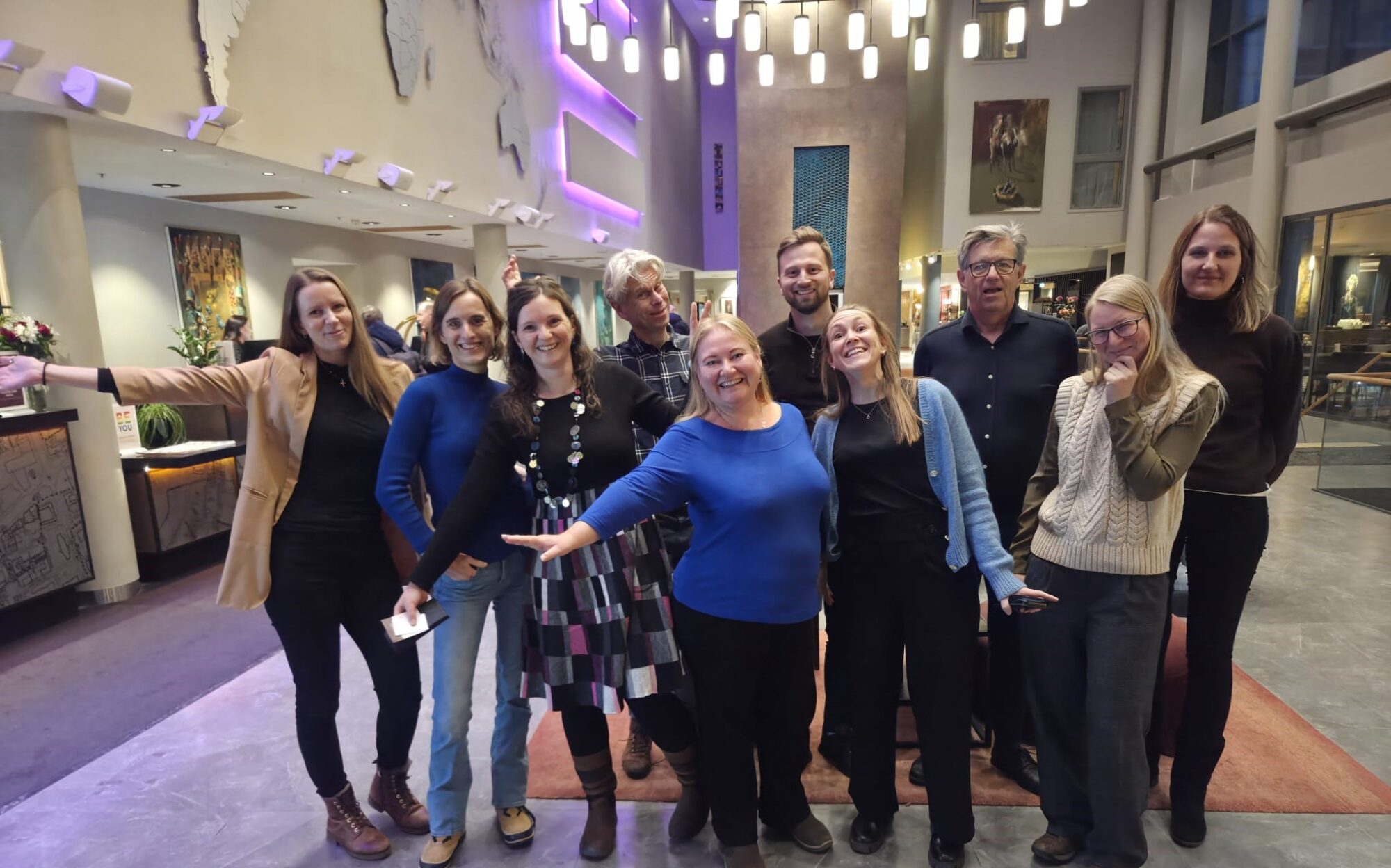
The Karbonmat team presents first findings in Trondheim
During the project meeting, the Karbonmat project team discussed new developments in the field of soil health, carbon…
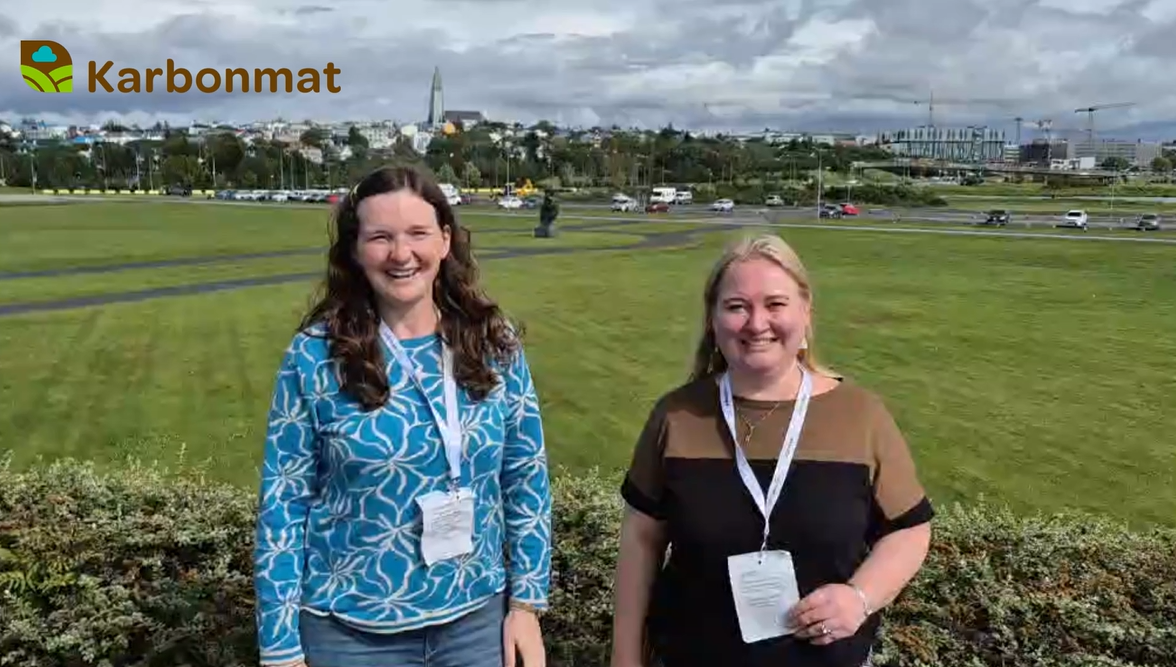
Report from Iceland, Karbonmat
They are looking forward to presenting the findings from Karbonmat at the next NBM conference in Toulouse in…
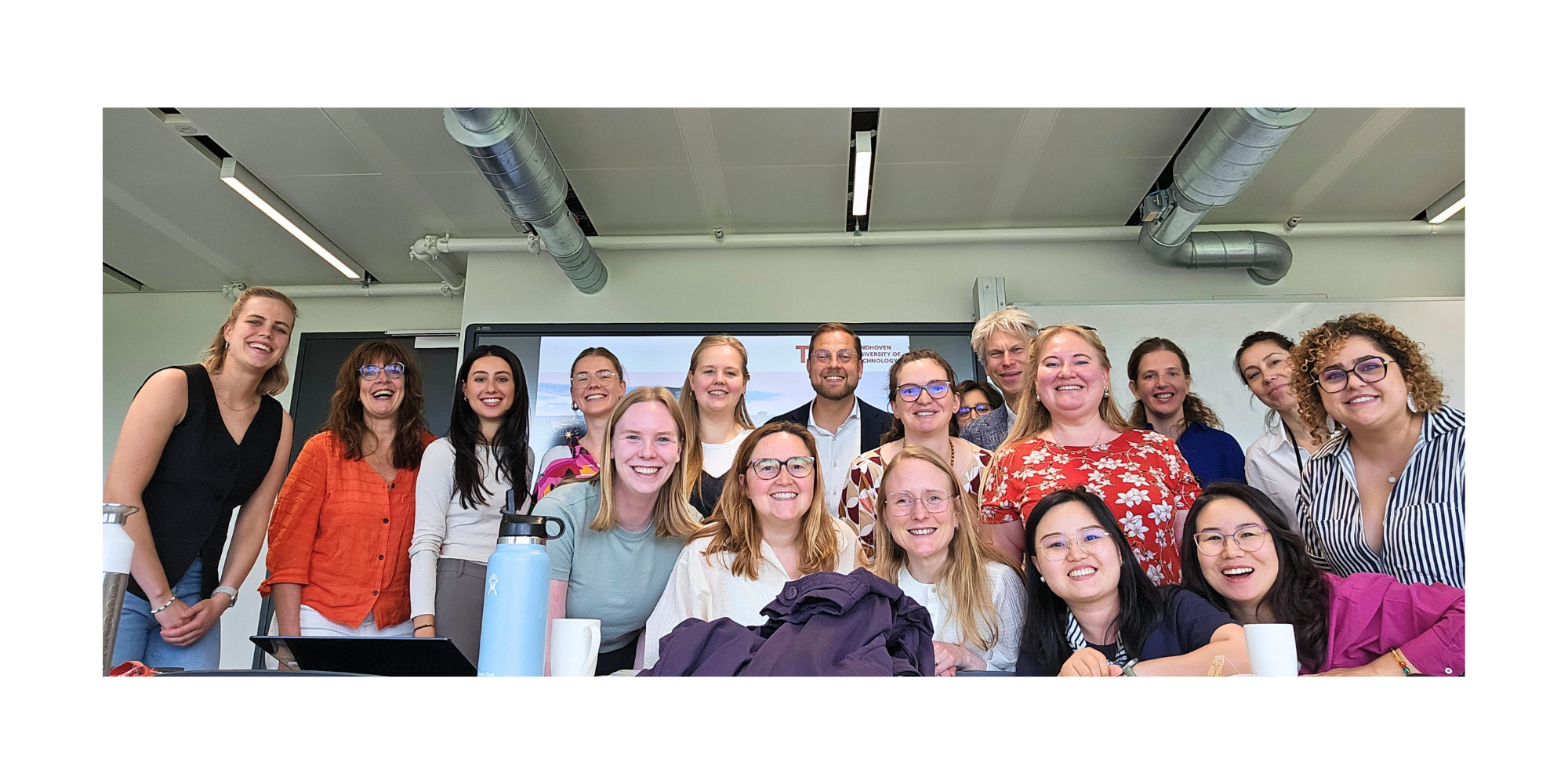
Karbonmat on fieldwork in Belgium and the Netherlands
Carbon sequestration is an important topic at the EU level and three new rules have been recently adopted…
Publications
- Article
2026
- Article
2026
- Article
2024
Contact us
Would you like to get in touch with us?
Fill in the form below and we will answer you as soon as possible.