

BluePlaces
Building Resilient Blue Places? The importance of Equity and Blue Space in Assembling a Blue Economy in the context of Climate Change.
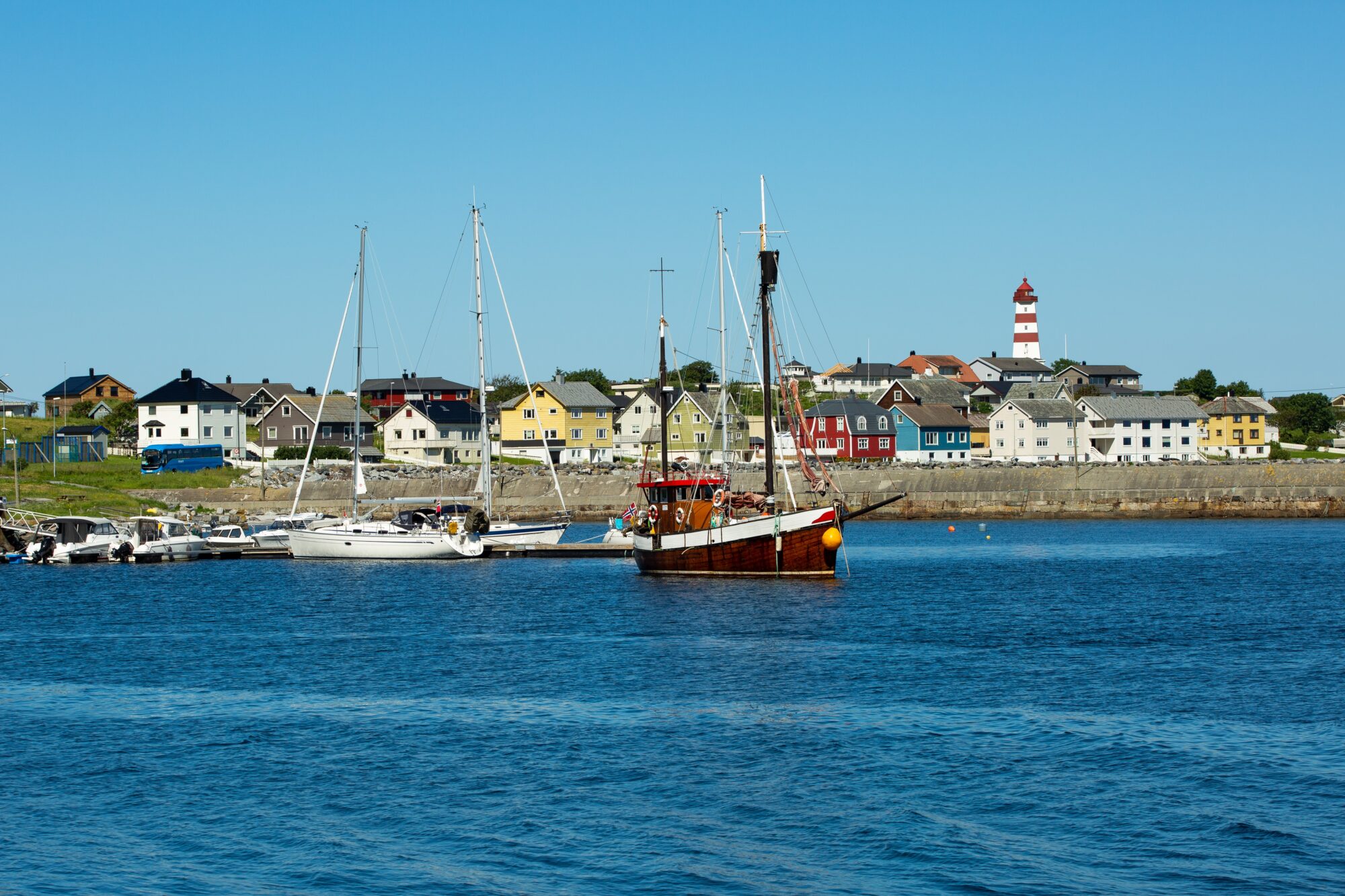
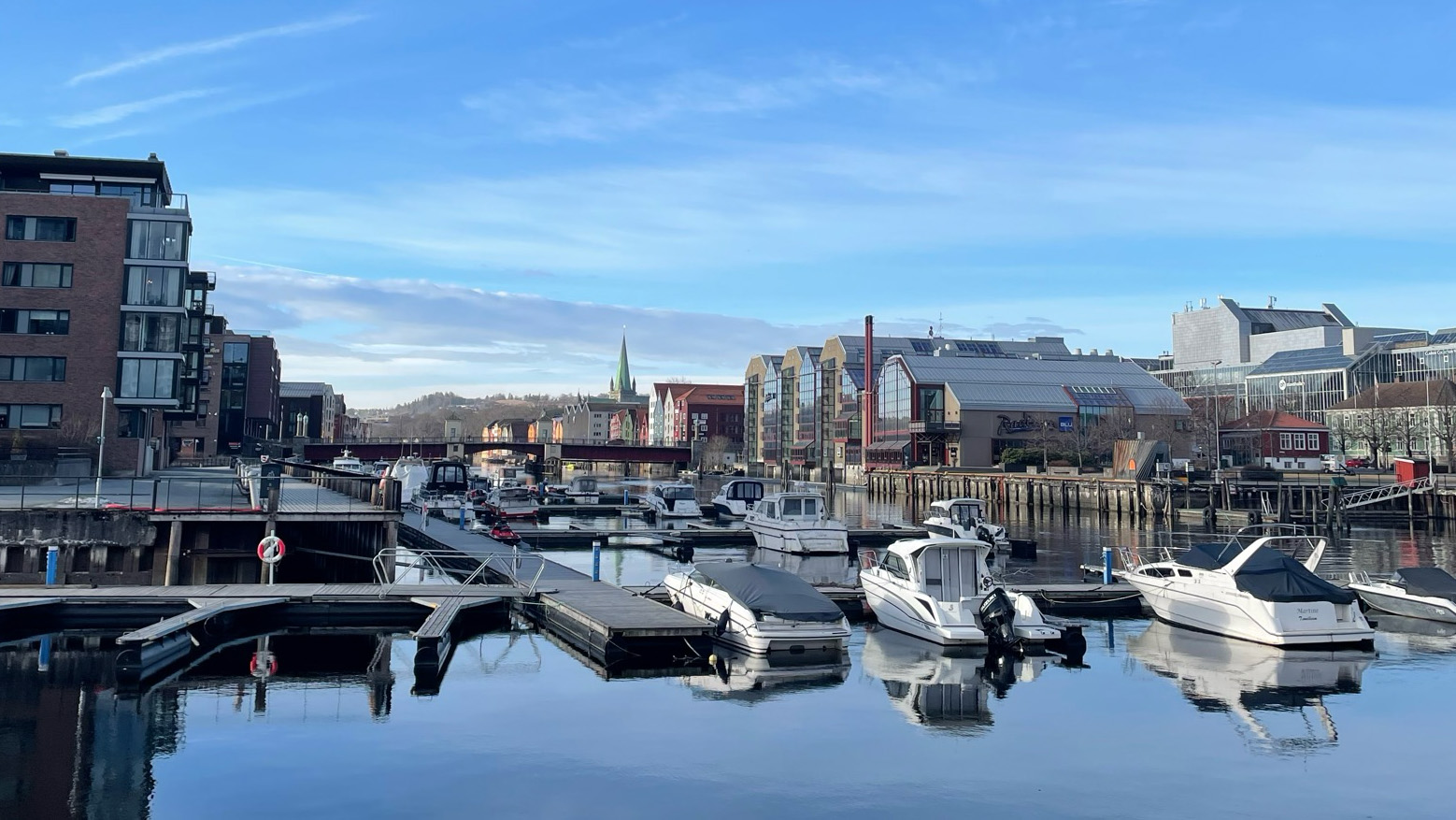
BLUEPLACES is a three-year research project aimed at enhancing the resilience of Norway’s coastal communities in the face of a rapidly changing climate.
The Norwegian government has ambitious plans for the nation’s ‘Blue Economy’; to ensure the future prosperity of coastal and oceanic communities. Yet, ocean and coastal spaces are increasingly under pressure and as the Blue Economy creates space and opportunities for some, others may become disadvantaged or displaced.
Coastal communities in Norway are also under pressure because of social change exacerbated by the exodus of women and young people, and climate change which is expected to have severe impacts in coastal spaces.
The question is then, how can we make Norway’s coastal communities resilient to future climate impacts at a time when the communities themselves are experiencing significant social and economic change?
In BLUEPLACES we respond to these issues by addressing the underlying economic and social composition of coastal communities: exploring the importance of equity in building resilient coastal places – places that have positive outcomes for all of society (incl. women, youth, migrants, and indigenous groups) with better capacities to adapt to urgent ongoing and future pressures of climate change.
We explore key themes on how to reduce pressures on coastal communities in developing a thriving Blue Economy: its design; impacts of climate change; how diverse groups benefit; how coastal communities’ resilience can be improved; how planning might facilitate equitable Blue Economy development; and how the future of the Blue Economy can be imagined differently.
These themes are all related to our wider purpose: to understand how an equitable Blue Economy can be envisioned, and how it can build resilient Blue Places in a climate-challenged world.
Project Team
Madeleine Gustavsson
Senior researcher
Project leader, leader of WP 2 and 6
Madeleine is a senior researcher at Ruralis with a PhD in Environmental Sciences (Human Geography). Madeleine is researching topics related to fisheries, coastal communities, gender relations and identities as well as the blue economy, the environment and rural society. Besides being a project leader on BluePlaces, she is the Gender and Diversity Coordinator on the Horizon Europe EmpowerUs project. Prior to joining Ruralis Madeleine worked as a postdoc at the University of Exeter, UK where she was a PI on the Economics and Social Research Council funded Women in Fisheries project. Within this project she examined the changing roles, identities and wellbeing of women in fishing families.
Katrina Rønningen
Senior researcher
Project leader, leader of WP 1 and 5
Katrina is a geographer working on issues related to agriculture, environment and climate, natural and rural resources and policies. She holds a PhD in geography and works as a senior researcher at Ruralis. Commodification, conservation and marginalization processes and related land use questions are at the core of her research interests. Various land use, rights and interests linked to e.g. renewable energy, indigenous reindeer herding, aquaculture are key words for her recent research.
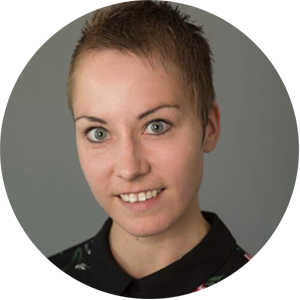
Rita Moseng Sivertsvik
Project administrative advisor/researcher
Project administrative advisor
Rita is a political scientist and teacher and received her master’s degree at NTNU. She works as a project advisor and researcher at Ruralis. She has worked on projects related municipal and regional development – including a focus on municipal reform and inter-municipal cooperation, tourism – both as part of local community development and the nature-based business with a focus on actors, as well as projects related to administration and politics, bioeconomy and climate measures in agriculture. She is also a researcher on the Horizon Europe project Grass Ceiling, which promotes woman-led innovation in rural areas.
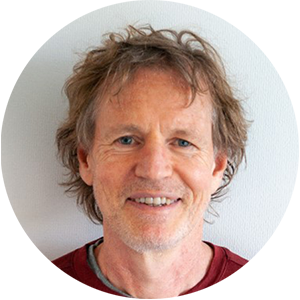
Rob Burton
Senior researcher
Project mentor
Rob is a rural geographer/sociologist from New Zealand who has been living and working in Norway since 2011. He holds a PhD in geography. Over a 25-year career in research he has been involved in research projects across a range of topics including: animal welfare, agri-environmental policy, farming culture, climate change, bioeconomy, cultured protein, and agricultural transition. He has instigated and led a number of research projects including on climate transitions in the beef/dairy sector, the development of a bioeconomy in Norway and the potential impact of synthetic animal proteins on the Norwegian economy.
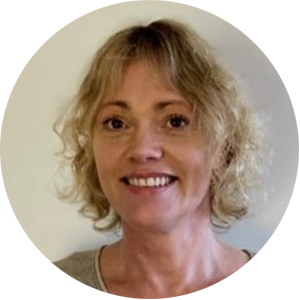
Aina Winsvold
Research Analyst/Senior Researcher
WP 2
Aina is a research analyst/senior researcher at Ruralis, with a PhD in sociology from Lund University in Sweden. The PhD included one year of fieldwork in India, and she has extensive fieldwork experience both internationally and from various districts in Norway. She has previously worked as a researcher at the National Knowledge Center for the Health Service, was international coordinator for the Campbell Collaboration and Researcher II at the Norwegian Institute for Education, Welfare and Aging (NOVA). She also has extensive practical experience with district development, integration work and competence development from her job as Regional Coordinator for the Mountain Region in Hedmark County Municipality.
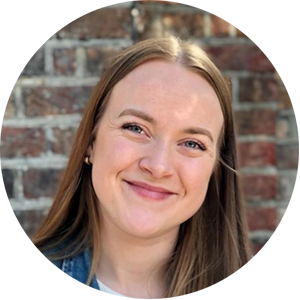
Sunniva Solnør
Forsker
Sunniva har en master i sosiologi fra Norges teknisk-naturvitenskapelige universitet (NTNU) i Trondheim, og har vært ansatt ved Ruralis siden 2022. Hun forsker på temaer innenfor kystutvikling, kjønn og likestilling, lokalsamfunn, fornybar energi, arealkonflikter, klimarådgiving i landbruket og naturrestaurering.

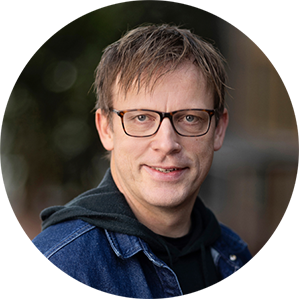
Frode Flemsæter
Associate Professor
Leader of WP 3
Frode works as an associate professor at the Department of Geography, Faculty of Social and Educational Sciences at NTNU, and has a secondary position at Ruralis. His research is in particular within the fields of legal geography and moral landscapes, which includes work on land ownership and property relations, commodification of the outfields, access to and recreation in the outdoors, second home ownership, agriculture and climate change, landscape history, and the power geometries related to use and protection of valuable landscapes.
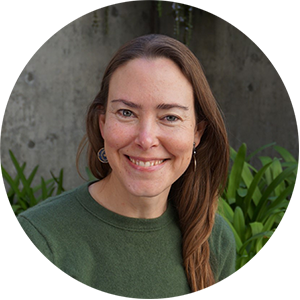
Christine Knott
Assistant Professor
WP 1, 2, 3 and 6
Christine is an assistant professor at San Diego State University (SDSU). Her research draws on existing feminist scholarship and anti-oppressive intersectional framework to explore how political, ecological, economic, and corporate influences (across multiple scales) are reconfiguring ocean spaces and coastal communities in unequal ways. Her work builds on intersectional climate and environmental justice literatures that draw from intersectional feminist political ecology and anti-colonial works to create grounded, collaborative, and community-based research.
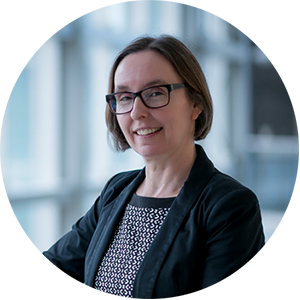
Nicole Power
Professor
Academic Advisor
Nicole is a Professor in the Department of Sociology at Memorial University. She has been doing feminist research focusing on Newfoundland fisheries for over 25 years. Much of her research examines the political economy of Newfoundland fisheries, with a particular focus on the impacts of industrial, economic and ecological change on workers and young people in fisheries communities; labour mobility among young workers in rural and coastal communities; and recruitment and retention in fish harvesting. Recently she has turned her attention to multispecies relations, focusing particularly on the political economy of the human-fish relations. In BluePlaces, she is a part of the Academic Advisory Board.
Sámi Parliamen in Norway Expand
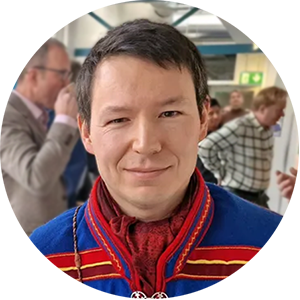
Vegar Jakobsen Bæhr
Advisor
WP 2, 4 og 5
Vegar is an advisor within marine industries at the Sami Parliament.
Finnmark county municipality Expand
Jesse Jan van der Berg
Advisor
WP 4 og 5
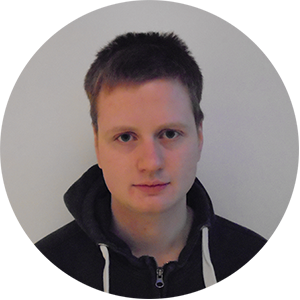
JJesse is a project assistant/advisor for a project with the County Municipality called Kystplan Finnmark. Through the project, he will lead and assist municipalities in developing new and updated coastal zone plans for the municipalities in Finnmark.
Synne Movik
ProfessorLeader of WP 4
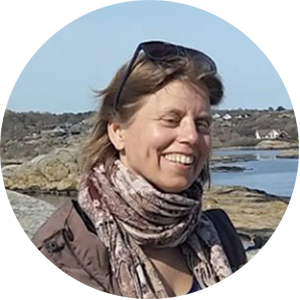
Synne is a professor at NMBU. She is an environmental social scientist with 20 years of experience working within the fields of natural resources governance and environmental planning, with a wide geographical focus that includes South Africa, India, Tanzania, Nepal, and Norway. Her research interests include governance of coastal commons, freshwater resources, energy development, and responses to climate change uncertainties. She is particularly interested in how certain concepts and ideas emerge as modes of power and gain traction in environmental governance, and in exploring issues of social struggles over rights, access, and justice, as well as the politics of knowledge co-production.

Bjørn Egil Flø
Researcher
WP 3
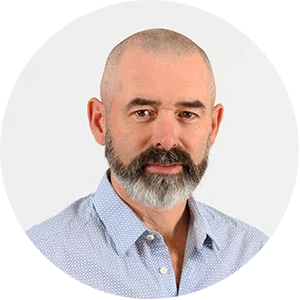
Bjørn Egil is a researcher at Norwegian Institute of Bioeconomy Research (NIBIO). He has extensive experience from a number of projects spanning fields such as district policy, business development and management of common resources. For several years, he has worked at the intersection between city and country and studied power and rights issues related to local resources and the distribution of values between local communities and larger communities.
KUN Centre for Equality and Diversity Expand

The Equality Center KUN has its head office in Steigen in Nordland, and a branch office in Steinkjer in Trøndelag. They have a district perspective with them in everything they do, and both live and work closely with many of the issues facing the coastal communities.
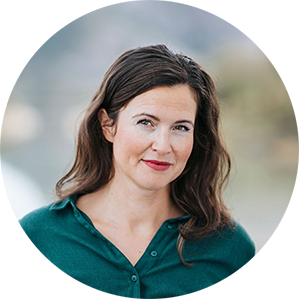
Mari Helenedatter Aarbakke
Senior Advisor
WP 5
Mari is a senior advisor at KUN and has extensive experience in working with equality and diversity in working life and organizing and leading conferences and workshops. Mari has a master’s degree in linguistic communication from the Norwegian University of Science and Technology (NTNU).
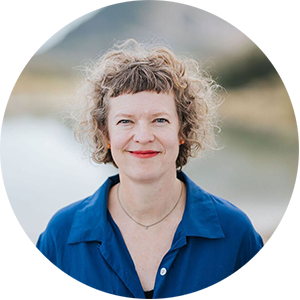
Marte Taylor Bye
Senior advisor
WP 5
Marte is a senior advisor at KUN and works with norm-critical methods related to recruitment and innovation, and to ensure representation and democratic processes. Marte has a master’s degree in social and community psychology from the Norwegian University of Science and Technology (NTNU).
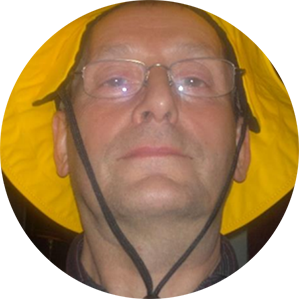
Inge Arne Eriksen
CEO
WP 2, 4 og 5
Inge Arne is the chairman of Bivdu, an organization for fjord and coastal fishermen, with the main aim of safeguarding the interests of indigenous and Sami people in fishing (including salmon) with a background in SP. 27 and ILO Convention 169 – Indigenous People. Inge Arne is former senior advisor in the Sami Parliament, Karasjok.
The Norwegian Coastal Fishermen’s Association Expand
Hanna Arctander
CEO
WP 2, 4 and 5
Hanna has a degree in political science from the University of Tromsø and started as an adviser in the Norwegian Coastal Fishermen’s Association before she took over as general manager in 2022. The Norwegian Coastal Fishermen’s Association is a trade and interest organization for Norwegian coastal fishermen. The organization works for sustainable fisheries management that will promote activity, settlement and employment along the entire coast.
The Norwegian Fishermen’s Association Expand
Marit Hiim Haugseth
Senior advisor
WP 2, 4 and 5
Marit has a degree in political science from the London School of Economics and Political Science, has previous experience from politics as well as the public sector. Marit has worked in the Norwegian Fishermen’s Association since 2016 and has the following areas of work: Norwegian – Russian fisheries cooperation, community contact, member contact and marine litter. In addition, together with Hanna Bakke-Jensen, she is the podcast host for the Fiskarlaget’s podcast “I know nothing about fish”. She is also main union representative for the “Fiskarorganisasjonenes Funksjonærforening”.

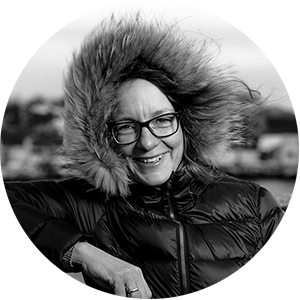
Kjersti Eline Tønnessen Busch
CEO and co-founder
WP 1 and 4
Kjersti is one of the two founders of SALT. She has led the company since it was founded in 2010 and has had a major role in the development from a small entrepreneurial company to a recognized knowledge enterprise with 26 employees spread over 11 different offices. Kjersti has been involved in developing SALT’s three specialist areas: marine management, coastal communities and marine litter. Her academic background is a doctorate in aquaculture from the University of Tromsø and a cand. Scient. degree from the University of Bergen. Through her work at SALT, she has built up a wide range of skills and a broad field of interest and has a solid network within academia, business and the voluntary sector.
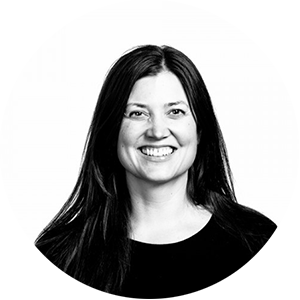
Guri Hjallen Eriksen
Researcher
WP 1 and 4
Guri completed a PhD in 2022 on the regulation of commercial fisheries in Norway as a business PhD in SALT, in collaboration with the law faculty at the University of Oslo (UiO). In SALT, Guri works part-time as a researcher in a number of projects in the field of marine management. She also has a part-time postdoctoral position at the Scandinavian Institute for Maritime Law/UiO where she studies the future control and monitoring of commercial fisheries, with the main emphasis on opportunities and limitations that come with new technology.
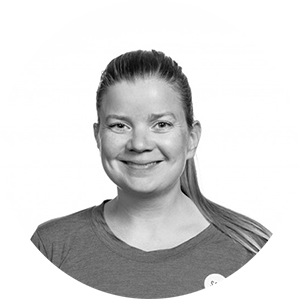
Tale Skrove
Senior Advisor
WP 1
Tale is a nature manager and marine biologist. She thrives in the mountains as well as on the shore and is passionate about arousing interest and commitment to nature in as many people as possible. She has previously worked with outdoor activities and as a GIS manager in the municipality and has researched the ecological condition of the upper water layer along the Trøndelag coast. In addition, she has written a master’s thesis on the environmental impact of nutrient salts from aquaculture.
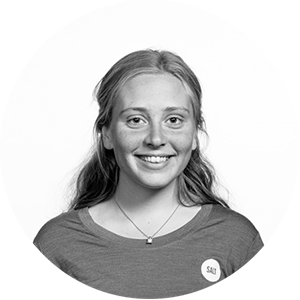
Helene Skjeie Thorstensen
Advisor
WP 4
Helene has a master’s degree in ecotoxicology from the University of Oslo and has worked at the same university with environmental indicators for pollution in marine food webs. In SALT, she works as an advisor in marine management and has experience with qualitative investigations in fisheries. Helene works at our office in Båtsfjord and is a member of the Båtsfjord trade association’s fisheries group. With this, she has a good insight into both business life and daily life in an active fishing community.
UiT – The Arctic University of Norway Expand
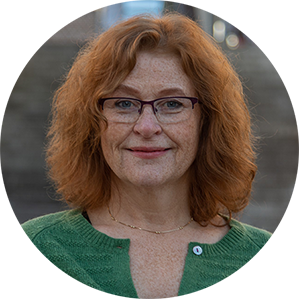
Marit Aure
Professor
WP 3
Marit is professor of sociology at the Department of Social Sciences at UIT Norway’s Arctic University in Tromsø. She researches, publishes, teaches and supervises national and international relocation processes and settlement patterns, coastal communities and local development, gender, diversity, integration and belonging. She also works with the labor market and regional development. Marit is concerned with communication and cooperation.

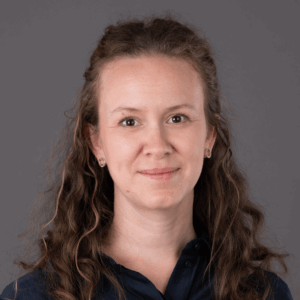
Camilla Brattland
Associate professor
Camilla is associate professor of Sami cultural studies at UiT – Norway’s Arctic University Museum. She was a member of the Fjordfish Board in the period 2021-2023 and is a member of the Research Council’s portfolio board for climate and environment (from 2024). Her research projects focus on indigenous and Sami participation in marine resource management and knowledge production. In BluePlaces she is a member of the advisory group.
Work Packages
In work package 1, we will analyze and understand the policy discourse – i.e. prevailing policies, perceptions and legitimization of policies. We will do this by:
• Comparing perspectives from Canada and the US with Norway
• Comparing policy objectives with the experiences and perspectives of local communities and other stakeholders.
• Examining whether and how blue economy strategies address climate change and other pressures faced by local communities
Participants:
• Katrina Rønningen, Ruralis (WP-leader)
• Guri Hjallen Eriksen, SALT
• Tale Skrove, SALT
• Kjersti Busch, SALT
• Christine Knott, San Diego State University SDSU
• Vegar Jacobsen Bæhr, Sametinget WP 2 Expand
In work package 2, we focus on understanding how diverse social groups benefit from work opportunities in the Blue Economy and how this influences their individual and family life trajectories as well as their communities. We will also identify whether and where there is space for a more diverse work force in the Blue Economy. We explore how the Blue Economy is constructed at sea by assessing gender relations, indigenous rights and the presence and opportunities of migrant workers and youth at sea and onshore. We further focus on how varying groups and individuals may be impacted by climate change (for example factors related to fish mobility and ocean warming) and how those impacts influence equity within the Blue Economy.
Participants:
• Madeleine Gustavsson, Ruralis (WP-leder)
• Aina Winsvold, Ruralis
• Vegar Jakobsen Bæhr, Sametinget
• Inge Arne Eriksen, Bivdu
• Marit Hiim Haugseth, Norges Fiskarlag
• Hanna Arctander, Norges Kystfiskarlag
• Christine Knott, SDSU WP 3 Expand
Creating equitable and resilient coastal communities
In WP3, we explore how social and cultural conditions in coastal communities change and are (re)created in light of changes in the blue economy. Among other things, we examine how changes in the blue economy affect the degree of equity, sustainability and resilience of coastal communities. We build on previous research on migration and demographic change in coastal communities, as well as observations of how sectors such as aquaculture and other emerging industries are reshaping coastal communities and legitimizing particular social and cultural conditions. We also build on research exploring spatial (in)justice and social sustainability in both coastal and inland communities related to new and renewed exploitation of land-based resources and industries.
Participants:
• Frode Flemsæter, NTNU/Ruralis, WP-leder
• Bjørn Egil Flø, NIBIO
• Marit Aure, UiT
• Christine Knott, SDSU
• Marte Molde Johannesen, masterstudent, NTNU
• Marte Aarsand Vik, masterstudent, NTNU WP 4 Expand
In work package 4, we are interested in investigating how municipalities collaborate to plan for the use of their coastal areas through intermunicipal plans. We want a better understanding of how the municipalities involve different interests, what kind of opportunities there are for meaningful participation, how conflicting interests and conflicts are handled both within and across municipal boundaries, and how climate change is assessed and managed.
The underlying question is to what extent planning for the use and protection of coastal zones and marine areas can contribute to more robust, equitable and sustainable coastal communities. Geographically, we concentrate on the processes taking place in Finnmark, and we are particularly interested in the collaboration between the four municipalities of Tana, Berlevåg, Båtsfjord and Gamvik.
Participants:
• Synne Movik, NMBU (WP-leder)
• Knut Bjørn Stokke, NMBU
• Guri Hjallen Eriksen, SALT
• Vegar Jacobsen Bæhr, Sametinget
• Marit Hiim Haugseth, Norges Fiskarlag
• Hanna Arctander, Norges Kystfiskarlag
• Inge Arne Eriksen, Bivdu WP 5 Expand
How can we develop a more equitable blue economy and how can this be “stitched together “?
In work package 5, we will explore what the blue economy could consist of, and how we can imagine it differently from what it is in Norway today. This is necessary to meet the many pressures and the need to adapt to climate change. We will do this by:
Analyzing changes in social, cultural, economic and political processes, and movements and increased mobility of people, objects, languages, traditions etc.
Looking at what consequences these changes have for “blue places”? Understand how these drivers and changes can be negative and disruptive, but also provide positive opportunities
Develop a shared vision for a more equitable blue economy under the pressures of climate change.
We will synthesize the knowledge from all the work packages and in collaboration with all the partners, the communities involved in the project, the scientific advisory group and the steering committee. KUN will organize workshops and gatherings in the communities involved in the project.
Participants:
• Katrina Rønningen, Ruralis (WP-leder)
• Mari Helenedatter Aarbakke, KUN
• Marte Taylor Bye, KUN
• Marit Hiim Haugseth, Norges Fiskarlag
• Hanna Arctander, Norges Kystfiskarlag
• Jesse van der Berg, Finnmark Fylkeskommune
• Inge Arne Eriksen, Bivdu
• Vegar Jakobsen Bæhr, Sametinget
Project details
Contact persons
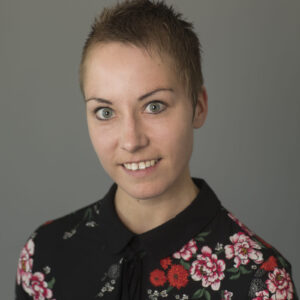
Rita Moseng Sivertsvik
Project administrative advisor/researcher
Project leaders

Madeleine Gustavsson
Senior Researcher
madeleine.gustavsson@ruralis.no
External project coordinator
Other project members
Subject areas
Aquaculture Bioeconomy Business development and bioeconomy Climate Climate and Resource ManagementProject number
6662Project period
01/12/2023 - 30/11/2026Collaboration partners
NMBU, NIBIO, NTNU, SALT, KUN Centre for Equality and Diversity, The Norwegian Coastal Fishermen’s Association, The Norwegian Fishermen’s Association, The Sámi Parliament, San Diego State University, Bivdu and Finnmark county municipality
Financing
The Research Council of Norway
News
Publications
Contact us
Would you like to get in touch with us?
Fill in the form below and we will answer you as soon as possible.
Project details
Project number
6662
Project period
01/12/2023 - 30/11/2026
Collaboration partners
NMBU, NIBIO, NTNU, SALT, KUN Centre for Equality and Diversity, The Norwegian Coastal Fishermen’s Association, The Norwegian Fishermen’s Association, The Sámi Parliament, San Diego State University, Bivdu and Finnmark county municipality
Financing
The Research Council of Norway
News

The Sámi National Day, February 6.
There are many things to celebrate on the Sámi National Day. Many young, but also adults want to…
We have now set the timetable for the BluePlaces project
On 19 and 20 March, we gathered project partners and advisers for the kickoff of BluePlaces at Scandic…
To succeed in restructuring in the districts, what does gender have to say?
To adapt to the green shift, the districts need knowledge, but also people with the power to establish…
Contact us
Would you like to get in touch with us?
Fill in the form below and we will answer you as soon as possible.