Sisters in the Arctic Blue – Advancing a Gender Perspective in Arctic Marine and Coastal Social Science Research

Our objectives include: (1) to identify participants and means of developing a sustained network of researchers interested in gender issues within the blue sectors; (2) write a report/journal manuscript identifying gaps in this research area; and (3) meet to discuss further collaborations and research in blue sectors.
Read MoreDrug and addiction problems in agriculture, prevention, and treatment
At the same time, it has been revealed that male farmers are less likely to apply for health and medical help for anxiety, alcohol challenges and drug use than men who are not farmers. It is assumed that there is a greater need to adapt the services to those who work in agriculture than is…
Read MoreOrganic farming Møre og Romsdal county
1) Situasjonsbeskrivelse av det økologiske jordbruket i Møre og Romsdal, 2) Klarlegge utviklingsmuligheter, og 3) Forslag til tiltak. Det skal bl.a. gjennomføres intervjuer med nøkkelinformanter. Prosjektet skal ende opp i en rapport som beskriver studien, funn og forslag til tiltak i fylket.
Read MorePromoting collaboration for sustainable and circular use of bioresources across agriculture, forestry, and aquaculture (CIRCLE)
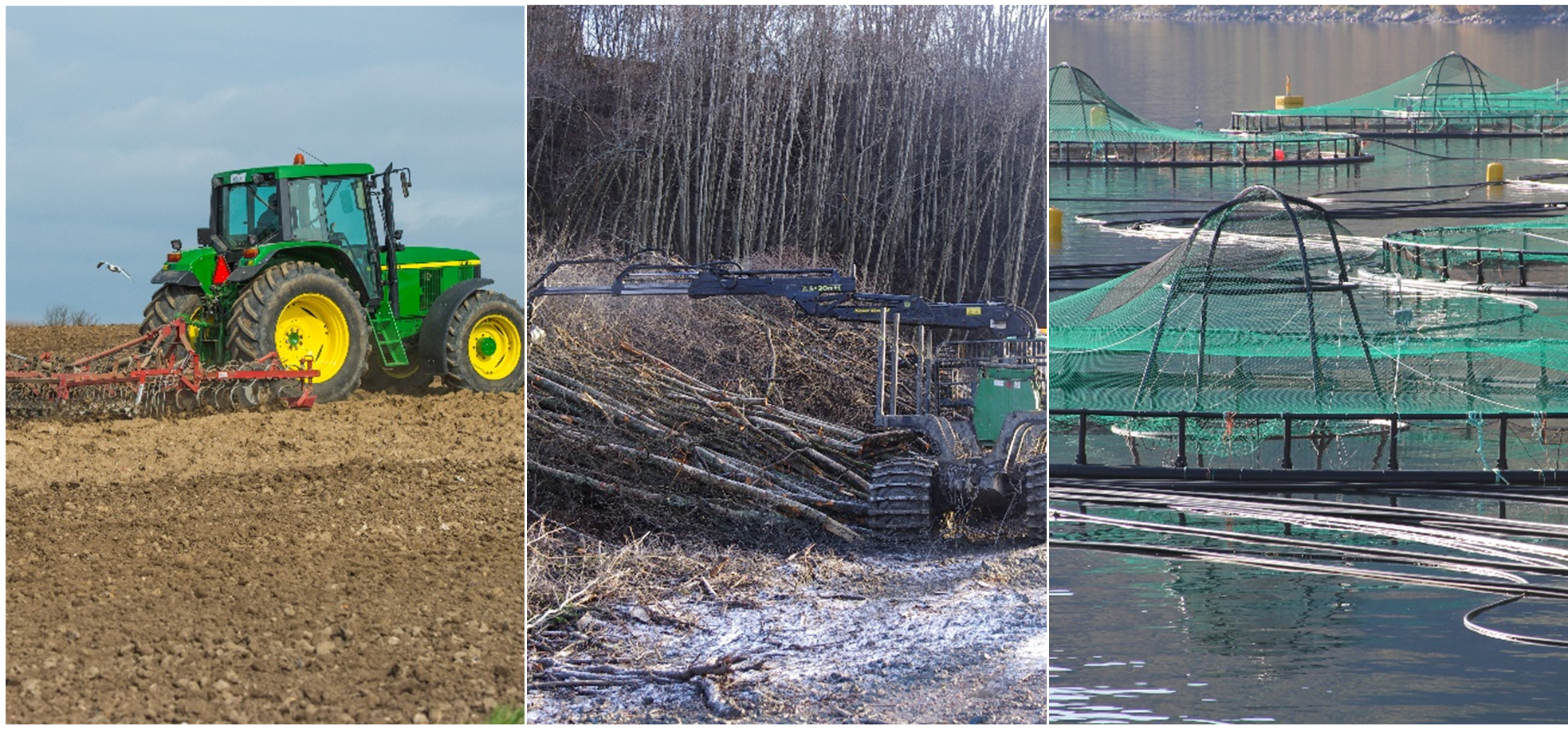
Funding source: Research and education, Baltic Research Programme, European Economic Area (EEA) Grant, Project no. EEZ/BPP/VIAA/2021/9 (https://eeagrants.org/, https://eeagrants.lv/) Implementation period: 01.10.2021.–30.04.2024. Coordinator: Baltic Studies Centre (LV) Partners: Institute of Agricultural Resources and Economics (LV), Vilnius University (LT), Estonian University of Life Sciences (EE), Institute for Rural and Regional Research (RURALIS) (NO) Aim: The project aims to develop an interdisciplinary perspective…
Read MoreSYNAGRI: Developing synergies between the bioeconomy and regional food systems for a sustainable future
But where does this leave agriculture? Concerns have been raised that the future bioeconomy will place farmers at the bottom of value chains as suppliers of low-value biomass for processing and conversion. Adding to these concerns, advances in the last 2 years have demonstrated that biotechnologies can transform simple biomass directly, and increasingly cheaply, into…
Read MoreSUSFEED – Sustainable feed production from Norwegian bio-resources for livestock and aquaculture

For this, we will apply a systems approach to mapping the domestic feed system and, using a systems model, conduct environmental, social and economic sustainability assessments. SUSFEEDs multi-disciplinary team involves researchers from the social sciences, biology, agronomy, nutrition and technology, working closely with 18 business partners, stakeholders and other interest groups involved in the feed…
Read MoreGreen Care Nordland County

Nordland Research Institute, Ruralis and the Norwegian Institute for Urban and Regional Research will conduct a study of these activities, including the municipalities’ knowledge of IPT, quality and cost assessments, purchasing competence within the municipalities, as well as process assessment.
Read MoreSustainable Food Systems for poverty and hunger alleviation in Low Income Countries
A food system encompasses all the processes and infrastructure involved in feeding a population and affects everything from food production and associated value chains, nutrition, health to socio-economic development, the environment and the climate. The system, on the other hand, is influenced by social, political, economic, environmental and climatic contexts. The project has two main…
Read MoreMAIs – Women farmers in the inner territories
It is consensually acknowledged that women’s participation in economic growth is strategically in line with EU2020’s goals, and that their role in rural areas and in agriculture is of fundamental importance. Nevertheless, these women are not properly represented, neither in official data nor in civil society, a fact which points to their actual vulnerability, namely…
Read MoreInclusion, social justice and equity in urban and rural coastal communities
First, it is documenting ways in which some community members (e.g., racialized migrants, people with disabilities, people from lower socioeconomic standings, women and youth) have been integrated into and excluded from fisheries (e.g., harvesting, processing, aquaculture, food and recreational fisheries, sport fishing) through past, present and imagined future infrastructures. Second, we examine how these processes…
Read MoreCIVIC Renewables: Development of collaborative approaches to civic renewable energy for sustainable rural development and land use
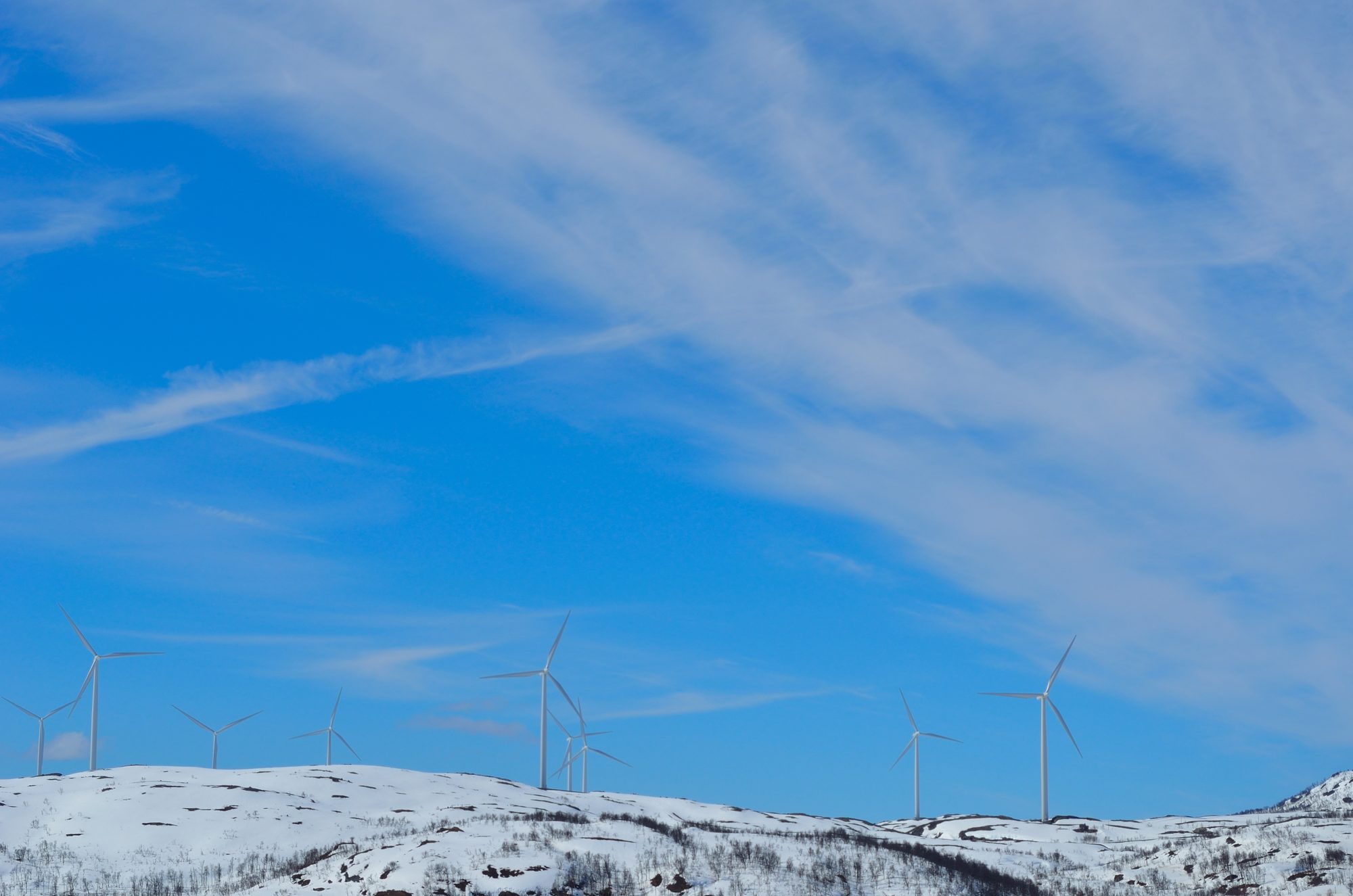
Fornybar energi er et av de sterkeste konfliktområdene i den norske klima- og miljødebatten i dag, og omfatter helt sentrale temaer som definisjonsmakt og fordeling av goder og ulemper. Ferske studier i vindkraftutbygging peker på manglende transparens i tildeling av konsesjoner, lisenser og prosesser. Lokalt eierskap og forankring kan øke oppslutningen om fornybar energiprosjekter, som…
Read MoreMIND STEP – Utvikling av beslutningsverktøy for er mer klimavennlig landbrukspolitikk
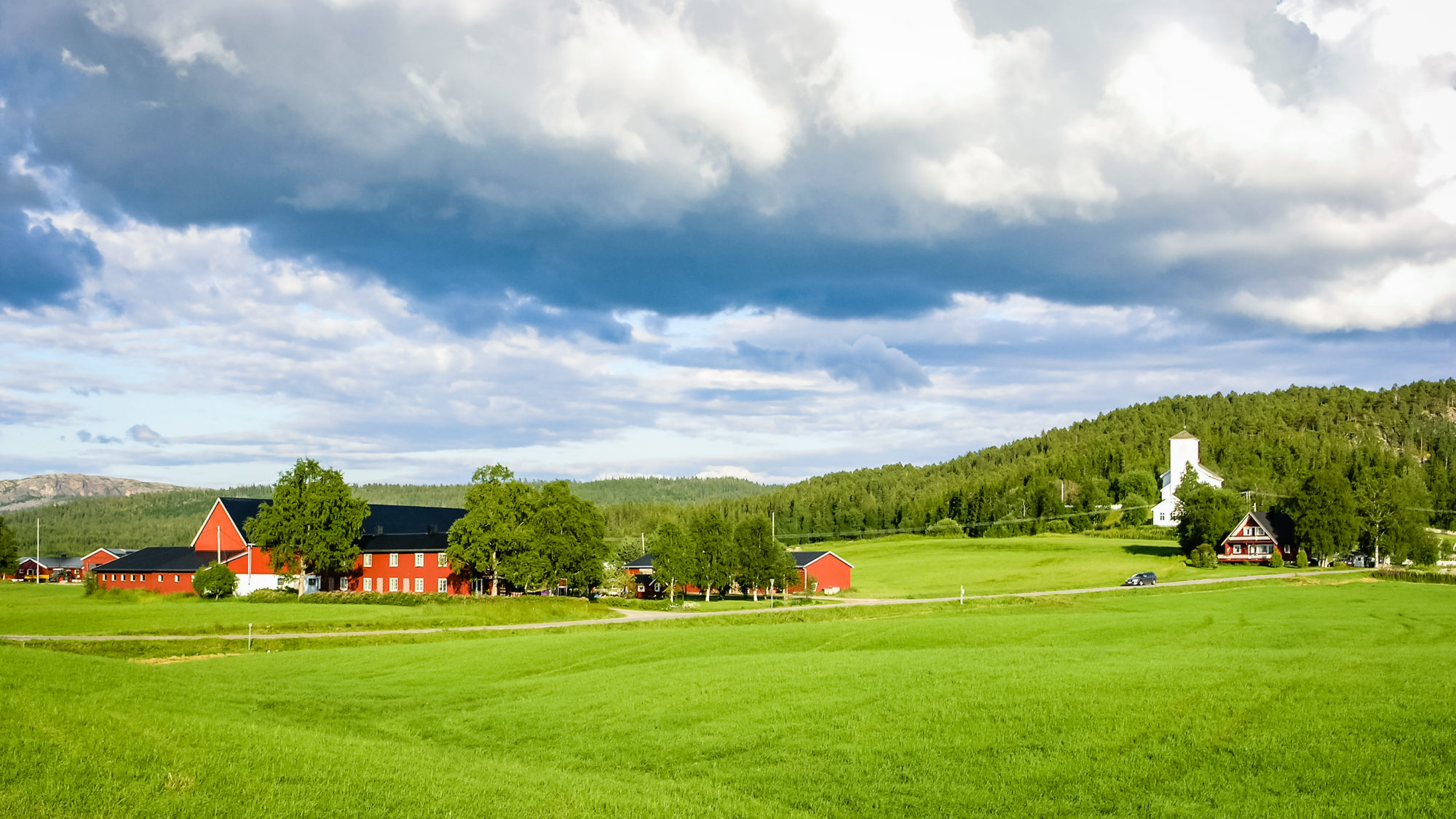
From the Commission’s legislative proposals (June 2018) it is expected that the European Union (EU) Common Agricultural Policy (CAP) will be redesigned in line with this. Consequences are among others a move of the CAP to farm specific measures and an improved link to environment, climate change and ecosystem services. It is proposed that Member…
Read MorePLATON – a PLATform for Open and Nationally accessible climate policy knowledge
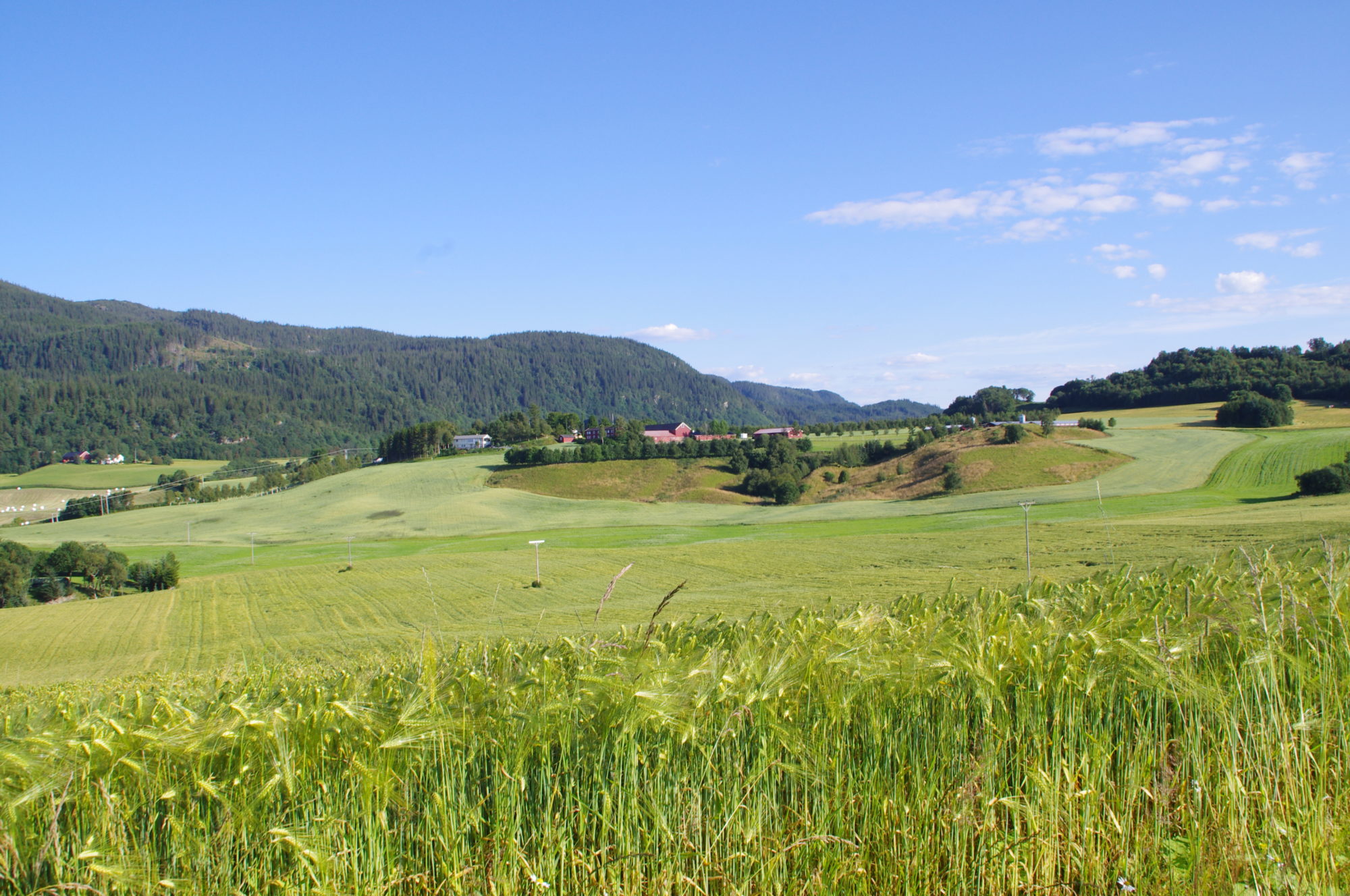
Knowledge-building in the platform includes new insight that will fill knowledge gaps in the international research frontier and domestic policymaking, reviews that assess and establish the status quo knowledge, applied analyses/assessments, accessible data and tools for public agencies, analysts and researchers within and outside the platform, and communication activities. In work package (WP) 1 we…
Read MoreNØFF – Norwegian-produced organic feed protein for pigs
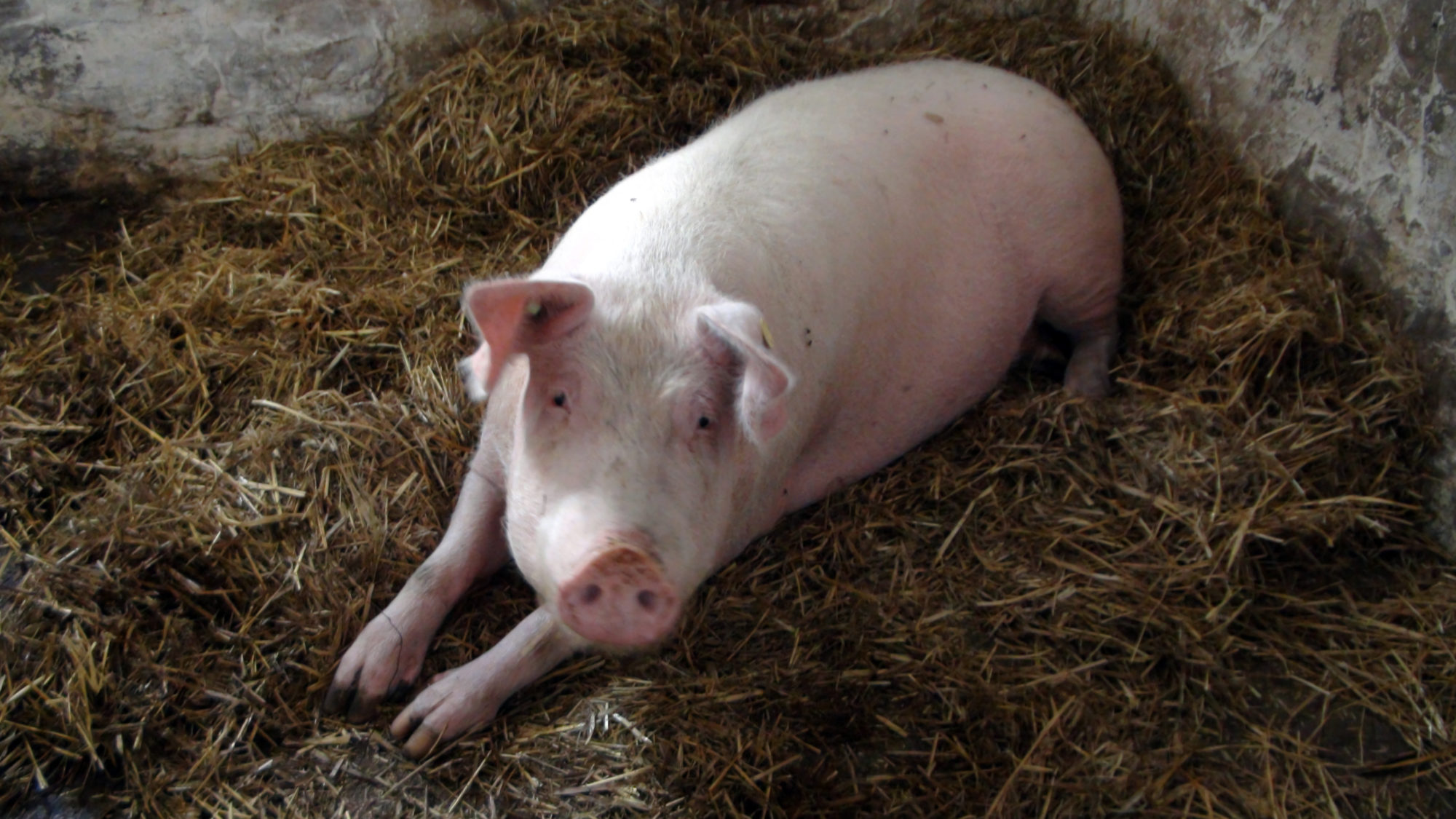
The measures in the project are to obtain and disseminate knowledge about 1) cultivation technique on autumn oil crops, 2) processing of leaf protein from clover grass mixtures, 3) calculation of feed rations with 30% or 100% Norwegian-produced raw materials, 4) profitability in production of protein feed and slaughter pigs, and 5) challenges and opportunities…
Read MoreSoCoRisk Implementation of soil compaction risk assessment system – end-user’s evaluation of potentials and barriers
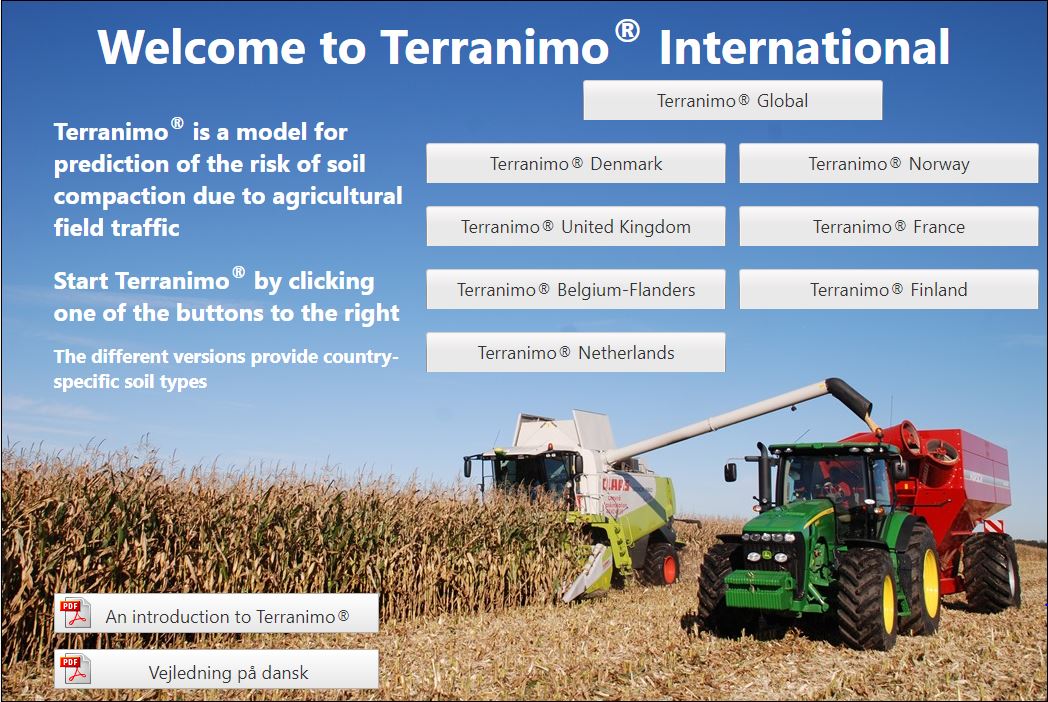
Ever increasing weights of farm machinery particularly result in compaction of the subsoil (the soil below tillage depth) – subsoil compaction is particularly serious because it is effectively persistent. Compaction adversely affects soil ecosystem services, in particular regulating services (e.g. flood control) and production services (e.g. agricultural production), resulting in significant ecological and economic damage…
Read MoreLIMBO: Evaluating emerging AMR threats and future capacity for action in Norwegian livestock agriculture
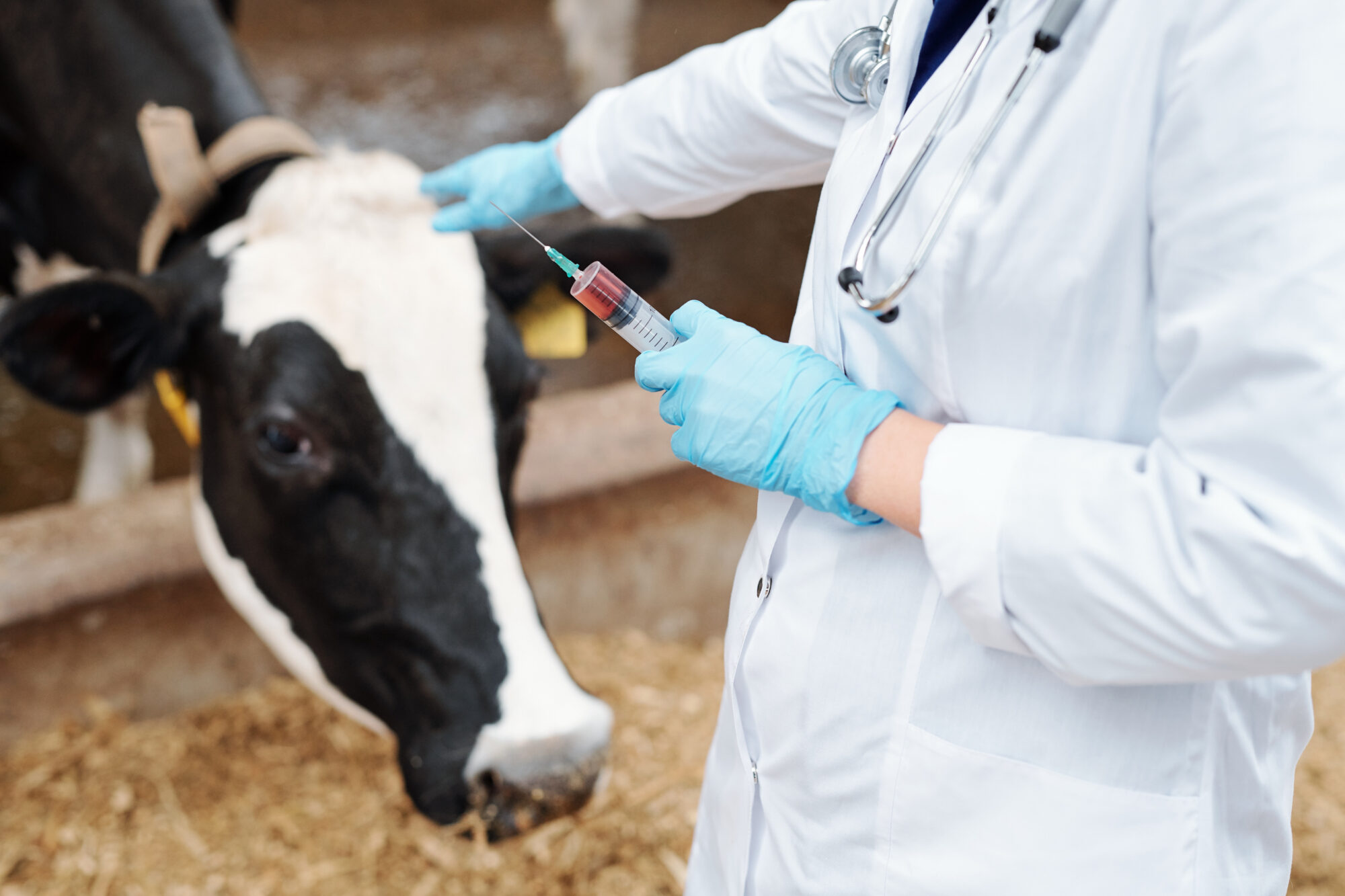
Antibiotic use fell 44% since 1995 but this has not been enough to prevent the establishment of AMR bacteria in livestock herds through other pathways. Clinically significant AMR bacteria were detected in swine and poultry in 2013 resulting in costly eradication measures to manage this threat. What might the next 30 years hold? Food-borne pathogens…
Read MoreMEATigation: Towards sustainable meat-use in Norwegian food practices for climate mitigation

A reduction in Western meat consumption is critical for global food security, respecting planetary boundaries and improving global health. However, even when positive to climate action, Europeans are reluctant to reduce their meat consumption, especially in the Nordic regions. This is because meat is not just calories: It is culture. Meat is deeply embedded in…
Read More