Sosioøkonomisk myndiggjøring av kystsamfunn, brukerne av havet, for å sikre bærekraftig kystutvikling (EmpowerUs)

EmpowerUs vil bidra til å styrke kystsamfunns arbeid med bærekraft og inkludering.
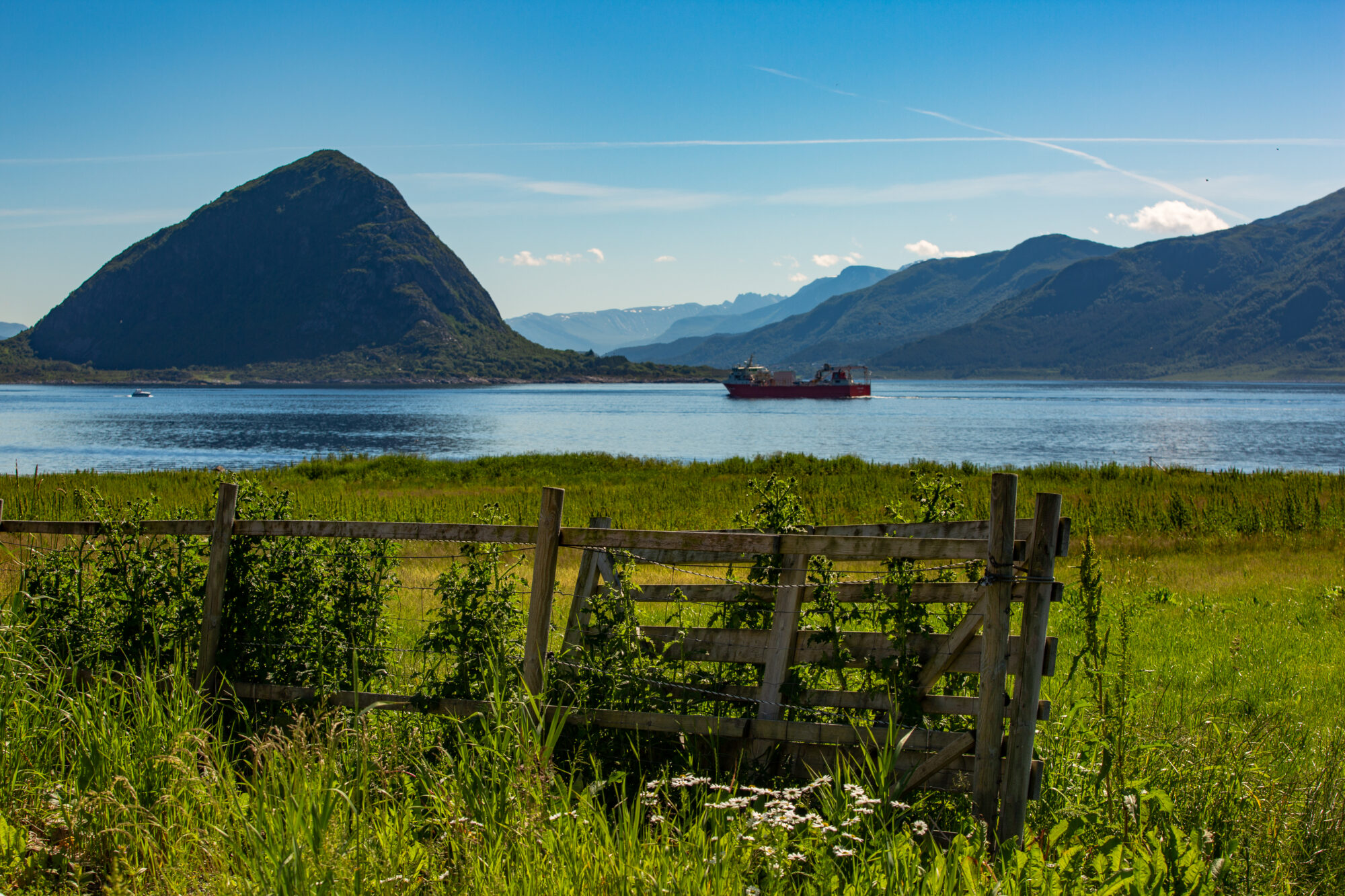
Foto: RoR
Foto: RoR

Det EU-finansierte prosjektet vil bidra til å utvikle mekanismer som kan styrke kystsamfunns muligheter for en mer bærekraftig, inkluderende og motstandsdyktig omstilling.

Utfordringene er sammensatte, og oftest uten enkeltløsninger. Det vil derfor utvikles tiltak og programmer tilpasset situasjonen til hvert enkelt kystsamfunn i prosjektet; Træna i Norge, Connemara i Irland, Cap de Creus i Spania, Østlige Limassol i Kypros, ved Atanasovskosjøen i Bulgaria og Åland i Finland.

Prosjektet er unikt i den samskapende tilnærmingen, hvor kystsamfunnene er aktivt med på å skape de tilpassede løsningene, mens EmpowerUs teamet bidrar med fasilitering og støtte, både økonomisk og faglig, med nøkkelekspertise innen sosioøkonomiske, tekniske, økologiske og vitenskapspolitiske spørsmål som er nødvendig for å forbedre forståelsen av utfordringer, barrierer og muligheter.

Oppdateringer i prosjektet er tilgjengelig på prosjektets egen nettside, Empowerus-project.eu, hvor også resultater vil bli lagt til etter hvert som de blir tilgjengelig gjennom leveranser, publikasjoner og rapporter. Den digitale plattformen EmpowerCoast vil videre utvikles for å sikre at EmpowerUs-mekanismen er tilgjengelig for at alle kystsamfunn kan bli mer inkluderende, bærekraftige og motstandsdyktige.

Som koordinator for likestilling og mangfold har Ruralis en nøkkelrolle i prosjektet. Madeleine Gustavsson ved Ruralis leder strategien for kjønn, likestilling og mangfold, og sitter i EmpowerUs’ styringskomité.

Ruralis har videre ansvar for å vurdere hvordan omstillingsmekanismer muliggjør rettferdige og inkluderende løsninger. Vi skal blant annet utvikle en håndbok for inkluderende metodologier, og hensikten er at dette skal styrke mulighetene for et mangfold av aktører.
EU Funded by the European Union under the Horizon Europe Program, Grant No. 101059957 (EmpowerUs). Views and opinions expressed are however those of the author(s) only and do not necessarily reflect those of the European Union or Research Executive Agency (REA). Neither the European Union nor the granting authority can be held responsible for them.

Prosjektdetaljer

Prosjektperiode

01/10/2022 - 30/09/2025

Eksternt Prosjektnr.

Prosjektnr.

6653

Samarbeidspartnere

Nordlandforskning (NO)

ERINN Innovation (IE)

The Queen’s University of Belfast (UK)

Aalborg University (DK)

Helmholtz Centre for Environmental Research – UFZ (DE)

Ruralis – Institute for Rural and Regional Research (NO)

Institute for Technology Sligo – ITS (IE)

The Autonomous University of Barcelona (ES)

Ludwig Maximilian University of Munich (DE)

CMMI – Cyprus Marine and Maritime Institute (CY)

Luke Natural Resources Institute Finland (FI)

Kunnskapsparken Helgeland AS (NO)

UDARAS NA GAELTACHTA (IE)

Bulgarian Biodiversity Foundation (BG)

Development Agency of Lemesos (CY)

Allmana Forvaltningen (FI)

Finansiering

Horizon Europe Research and Innovation Action HORIZON-CL6-2021-COMMUNITIES-01-04

Nyheter
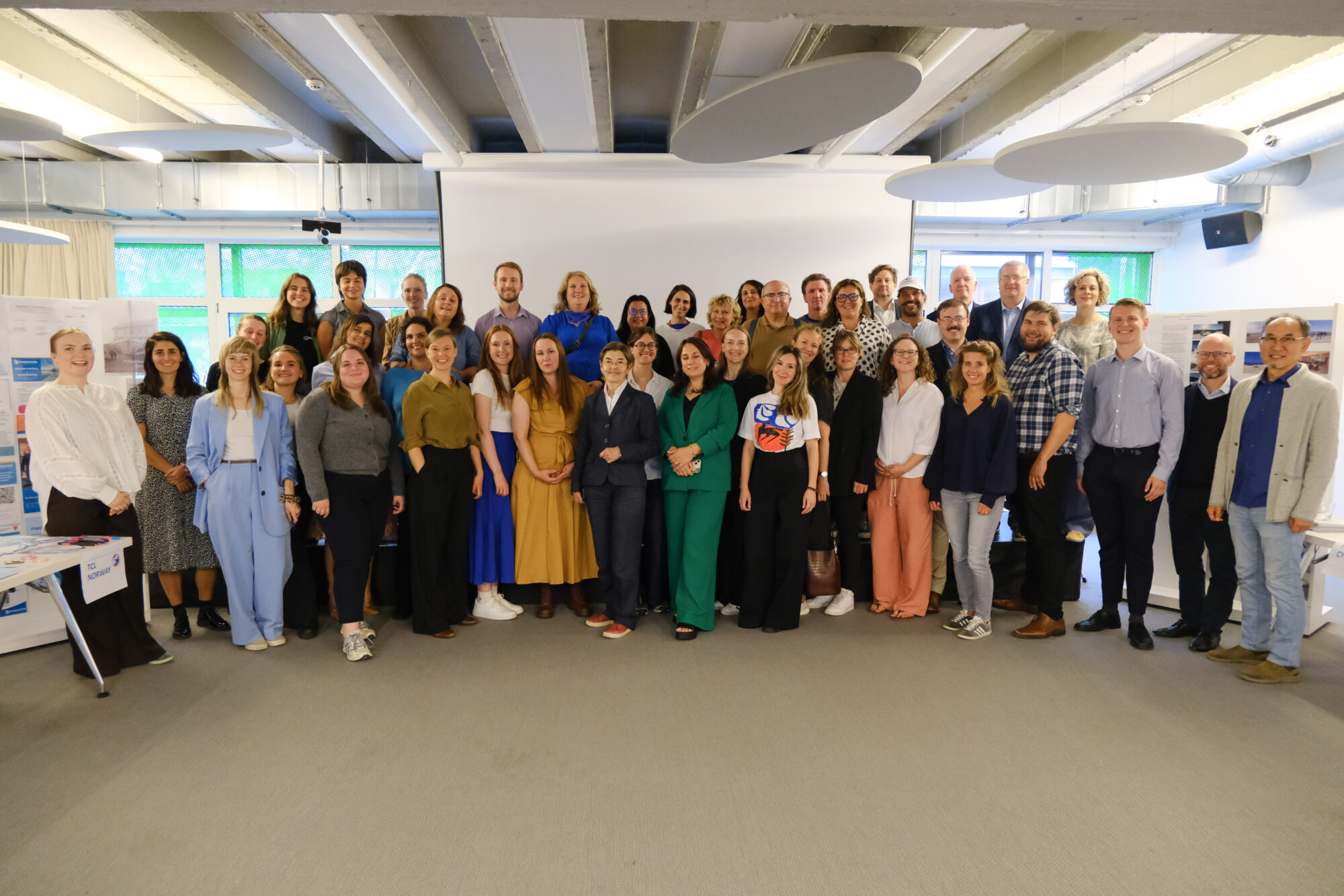
Gruppebilde

Ruralis sitt bidrag i det nylig avsluttede EmpowerUs-prosjektet om kystsamfunn

Prosjektet har støttet seks “Transition Coastal Labs” i Burgas (Bulgaria), Åland (Finland), Limassol (Kypros), Connemara og Aranøyene (Irland),…
Les mer
EmpowerUS poster

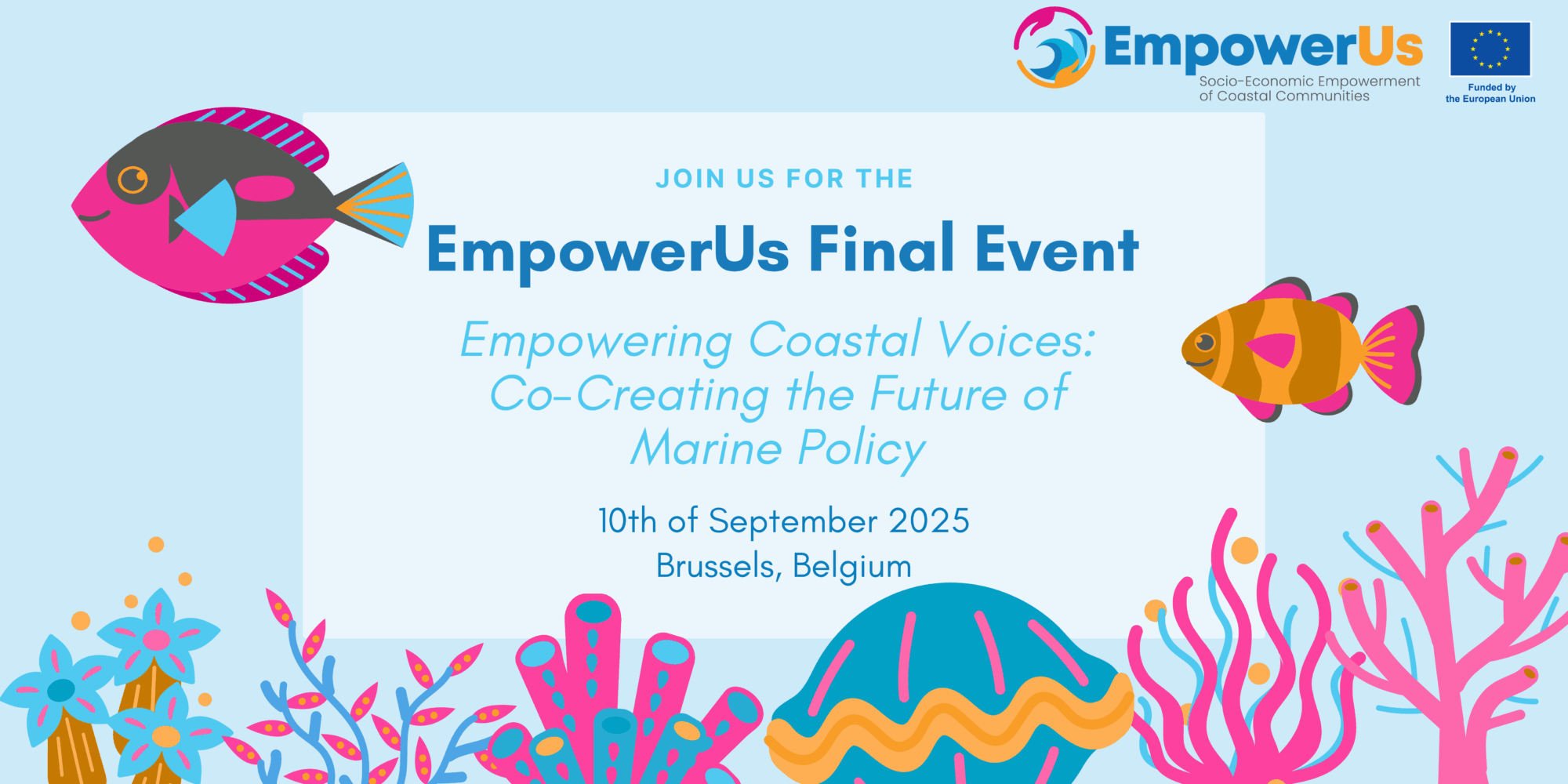
Er du engasjert i bærekraftig og inkluderende kystutvikling?

Bli med på avslutningsarrangementet for Horizon Europe-prosjektet EmpowerUs – en gratis heldagskonferanse som løfter fram kystsamfunnenes stemmer og styrker forbindelsen…
Les mer
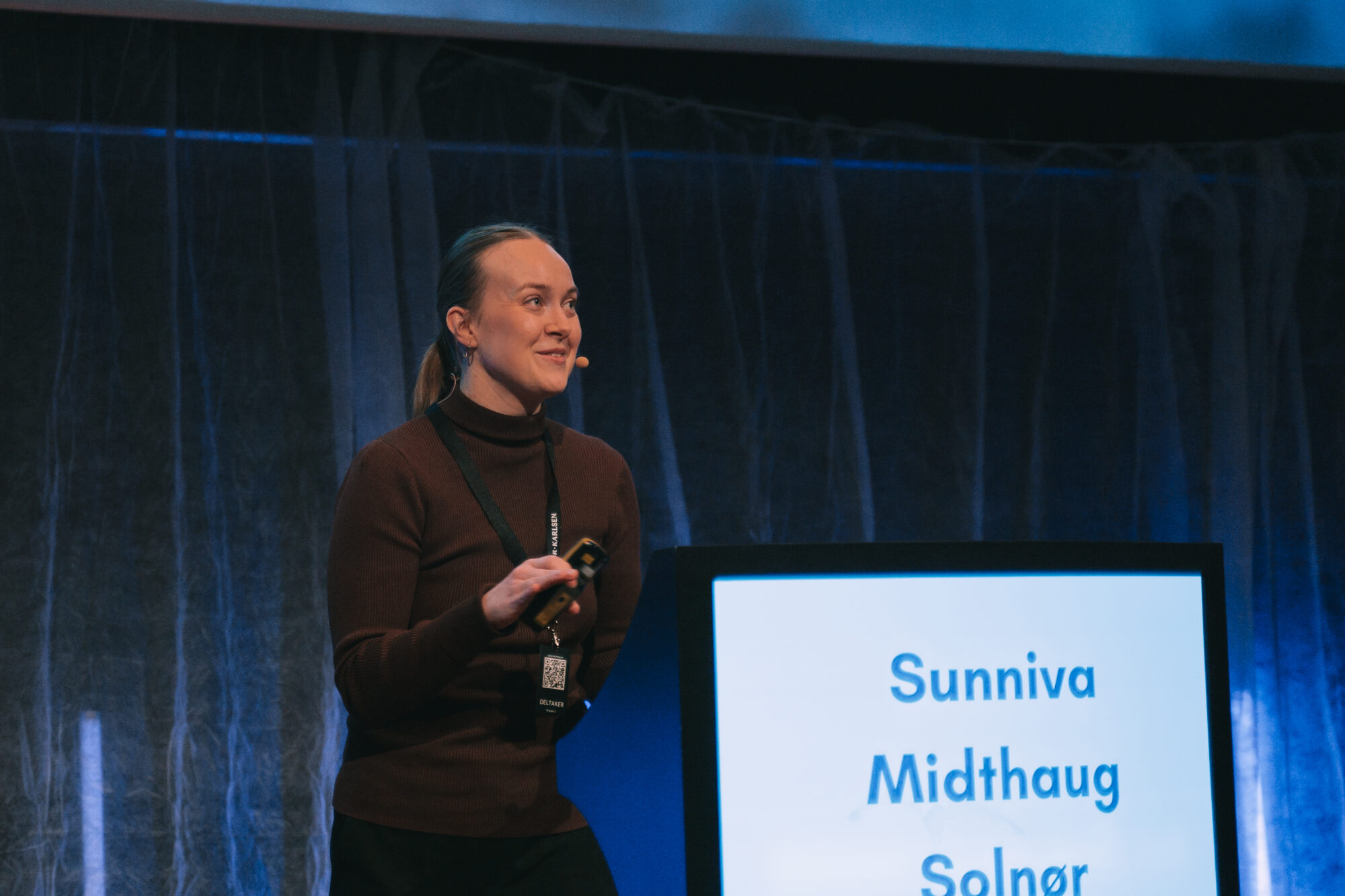
Sunniva Midthaug Solnør Foto: Håp i havet

Foredrag: Vi må styrke barn og unges kontakt med kystressursene og næringslivet

Midthaug Solnør presenterte funn fra vår forskning, spesielt fra EU-prosjektet EmpowerUs  om tendenser og muligheter for bosetting og…
Les mer
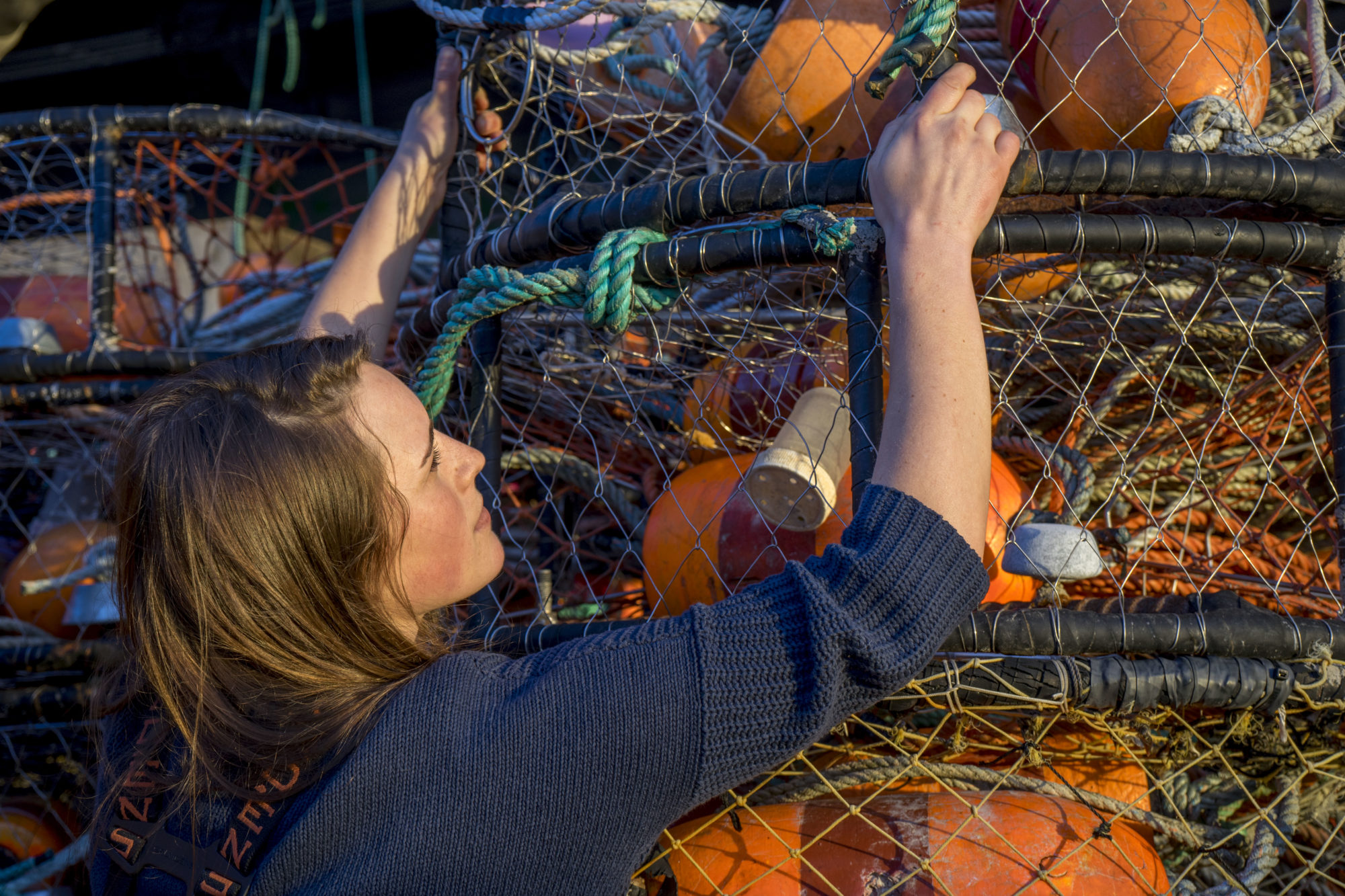
Kvinnelig fisker sjekker krabbeteiner

Ruralis forsker på kjønn og likestilling i millionprosjekt

EmpowerUs har en ramme på 60 millioner kroner over tre år, og det skal foregå i kystsamfunn i…

Les mer

Publikasjoner

  • Artikkel

2026

A-3/26 Rise of the rhizome: Conceptualizing how coastal communities enact change via transition mechanisms

Bidragsytere: Kristen Ounanian Salina Spiering Rikke Becker Jacobsen Janni Sørensen Josefin Ekstedt Maiken Bjørkan Wesley Flannery Alex Miller

Beskrivelse

Forfattere: Kristen Ounanian, Salina Spiering,Rikke Becker Jacobsen, Janni Sørensen, Josefin Ekstedt, Madeleine Gustavsson, Maiken Bjørkan, Wesley Flannery og Alex Miller

Coastal communities are experiencing profound social, economic, and environmental change that challenges their capacities to adapt and determine their own futures. In this paper, we conceptualize how such communities navigate change by reconciling their specific transitions within, yet distinct from, the wider sustainability transitions scholarship. The ever-expanding literature addressing transition emphasizes the what and why of change, yet often overlooks how change is enacted, experienced and negotiated—particularly in place-based contexts such as coastal communities. We address this gap by conceptualizing and operationalizing ‘transition mechanisms,’ understood as processes, institutional structures, and/or social networks of diverse local actors that are created and adopted to cope with change, alter its course, or foster an intentional, ‘positive’ outcome during times of flux and uncertainty. Building on select theories, we identify three categories of transition mechanisms: substituting, recrafting, and disrupting, and define and operationalize them. Through our operationalization we encounter and grapple with inherent ambiguity and address dilemmas regarding: (1) presumed intentionality in the term, transformation, (2) subjectivity within categorization and (3) how differentiated power affects these practices and their selection. Finally, we draw on Deleuze and Guattari’s concept of the rhizome to capture the non-linear, interconnected, and multi-layered nature of change processes in coastal communities. This metaphor helps conceptualize transition mechanisms as overlapping networks of signs and meanings, power, and contexts rather than sequential pathways. Thus, the paper speaks to the critique of sustainability transitions as apolitical and asocial by conceptualizing transition beyond technologically driven change and reorienting it toward the lived, relational, and power-sensitive dynamics shaping coastal futures.

Environmental Innovation and Societal Transitions, Volume 60, https://doi.org/10.1016/j.eist.2026.101138

  • Artikkel

2025

A-11/25 Centering coastal communities’ diverse economic practices in the blue economy

Bidragsytere: Anna S Antonova Wesley Flannery Sílvia Gomez Maria Hadjimichael Brendan Murtagh Kristen Ounanian Vida Maria Daae Steiro Kristina Svels

Beskrivelse

Forfattere: Anna S Antonova , Wesley Flannery, Sílvia Gomez, Madeleine Gustavsson, Maria Hadjimichael, Brendan Murtagh, Kristen Ounanian, Sunniva Solnør, Vida Maria Daae Steiro, Kristina Svels

Despite their stated commitment to sustainable economic development, blue economy and blue growth agendas have been criticized for replicating the same unlimited growth paradigm they purport to replace, disempowering local communities. By contrast, diverse economies literature advocates looking to communities’ practices to identify alternative, socially and environmentally grounded, economic possibilities. In line with that scholarship, this article calls for a re-envisioning of the blue economy through the eyes of coastal communities and their socio-ecological relations.

Geoforum, Volume 166, November 2025, 104410, https://doi.org/10.1016/j.geoforum.2025.104410

  • Artikkel

2025

A-9/25 Stepping stones as metaphor for building partnerships and co-producing knowledge in coastal transitions

Bidragsytere: Janni Sørensen Kristen Ounanian Rikke Becker Jacobsen Josefin Ekstedt Sílvia Gómez Maria Hadjimichael Wesley Flannery Kristina Svels Anna Antonova Vida Maria Daae Steiro

Beskrivelse

Forfattere: Janni Sørensen, Kristen Ounanian, Rikke Becker Jacobsen, Josefin Ekstedt, Sunniva Midthaug Solnør, Katrina Rønningen, Sílvia Gómez, Maria Hadjimichael, Wesley Flannery, Kristina Svels, Anna Antonova, Vida Maria Daae Steiro and Madeleine Gustavsson

This paper centers local processes for co-creating transitions toward more sustainable, inclusive, and resilient coastal community development.

Local Development & Society, https://doi.org/10.1080/26883597.2025.2528014

Kontakt oss

Ønsker du å komme i kontakt med oss?
Fyll ut skjemaet under så vil vi svare deg så fort som mulig.