

Yrkesmønstre i fiske

Hvilke yrkesmønstre som finnes i fiske og hvordan fiskeres yrkeskarrierer forløper er spørsmålene som søkes besvart i dette prosjektet. På bakgrunn av livsløpsintervjuer med 20 fiskere, samt noe statistisk materiale fra Garantikassen for fiskere, beskrives noen fiskerkarrierer i forskjellige fiskerier i Norge. Oppdraget er utført i forbindelse med Fiskerpensjons-utvalgets arbeid.
Prosjektdetaljer

Prosjektperiode
01/01/2001 - 31/12/2002
Eksternt Prosjektnr.
Prosjektnr.
6136.00
Finansiering
Sosial- og helsedepartementet
Nyheter
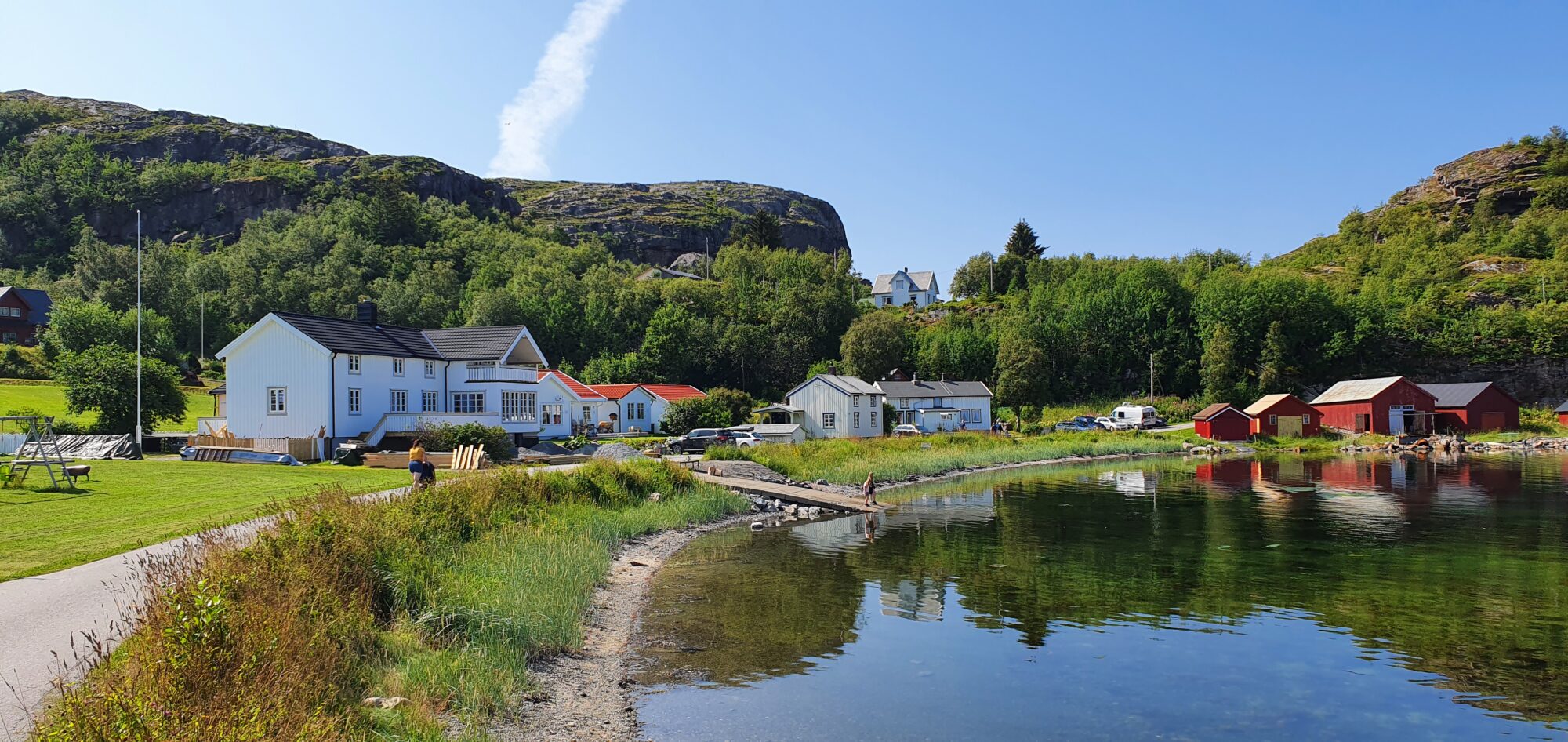
Hva skal til for at flere realiserer drømmen om et liv på bygda?
Hva skal til for at flere realiserer drømmen om et liv på bygda? Over 250.000 nordmenn som i…
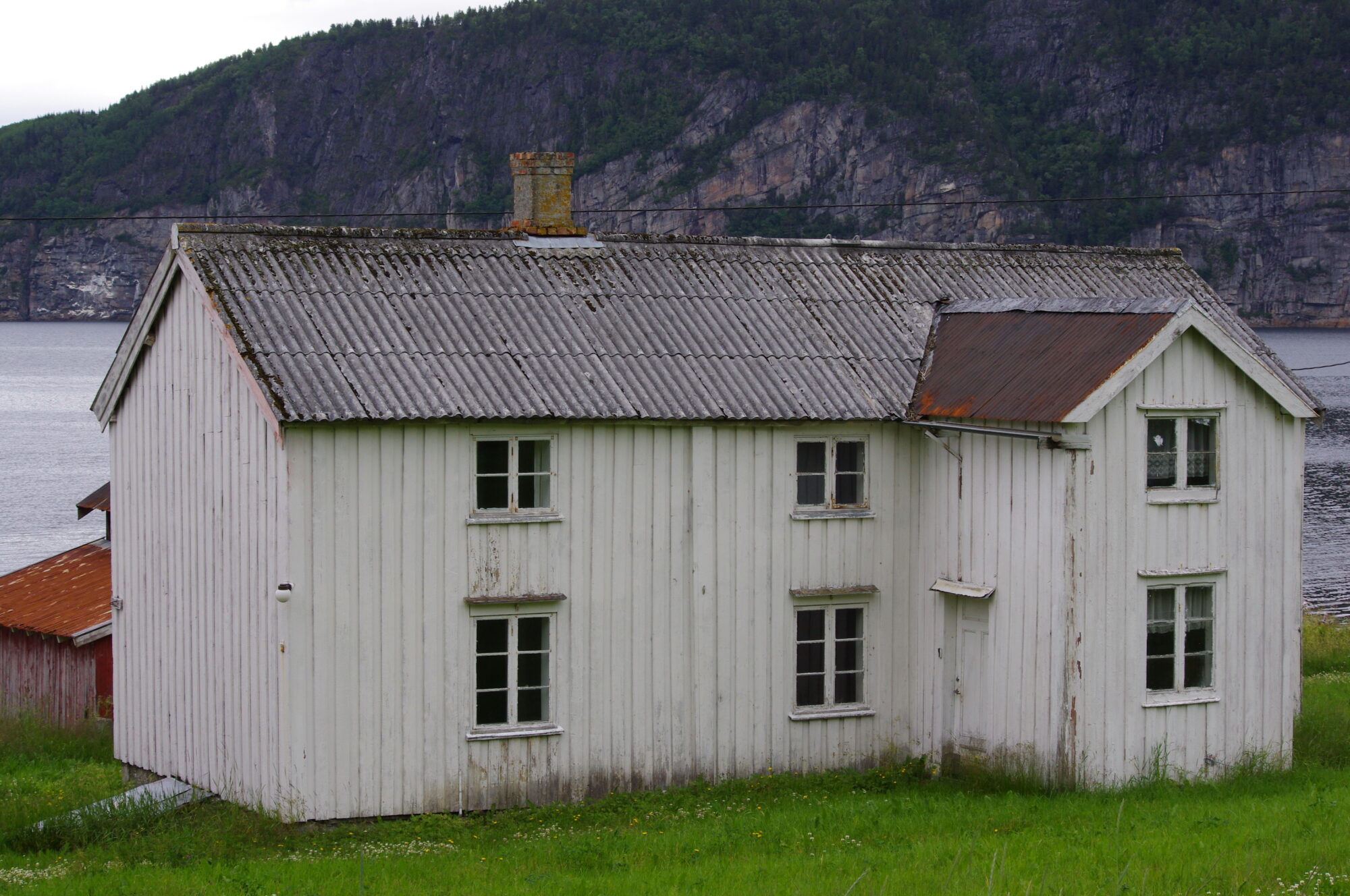
Hvordan kan gamle hus blir hjem for nye folk?
«Det sku bo folk i husan. Folk treng hus og hus treng folk», skrev dikteren Ole H. Bremnes…
Publikasjoner
- Artikkel
2025
- Rapport
2025
Kontakt oss
Ønsker du å komme i kontakt med oss?
Fyll ut skjemaet under så vil vi svare deg så fort som mulig.