Climate change effects on Western Norway Agriculture – Vestlandslandbruket og den doble klimapåvirkningen

News

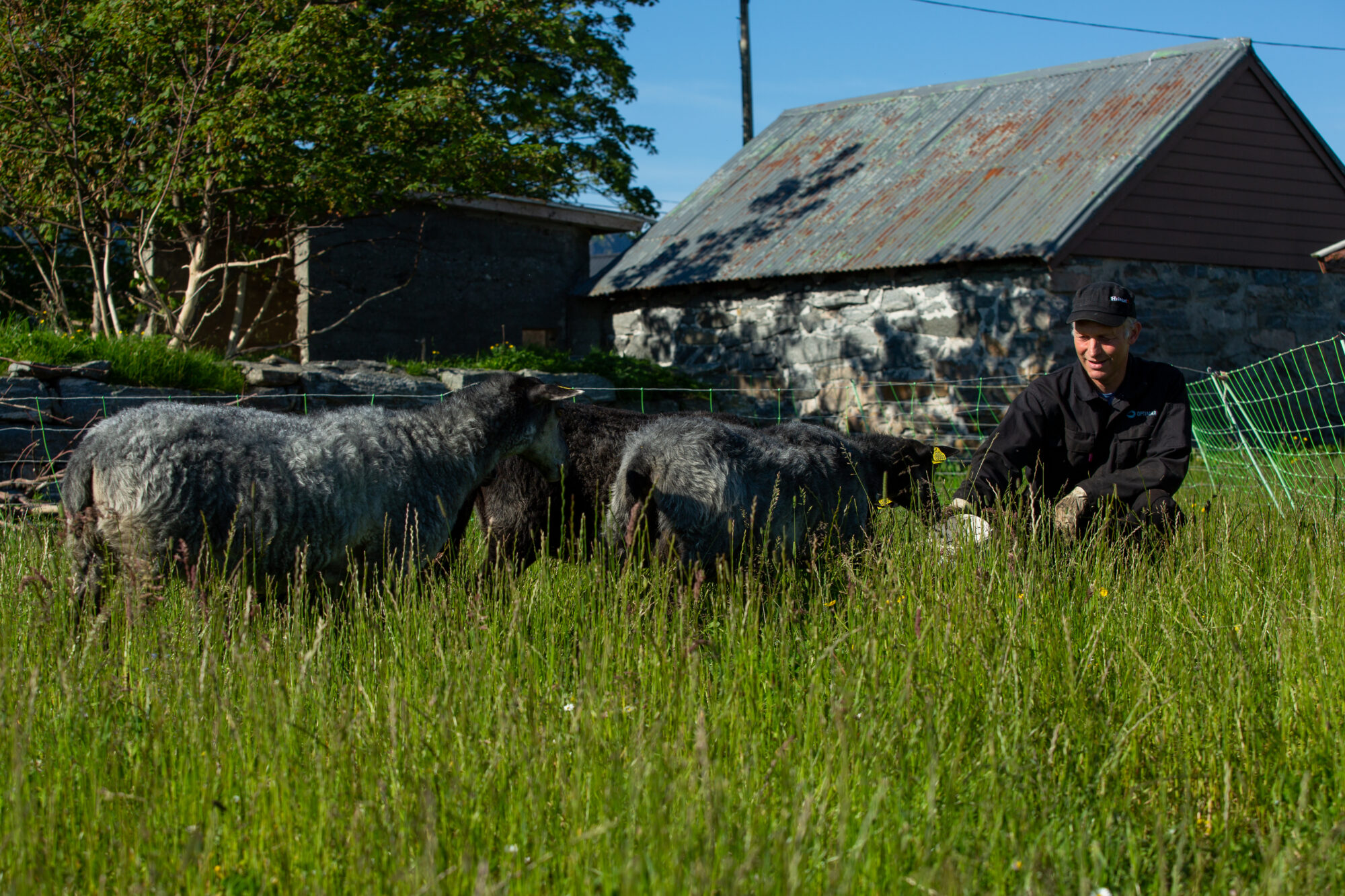
Bonde med sauene sine

Citizens’ recommendations on how to improve animal welfare

The debate on animal welfare in Norway appears polarized and at times very loud. Nevertheless, most of us…

Read more

Publications

  • Article

2026

A-1/26 Justifications for farm practices and animal welfare among Norwegian livestock farmers

Contributors: Kristian Ellingsen-Dalskau

Description

Writers: Brit Logstein and Kristian Ellingsen-Dalskau

In the context of sustainable food systems, increased attention has been directed towards livestock farming, with animal welfare identified as a key concern. The justifications used by farmers for their livestock practices have been examined in Norway, where animal welfare regulations often exceed EU standards and public trust in agriculture remains high. The aim of this study was to deepen the insight into how Norwegian pig and dairy farmers legitimise their rearing practices in livestock agriculture. Data were collected through four qualitative focus group interviews conducted in 2022 and 2024, and the analysis was guided by the theoretical concepts of symbolic and social boundaries. We found that animal welfare was primarily framed within the logic of food production and economic viability and that farmers positioned themselves as producers of a common good, such as food security and rural sustainability. Strong support was expressed for animal welfare regulations, particularly when they aligned with the farmers’ professional identity. Boundaries were drawn between those considered knowledgeable—such as veterinarians and fellow farmers—and those perceived as lacking practical experience—including urban consumers and activists. Although societal concerns were acknowledged, external criticism was often dismissed as uninformed. We conclude that farmers’ justifications were shaped by their social identity and their institutional context and that while concern for animals as sentient beings was expressed, practices were largely legitimized using the animals’ role in food production.

Journal of Rural Studies, Volume 123, https://doi.org/10.1016/j.jrurstud.2026.104047

  • Article

2025

A-18/25 Narratives in the Farm Animal Welfare Policy Process

Contributors: Jostein Vik

Description

Writers: Jostein Vik og Renate Marie Butli Hårstad

Traditional boundaries between policy areas are being challenged as farm animal welfare raises controversies. In this article we use data from the consultation process for a new white paper from the Norwegian government, and the theoretical lenses of Narrative Policy Framework (NPF), to describe and analyse the discursive landscape of farm animal welfare in Norway. The article demonstrates how actor coalitions at the intersection of a traditionally exceptionalist agricultural policy and an emerging animal welfare policy narrate the animal welfare discourse differently. These narrative differences also reflect various positions on the issue of change or status quo in the field of farm animal welfare. We identify three narratives: one exceptionalist status‐quo narrative presented by mainstream agricultural sector actors, especially the meat industry; one shallow post‐exceptionalist reformative narrative, presented by a variety of stakeholders, including agricultural cooperatives as well as research and education institutions; and one radical post‐exceptionalist transformative narrative, presented by mainly animal rights organisations. From mainstream actors in the first two narratives, objectives like maintaining food production levels and economic sustainability are seen as more fundamental and sometimes in conflict with introducing new animal welfare measures.

Scandinavian Political Studies 49(1), DOI:10.1111/1467-9477.70029


  • Article

2023

A-9/23 The politics of animal welfare: A scoping review of farm animal welfare governance

Contributors:
  • Article

2023

A-8/23 Good Animal Welfare in Norwegian Farmers’ context. Can both industrial and natural conventions be achieved in the social license to farm?

Contributors: Hilde Bjørkhaug

Contact us

Would you like to get in touch with us?
Fill in the form below and we will answer you as soon as possible.