Landbrukets rolle som kulturbærer – norsk kunnskapsstatus. Forprosjekt
Målsettingen med forprosjektet  er å syntetisere og videreutvikle kunnskap fra eksisterende og pågående forskningsbasert arbeid for å tydeliggjøre forholdet mellom et aktivt landbruk og landbrukets rolle som kulturbærer. Dette syntesearbeidet skal kunne fungere som en kunnskapsbasis over hva som er kjent/etablert kunnskap og skal kunne få direkte anvendelse for forvaltning og forskning. Samtidig skal arbeidet representere et grunnlag for etablering av et større forskningsprosjekt som omhandler de sentrale kunnskapsbehov som fokuseres. Prosjektet gjennomføres i samarbeid med Norsk institutt for kulturminneforskning (NIKU).

Prosjektdetaljer

Prosjektperiode

01/01/2002 - 31/12/2002

Eksternt Prosjektnr.

Prosjektnr.

6148.00

Finansiering

Landbruksdepartementet

Nyheter
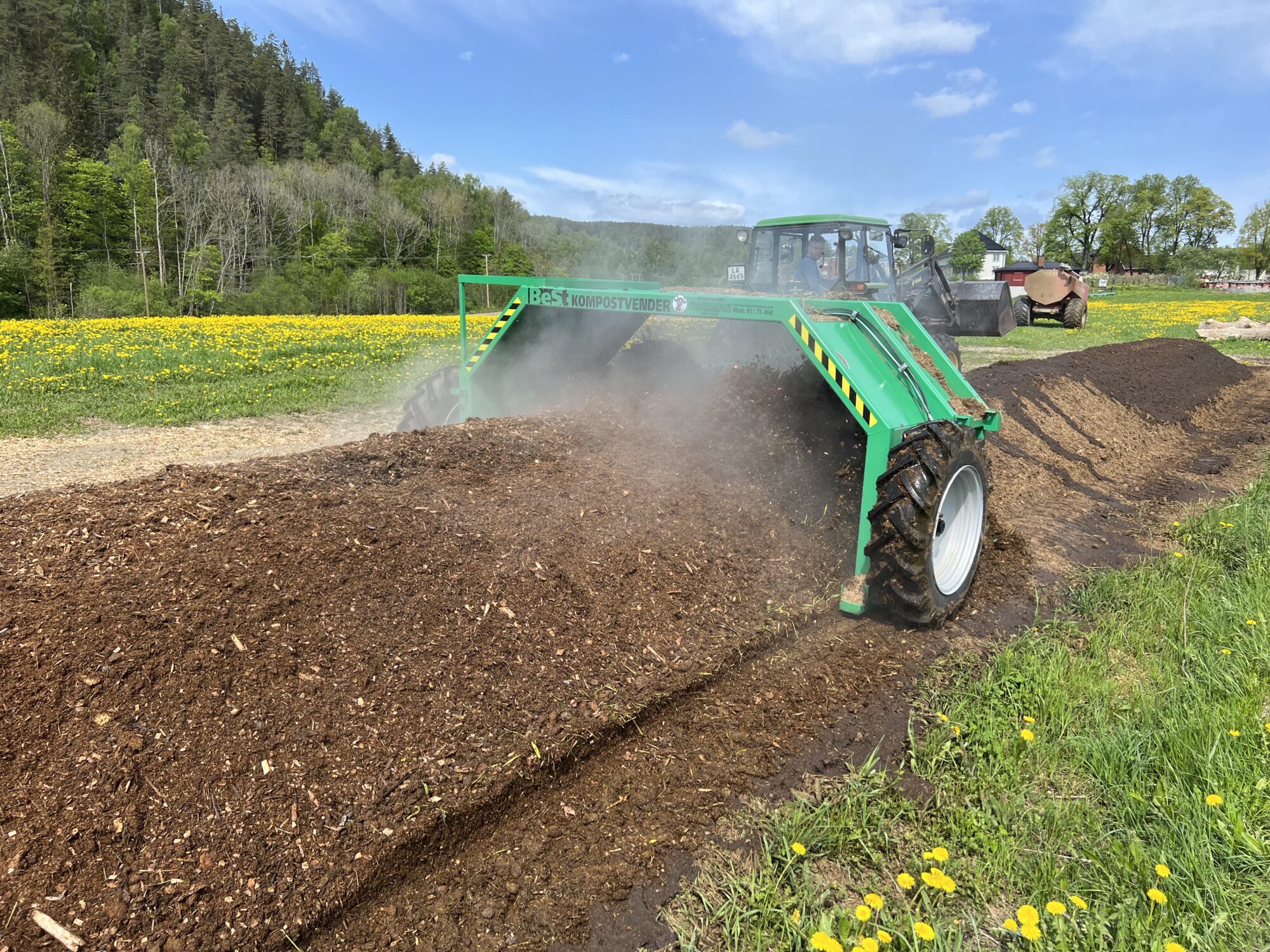
Kompostvending Buskerud Gård

“Carbon farming with a focus on soil carbon sequestration, the role of law”- Gjesteforelesning med Professor Dr. Jonathan Verschuuren

Møtelenke Microsoft Teams: Klikk her for å bli med i møtet Abstract I will introduce the current legal…

Les mer
Kompostvending Buskerud Gård

Nytt prosjekt: Ny jordbearbeiding binder mer karbon og gir bedre jordhelse

Skrevet av Bjørg Bruset, kommunikasjonssjef NINA for Ruralis. Verden står overfor store utfordringer knyttet til klima, natur og…

Les mer
Pløying av åker

I dag 5.12 feirer vi den internasjonale jorddagen

Karbonmat er et nytt forskningsprosjekt som Ruralis leder, og som er finansiert av Forskningsrådet. Prosjektet starter opp nå…

Les mer

Publikasjoner

  • Artikkel

2026

A-10/26 Towards Enhanced On-Farm Soil Carbon Sequestration: A First Assessment of the Potential Role of the Emerging EU Legal Framework

Bidragsytere: Jonathan Verschuuren Natalia Mæhle

Beskrivelse

Forfattere: Jonathan Verschuuren, Natalia Mæhle, Pia Piroschka Otte

Farmers across Europe have embarked on on-farm soil carbon sequestration projects, with the aim to achieve healthy and resilient soils and simultaneously seek new business opportunities, for example, through selling carbon offsets to major greenhouse gas emitters. A regulatory framework for such carbon farming activities is slowly emerging in the European Union, most prominently with the adoption of Regulation 2024/3012 establishing an EU certification framework for permanent carbon removals, carbon farming, and carbon storage in products. However, other new EU laws may incentivize farmers to increase carbon levels in their soils as well, namely, Regulation 2024/1991 on nature restoration and Directive 2025/2360 on Soil Monitoring and Resilience. In this article we assess the extent to which the three new EU laws facilitate on-farm soil carbon sequestration projects through an analysis of the new rules and interviews with representatives of European on-farm carbon credit initiatives in five European countries.

Climate Law, https://doi.org/10.1163/18786561-bja10102

  • Artikkel

2026

A-4/26 Crowdfunding of climate measures in agriculture: investigation of success factors in a real-life setting

Bidragsytere: Natalia Maehle

Beskrivelse

Forfattere: Pia Piroschka Otte, Natalia Maehle og Rita Moseng Sivertsvik

Purpose Promising climate mitigation practices are costly for farmers within the current regulatory, market and business frameworks. There is a need for innovative solutions that ensure that farmers are paid and supported for their efforts to reduce GHG emissions. Crowdfunding represents a novel approach with high potential. This article tests previously identified success factors for crowdfunding in a study of two sustainable crowdfunding campaigns in Norwegian agriculture in a real-life setting. Design/methodology/approach We designed real-life crowdfunding campaigns with two Norwegian farmers and carried out semi-structured interviews with them and their backers to discuss their experiences with crowdfunding. We also analysed both campaign descriptions. Findings One of the crowdfunding campaigns was unsuccessful with no backers, while the other one collected 88 per cent of the targeted amount with 82 backers. The farmer of the successful campaign communicated actively with backers and showed a strong emotional appeal in the campaign description. Originality/value This study contributes to testing previously identified success factors for sustainable crowdfunding and crowdfunding of climate measures in agriculture in real-life settings. Furthermore, the study contributes to the under-investigated topic of crowdfunding climate measures in agriculture, which is a potential innovative approach for reducing GHG emissions and increasing uptake of climate mitigation measures.

Baltic Journal of Management, https://doi.org/10.1108/BJM-05-2025-0400

  • Artikkel

2024

A-15/24 Crowdfunding of Climate Mitigation Measures in Agriculture: Developing a Sustainable Business Model Concept

Bidragsytere: Natalia Mæhle
Om resultatet

The purpose of this article is to develop a sustainable business model (SBM) concept for local crowdfunding of climate measures in agriculture. Many climate measures entail significant capital costs preventing farmers from their adoption, and existing finance schemes have experienced limited success. Crowdfunding can be a novel financing tool for farmers to implement climate measures in agriculture.

Journal of Business Models, Vol. 12 No. 2, https://doi.org/10.54337/jbm.v12i2.8843


Kontakt oss

Ønsker du å komme i kontakt med oss?
Fyll ut skjemaet under så vil vi svare deg så fort som mulig.