

SYNAGRI: Developing synergies between the bioeconomy and regional food systems for a sustainable future
The development of a technologically advanced bioeconomy promises a more sustainable society through a shift from processing non-renewable mineral resources to renewable bioresources.
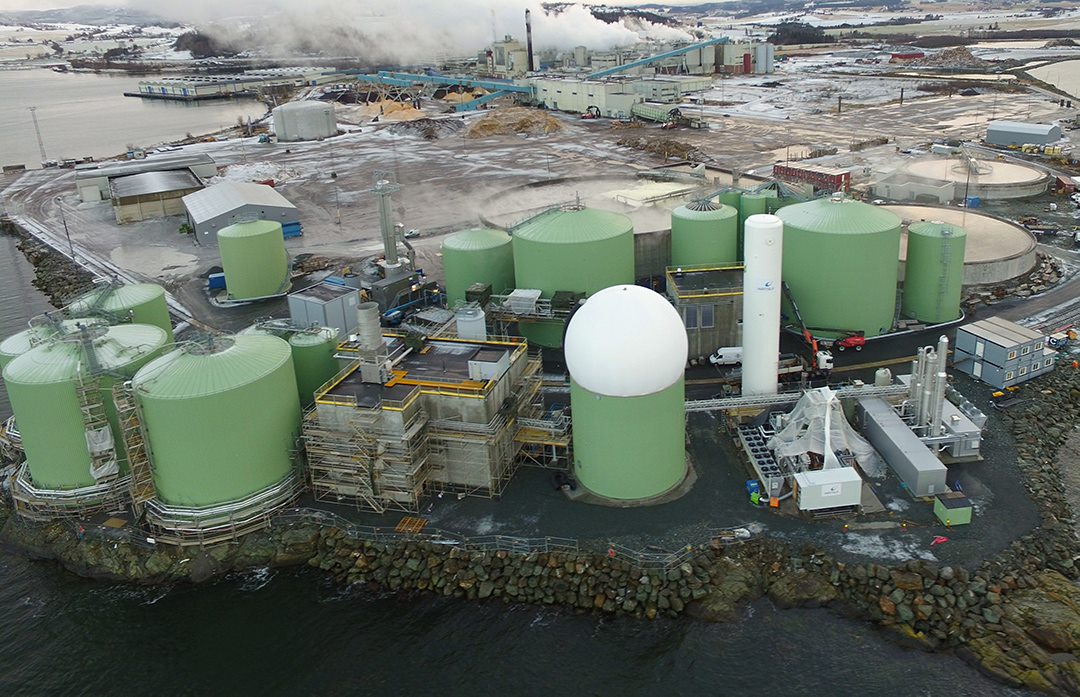
But where does this leave agriculture? Concerns have been raised that the future bioeconomy will place farmers at the bottom of value chains as suppliers of low-value biomass for processing and conversion. Adding to these concerns, advances in the last 2 years have demonstrated that biotechnologies can transform simple biomass directly, and increasingly cheaply, into food. Synthetic animal products (inc. milk products created by yeast fermentation and chicken via cellular agriculture) have been produced and sold directly to consumers in the US and Singapore. The future bioeconomy may be a serious competitor to established food systems.
This creates a challenge. On the one hand, there is significant environmental, social, and economic value to maintaining regional food systems, and on the other, key benefits to be gained from developing a technologically advanced bioeconomy. But how do we integrate the two systems such that the bioeconomy is able to drive future sustainable economic growth, preserve the positive values of existing food systems and boost the prospects of a thriving rural economy?
The aim of SYNAGRI is to understand the capacity for integration between an emerging bioeconomy and regional food systems, and develop strategies to promote an integrated, sustainable food system. The project will contribute to theoretical developments in systems thinking, understand how food systems can be transformed through integration and its implications for social, environmental, and economic sustainability. Scenario evaluation will identify desirable trajectories and policy options to achieve them.
The main outcome will be to advance a systems perspective on Norwegian food systems and assist Norway in identifying prospects for value creation through food system-bioeconomy integration.
Prosjektdetaljer




Prosjektperiode
01/11/2021 - 30/11/2024
Eksternt Prosjektnr.
Prosjektnr.
6634.00
Samarbeidspartnere
SINTEF, NMBU (Department of Urban and Regional Planning), Université de Neuchâtel, Universität Innsbruck, Universidade de Évora, Roberta Sonnino (Cardiff University), South Dakota State University, Universitet i Bergen
Finansiering
Norges forskningsråd
Nyheter
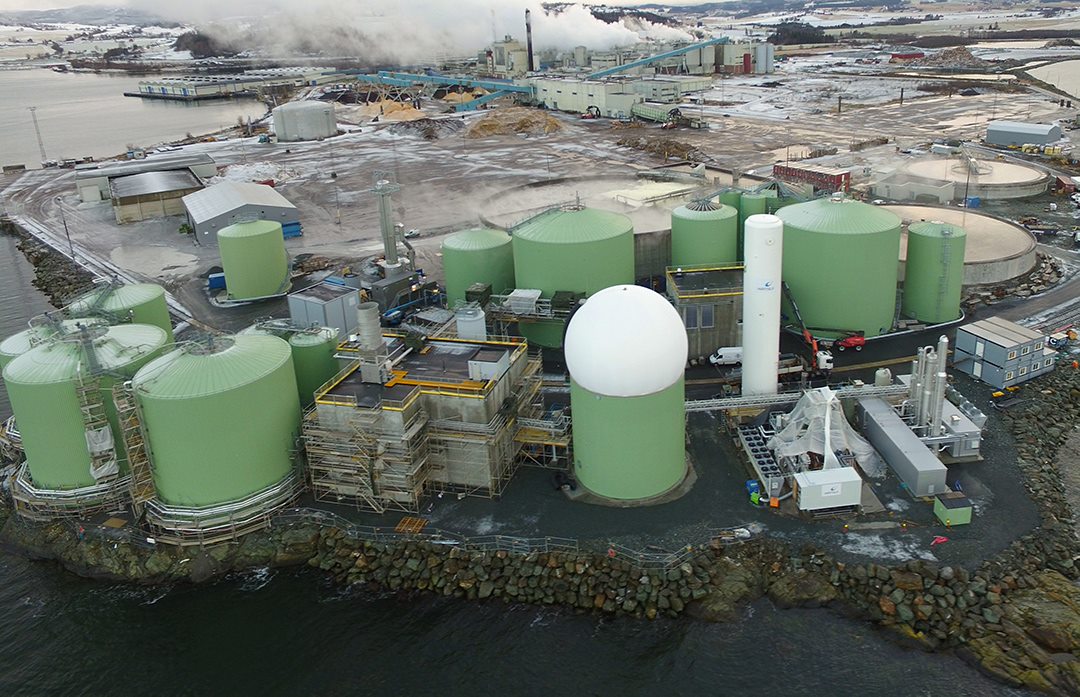
Seminar «Kjente ressurser – uante muligheter», den norske bioøkonomien, matssystemets utvikling og retning siden 2016
I 2016 publiserte den norske regjeringen sin bioøkonomistrategi: “Kjente ressurser – uante muligheter”. Strategien etterlyser Norges ambisjon til…
Faglig snakka: Er bioøkonomien fremtiden for den norske bonden?
Fornybare biologiske ressurser fra jordbruk, skogbruk og havbruk er utpekt som veien til en lønnsom og bærekraftig fremtid…
Publikasjoner
- Artikkel
2025
- Notat
2023
Kontakt oss
Ønsker du å komme i kontakt med oss?
Fyll ut skjemaet under så vil vi svare deg så fort som mulig.